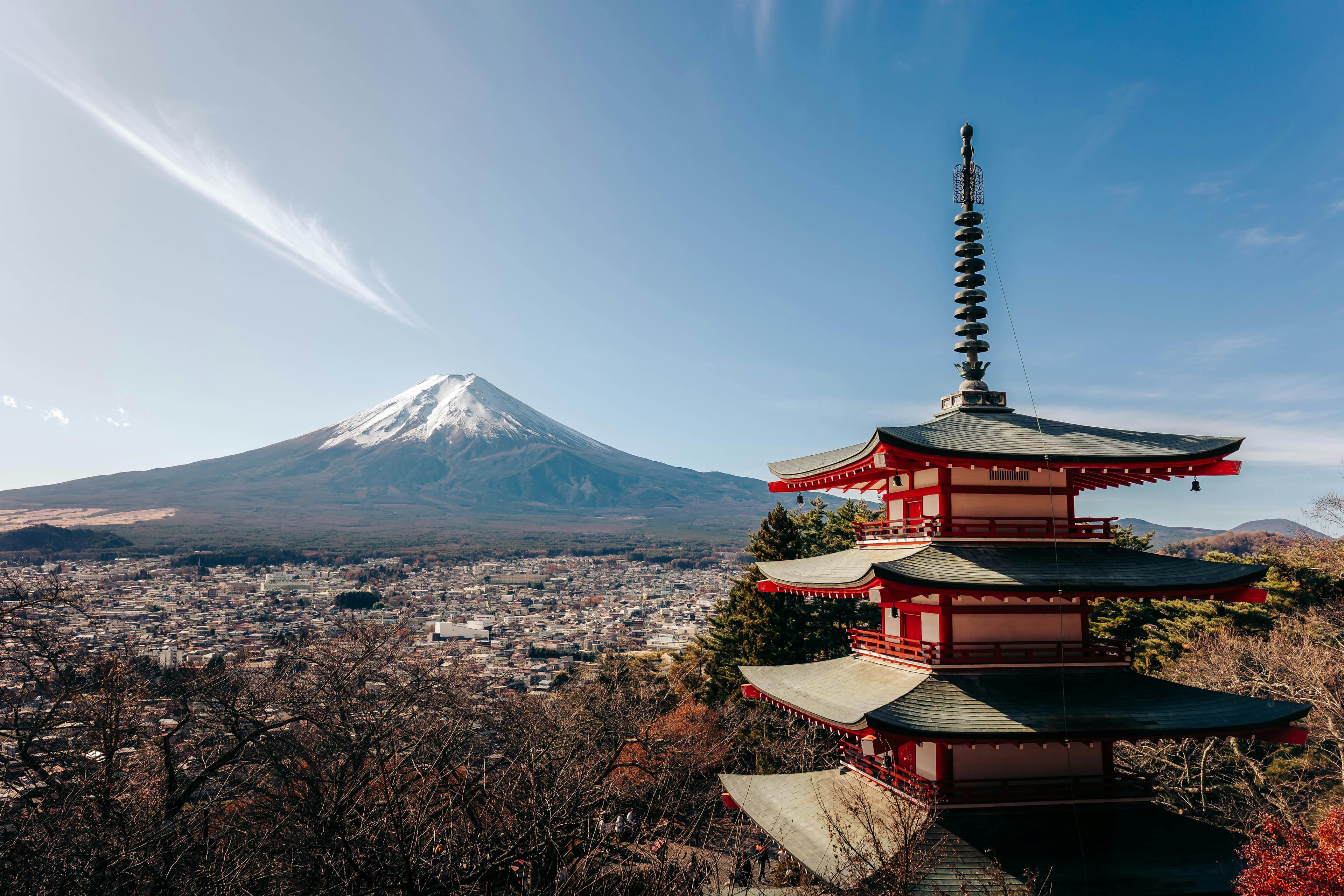
The honest answer to "Is Japan worth it in 2026?" is more complicated than any travel blog will tell you. The yen is weak. The crowds are unprecedented. Both are true at once.
In 2024, Japan welcomed 36.78 million international visitors — an all-time record. In 2025, that number is projected to reach 45-46 million. In 2026, it will go higher. At the same time, the Japanese yen sits at 158-160 JPY/USD, making the country roughly 25-30% cheaper for foreign currency holders than it was five years ago. The result is a paradox: 2026 is simultaneously the most affordable year to visit Japan in over a decade AND the most crowded in history. Every iconic site — Fushimi Inari, Senso-ji, Tsukiji, Shibuya Crossing, Arashiyama bamboo grove — is dramatically more congested than your guidebook describes. New visitor caps on Mt Fuji. Closed alleys in Gion. Dual pricing at major attractions. This guide cuts through tourism marketing with verified 2026 data and an honest verdict by traveler profile. Some travelers will love Japan in 2026. Others should wait, or skip entirely.
Skip 8 hours of research. Get YOUR personalized Japan worth-it score in 30 seconds.
Get Your Japan Verdict →30 seconds · 100% real data · No sponsored opinions · Always free
Jump to section
Table of Contents
The Paradox
The 2026 Japan Reality: What Changed
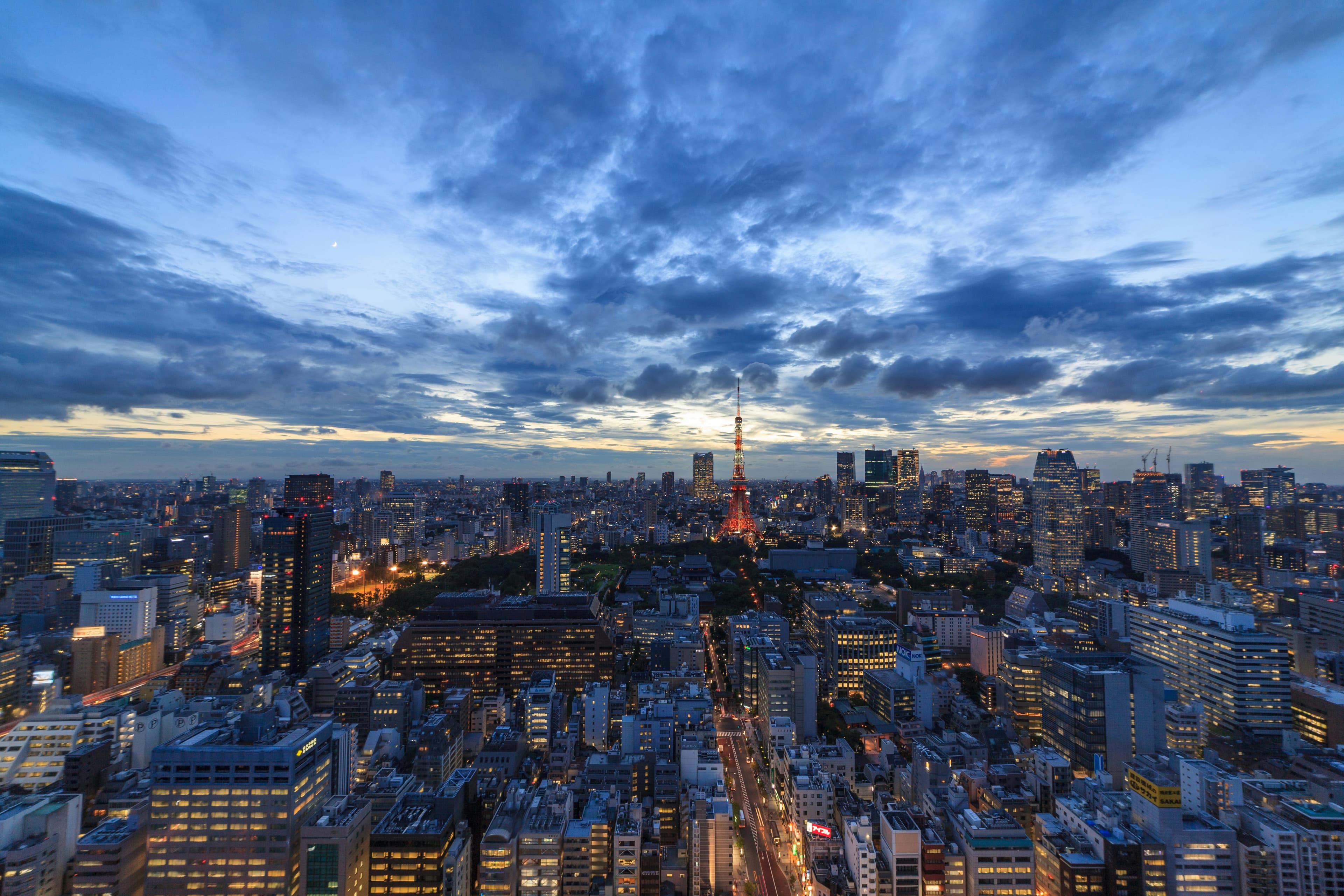
Five years ago, conventional wisdom was clear: Japan was the most expensive country in Asia, a destination to save for special occasions, often skipped in favor of cheaper Southeast Asian neighbors. In 2026, that calculus has been completely upended — for both better and worse reasons.
The economic shift: the Japanese yen has weakened dramatically against major currencies. As of mid-2026, 1 USD buys approximately 158-160 yen, compared to 110-115 yen pre-2022. The euro sits at roughly 160 JPY/EUR, the British pound at 185 JPY/GBP. For foreign visitors, this means a hotel that cost $150/night five years ago now costs $100-110. A ramen bowl that was $12 is now $8. The compound effect over a 10-day trip is a 25-30% cost reduction in real terms.
The tourism shift: Japan's previous annual visitor record was 31.88 million (2019). In 2024, that record was shattered: 36.78 million international visitors according to JNTO (Japan National Tourism Organization). In 2025, projections from the Japan Tourism Agency reached 45-46 million. In 2026, even higher numbers are expected despite a sharp 45.2% drop in Chinese visitors due to a political boycott following PM Sanae Takaichi's Taiwan comments (data from JNTO February 2026 report). The slack is being filled by 28.2% growth in South Korean visitors, 14.7% growth from the US, and surges from France, Germany, Canada, the UK, Mexico (+42.8%), and Russia (+35.9%).
The result: 2026 is simultaneously the most affordable year to visit Japan in over a decade AND the most crowded in history. The same week-long Tokyo trip that cost $2,200 in 2019 might cost $1,600 in 2026, but you'll share the experience with 25% more international visitors than ever before.
- Exit tax tripled: from ¥1,000 to ¥3,000 (~$20), automatically added to airline tickets when departing Japan.
- Tax-free shopping changes November 2026: tourists now pay full price including 10% consumption tax upfront, then claim refund at airport before departure. Requires more cash on hand.
- JR Pass price increase October 1, 2026: the nationwide rail pass already increased to ¥50,000 ($335) for 7 days in October 2023. New increase coming October 2026 — book before that date to lock in current prices.
- JESTA electronic authorization: Japan's version of US ESTA launches pilot phase late 2026, mandatory by 2028. Expected cost ~¥6,000 (~$40) for visa-exempt nationals.
- Kyoto tiered accommodation tax: hotel tax rates now scale by room price (higher rates for premium hotels).
- Dual pricing at major attractions: Himeji Castle and other sites now charge higher rates for foreign visitors than Japanese residents — a trend expected to expand in 2026.
Sources: JNTO official statistics February 2026, Japan Tourism Agency, MOTENAS Japan, JR Group press release April 2026
The Money Question
Real Daily Costs in Japan 2026 (Verified)
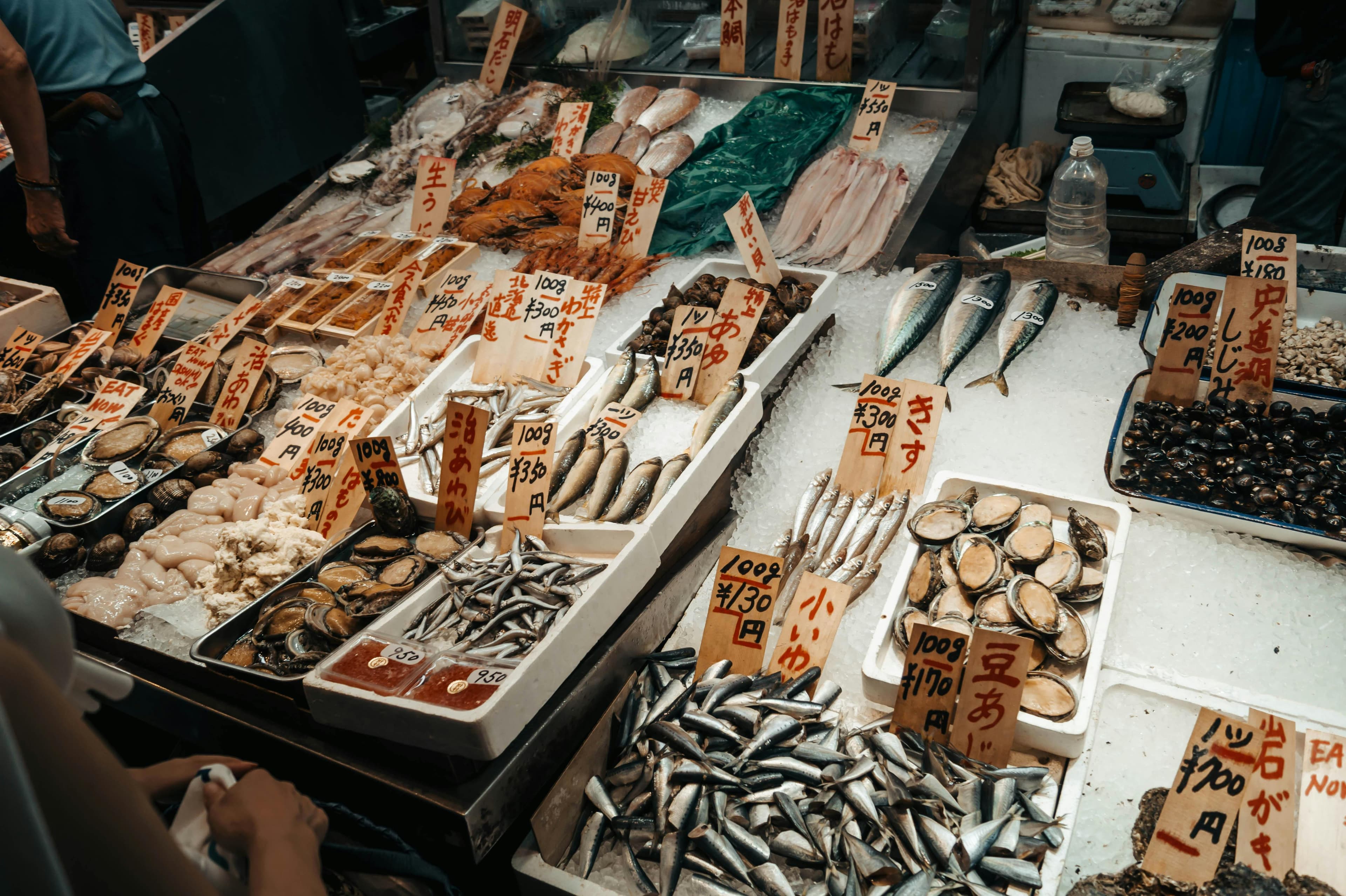
We cross-referenced five independent 2026 data sources to get a realistic picture of Japan's current costs: BudgetYourTrip, BluePlanet, MOTENAS Japan (Japanese DMC), Saily (with 2025 scraped booking platform data), and Machupicchu Travel's Japan Budget Guide 2026. Here's what they consistently report.
| Category | Budget | Mid-Range | Luxury |
|---|---|---|---|
| Daily total | $80-120 | $170-270 | $400+ |
| Daily total (yen) | ¥12-18K | ¥25-40K | ¥60K+ |
| Accommodation/night | $15-40 | $80-150 | $300+ |
| Food daily | $15-25 | $40-70 | $150+ |
| Local transport | $5-10 | $10-15 | $30+ |
| Activities daily | $10-20 | $25-50 | $100+ |
| JR Pass 7-day | $335 (¥50K) | $335 | $335 |
| 10-day trip total | $1,600-2,500 | $3,500-5,500 | $8,000-15,000 |
What each tier actually looks like
Budget ($80-120/day): capsule hotels or hostels (¥2,000-6,000/night), meals at konbini and ramen shops (¥600-1,200), local transport only (¥800-1,500 daily), free temples and parks plus 1-2 paid attractions per day. Sustainable for 2-week trips. Requires planning but doesn't feel restrictive.
Mid-range ($170-270/day): business hotels in Shibuya/Shinjuku ($95-160/night), mix of izakaya and quality ramen ($15-25/meal), occasional taxi rides, 2-3 paid attractions daily, day trips by Shinkansen. This is what 70% of foreign tourists experience.
Luxury ($400+/day): ryokan with onsen ($300-800/night), kaiseki dinners ($200-400), private guides, premium experiences (TeamLab, exclusive temple ceremonies). Japan's luxury tier is exceptional quality for the price compared to Europe or US — a $500 kaiseki meal in Tokyo would cost $1,000+ in Paris.
In 2019, $150 USD bought you ¥16,000 — a decent mid-range hotel room or a high-end dinner. Today, $150 buys you ¥23,700 — that's nearly 50% more buying power. Multiply that across a 10-day trip and you're looking at $400-700 in real savings vs equivalent pre-pandemic prices. The weak yen is the single biggest reason Japan delivers exceptional value in 2026.
Quick comparison
Japan $170-270/day. Thailand $60-100/day. Vietnam $40-65/day. Is the premium worth it for YOUR profile?
Compare All Asia →The Honest Verdict
Is Japan Worth It? By Traveler Profile
Generic verdicts are useless. Here's the honest answer for six traveler profiles based on verified 2026 conditions.
The Uncomfortable Truth
When Japan is NOT Worth Visiting in 2026
Most travel blogs will never tell you this: there are real scenarios where Japan in 2026 is NOT the right choice. Skipping Japan, or delaying your trip, can be the smart decision. Here are seven situations where another destination delivers more for your time and money.
1. Your budget is below $75-80/day
You will end up in capsule hotels eating only konbini meals and skipping most paid experiences. Japan's magic comes from sit-down restaurants, ryokan stays, cultural experiences, and Shinkansen day trips — all of which require the mid-range tier. At sub-$80, Vietnam ($40-65/day) or Thailand ($60-100/day) deliver 2x the experience per dollar.
2. You hate crowds and need quiet experiences
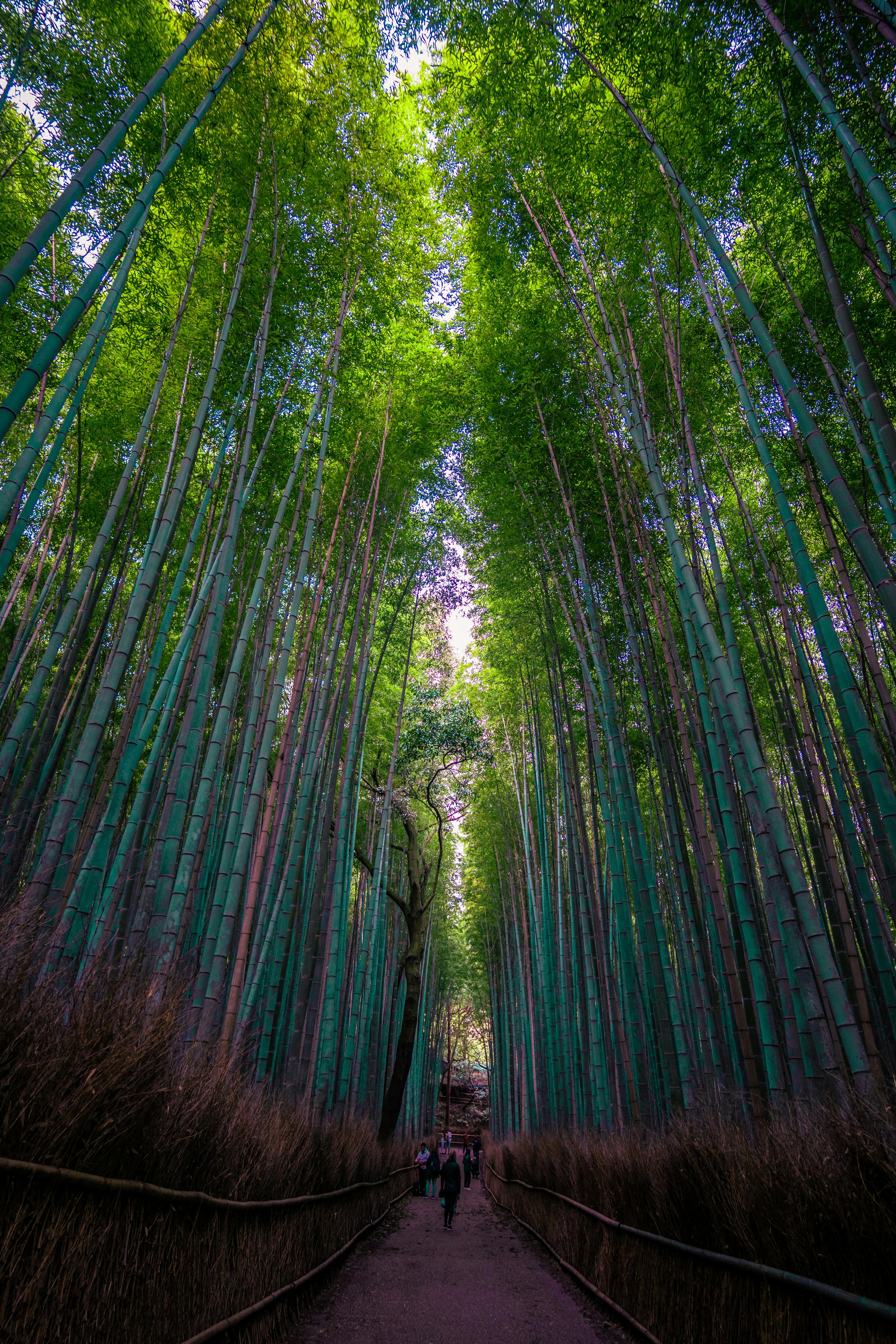
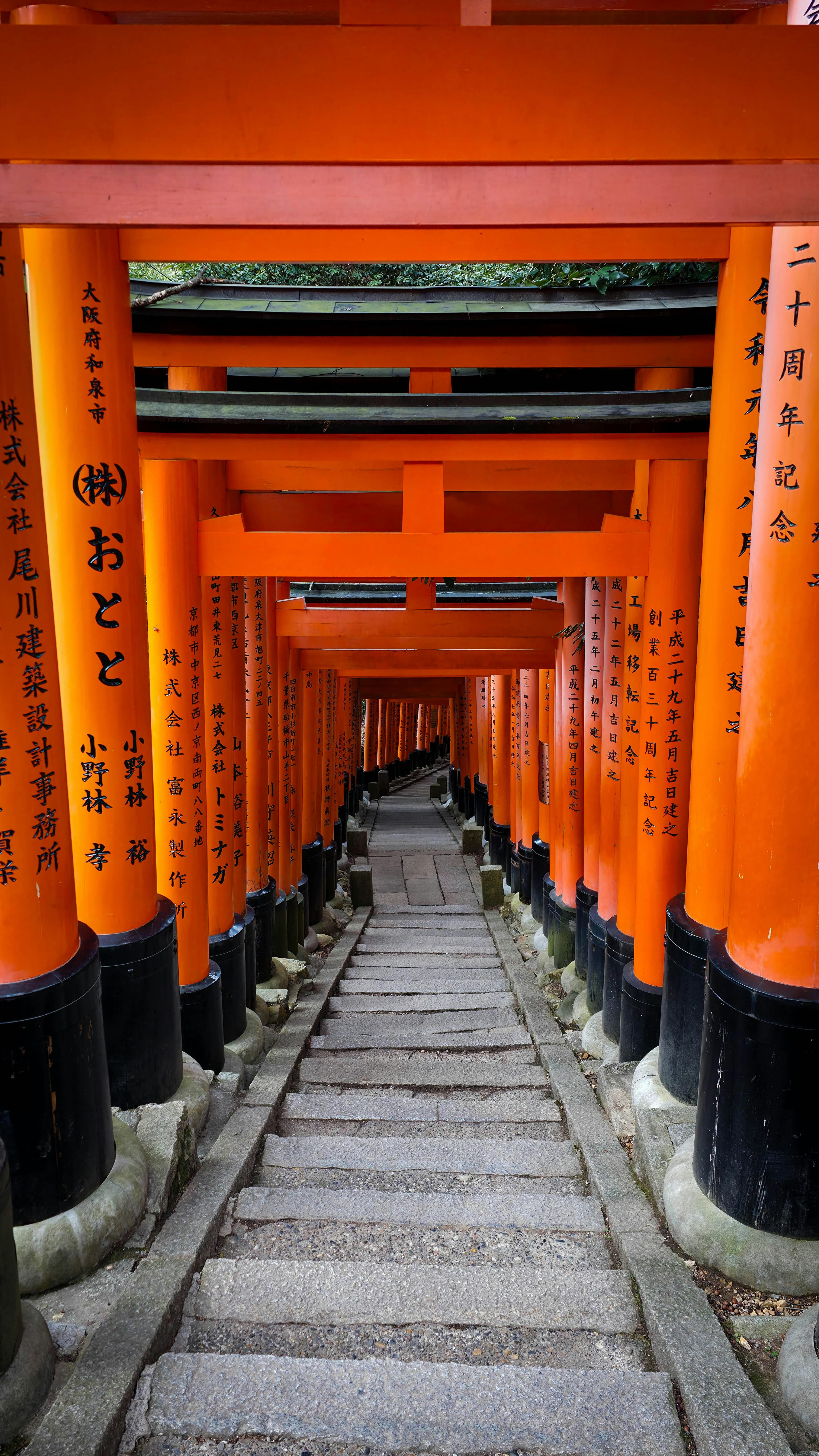
Every iconic site — Fushimi Inari torii, Senso-ji, Shibuya Crossing, Tsukiji Outer Market, Arashiyama bamboo, Kinkaku-ji — is dramatically more congested than guidebooks describe. A 2024 Mainichi survey of 7,800 foreign visitors found 32% reported crowding as their top problem during the trip. If quiet contemplation is your goal, choose rural Vietnam, Bhutan, or off-season Cambodia instead.
3. You only have 3-5 days
Japan rewards 7-14 day trips. Less than a week means rushed transitions between Tokyo and Kyoto, missing day trips, expensive Shinkansen for too little time per city. If you only have 5 days for Asia, choose one Southeast Asian country (Thailand, Vietnam) that allows depth in less time.
4. You want a beach vacation
Okinawa exists but is not Bali, Phuket, or Maldives. Japan's beaches are mediocre by Southeast Asia standards. If beaches are 30%+ of your trip vision, choose Thailand, Indonesia, Philippines, or Maldives instead.
5. You travel in August or peak summer
Tokyo and Kyoto summer means 32-35°C with 70-85% humidity — unbearably uncomfortable for outdoor sightseeing. Combined with peak crowds (Obon, summer vacation), August in Japan is the worst combination. Move your trip to spring, autumn, or even winter (excellent skiing in Hokkaido).
6. You expect "off the beaten path" Tokyo or Kyoto
With 46M visitors concentrated in 5 prefectures, the days of authentic, undiscovered urban Japan are gone for first-timers. Every Instagram-able location is on Instagram for a reason. If discovering the unfamiliar is your motivation, choose rural Japan (Tohoku, Shikoku, Kyushu) — not Tokyo or Kyoto.
7. You can't book 3-6 months in advance
With record visitor numbers, hotels in Tokyo, Kyoto, and Osaka fill 3-6 months ahead for prime dates. Last-minute booking (1-2 weeks out) means either paying premium prices or accepting inferior locations. If your trip planning is short-notice, choose destinations with more accommodation slack (Vietnam, Thailand, Korea, Taiwan).
The Crowd Problem
The Overtourism Reality (Verified Data)
Most travel content underplays this. The data is unambiguous: Japan in 2026 is busier than ever, and the concentration is intense at iconic sites.
- 36.78M visitors in 2024 (all-time record, JNTO)
- 45-46M projected for 2025 (Japan Tourism Agency)
- 3.91M single-month record April 2025 (JNTO data)
- 73% of overnight stays concentrated in just 5 prefectures (World Economic Forum)
- 32% of foreign visitors report congestion as top problem (2024 Mainichi survey of 7,800)
- February 2026: 3,466,700 visitors — highest February on record (JNTO)
- +14.7% US visitors, +28.2% Korea, +42.8% Mexico (Feb 2026 vs Feb 2025)
- -45.2% China visitors in 2026 due to political boycott
What this means on the ground in 2026
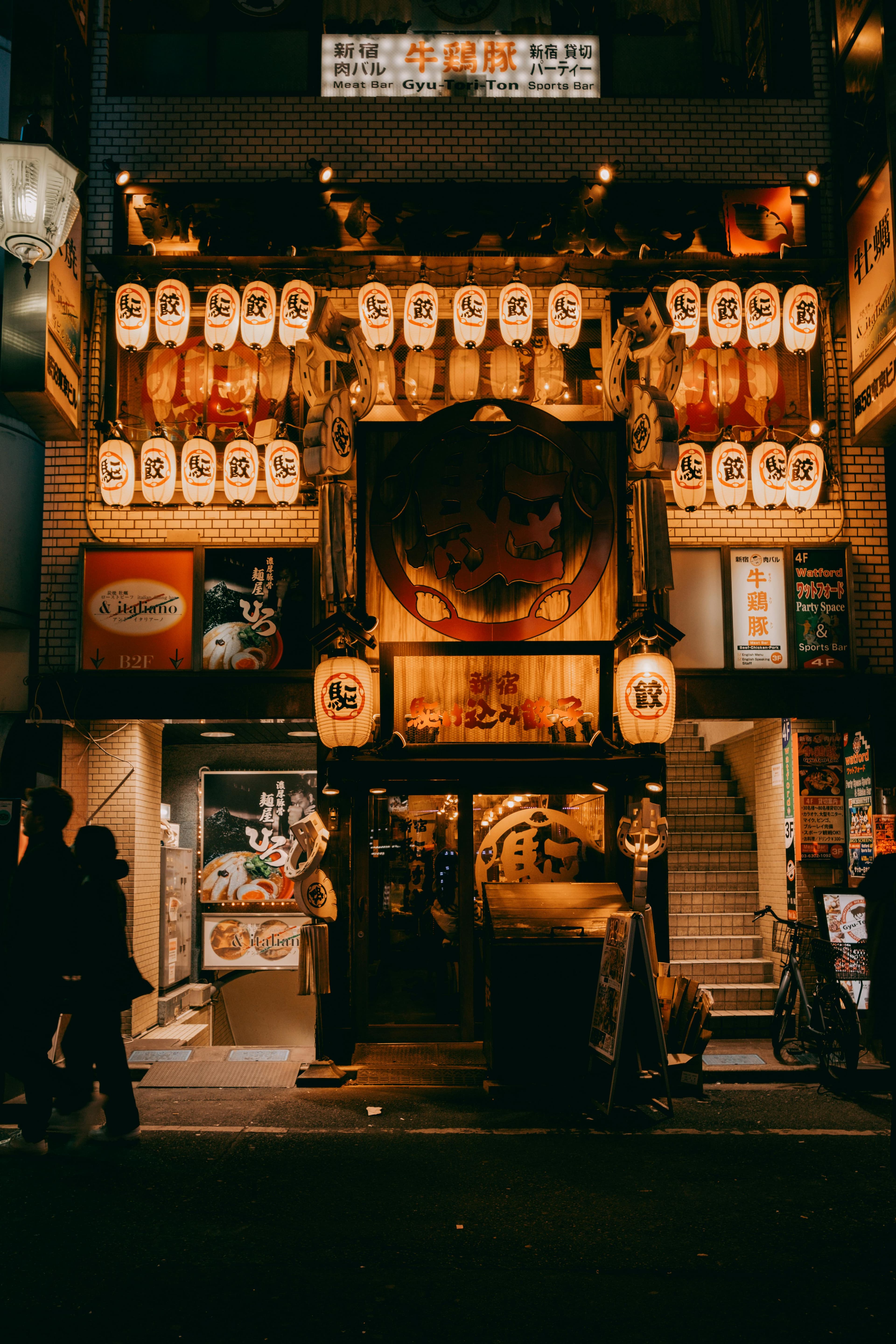
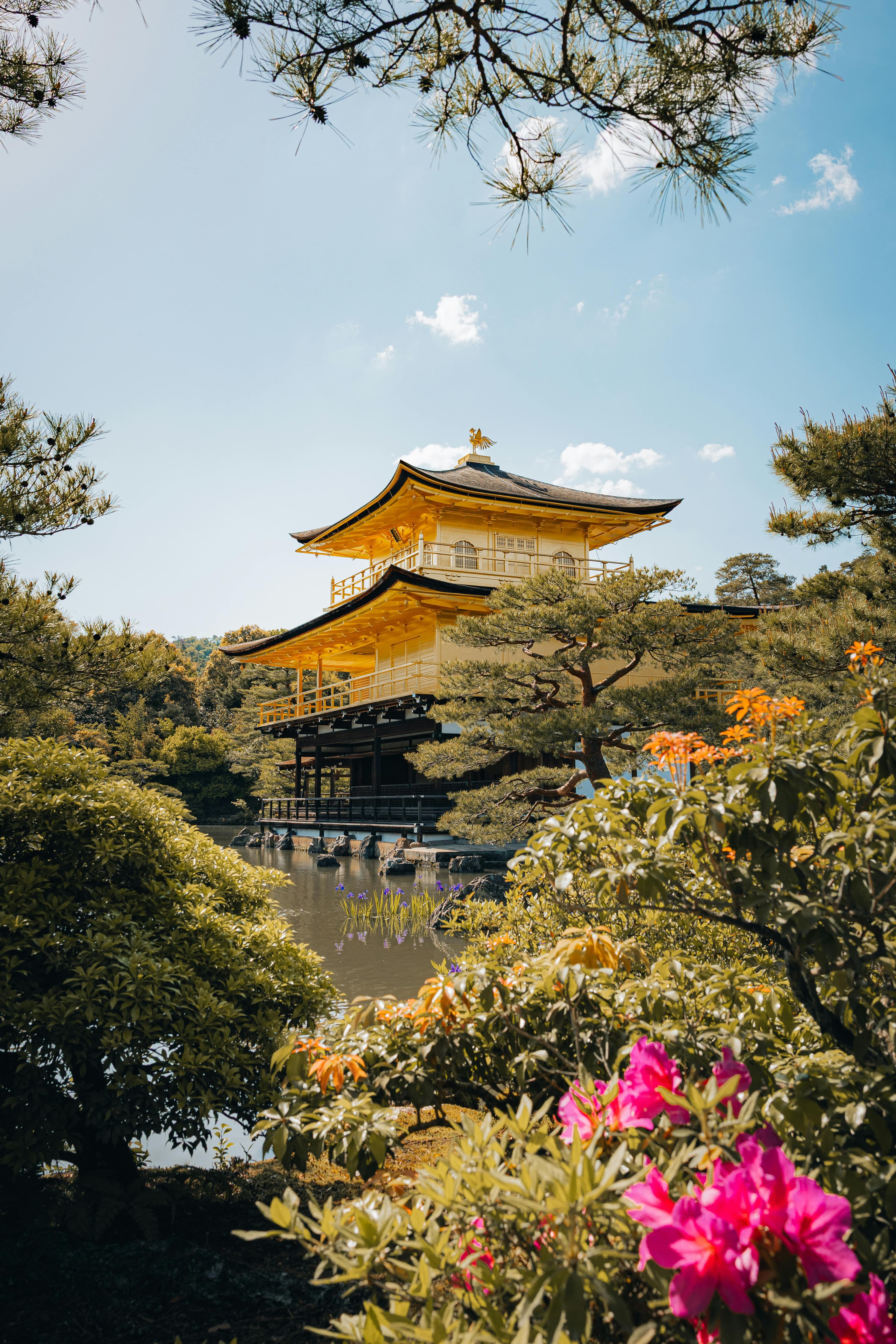
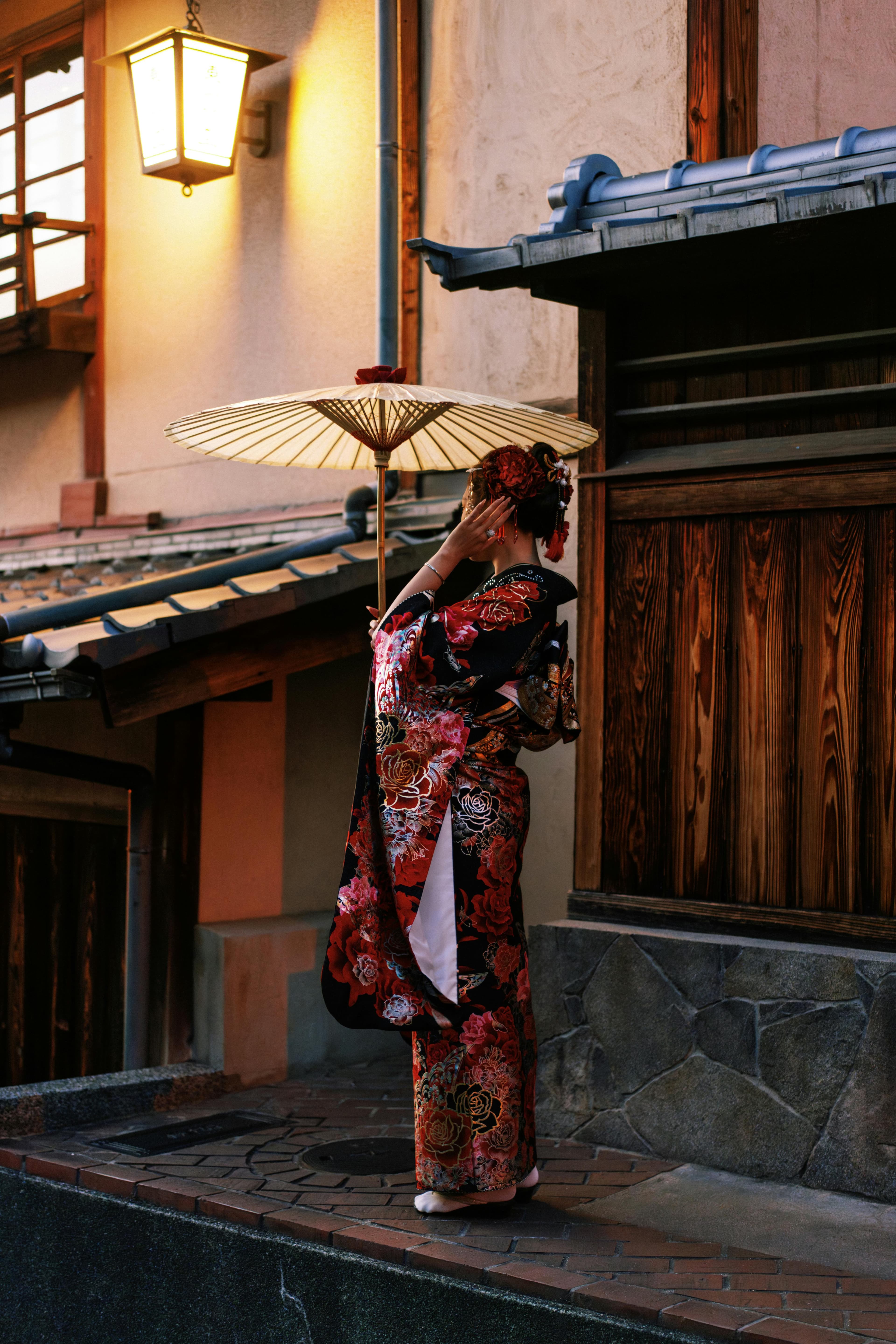
Kyoto: Gion neighborhood has closed certain private alleys to tourists after geisha (geiko) reported being chased with cameras. Fushimi Inari sees 10,000+ visitors daily during peak periods. Arashiyama bamboo grove paths bottleneck at bridges. Kinkaku-ji's viewing area is congested year-round.
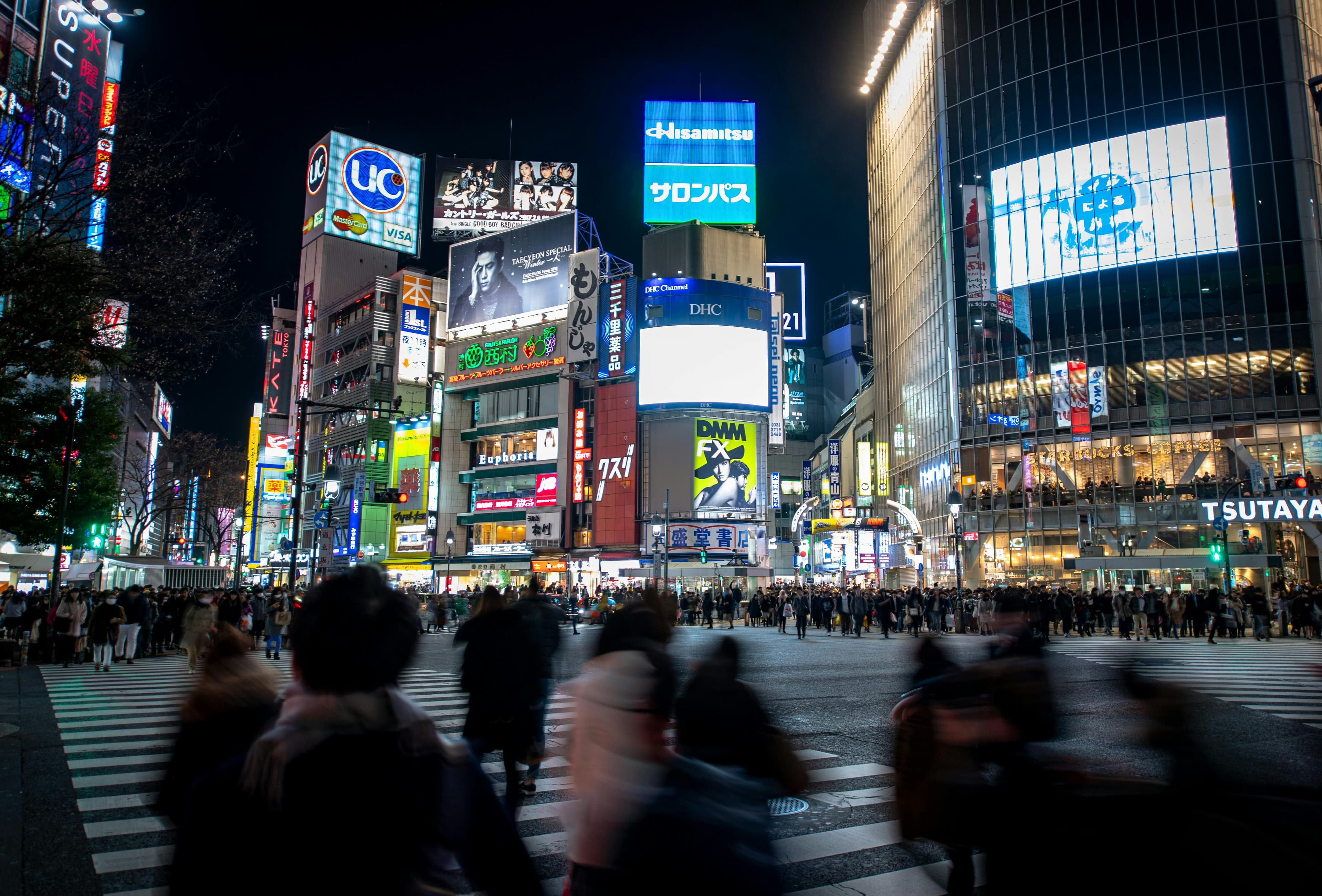
Tokyo: Shibuya Crossing is permanently dense with content creators filming. Tsukiji Outer Market has tour groups at every stall by 7 AM. Senso-ji's Nakamise shopping street is shoulder-to-shoulder during all daylight hours.
Mt Fuji: Yoshida trail (most popular route) introduced visitor caps in 2024 — 4,000 climbers per day maximum, plus a ¥2,000 toll fee. Fujikawaguchiko town installed a black screen to block one popular Instagram photo spot.
1. Visit iconic sites at dawn or dusk — Senso-ji at 6 AM is empty and magical. Fushimi Inari at sunrise has 1/10th the crowds.
2. Travel mid-week, off-peak season — May-June or late October are dramatically less crowded than cherry blossom or autumn foliage peaks.
3. Choose alternative neighborhoods — Yanaka instead of Asakusa for traditional Tokyo, Higashiyama south instead of Gion for traditional Kyoto.
4. Detour to non-Golden-Route regions — Kanazawa, Takayama, Naoshima art island, or Tohoku offer Japan's essence without the crowds.
Sources: JNTO February 2026 report, World Economic Forum tourism data, Mainichi 2024 visitor survey, Japan Travel official overtourism guidance
Timing Matters
Best Time to Visit Japan in 2026
Cherry Blossom 2026 Forecast (JMC Official)
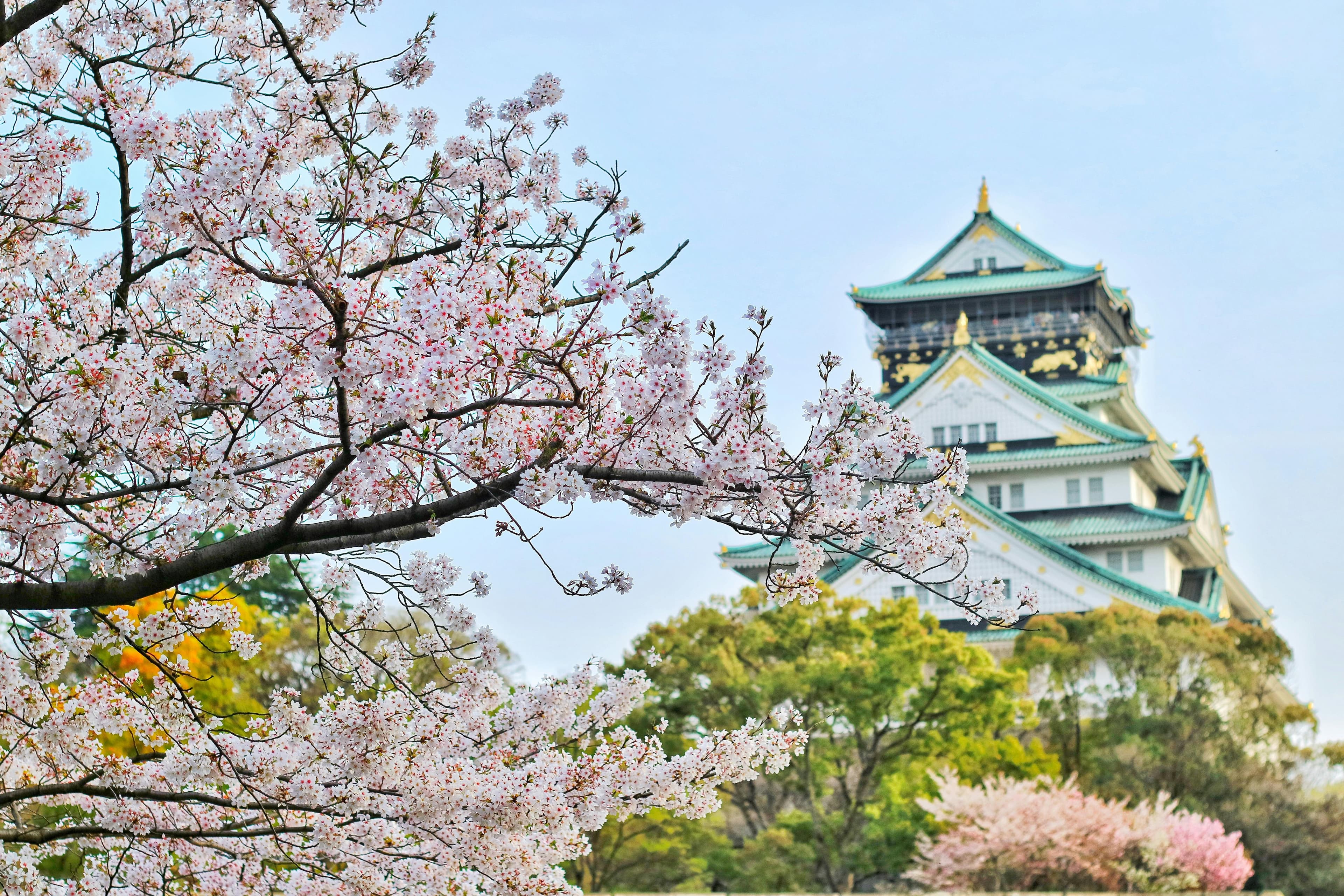
The Japan Meteorological Corporation (JMC) released its 14th forecast on March 5, 2026. Due to higher-than-usual temperatures in February-March, sakura is blooming earlier than typical years. Here are the verified peak bloom dates for 2026:
| City | First Bloom 2026 | Peak Bloom |
|---|---|---|
| Nagoya / Kochi | March 17-18 | March 22-26 |
| Fukuoka / Tokyo | March 19-20 | March 25-30 |
| Osaka / Kyoto | March 24-26 | March 30 - April 3 |
| Sendai | March 31 | April 5-9 |
| Niigata / Nagano | March 26 - April 2 | April 4-10 |
| Akita / Aomori | April 9-14 | April 14-19 |
| Sapporo (Hokkaido) | April 23-27 | April 27 - May 2 |
| Kushiro (latest) | May 7 | May 10-14 |
Month-by-month verdict for 2026
Source: Japan Meteorological Corporation 2026 Cherry Blossom Forecast (14th release, March 5, 2026)
🛂 Logistics 2026
Visa, Taxes & Money Tips Updated 2026
Visa Requirements
90 days visa-free for US, EU, UK, Canada, Australia, NZ, Singapore citizens.
NEW 2026: JESTA electronic authorization pilot late 2026, mandatory by 2028. Expected ~¥6,000 (~$40).
No advance application needed currently for visa-exempt nationals.
Taxes & Fees 2026
Exit tax: ¥3,000 (~$20), auto-added to airline tickets.
Consumption tax: 10% on most goods. Tax-free shopping changes Nov 2026.
Kyoto accommodation tax: tiered by room rate.
Money & Transport
Yen rate: 158-160 JPY/USD (weak = good for tourists).
IC Cards: Suica/Pasmo for transport + konbini payments.
JR Pass: ¥50,000 (7 days). Price increase Oct 2026.
- Cash is still king at small restaurants, temples, and rural areas. ATMs at 7-Eleven and Japan Post accept foreign Visa/Mastercard.
- JR Pass math: only worthwhile if your Shinkansen total exceeds ¥50,000. Calculate before buying — Tokyo-Kyoto-Osaka roundtrip alone doesn't justify it.
- Supermarket discounts: after 7 PM, most supermarkets discount fresh food 30-40%. Excellent for budget travelers.
- Free attractions abound: Tokyo Metropolitan Government Building observation deck (45th floor) is free with views rivaling paid spots (¥3,000+). Meiji Shrine, Senso-ji, Imperial Palace East Gardens all free.
- Tourist SIM at airport: ¥3,000-5,000 ($20-33) for 1-2 weeks of unlimited data. Far cheaper than home carrier roaming.
Decision Helper
Japan vs Asia Alternatives 2026
Quick verified comparison if you're weighing Japan against other Asian destinations for your 2026 trip.
| Factor | 🇯🇵 Japan | 🇹🇭 Thailand | 🇻🇳 Vietnam | 🇰🇷 Korea |
|---|---|---|---|---|
| Daily cost mid-range | $170-270 | $60-100 | $40-65 | $120-180 |
| Days needed minimum | 7+ | 5+ | 7+ | 5+ |
| Crowding 2026 | Very high | Medium | Low-Medium | Medium |
| Visa free days | 90 | 60 | 45 | 90 |
| Food refinement | ★★★★★ | ★★★★ | ★★★★ | ★★★★ |
| Food value/$ | ★★★ | ★★★★★ | ★★★★★ | ★★★★ |
| Infrastructure | ★★★★★ | ★★★ | ★★ | ★★★★★ |
| Safety | ★★★★★ | ★★★★ | ★★★★ | ★★★★★ |
| English ease | ★★★ | ★★★★ | ★★★ | ★★★ |
| First-time Asia | OK | Easiest | Medium | OK |
The Bottom Line
The Final Verdict: Is Japan Worth It in 2026?
Travelens Worth-It Score 2026
WORTH IT — with caveats
Japan in 2026 is more affordable than it has been in over a decade due to the weak yen, but more crowded than ever in history. The verdict swings on three factors: your budget tier, your tolerance for crowds, and your willingness to plan 3-6 months ahead. For travelers willing to navigate these realities, 2026 is one of the best value years to experience Japan's world-class culture, food, and infrastructure.
The honest one-liner
"Japan in 2026 delivers more refinement per dollar than any other developed-world destination, in exchange for sharing iconic sites with 46 million annual visitors. If you can accept the crowd reality and plan accordingly, this is the best value year to visit Japan in a decade."
Decision Engine
Still uncertain? Get YOUR personalized Japan worth-it score
Our AI Decision Engine factors in your budget, dates, traveler profile, and crowd tolerance to give you a personalized worth-it score for Japan vs alternative destinations. 30 seconds. No email required to see results.
Get Your Worth-It Score →Where to Stay
Find Your Japan Accommodation
🗼 Tokyo
Shibuya for nightlife, Shinjuku for accessibility, Asakusa for traditional vibe. Mid-range $95-160/night.
Tokyo Hotels →⛩ Kyoto
Higashiyama for traditional ryokan, Gion area for culture, Kyoto Station for convenience. Mid-range $100-180/night.
Kyoto Hotels →🍜 Osaka
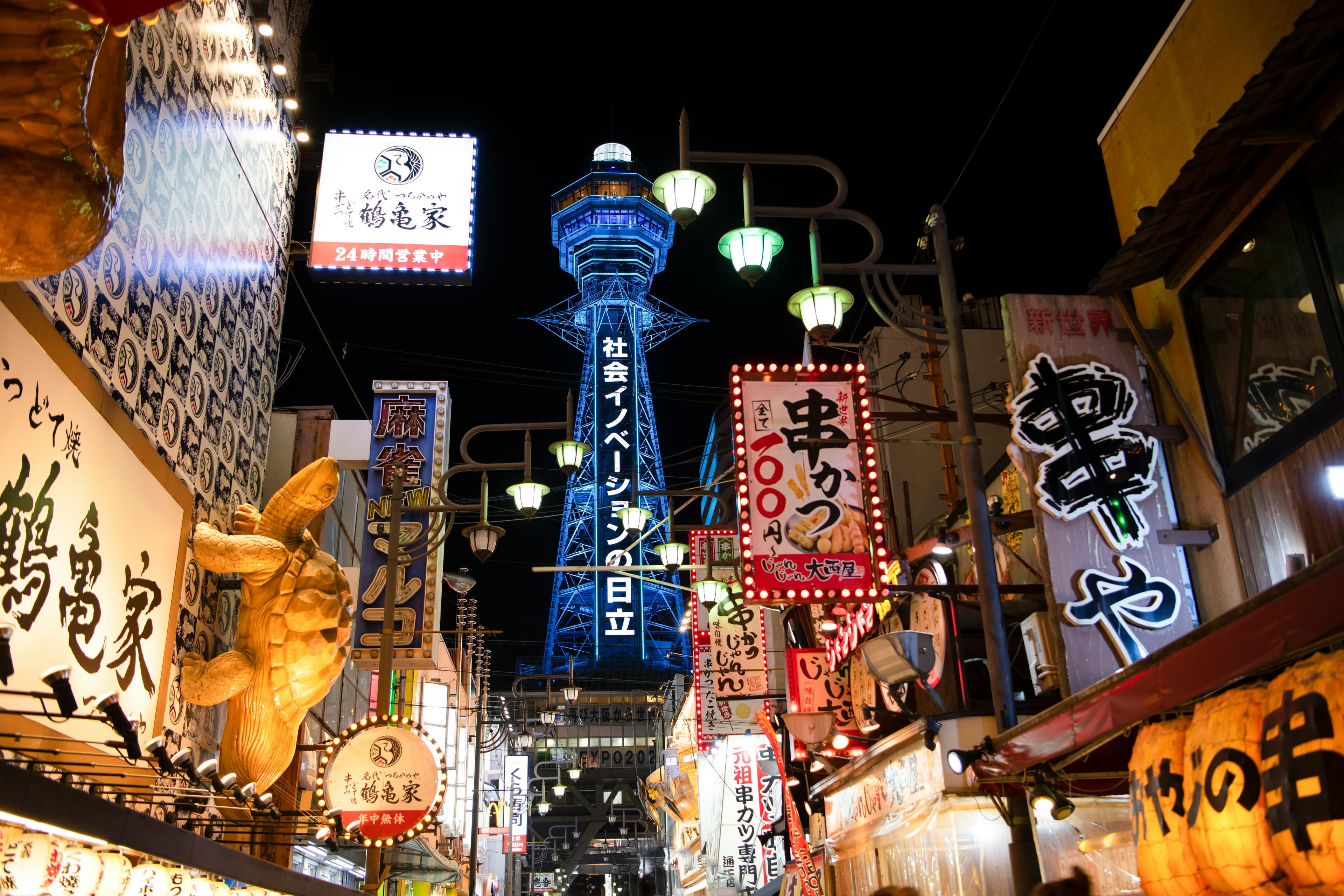
Namba/Dotonbori for nightlife and food, Umeda for shopping, Tennoji for budget. Mid-range $85-140/night.
Osaka Hotels →People Also Ask
Frequently Asked Questions
Is Japan worth visiting in 2026?
For most travelers, yes — but with critical caveats unique to 2026. The Japanese yen sits at 158-160 JPY/USD, making Japan roughly 25-30% cheaper for USD/EUR/GBP holders than it was 5 years ago. However, Japan recorded 36.78 million international visitors in 2024 (a record), with 45-46 million projected for 2025, and 2026 expected to surpass that. This means major sites (Kyoto temples, Shibuya, Tsukiji, Mt Fuji viewpoints) are dramatically more crowded than any pre-2023 guidebook describes. Japan is worth it if you accept the tradeoff: exceptional value plus world-class infrastructure plus cultural depth, in exchange for crowds at every iconic site. If you need solitude or "off the beaten path" experiences in major cities, this is not your year.
How much does a trip to Japan cost in 2026?
Verified 2026 daily costs cross-referenced from BudgetYourTrip, JNTO, MOTENAS Japan, BluePlanet, and 2026 traveler reports: Budget travelers spend $80-120/day (¥12,000-18,000), mid-range $170-270/day (¥25,000-40,000), luxury $400+/day (¥60,000+). For a 10-day mid-range trip: $3,500-5,500 total per person excluding international flights. Round-trip flights cost $900-1,800 from North America, €700-1,400 from Europe, AUD 800-1,500 from Australia. The weak yen makes 2026 one of the most affordable years to visit Japan for foreign currency holders in over a decade.
When is the best time to visit Japan in 2026?
According to the Japan Meteorological Corporation 2026 forecast, cherry blossoms (sakura) are blooming earlier than usual due to warm winter temperatures. Tokyo peaks around March 19-20, Kyoto/Osaka March 24-26, Sendai March 31, Sapporo April 23-27. Autumn foliage (koyo) peaks mid-November in Kyoto. Best alternative to avoid crowds: May-June (post-Golden Week, before rainy season) or late October. Avoid: cherry blossom peak weeks (book 6 months ahead), Golden Week late April-early May, and Obon in August. Weather-wise: spring 13-22°C, autumn 10-20°C are ideal.
Is Japan too crowded in 2026 because of overtourism?
Yes, dramatically. Japan welcomed 36.78 million visitors in 2024 (an all-time record), with 45-46 million projected for 2025 and even higher for 2026. According to the World Economic Forum data, 73% of overnight stays concentrate in just 5 prefectures (Tokyo, Osaka, Kyoto, Hokkaido, Fukuoka). A 2024 survey of 7,800 foreign visitors by Mainichi found 32% reported congestion as their top problem during the trip. Kyoto neighborhoods like Gion have closed certain private alleys to tourists, and Mt Fuji introduced visitor caps on the Yoshida trail in 2024. The new administration under PM Sanae Takaichi (elected late 2025) has made overtourism management a priority for 2026 — expect more dual pricing, accommodation taxes, and crowd-management policies.
What major changes happened in Japan for tourists in 2026?
Six major changes: (1) International Tourist Tax tripled from ¥1,000 to ¥3,000 (~$20), automatically added to airline tickets. (2) Tax-free shopping changes November 2026 — tourists now pay full price including 10% consumption tax upfront, then claim refund at airport (requires more cash on hand). (3) JR Pass nationwide price increase coming October 1, 2026 (currently ¥50,000 for 7-day after October 2023 increase). (4) JESTA electronic authorization pilot launches late 2026, mandatory by 2028 (similar to US ESTA, expected ~¥6,000/~$40 fee). (5) Kyoto implemented tiered accommodation tax based on hotel rates. (6) Dual pricing introduced at major attractions like Himeji Castle — foreigners pay more than Japanese residents.
Is Japan cheaper than Thailand or Vietnam in 2026?
No — Japan remains 1.5-2x more expensive on the ground than Thailand or Vietnam. Verified 2026 daily costs comparison: Japan mid-range $170-270/day, Thailand $60-100/day, Vietnam $40-65/day. However, the gap has narrowed significantly due to the weak yen. For backpackers, Japan at $80-120/day is now closer to Thailand ($25-40/day) than ever before in absolute terms, but Vietnam and Thailand still deliver dramatically more days per dollar. Compared to Western destinations: Japan is significantly cheaper than Paris, London, NYC, or Sydney for equivalent quality. Compared to Southeast Asia: Japan is still premium-tier.
When is Japan NOT worth visiting?
Japan is NOT worth visiting in 2026 if: (1) Your budget is below $75/day — you will end up in capsule hotels, eating only konbini meals, and skipping paid attractions, missing what makes Japan special. (2) You hate crowds — every iconic site (Fushimi Inari, Senso-ji, Shibuya, Tsukiji, Arashiyama, Kinkaku-ji) is dramatically congested, especially during cherry blossom and autumn foliage seasons. (3) You expect "off the beaten path" experiences in Tokyo/Kyoto/Osaka — those days are gone for first-timers. (4) You only have 3-5 days — Japan rewards 7-14 day trips with multiple cities. (5) You want beach vacations — Okinawa exists but Japan is not a beach destination. (6) You travel in August — humidity 32-35°C, peak crowds, rain.
Is Japan safe for solo travelers in 2026?
Yes — Japan is among the safest megacities in the world for solo travelers. Violent crime is exceptionally rare, lost wallets are routinely returned, and late-night solo travel is unproblematic in Tokyo, Kyoto, and Osaka. Female solo travelers consistently rate Japan as the most comfortable Asian destination. Risks: minor pickpocketing in crowded tourist zones (Shibuya, Asakusa), occasional scams targeting tourists at currency exchanges, and natural disasters (earthquakes, typhoons June-October). Public transport runs reliably 24/7 in major cities. Cash is still preferred at small restaurants and temples. ATMs at 7-Eleven and Japan Post accept foreign cards.
Do I need to book Japan accommodations months in advance for 2026?
Yes, especially for peak periods. With 46M+ visitors projected for 2026 and concentration in 5 prefectures, hotels in Tokyo, Kyoto, and Osaka are filling 3-6 months ahead for prime dates. Book 6 months out for: cherry blossom season (late March-early April), Golden Week (late April-early May), and autumn foliage (November). Book 2-3 months out for: shoulder seasons (May-June, September-October) and winter outside ski resorts. Kyoto hotels saw 20-40% price increases during 2024-2025 peaks; 2026 expected similar. Tip: consider business hotels (APA, Toyoko Inn) for value, or stay in less touristy neighborhoods like Asakusa, Shimokitazawa, or Yanaka in Tokyo.
How long should I spend in Japan to make it worth it?
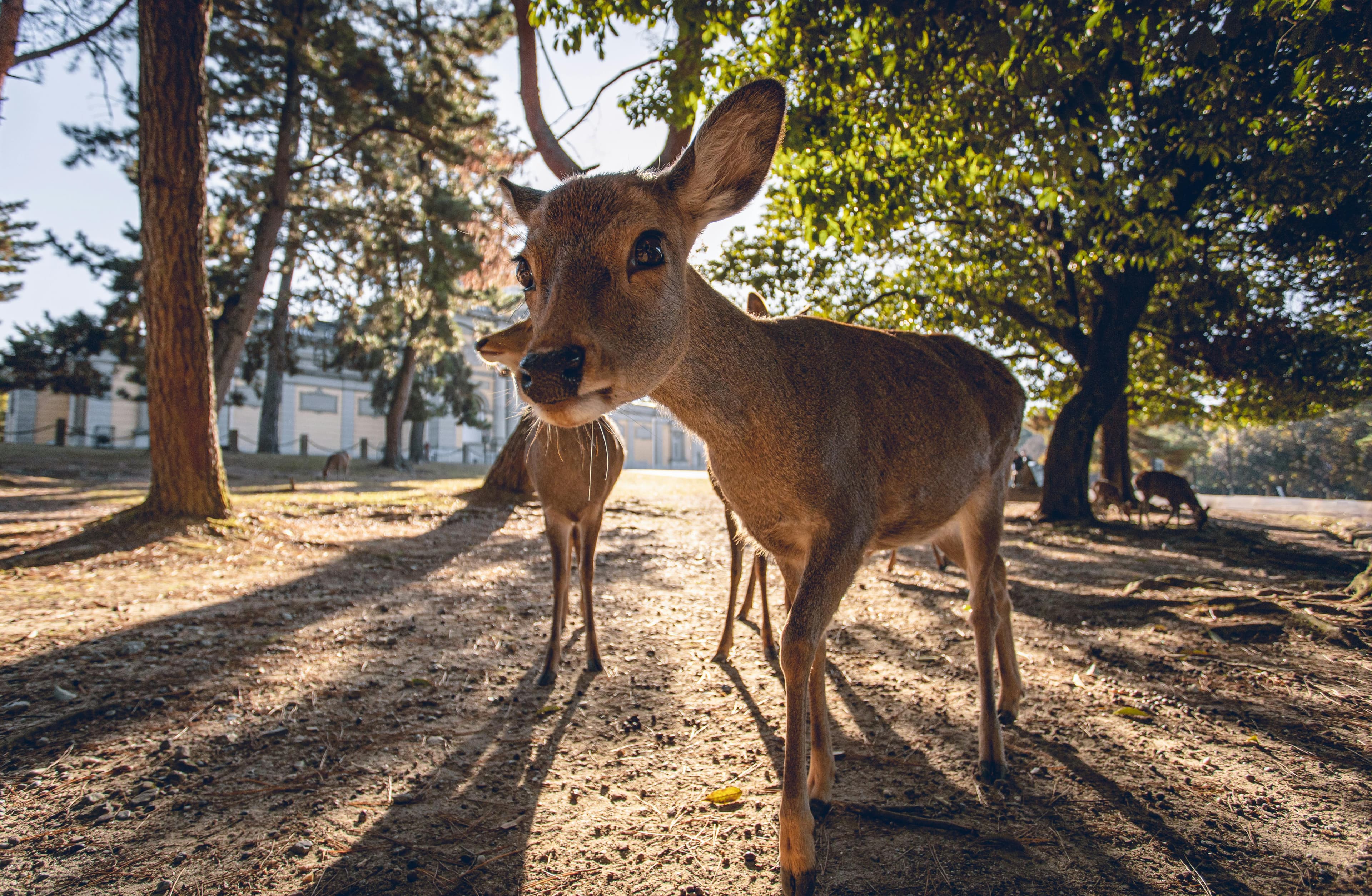
Minimum 7 days for a "worth it" Japan experience covering Tokyo (4 days) and Kyoto/Osaka (3 days). Ideal: 10-14 days adding Mt Fuji/Hakone, Nara day trip, and either Hiroshima or northern destinations like Takayama. Two weeks plus: add Hokkaido (skiing winter or summer hiking), Okinawa, or Tohoku for off-the-beaten-path experiences. Less than 7 days = rushed feeling, money wasted on Shinkansen for too little time per city. Japan rewards slow travel; the depth of cultural experiences (tea ceremony, temple stays, neighborhood exploration) needs time to absorb. 70% of repeat visitors report wishing they had stayed longer on their first trip.
Continue Exploring Japan
Plan Your Japan Trip
You now have the honest verdict.
Japan in 2026 is more affordable than it has been in a decade due to the weak yen, but more crowded than ever in history. The verdict depends on YOUR budget tier, crowd tolerance, and trip duration.
Get your personalized worth-it score in 30 seconds. The Decision Engine compares Japan against your exact profile and ranks it honestly with verified data.
Try the AI Decision Engine →100% real data · No opinions · No sponsored results · Always free