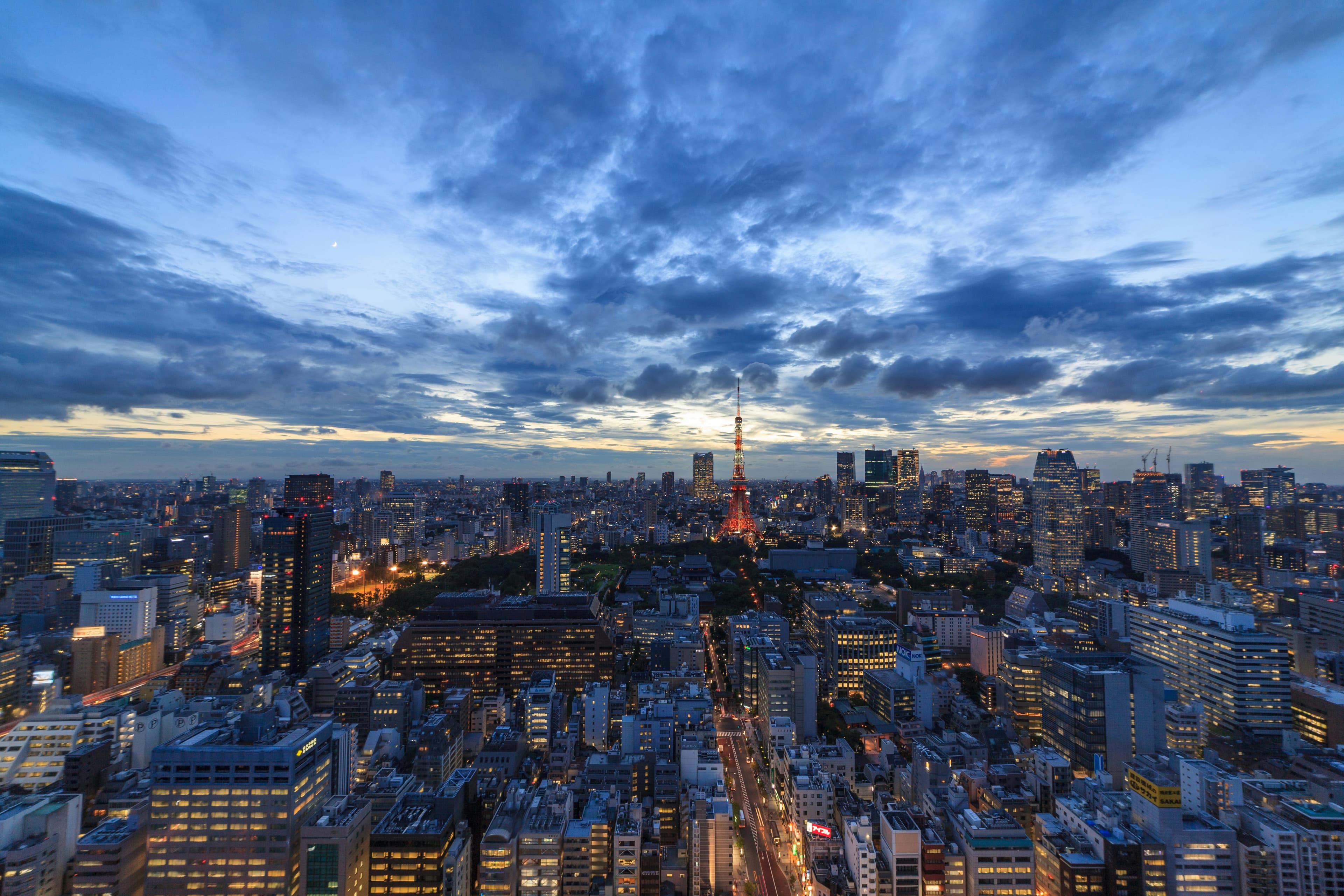
Tokyo refines. Bangkok intensifies. Both are megacapitals — built on opposite philosophies of how a city should feel.
Tokyo is 37 million people in a metro area where trains arrive within 20 seconds of schedule, where vending machines work in remote alleys, and where the world's most refined sushi sits in a 10-seat basement counter. Bangkok is 11 million people in a megacity where tuk-tuks weave through gridlock, where street food carts outnumber convenience stores, and where 13th-century temples sit next to neon rooftop bars. Tokyo demands attention; Bangkok demands openness. The Bangkok vs Tokyo decision is not "which is better" — it's which urban philosophy matches what you need from this trip. Verified 2026 numbers and honest verdict by traveler profile inside.
Skip 8 hours of research. Get a Worth-It Score for both cities in 30 seconds.
Get Your Asia Verdict →30 seconds · 100% real data · No sponsored opinions
Jump to section
Table of Contents
At a Glance
Bangkok vs Tokyo: 13 Categories Compared
| Category | ⛩ Tokyo | 🌴 Bangkok |
|---|---|---|
| Daily cost (mid-range) | $140-230/day | $60-100/day — 50-57% cheaper |
| Daily cost (backpacker) | $75-100/day | $25-40/day — 60-66% cheaper |
| Hotel mid-range | $95-160/night | $40-80/night |
| Population (metro) | 37M (largest globally) | 11M |
| Days needed minimum | 4-5 days | 3-4 days |
| Top neighborhoods | Shibuya, Shinjuku, Asakusa | Sukhumvit, Silom, Khao San |
| Michelin stars | 200+ (more than Paris+NYC) | 28+ |
| Street food culture | Limited (food halls) | World-class (UNESCO heritage) |
| Nightlife | Golden Gai, Ginza bars, izakaya | Rooftop bars, Khao San, Soi Cowboy |
| Shopping | Akihabara, Ginza, Harajuku | Chatuchak, MBK, ICONSIAM |
| Best season | Late March-April, mid-November | November-February |
| Day trip options | Mt Fuji, Hakone, Kamakura | Ayutthaya, Damnoen Saduak |
| Currency 2026 | 158-160 JPY/USD (yen weak) | 34-36 THB/USD (stable) |
Sources: BudgetYourTrip 2026, Tourism Authority of Thailand, Japan National Tourism Organization, Michelin Guide 2026, cross-referenced May 2026
The Money Question
Real Daily Costs: Bangkok 50-66% Cheaper
According to BudgetYourTrip 2026 cross-referenced data, the cost gap between Tokyo and Bangkok is the dominant factor in this decision. Backpackers spend $25-40/day in Bangkok versus $75-100/day in Tokyo. Mid-range travelers see the same gap: $60-100/day Bangkok versus $140-230/day Tokyo.
The breakdown: mid-range Bangkok hotels in Sukhumvit or Silom run $40-80/night versus Tokyo Shinjuku/Shibuya $95-160/night. A Bangkok BTS Skytrain ride costs $0.50-1.50 versus Tokyo Metro $1.50-3.00 per trip. Street food in Bangkok averages $1-3/meal (pad thai, som tam, tom yum) versus Tokyo konbini meals at $5-8 or sit-down restaurants at $12-20. The single biggest equalizer: a 30-minute taxi ride in Bangkok costs $5-8, in Tokyo $25-40.
One important nuance for 2026: the Japanese yen sits at 158-160 JPY/USD, roughly 25-30% weaker than 5 years ago. This means Tokyo is more affordable today than it has been in over a decade for USD holders. Even so, Bangkok maintains its decisive price advantage at every tier — and that gap is unlikely to close.
A 5-day mid-range Tokyo trip costs $700-1,150 in daily expenses (excluding international flights). The same 5 days in Bangkok: $300-500. The $400-650 difference funds an additional 5-7 days in Bangkok or covers the round-trip flight to Chiang Mai and back. This is the central tradeoff: Tokyo delivers more refinement per day, Bangkok delivers more days per budget.
Quick reality check
Tokyo $140-230/day. Bangkok $60-100/day. Hanoi $40-65/day. Is the premium worth it for YOUR profile?
Compare All Asia →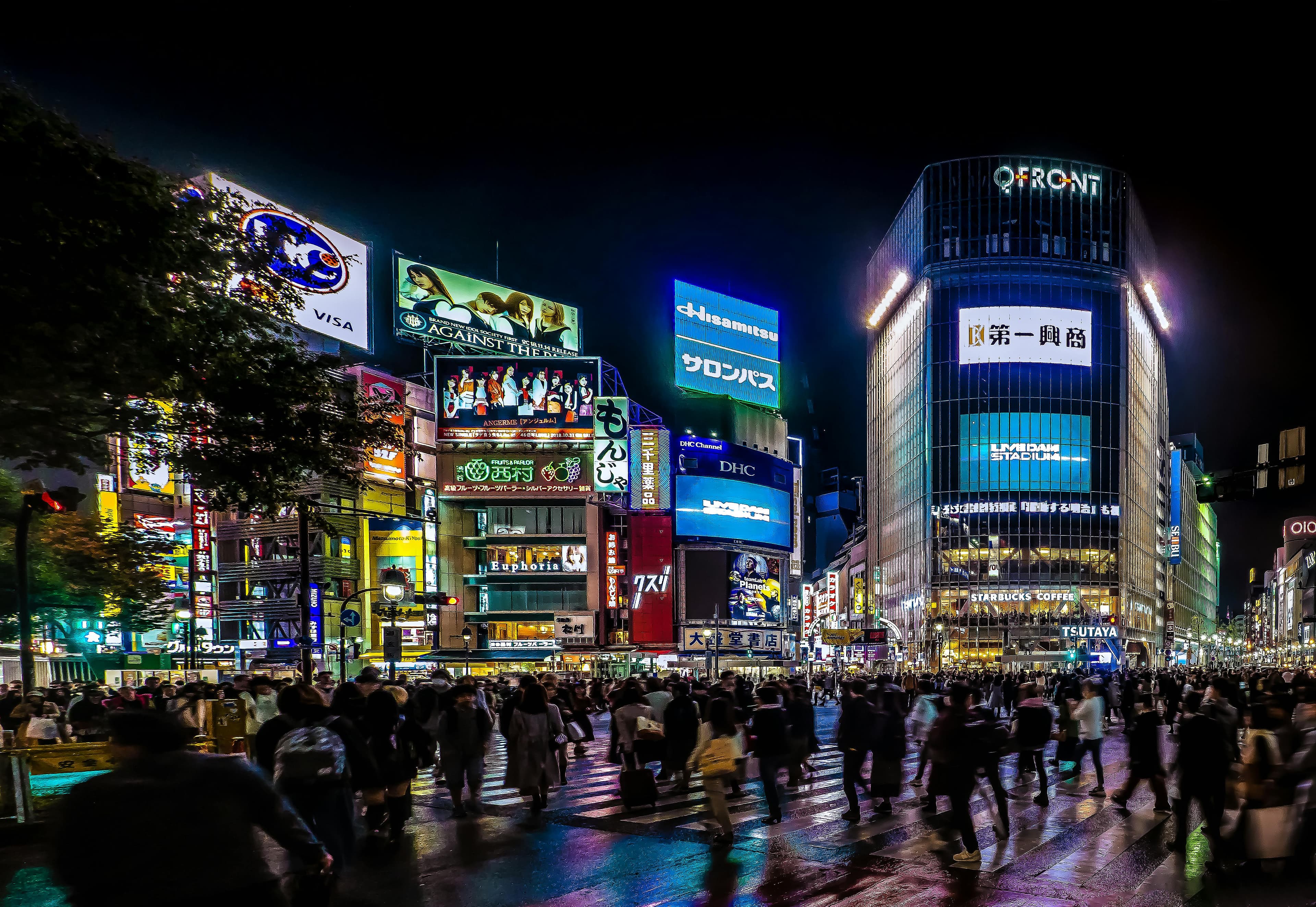
Tokyo: The Refined Megacapital
Tokyo is the world's largest metropolitan area with 37 million people, yet operates with the precision of a Swiss watch. Trains arrive within 20 seconds of scheduled times. Vending machines work in remote mountain alleys. The city was almost completely rebuilt after WWII firebombing in 1945, then again rebuilt for the 1964 Olympics — making Tokyo simultaneously the most modern and most ritualistic megacity on Earth. Today: 200+ Michelin stars (more than Paris and New York combined), the world's busiest train station (Shinjuku, 3.5M daily passengers), Akihabara as the global capital of electronics and anime, and Shibuya Crossing as the world's most photographed intersection. Population density 6,158/km² but feels orderly, not chaotic.
Bangkok: The Sensory Megacity
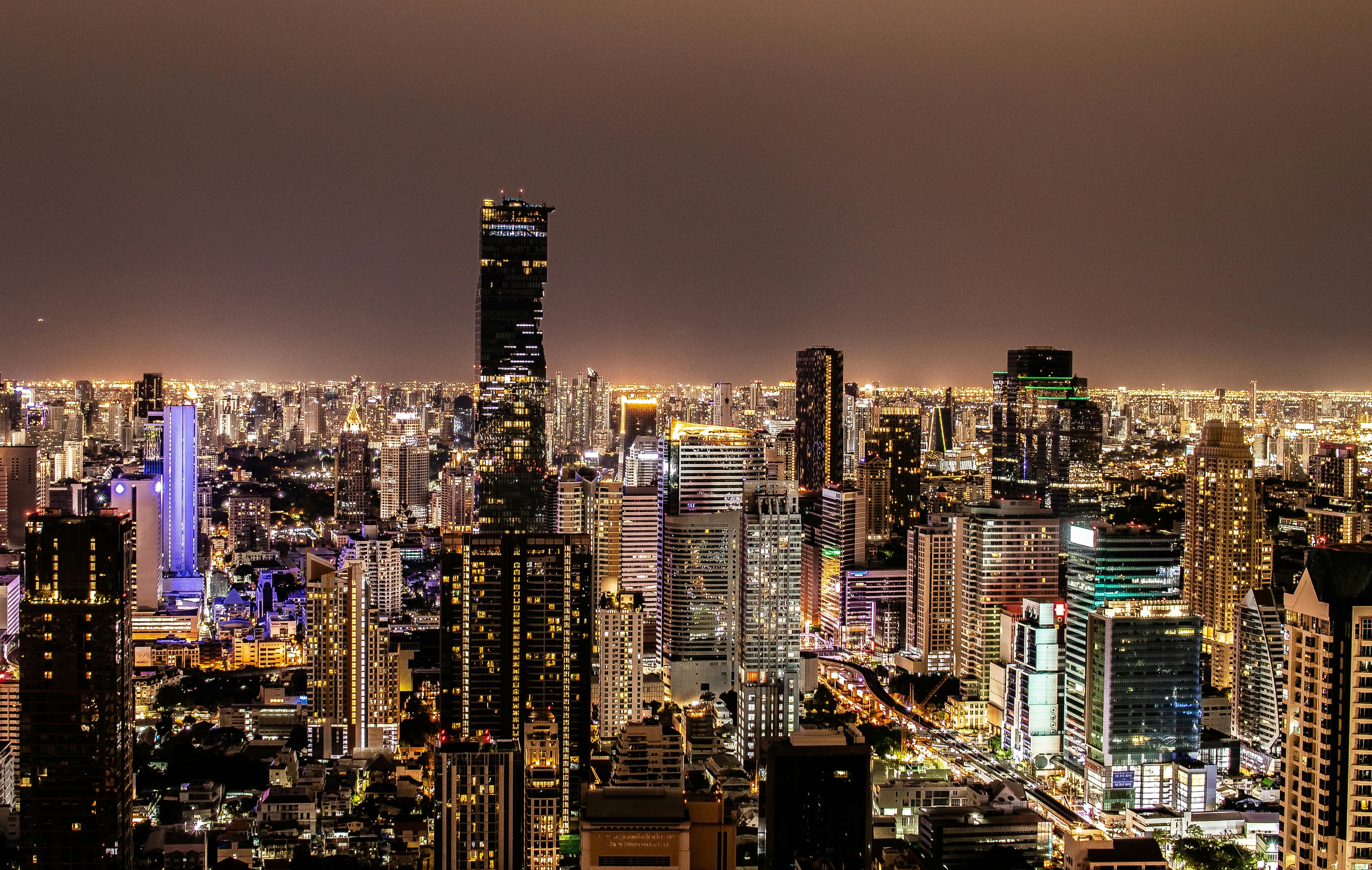
Bangkok was the most visited city globally in 2024 (Mastercard Global Destinations Index, 32+ million international arrivals), beating Paris, Dubai, and London. Founded as Krung Thep ("City of Angels") in 1782 by King Rama I, the city blends 13th-century Theravada Buddhism with 21st-century skyline. The official ceremonial name is the longest place name in the world (169 characters in Thai). Today: 11 million people in the metro area, BTS Skytrain and MRT moving 1.5M passengers daily, 400+ Buddhist temples (wats), Chatuchak Weekend Market with 15,000+ stalls, and street food culture so dense it's under UNESCO Intangible Heritage evaluation. The vibe: open, friendly, dramatically cheaper than Tokyo, more chaotic but more forgiving for first-time Asia travelers.
Cultural Depth
Senso-ji vs Wat Arun: Two Approaches to the Sacred
Tokyo: Senso-ji & Meiji Jingu
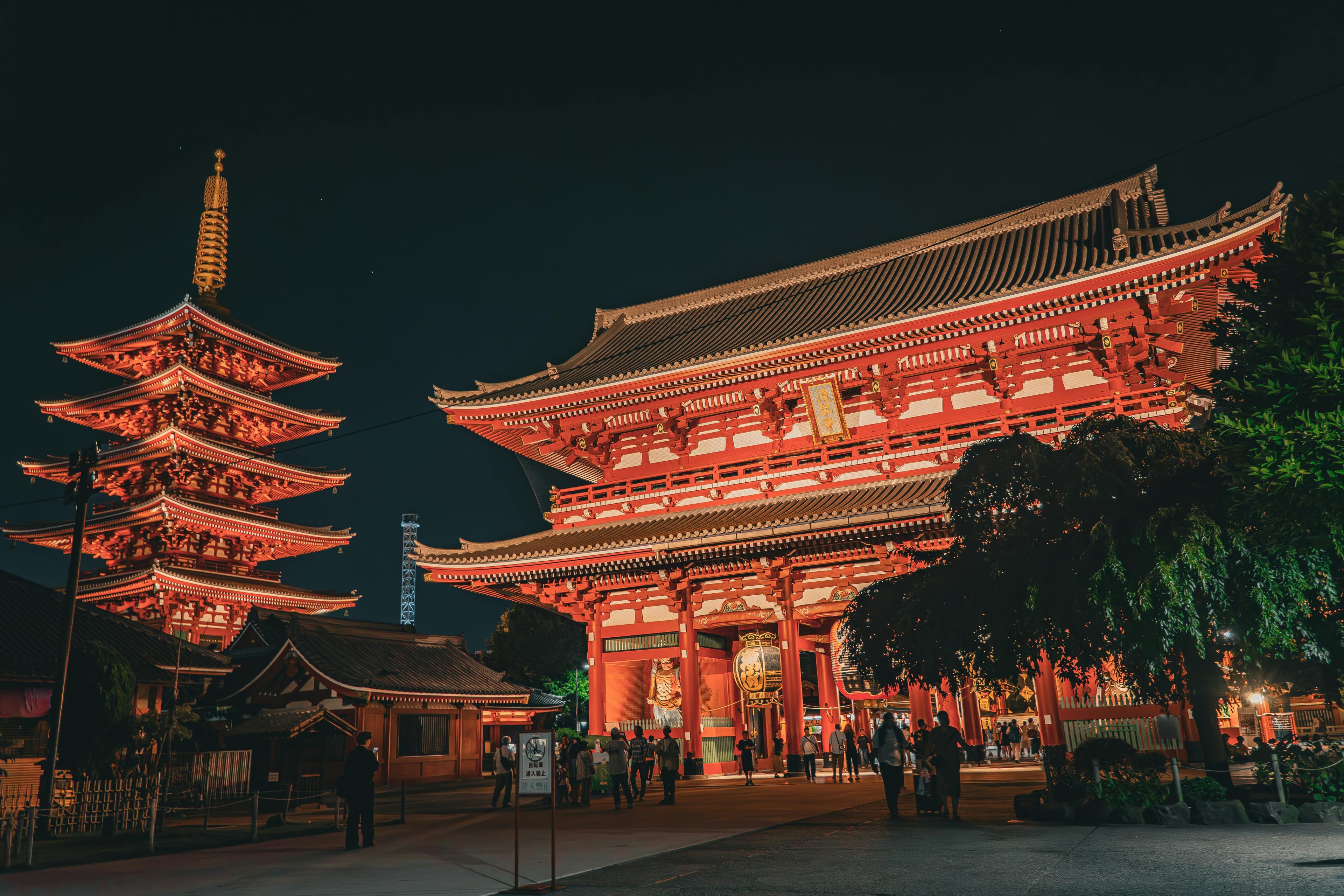
Senso-ji in Asakusa is Tokyo's oldest temple (founded 645 AD) — Buddhist tradition framed by Tokyo Skytree on the horizon. Meiji Jingu Shrine sits in 70 hectares of forest right beside Harajuku's neon. Tokyo's sacred sites are zen, quiet, and integrated into modern life — you slip from Akihabara electronics to a centuries-old temple in 15 minutes by metro. Cultural pace: meditative, restrained, demands silence.
Bangkok: Wat Arun & Grand Palace
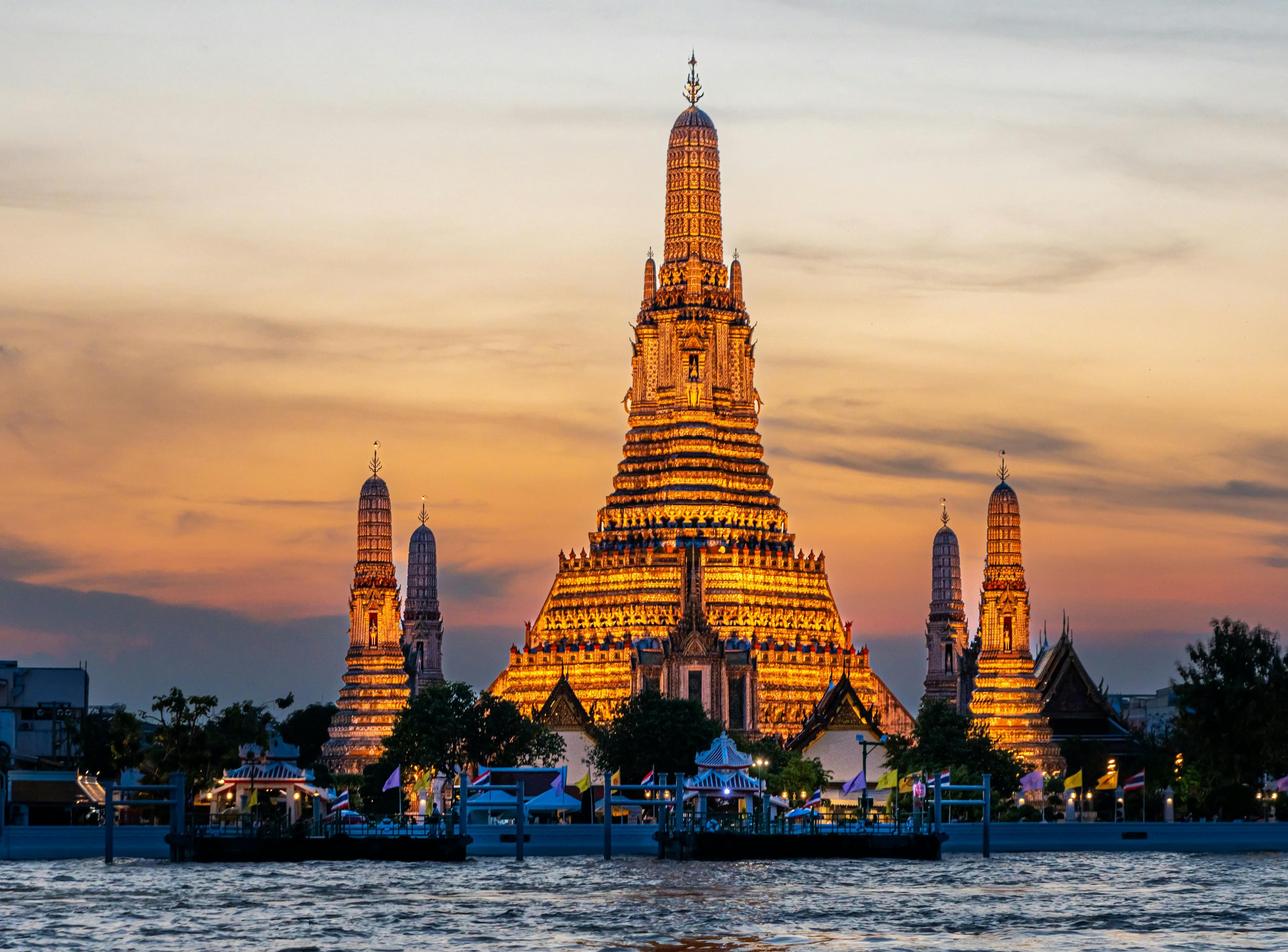
Wat Arun (Temple of Dawn) is Bangkok's 19th-century Khmer-style icon — porcelain spires gleaming over the Chao Phraya river at sunset. The Grand Palace complex (built 1782) houses the Emerald Buddha, the most sacred image in Thailand. Wat Pho features the 46-meter reclining Buddha. Bangkok's sacred sites are vibrant, ornate, alive with daily worship — you participate, you don't just observe. Cultural pace: ceremonial, expressive, demands engagement.
Honest Reframe
Tokyo asks you to slow down and notice. Bangkok asks you to speed up and feel.
Both cities are world-class. The choice isn't about which has better food, better temples, better nightlife — both deliver in every category. The choice is about which urban philosophy matches your current need: high-touch refinement that rewards attention (Tokyo), or high-energy intensity that rewards openness (Bangkok). The traveler profiles below cut through generic comparisons.
Get YOUR Personalized Verdict →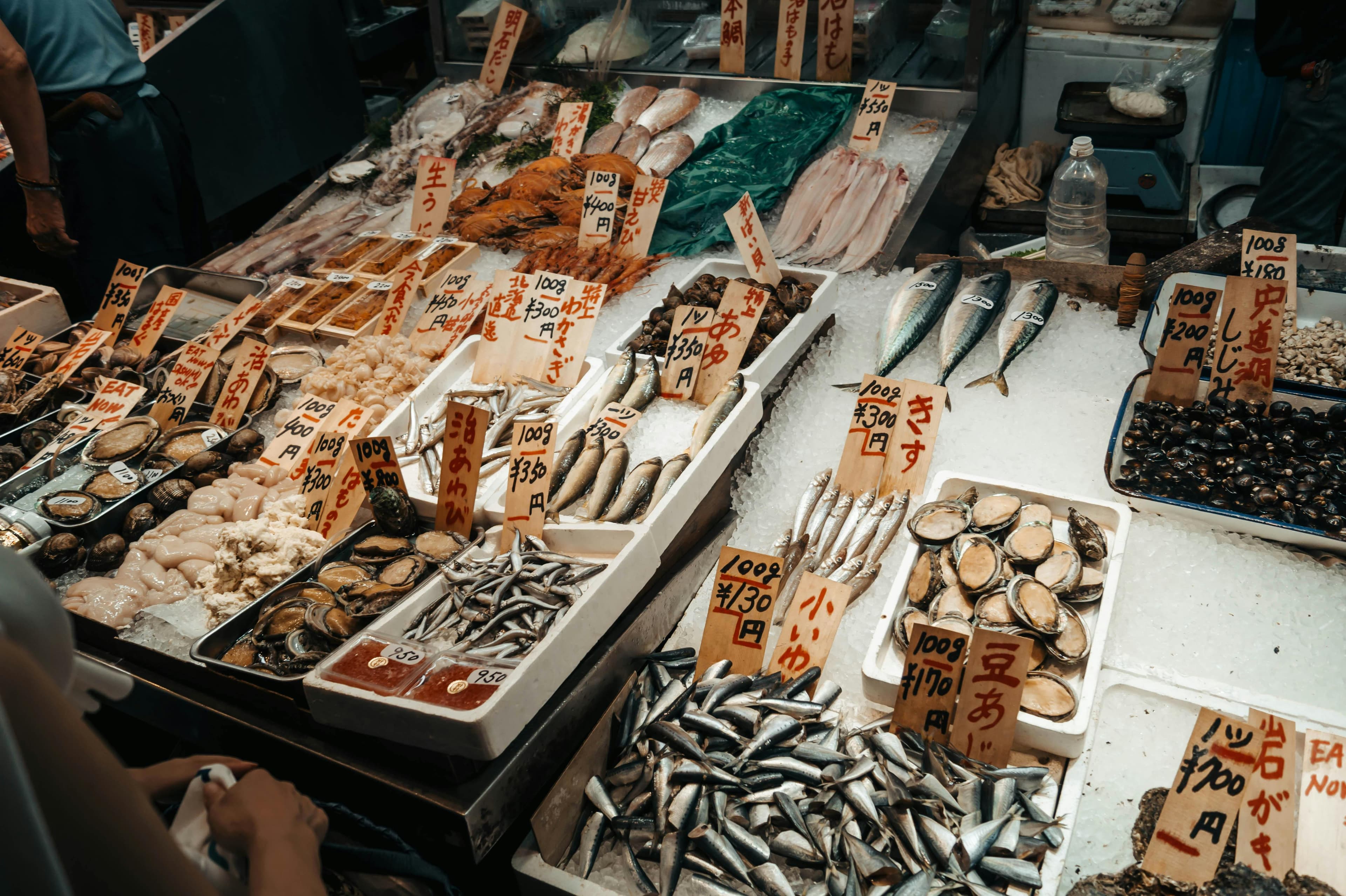
Food Culture: Michelin vs Street
Tokyo holds 200+ Michelin stars — more than Paris and New York combined. This is ingredient obsession at the planetary scale. Sukiyabashi Jiro, Sushi Saito, Den, and Quintessence are pilgrimages. Ramen has 4 regional schools (Tonkotsu Hakata, Shoyu Tokyo, Miso Sapporo, Shio Hakodate). Tsukiji Outer Market opens at 5 AM for the freshest sushi breakfast on Earth. Average meal cost: $5-10 konbini, $15-25 ramen shop, $40-100 quality sushi, $200+ kaiseki tasting menu.
Bangkok is the global capital of street food — UNESCO is currently evaluating Thai street food culture for Intangible Heritage status. Pad thai $2 from a sidewalk cart. Som tam $1.50. Tom yum $3. Boat noodles $1. Bangkok also holds 28+ Michelin stars including Gaggan (modern progressive), Sühring (Thai-German fusion), and Le Du. Average meal: $1-3 street, $5-10 sit-down, $20-40 nice restaurant, $150-300 high-end tasting. Bangkok wins on variety and dollar value; Tokyo wins on ingredient refinement.
After Dark
Nightlife: Golden Gai vs Rooftop Sky Bars
Tokyo: Intimate, Refined, Expensive
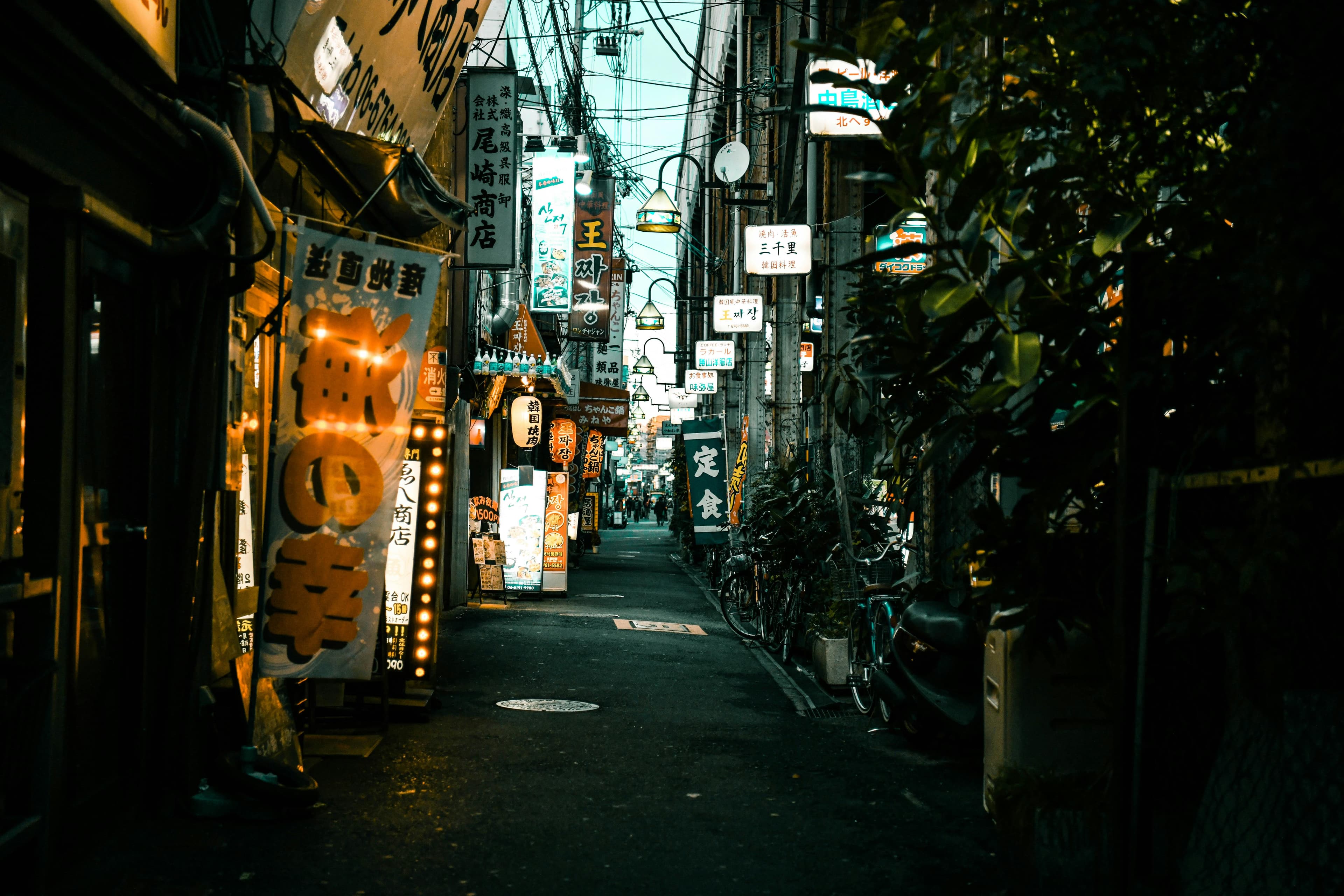
Tokyo nightlife is small spaces and high precision. Golden Gai in Shinjuku has 200+ tiny bars (some sit only 4 people) in 6 narrow alleys. Ginza's exclusive cocktail bars charge ¥3,000-8,000 per drink. Ebisu and Daikanyama host elegant izakaya. Roppongi delivers expat clubs. Karaoke boxes everywhere.
Average cost: $15-25/drink in nice bars, $50-150/night out. Cover charges (otoshi) common.
Bangkok: Open, Energetic, Affordable
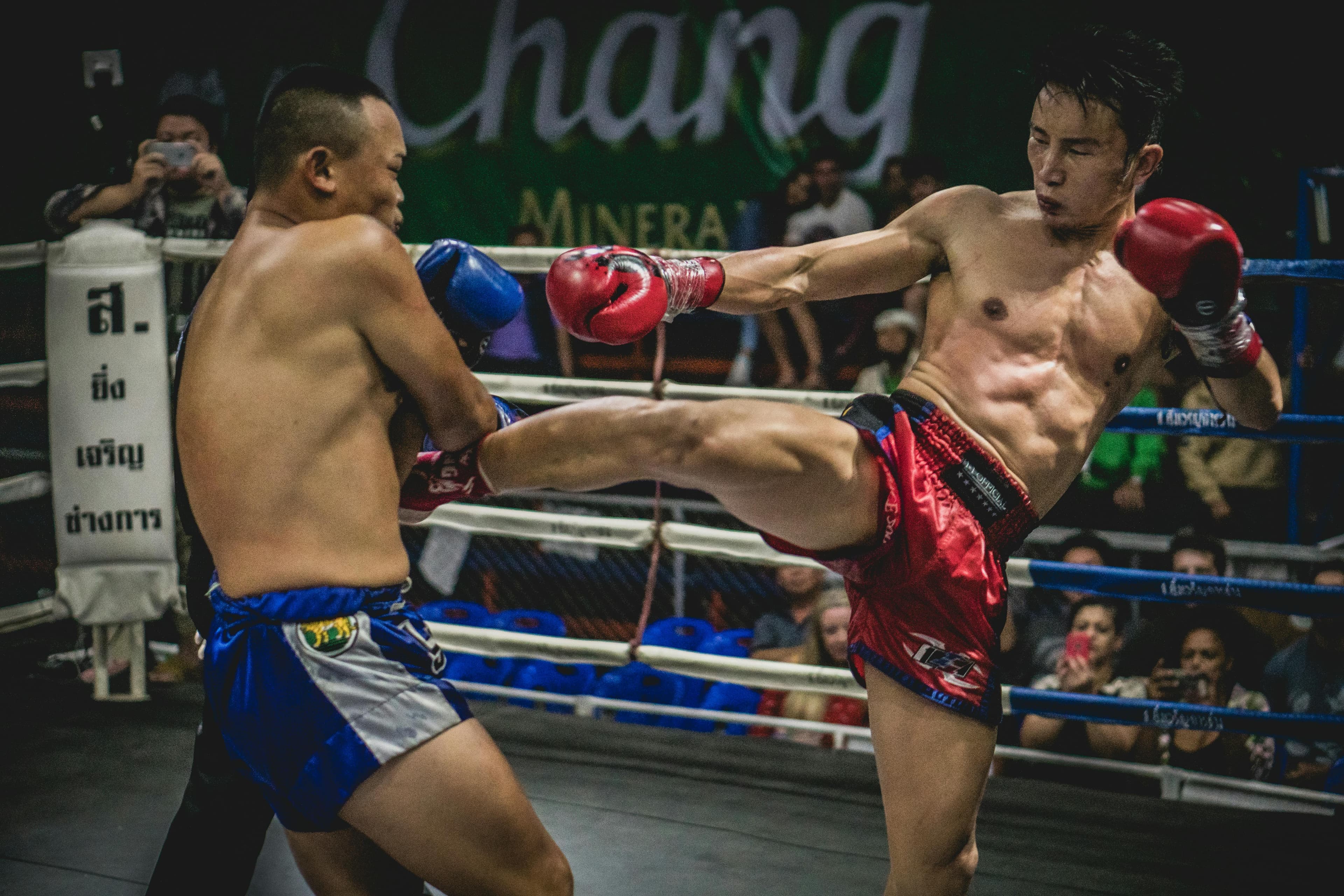
Bangkok nightlife is expansive. Sky Bar at Lebua, Octave at Marriott Sukhumvit, and Vertigo at Banyan Tree offer skyline rooftop views. Khao San Road delivers backpacker chaos. Thonglor hosts sophisticated speakeasies. Soi Cowboy is the iconic neon strip. Lumpinee and Rajadamnern stadiums host Muay Thai 3-4 nights/week.
Average cost: $5-15/drink in nice bars, $20-60/night out. Muay Thai tickets $30-80.
Shopping & Markets
Akihabara vs Chatuchak: Different Worlds
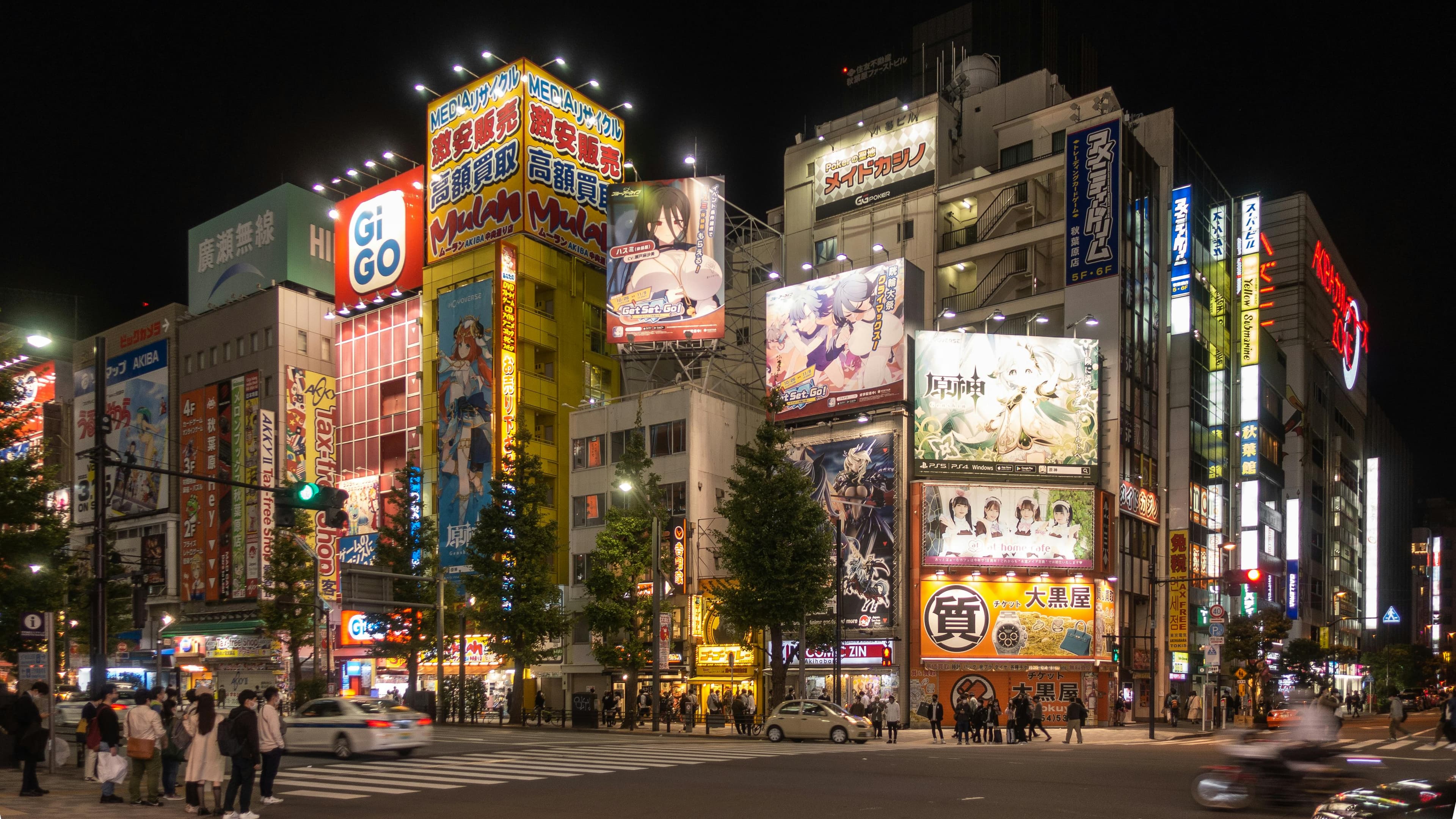
Tokyo: Curated, Premium, Hyper-Specialized
Tokyo's shopping is hyper-specialized neighborhoods. Akihabara: 7-floor electronics megastores and anime/manga (Mandarake, Don Quijote). Ginza: luxury (Hermès, Mitsukoshi flagship since 1673). Harajuku: street fashion and youth subcultures. Shibuya: trend-setting fashion (Shibuya 109). Tsukiji Outer Market: kitchen tools and dried goods. Quality is exceptional, prices premium.
Best for: electronics, anime/manga, premium fashion, kitchen knives, beauty products.
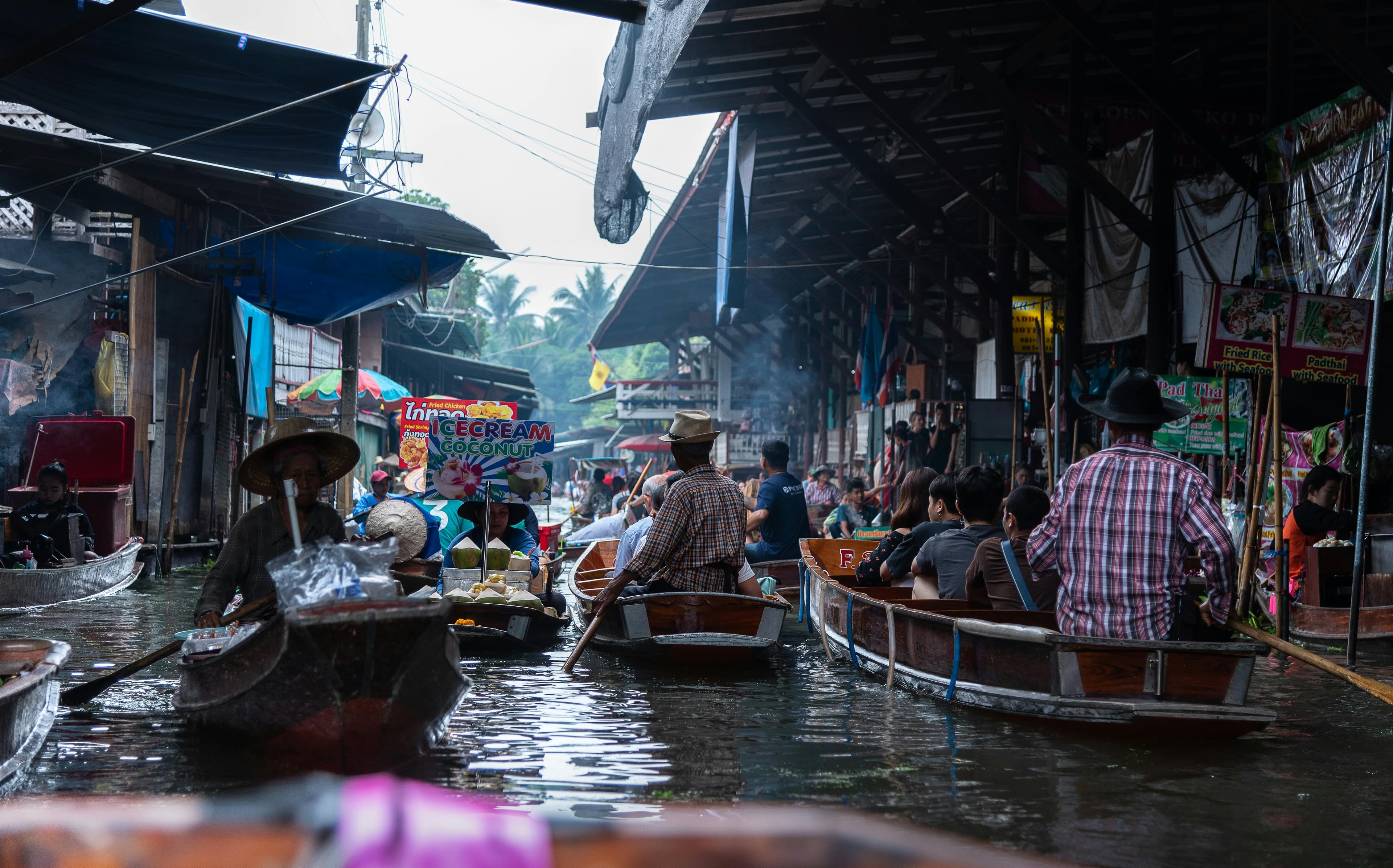
Bangkok: Massive, Cheap, Endless Variety
Bangkok's shopping is volume and variety. Chatuchak Weekend Market: 15,000+ stalls — largest weekend market in Asia, 200,000+ daily visitors. MBK Center: 8 floors of budget shopping and electronics. Asiatique: riverside night market. ICONSIAM: luxury mall on the river. Damnoen Saduak: traditional floating market 1.5h outside city. Bargaining expected, prices 60-80% lower than Tokyo equivalents.
Best for: clothing, souvenirs, handicrafts, accessories, street food, experience itself.
🛂 Logistics 2026 — Updated May
Visa, TDAC & Exit Tax: What Changed in 2026
Most travel guides are running outdated 2024-2025 data. Here's what actually matters for 2026 trips, verified May 2026.
Tokyo (Japan) Entry
Visa-free 90 days for US, EU, UK, Canada, Australia, NZ. No application needed.
NEW 2026: Exit tax tripled from ¥1,000 to ¥3,000 (~$20 USD), automatic on airline tickets.
Coming 2028: JESTA electronic authorization mandatory. Pilot late 2026 — voluntary for now.
Bangkok (Thailand) Entry
Visa-free 60 days for 93 nationalities (extended from 30 in mid-2024).
MANDATORY 2025+: TDAC (Thailand Digital Arrival Card) — free, online up to 72h pre-arrival.
Update 2026: Proposed 300 baht entry fee remains POSTPONED — not in force.
Money & Transport
Tokyo metro: Suica/Pasmo card recommended ($1.50-3.00/ride). Yen weak 158-160 JPY/USD.
Bangkok BTS/MRT: Rabbit card or contactless ($0.50-1.50/ride). Baht stable 34-36 THB/USD.
Tokyo-Bangkok flight: 6 hours direct, $300-500 round trip standalone.
The Honest Verdict
Who Should Choose Tokyo, Who Should Choose Bangkok
First-time Asia traveler
BangkokChoose Bangkok for your first Asia trip. Lower prices buffer mistakes (a wrong tour booking in Bangkok costs $30, in Tokyo $150). Service culture is warmer and more forgiving. English is more common in tourist zones (Sukhumvit, Silom). Food is more accessible to Western palates initially. Save Tokyo for trip number 2 when you appreciate refinement and have grown your Asia confidence.
Bangkok 2-Hour Walking Tour From €19 →Foodie obsessed (highest priority is food)
TokyoTokyo wins for ingredient quality and refinement. 200+ Michelin stars (more than Paris+NYC combined), sushi at its origin, ramen regional schools, kaiseki tradition, A5 wagyu. The single best food city on Earth by most chef polls. Bangkok delivers staggering variety per dollar (28+ Michelin stars + UNESCO street food culture) but for pure ingredient depth, Tokyo is unmatched. Foodies should ideally visit both — Tokyo for refinement, Bangkok for intensity.
Tokyo Tsukiji Market Food Tour From €13 →Cultural depth & history seeker
Tied — different depthsTokyo offers integrated tradition: Senso-ji temple beside Tokyo Skytree, Meiji Shrine inside the city forest, kabuki theater in Ginza, sumo tournaments at Ryogoku Kokugikan. Pace is meditative. Bangkok offers vibrant tradition: 400+ Buddhist temples actively used for daily worship, Grand Palace (1782), Wat Pho reclining Buddha (46m), Wat Arun. Pace is ceremonial. Both world-class — choose Tokyo for integrated zen culture, Bangkok for living Buddhist tradition.
TeamLab Planets Tokyo Tickets →Budget traveler (under $80/day)
BangkokChoose Bangkok decisively. At $80/day in Bangkok you eat well at sit-down restaurants in Sukhumvit, stay at 3-star Silom hotels, take BTS plus occasional taxis, do 1-2 paid activities daily. At $80/day in Tokyo you sleep in capsule hotels or hostels in Asakusa, eat konbini meals, use only metro, skip most paid attractions. Same number on the budget line, completely different quality of trip. If your budget is below $100/day, Tokyo will feel restrictive.
Bangkok Budget Walking Tour From €19 →Nightlife & entertainment seekers
Depends — different vibesTokyo for sophisticated nightlife: Golden Gai's 200+ tiny bars, Ginza's exclusive cocktail counters, Roppongi clubs, karaoke boxes. Vibe is intimate, refined, expensive ($50-150/night). Bangkok for expansive nightlife: rooftop bars with skyline views (Sky Bar, Octave, Vertigo), Khao San backpacker chaos, Thonglor speakeasies, Muay Thai stadium nights, Soi Cowboy neon. Vibe is open, energetic, dramatically cheaper ($20-60/night). Bangkok wins for variety and value; Tokyo wins for refinement.
Phi Phi Day Trip From Phuket From €50 →Decision Engine
Still uncertain? Get a personalized worth-it score for your exact profile
See how Tokyo and Bangkok rank against each other based on YOUR budget, dates, and travel style — plus comparison against Hanoi, Singapore, and Seoul. 30 seconds, no email required to see results.
Get Your Worth-It Score →People Also Ask
Frequently Asked Questions
Is Bangkok cheaper than Tokyo in 2026?
Yes, dramatically. Bangkok mid-range averages $60-100/day versus Tokyo $140-230/day — Tokyo is 50-57% more expensive. Backpackers spend $25-40/day in Bangkok versus $75-100/day in Tokyo (Tokyo 60-66% pricier). The biggest gaps: hotels (Bangkok mid-range $40-80/night vs Tokyo $95-160), street food (Bangkok $1-3/meal vs Tokyo $5-10 konbini), and transport (Bangkok BTS $0.50-1.50 per ride vs Tokyo metro $1.50-3.00). Tokyo wins on infrastructure efficiency; Bangkok wins on dollar value.
Should first-time Asia travelers visit Bangkok or Tokyo?
Both work, but for different mental modes. Bangkok offers warmer service culture, easier English in tourist zones, lower prices to absorb mistakes, and faster sensory immersion — ideal for first-time Asia. Tokyo offers near-perfect infrastructure, exceptional safety, refined cultural depth, but demands more attention to etiquette and higher prices. Most first-timers choose Bangkok as introduction (easier curve, more forgiving) and save Tokyo for trip number 2 when they appreciate refinement and have more disposable budget.
How long do I need in Bangkok vs Tokyo?
Tokyo needs 4-5 days minimum to cover Shibuya/Shinjuku/Asakusa neighborhoods plus a Mt Fuji or Kamakura day trip. Less feels rushed because Tokyo rewards exploration. Bangkok can be done in 3-4 days covering Grand Palace, Wat Pho, Wat Arun, Chatuchak Market, Khao San Road, plus a floating market day trip. For combined Asia trips: 5 days Tokyo + 4 days Bangkok works perfectly. Both cities serve as launchpads — Tokyo for Kyoto/Osaka (Shinkansen), Bangkok for Chiang Mai (overnight train) or southern islands (1h flight).
Bangkok or Tokyo for nightlife in 2026?
Different nightlife universes, both world-class. Tokyo offers refined nightlife: Golden Gai's 200+ tiny bars in Shinjuku (some sit 4 people), elegant izakaya in Ebisu, exclusive ¥30,000+ cocktail bars in Ginza, anime karaoke in Shibuya. Vibe is intimate, sophisticated, often expensive. Bangkok offers expansive nightlife: rooftop bars (Sky Bar, Octave) with skyline views, Khao San Road backpacker chaos, Soi Cowboy, Thonglor sophisticated speakeasies, Muay Thai matches at Lumpinee Stadium. Vibe is open, energetic, dramatically cheaper — a $15 Bangkok rooftop cocktail equals a $40 Tokyo bar.
Bangkok vs Tokyo for food culture: which has better cuisine?
Different philosophies, both legendary. Tokyo holds 200+ Michelin stars (more than Paris and New York combined) with refined ingredient-focused cuisine — sushi at Sukiyabashi Jiro, tonkotsu ramen schools (Ippudo, Ichiran), kaiseki, A5 wagyu yakiniku. Average meals: $5-10 konbini, $15-25 ramen, $40-100 sushi, $200+ kaiseki. Bangkok holds 28+ Michelin stars and is the global capital of street food — pad thai at $2, som tam at $1.50, tom yum at $3, plus refined contemporary Thai at Gaggan or Le Du. Bangkok wins for variety per dollar; Tokyo wins for ingredient refinement.
When is the best time to visit Bangkok and Tokyo?
Tokyo: late March to early April for cherry blossom (sakura), or mid-November for autumn foliage (koyo). Spring 13-22°C, autumn 10-20°C. Avoid June-July rainy season and August humidity (32-35°C). Bangkok: November to February (cool dry season, 24-32°C, low humidity). Avoid March-May (hot season, 35-40°C) and June-October (monsoon). Sweet spot for combined trip: November-December (both cities in their best season simultaneously) or late March (sakura Tokyo + Bangkok still cool). Avoid August (Tokyo humid + Bangkok monsoon = worst combination).
What is the visa situation for Bangkok and Tokyo in 2026?
Tokyo (Japan): 90 days visa-free for US, EU, UK, Canada, Australia, NZ citizens. Exit tax tripled in 2026 from ¥1,000 to ¥3,000 (~$20), automatically added to airline tickets. JESTA electronic authorization launches pilot late 2026, mandatory 2028. Bangkok (Thailand): 60 days visa-free for 93 nationalities (extended from 30 days mid-2024). TDAC (Thailand Digital Arrival Card) mandatory since May 2025 — free, completed online up to 72h pre-arrival. The proposed 300 baht entry fee remains POSTPONED in 2026, not in force. Overstay: 500 baht/day, max 20,000 baht.
Is Tokyo safer than Bangkok for solo travelers?
Tokyo is statistically among the safest megacities in the world — violent crime is exceptionally rare, lost wallets routinely returned, late-night solo travel is unproblematic anywhere. Bangkok is generally safe for tourists but requires situational awareness: tuk-tuk and gem shop scams target tourists in temple areas, traffic accidents are a real risk (Thailand has high road death rates), petty theft in crowded markets. Both are safer than most Western capitals. Solo female travelers report Tokyo as the most comfortable Asian capital; Bangkok as comfortable in tourist zones but requiring more street smarts in nightlife districts.
Can you combine Bangkok and Tokyo in one trip?
Yes, and it works well with 14+ days. Bangkok-Tokyo direct flights take 6h, costing $300-500 round trip if booked separately or $50-150 within a multi-stop ticket. Recommended split: 5 days Tokyo (covers neighborhoods + Mt Fuji day trip) followed by 5-7 days Thailand (Bangkok 3 days + Chiang Mai or southern islands 4 days). Climate logic: do Tokyo first if traveling November-March, Thailand first if April-October. Both cities have excellent international airports (Narita/Haneda Tokyo, BKK Bangkok) with good connections to each other and to home.
Bangkok or Tokyo for shopping and markets?
Different shopping experiences. Tokyo specializes in: Akihabara for electronics and anime/manga (Mandarake, Don Quijote), Harajuku for street fashion and youth culture, Ginza for luxury (Hermès, Louis Vuitton, Mitsukoshi department store), and Tsukiji Outer Market for kitchen tools and dried goods. Bangkok specializes in: Chatuchak Weekend Market (15,000+ stalls — largest weekend market in Asia), MBK Center for budget shopping and electronics knockoffs, Asiatique riverside night market, ICONSIAM luxury mall, and Damnoen Saduak floating market for the experience. Bangkok is dramatically cheaper across all categories; Tokyo is the global capital of curated retail.
Continue Exploring
More Asia Comparisons
Where to Stay
Find Your Hotel — Tokyo or Bangkok
⛩ Tokyo
Stay in Shibuya for nightlife, Shinjuku for accessibility, Asakusa for traditional vibe, or Ginza for luxury. Mid-range $95-160/night.
Tokyo Hotels →🌴 Bangkok
Stay in Sukhumvit for nightlife and shopping, Silom for business, Khao San for backpackers, or Riverside for luxury. Mid-range $40-80/night.
Bangkok Hotels →You now have the verified picture.
Tokyo delivers refinement at premium cost. Bangkok delivers intensity at fraction of the price. Both are world-class megacapitals — the question is which urban philosophy matches who you are right now.
Get your verdict in 30 seconds. The Decision Engine compares Tokyo and Bangkok against your specific profile — budget, travel dates, travel style — and ranks them honestly with a worth-it score.
Try the AI Decision Engine →100% real data · No opinions · No sponsored results · Always free