Kyoto whispers what Tokyo shouts. The question is whether you can hear it.
For 1,000 years Kyoto was Japan\u2019s imperial capital (794-1868 AD). When Tokyo took the crown in 1868, Kyoto kept the soul — 17 UNESCO World Heritage sites, 1,600 Buddhist temples, 400 Shinto shrines, and the only living geisha culture left on Earth. This guide covers the 7 experiences that genuinely deliver in 2026. Verified prices in USD. Honest crowd warnings. Cultural context most blogs skip.
Still deciding if Kyoto is right for your trip? Get a Worth-It Score in 30 seconds.
Get Your Kyoto Verdict →30 seconds · 100% real data · No sponsored opinions
Why Kyoto Still Matters
The Capital That Refused to Die
Tokyo destroyed most of its pre-war architecture in WWII bombing and Showa-era development. Kyoto was famously spared by US Secretary of War Henry Stimson, who had honeymooned there. The result: a city where you can still walk Heian-era streets, visit temples that look identical to 1397, and experience an aesthetic philosophy (wabi-sabi — beauty in imperfection) foundational to Japanese identity.
This is why travellers who skip Kyoto and only do Tokyo report regret more than any other Japan trip mistake. You can see Tokyo\u2019s shopping and skyscrapers anywhere in the world — Kyoto only exists once.
During cherry blossom season (late March to early April) and autumn foliage peak (mid-November), Kyoto accommodation can DOUBLE — sometimes surpassing Tokyo prices. A $130/night hotel in February becomes $260+ during sakura. Book 3-6 months ahead for these windows or stay in Osaka and commute (15 min by train).
Quick reality check
Japan averages $130-230/day mid-range. Vietnam delivers similar quality at $75/day. Thailand at $90/day. Is Japan worth the premium for YOUR profile?
Compare Japan vs SE Asia →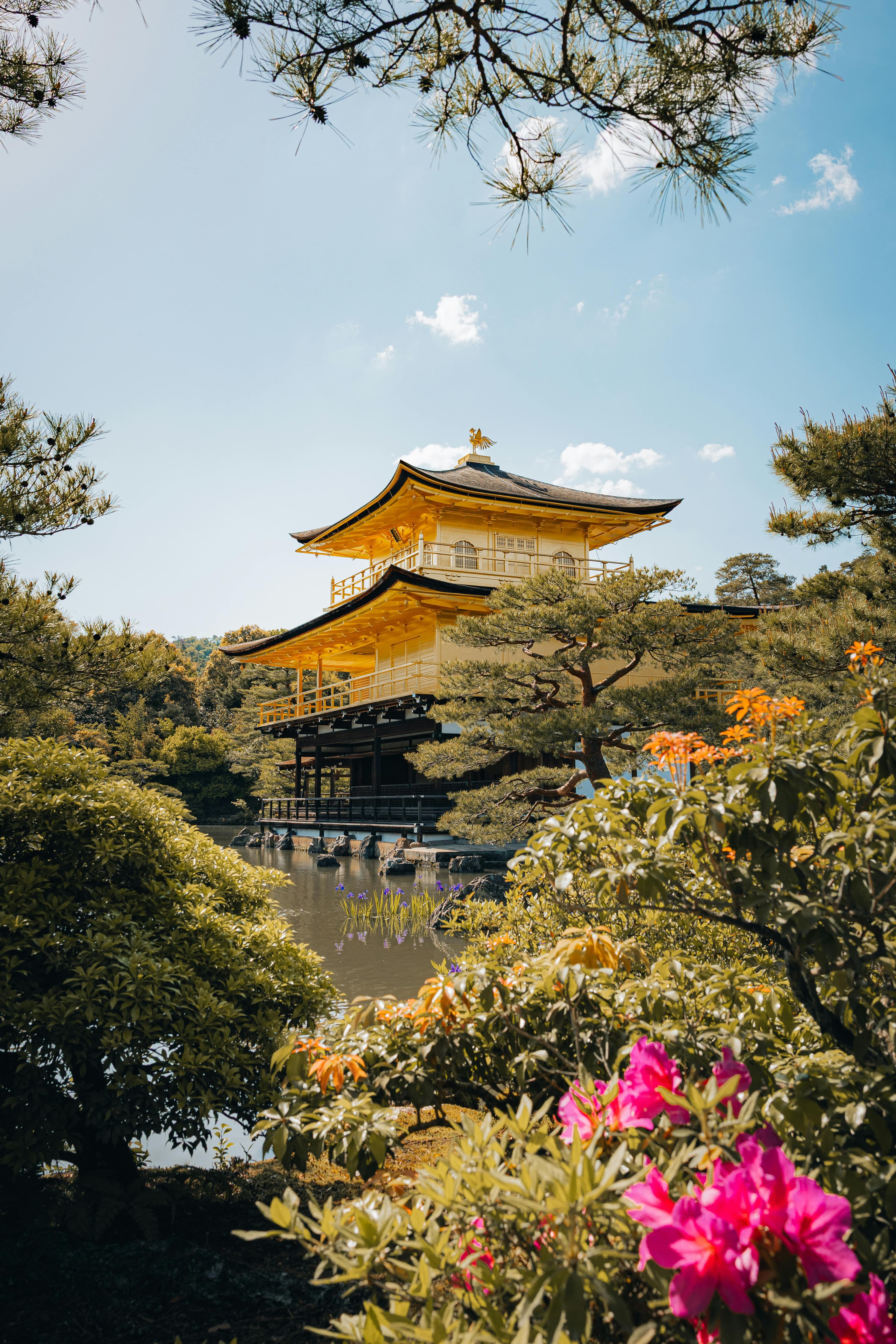
The Golden Pavilion
A three-story Zen temple covered entirely in gold leaf, reflected on Mirror Pond. Built in 1397 as Shogun Yoshimitsu\u2019s retirement villa, converted to temple after his death. Burned down in 1950 by a fanatic monk and rebuilt in 1955 — the gold you see today is technically modern but the design is original Muromachi era. Each floor represents a different architectural style: Heian aristocratic at base, samurai Bukke style middle, Chinese-inspired Zen at top.
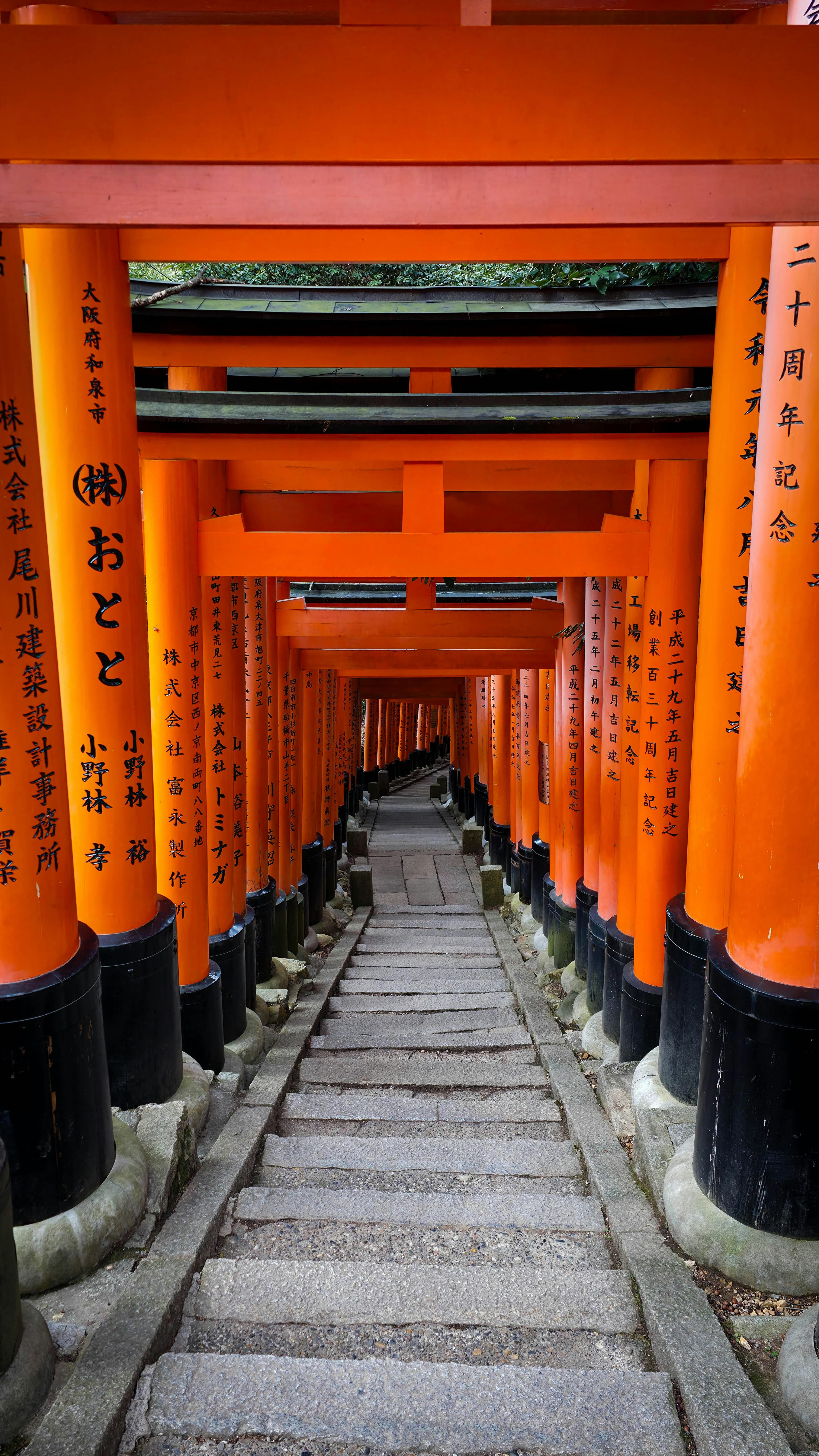
Fushimi Inari Thousand Torii
Over 10,000 vermillion torii gates winding up Mount Inari, donated by businesses since 711 AD as offerings to Inari, the Shinto god of rice and prosperity. The hike to the summit takes 2-3 hours round trip covering 4.5 km with 168m elevation. Most visitors only see the lower 200 gates — the magic starts after the Yotsutsuji intersection halfway up where 90% of crowds turn back. Foxes (kitsune) statues throughout the shrine are Inari\u2019s messengers, often holding keys to rice granaries in their mouths.
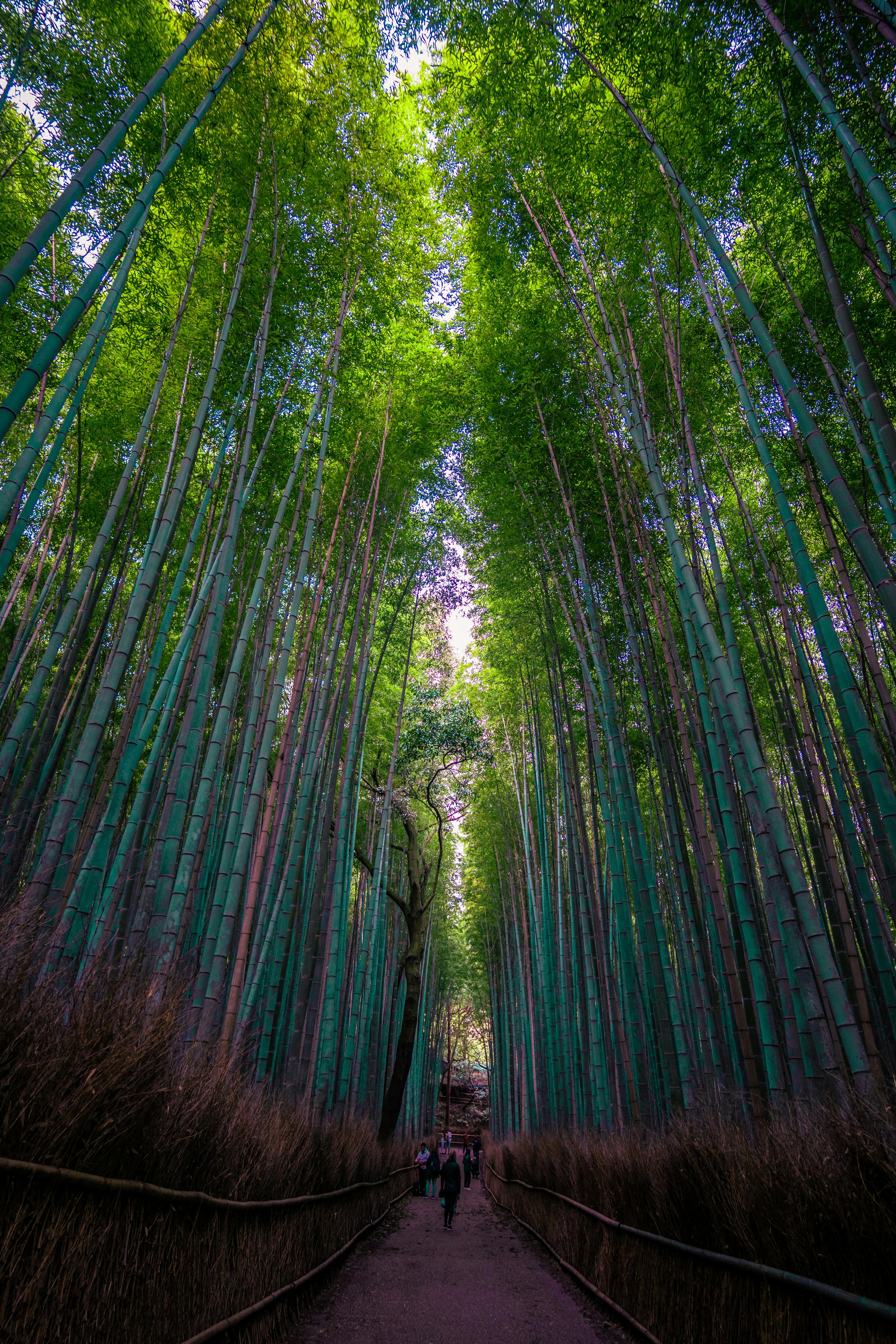
Arashiyama Bamboo Grove
A 500-meter pathway through towering bamboo stalks reaching 20+ meters high. Officially recognized by the Japanese Ministry of Environment as one of the country\u2019s "100 Soundscapes" — the wind through the bamboo creates an almost otherworldly natural music. Combine with Tenryu-ji temple ($5 USD entrance, UNESCO Zen garden) and the Iwatayama Monkey Park nearby for a perfect half-day. The Togetsukyo "Moon Crossing" bridge is the iconic photo spot.
Honest Reframe
Some travellers love Kyoto\u2019s slow pace. Others get bored by day 2.
Get an honest verdict based on what you actually like — temples and tea ceremonies, or modern energy and food variety. Travelens compares Kyoto against Tokyo, Osaka, and other Asian destinations for YOUR profile in 30 seconds.
Try the Decision Engine →Gion — The Last Geisha District
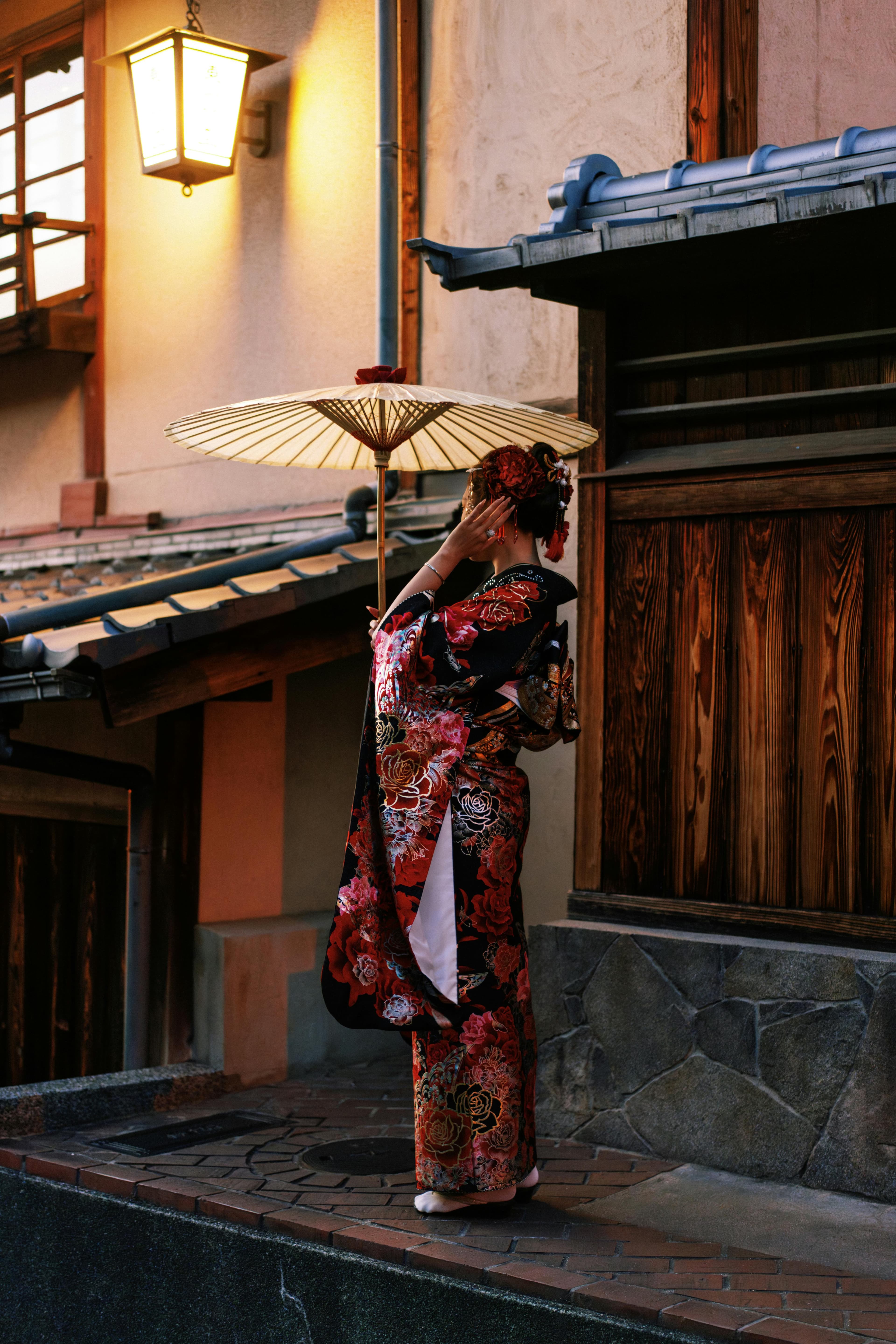
Kyoto\u2019s geisha district preserves a 400-year-old tradition that exists nowhere else on Earth. Walk Hanamikoji Street between 5-7 PM and you may glimpse a real geiko (Kyoto term for geisha) or maiko (apprentice) hurrying to their evening appointments at the ochaya tea houses. The wooden machiya houses, lantern-lit alleys, and preserved Edo-era architecture transport you to feudal Japan instantly. Only ~1,000 active geiko remain in Japan, virtually all in Kyoto.
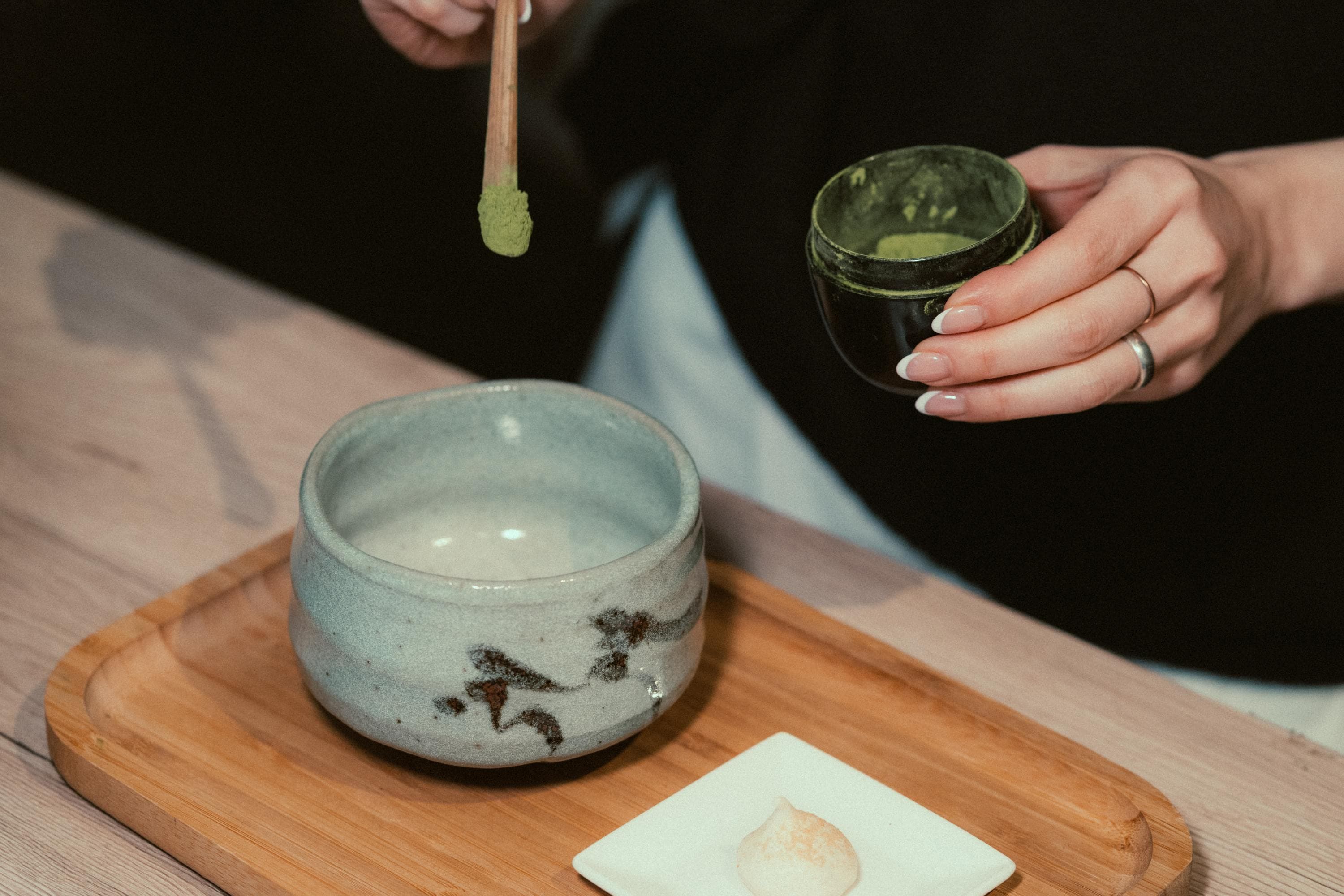
Authentic Tea Ceremony (Chado)
Tea ceremony (chado, "the way of tea") is not just drinking matcha — it is a 500-year-old Zen Buddhist meditation practice elevated to art. A proper ceremony involves precise movements, seasonal aesthetics, hand-built ceramics, and silent contemplation. Kyoto is the birthplace of chado tradition under tea master Sen no Rikyu in the 16th century. Every gesture has meaning. Every utensil has history. The 60-90 minutes feel like hours — in the best way.
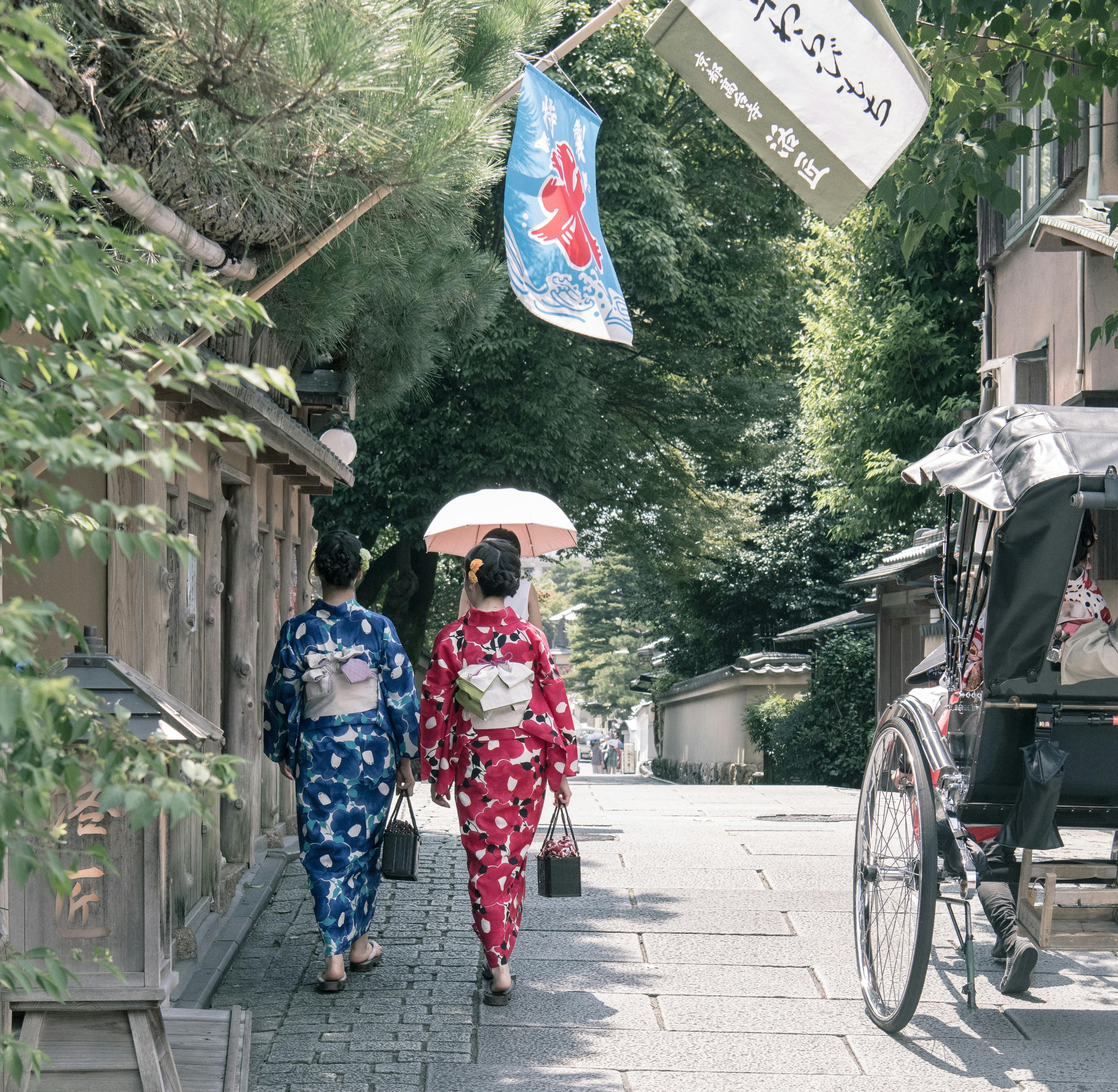
Kimono Rental + Higashiyama Walk
Rental shops near Kiyomizu-dera and Yasaka Shrine offer full kimono dressing (including obi belt, hair styling, traditional sandals) for the entire day. Walk through Higashiyama\u2019s preserved Edo-period streets — Sannenzaka, Ninenzaka, and the back lanes around Kodai-ji temple — feeling like a Heian-era courtier. Many Japanese visitors wear kimono here too, so you blend in respectfully. The photos in these traditional streets are the ones you will keep forever.
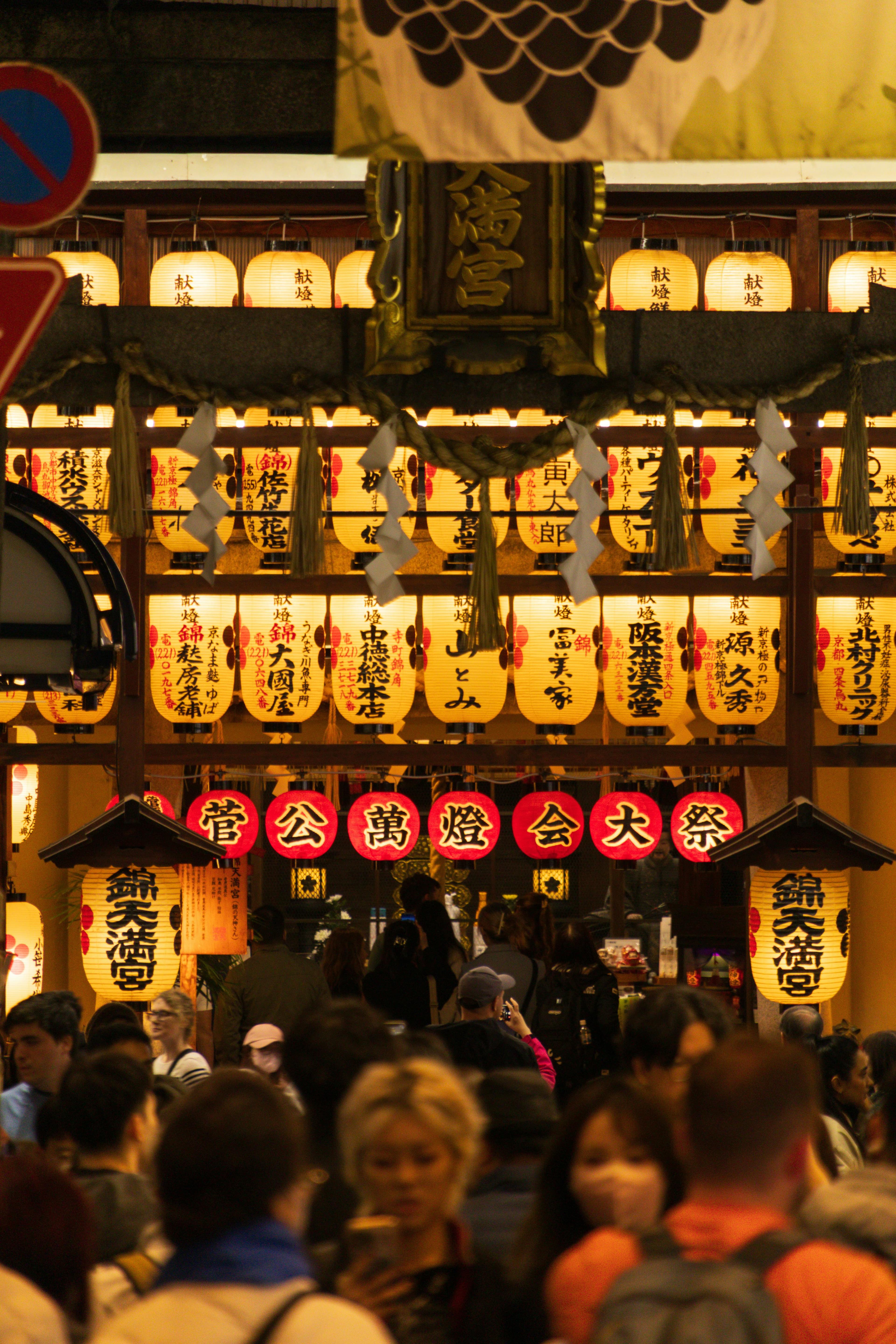
Nishiki Market — Kyoto\u2019s Kitchen
A 400-year-old covered market stretching 5 blocks in central Kyoto. Locals call it "Kyoto no daidokoro" (Kyoto\u2019s kitchen). 100+ stalls selling pickled vegetables (tsukemono), fresh tofu and yuba (tofu skin), matcha sweets, tako-tamago (octopus on a stick with quail egg), unagi grilled eel, and seasonal specialties you cannot find elsewhere in Japan. Most stalls offer samples. This is where Kyoto chefs source ingredients for their kaiseki restaurants.
When to Go
Best Time to Visit Kyoto 2026
Spring
✓ Cherry blossoms peak Mar 27-Apr 5
! Most crowded + expensive
Summer
✓ Gion Matsuri festival in July
! Hot 32°C+ and humid
Autumn
✓ Foliage peak Nov 21-30
! Second peak season crowds
Winter
✓ Snow on Kinkaku-ji, no crowds
! Cold 5°C, some closures
Where to Stay
Where to Base Yourself in Kyoto
Higashiyama / Gion
Best for: First-timers wanting cultural immersion + walking distance to Kiyomizu-dera
Consider: More expensive, can be touristy during day
Downtown (Shijo-Karasuma)
Best for: Foodies and shoppers, best transport access, near Nishiki Market
Consider: Less atmospheric than Higashiyama
Near Kyoto Station
Best for: Day-trippers to Osaka/Nara, late arrivals, easy shinkansen access
Consider: Far from temples, modern feel without character
Arashiyama
Best for: Quiet escape, nature lovers, traditional ryokan stays
Consider: Far from central sights, less nightlife/dining
Beyond the City
Best Day Trips from Kyoto
Nara — Sacred Deer City
45 min · $5 USD train. 1,200 free-roaming sika deer in Nara Park (bow to them and they bow back), plus the world\u2019s largest bronze Buddha statue at Todai-ji temple (752 AD). Easy half-day trip.
Osaka — Food Capital
15 min Shinkansen · $10 USD. Street food paradise. Dotonbori at night, takoyaki and okonomiyaki originated here. Polar opposite vibe to Kyoto in a 15-minute train ride. Easy evening trip.
Hiroshima + Miyajima
2h Shinkansen · $90 USD. Peace Memorial Park and the floating torii gate of Miyajima Island. Long day but unforgettable historical impact. Best done as overnight if possible.
Decision Engine
Not sure if Kyoto is YOUR perfect destination?
Compare Kyoto against 50+ Asian destinations based on YOUR travel style, budget, and timing. Get an honest verdict in 30 seconds — no email required to see results.
Get Your Worth-It Score →People Also Ask
Real Traveller Questions
How many days do you need in Kyoto?
Three to four days is the sweet spot for Kyoto in 2026. Two days only covers Kinkaku-ji, Fushimi Inari and Arashiyama at a rushed pace. Four days lets you add Gion at sunset, a tea ceremony, and a Nara day trip without burnout. Add a fifth day if you want to slow down and experience temple stays at Mt Koya or quieter neighbourhoods like northern Higashiyama.
Is Kyoto expensive in 2026?
Kyoto runs around $109/day for mid-range travellers in 2026 — that is roughly 38% cheaper than Tokyo according to BudgetYourTrip data. Most major attractions cost $3-4 USD (Kinkaku-ji ¥500, Kiyomizu-dera ¥500) or are completely free (Fushimi Inari, Arashiyama Bamboo Grove, Gion district). The exception: cherry blossom season (late March to early April) when Kyoto accommodation can DOUBLE.
Whats the best time of year to visit Kyoto?
Late March to early April for cherry blossoms (sakura) and mid-November for autumn foliage are peak seasons. For fewer crowds choose May-June (warm, lush) or January-February (snow on Kinkaku-ji is magical and crowds drop significantly). Avoid June-July rainy season and August humidity. Book 3-6 months ahead for sakura and koyo (autumn) windows.
Can you visit Kyoto from Tokyo as a day trip?
Technically yes — Nozomi shinkansen takes 2h 15min one-way at $94 USD. But realistically no. You will only have 6-7 hours in Kyoto and miss the magic. Kyoto requires slowness — temples at dawn, tea ceremony in afternoon, Gion at sunset. Stay overnight minimum two nights to do Kyoto justice. Most travellers do 3-4 nights.
Do you need to book Kyoto temples in advance?
No — Kinkaku-ji, Kiyomizu-dera, Fushimi Inari and most temples sell tickets at the gate, cash only (¥500 = $3.30 typically). The exception is special evening illuminations at Kiyomizu-dera (March 27-April 5, August 14-16, November 21-30 in 2026) where arriving early is critical because crowds can be intense. Tea ceremony experiences should be booked 1-2 days ahead.
Continue Exploring Japan
Build Your Japan Cluster
Find Your Hotel
Compare Kyoto Hotels
Kyoto Hotels — Verified Prices
Stay in Gion for geisha district atmosphere, Higashiyama for temple access, or near Kyoto Station for shinkansen convenience. Compare verified prices and locations.
Browse Kyoto Hotels →Travelens answers ONE question.
Is this destination worth it for YOU — and which is better than which? Real data. Honest verdicts. No fluff.
Get your personalized verdict in 30 seconds. You will see Kyoto worth-it score for your travel style, daily cost match, weather window, and a second destination ranked against your profile.
Try the AI Decision Engine →100% real data · No opinions · No sponsored results · Always free