Japan vs
South Korea
Two of Asia's most compelling destinations. One ancient, refined, expensive. The other dynamic, affordable, electric. A brutally honest breakdown to help you choose.
Japan and South Korea sit 2.5 hours apart by plane and worlds apart in experience. Japan is deep, expensive, and unlike anywhere else on Earth. Korea is sharper, cheaper, and increasingly hard to ignore. This guide gives you the real numbers and a clear verdict.
Japan is one of the most unique travel experiences on Earth — a country that has preserved ancient traditions while simultaneously becoming one of the most technologically advanced nations in the world. The contrast is the point. Ancient shrines next to neon-lit arcades. 1,200-year-old temples two hours from robot restaurants.
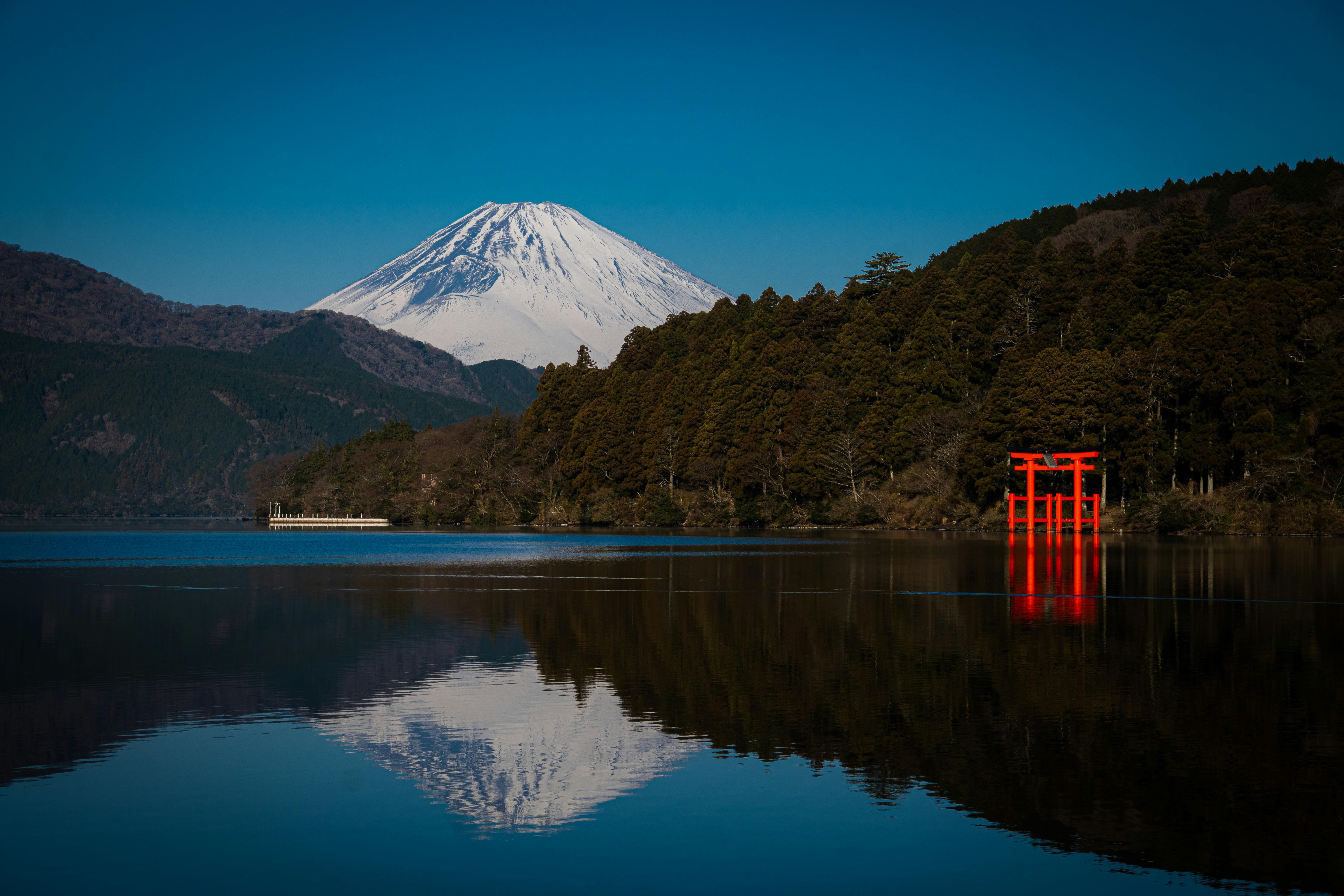
Mt. Fuji + Hakone Day Trip from Tokyo
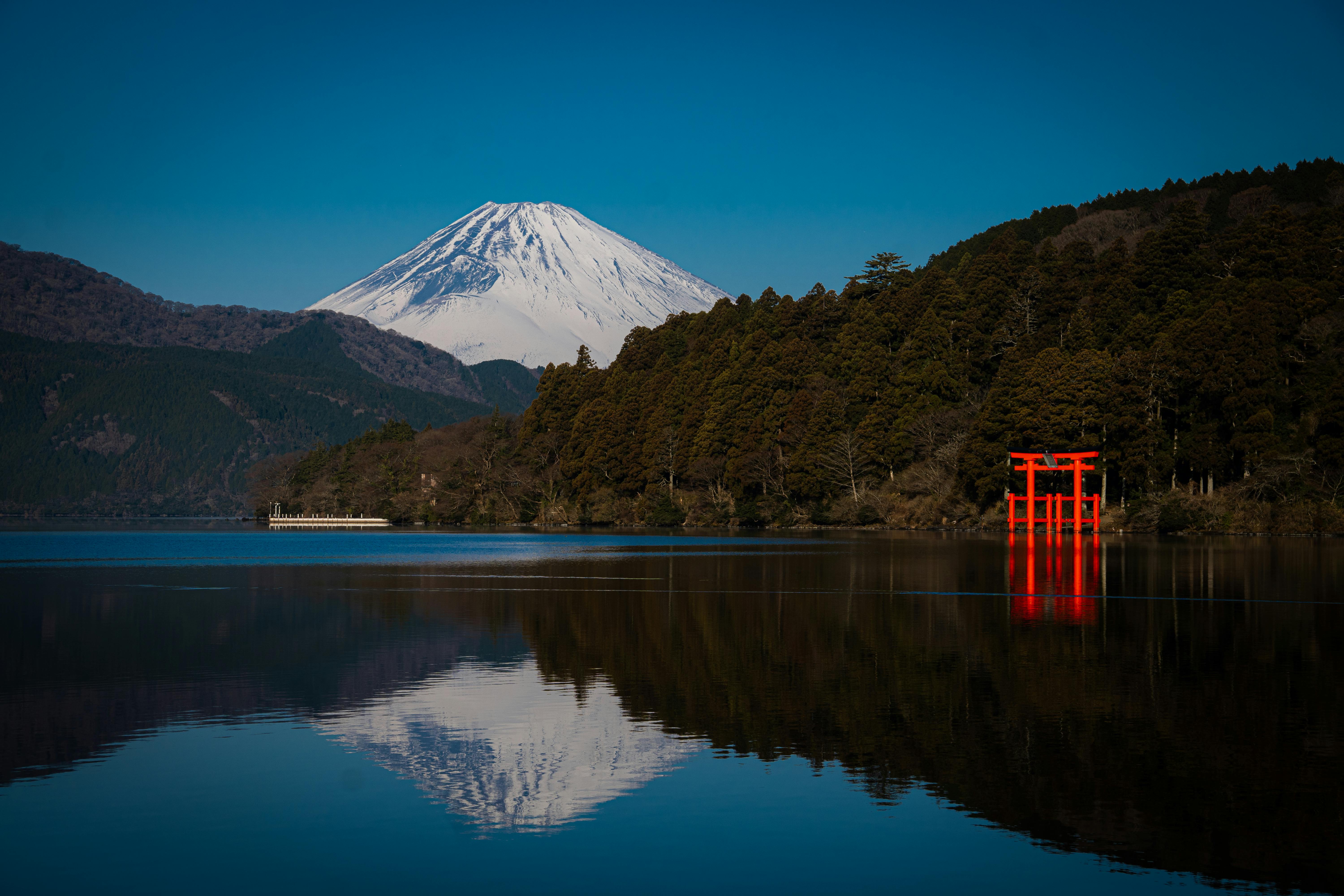
The iconic symbol of Japan. Cable car over Owakudani volcanic valley, Lake Ashi cruise with Fuji reflected in the water, and the iconic red torii gate. Book early — this sells out weeks in advance in spring and autumn.
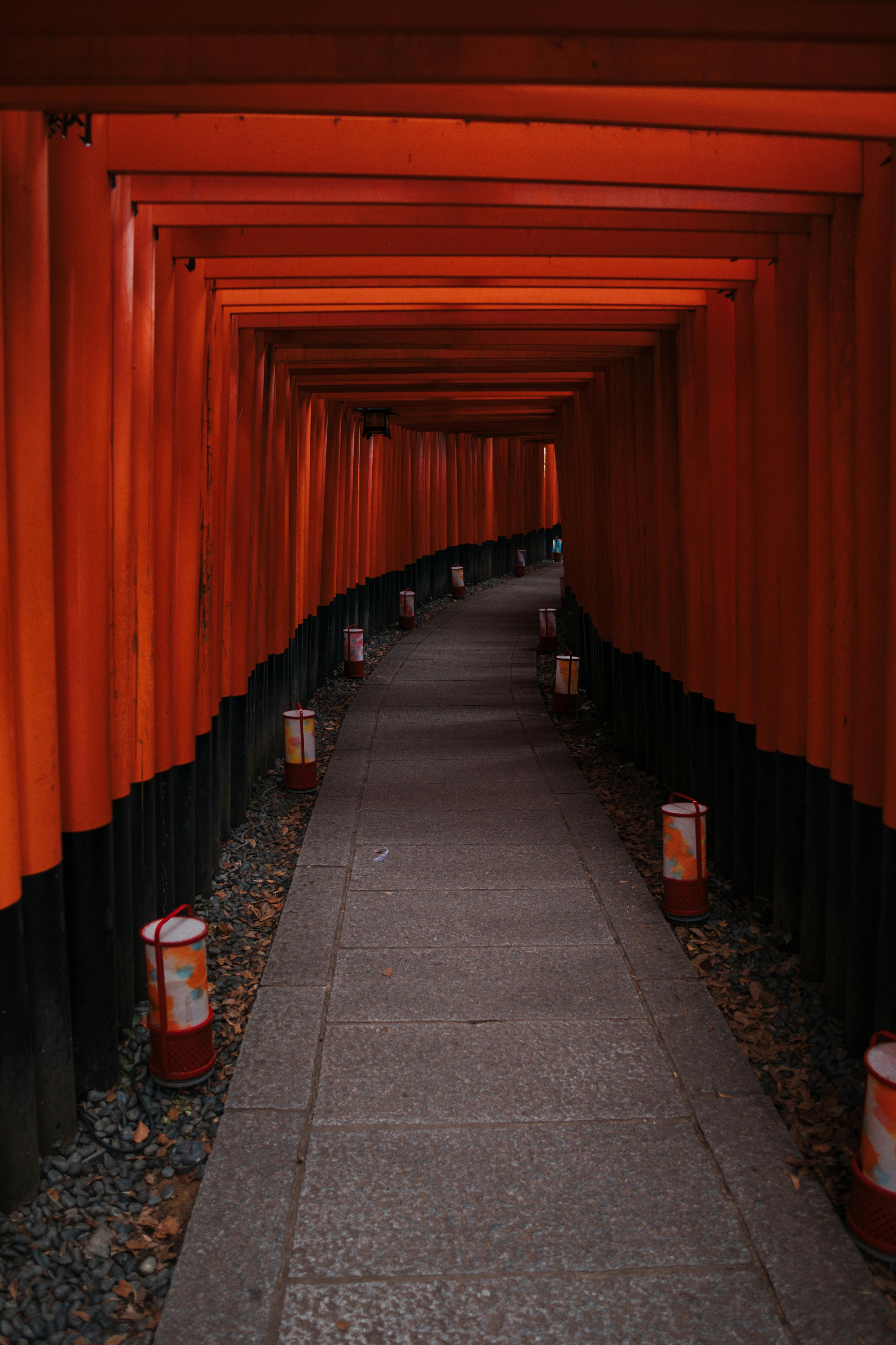
Kyoto Full Day — UNESCO & Historic Sites
Fushimi Inari's tunnel of 10,000 torii gates, Kinkaku-ji (the Golden Pavilion), Arashiyama bamboo grove, Nijo Castle. The most complete Kyoto experience in a single day with a local guide. Go early to Fushimi Inari — by 9am it's already crowded.
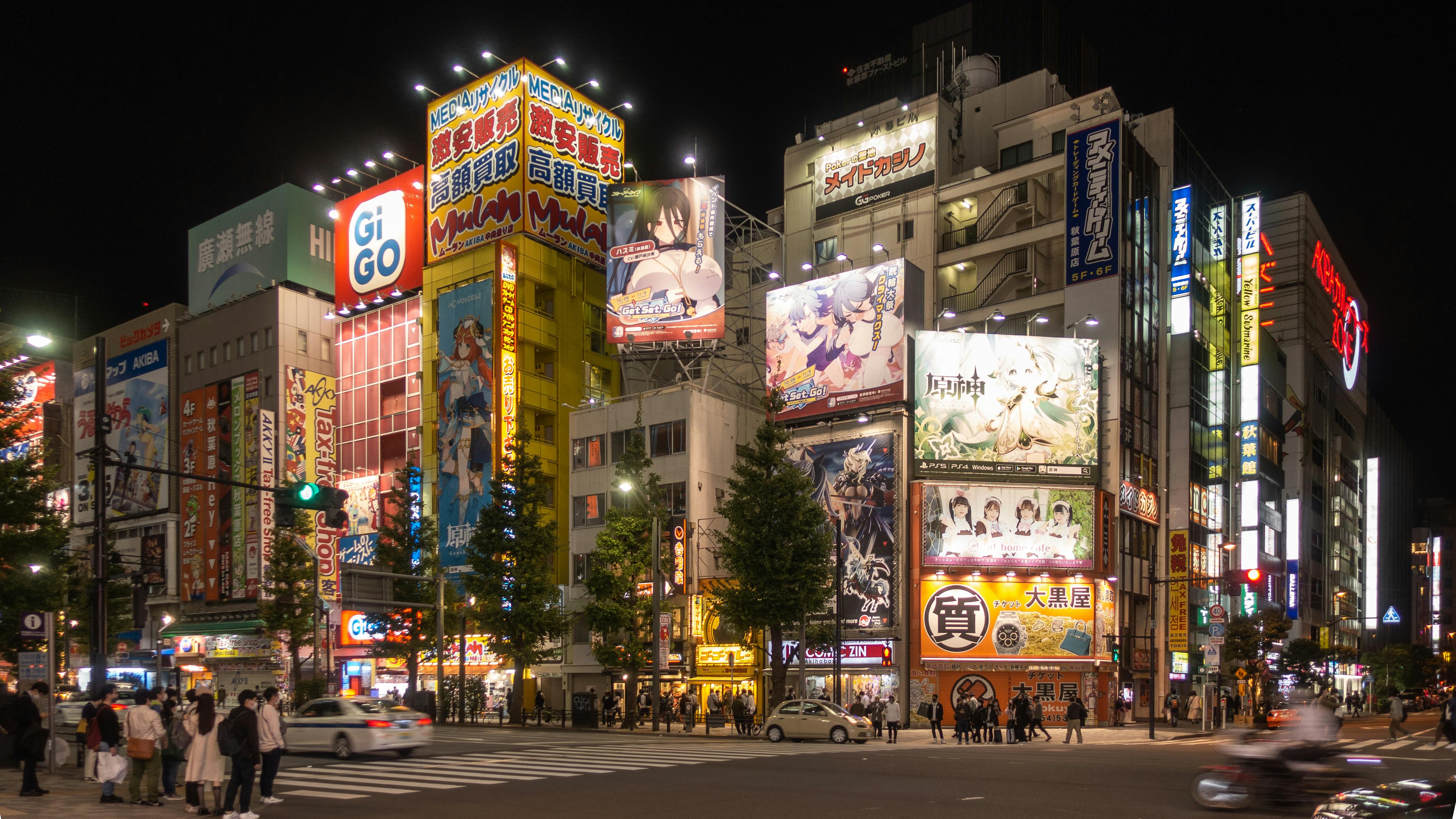
Tokyo — Shibuya, Asakusa & Shinjuku
The world's largest city. Shibuya Crossing, Senso-ji Temple, teamLab digital art, Harajuku fashion street, Akihabara electronics district. Easily navigated solo with Google Maps and the IC card. Most sights are free or very cheap — budget for food instead.
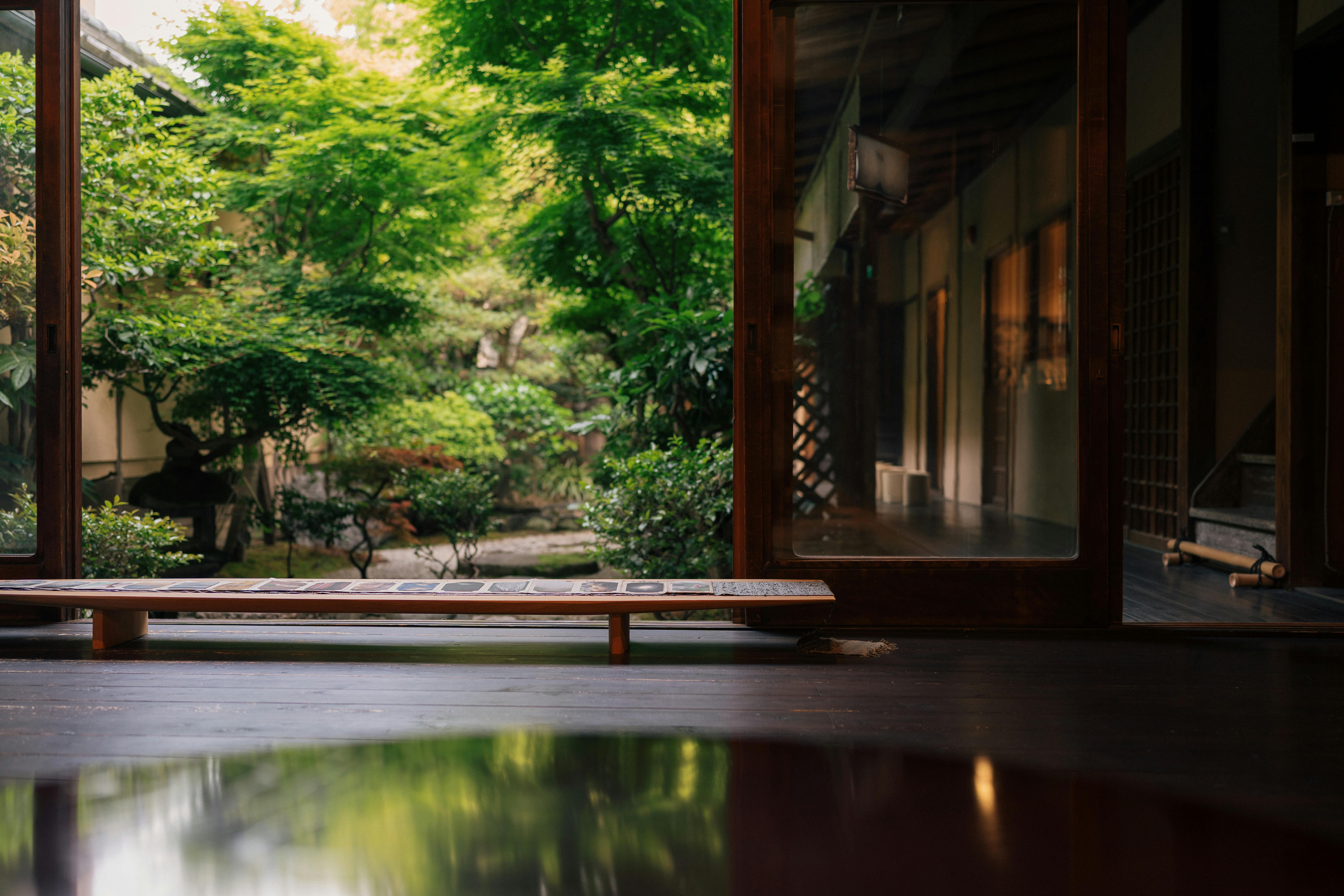
Ryokan Stay with Onsen
The definitive Japanese accommodation experience. Traditional inn, yukata robe, multi-course kaiseki dinner, private or communal hot spring bath. Hakone, Nikko or Kyoto are the best bases. Unmissable if budget allows — it's a completely different way of experiencing Japan.
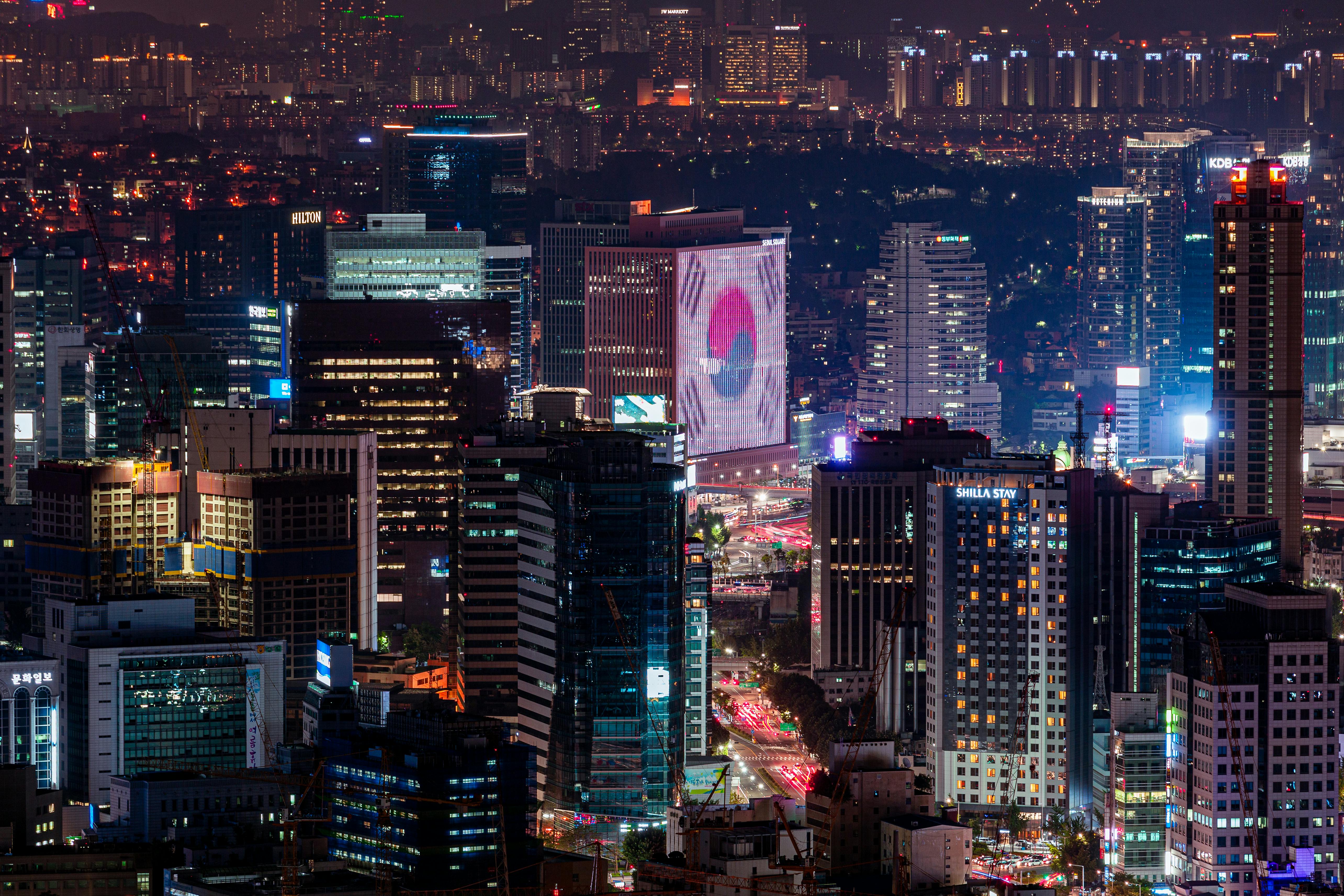
South Korea has quietly become one of Asia's most compelling travel destinations — and not just because of K-pop. Seoul is a genuinely world-class city with exceptional food, nightlife, and cultural depth. Busan offers beaches, mountains, and temples in one port city. And the DMZ — the border with North Korea — is one of the most sobering travel experiences on Earth.
Seoul DMZ Tour — North Korean Border
Visit the most heavily fortified border on Earth. The 3rd Infiltration Tunnel, Dora Observatory overlooking North Korea, and Dorasan Station — the train line to nowhere. A uniquely powerful experience unavailable anywhere else in the world. Book through a licensed tour operator.
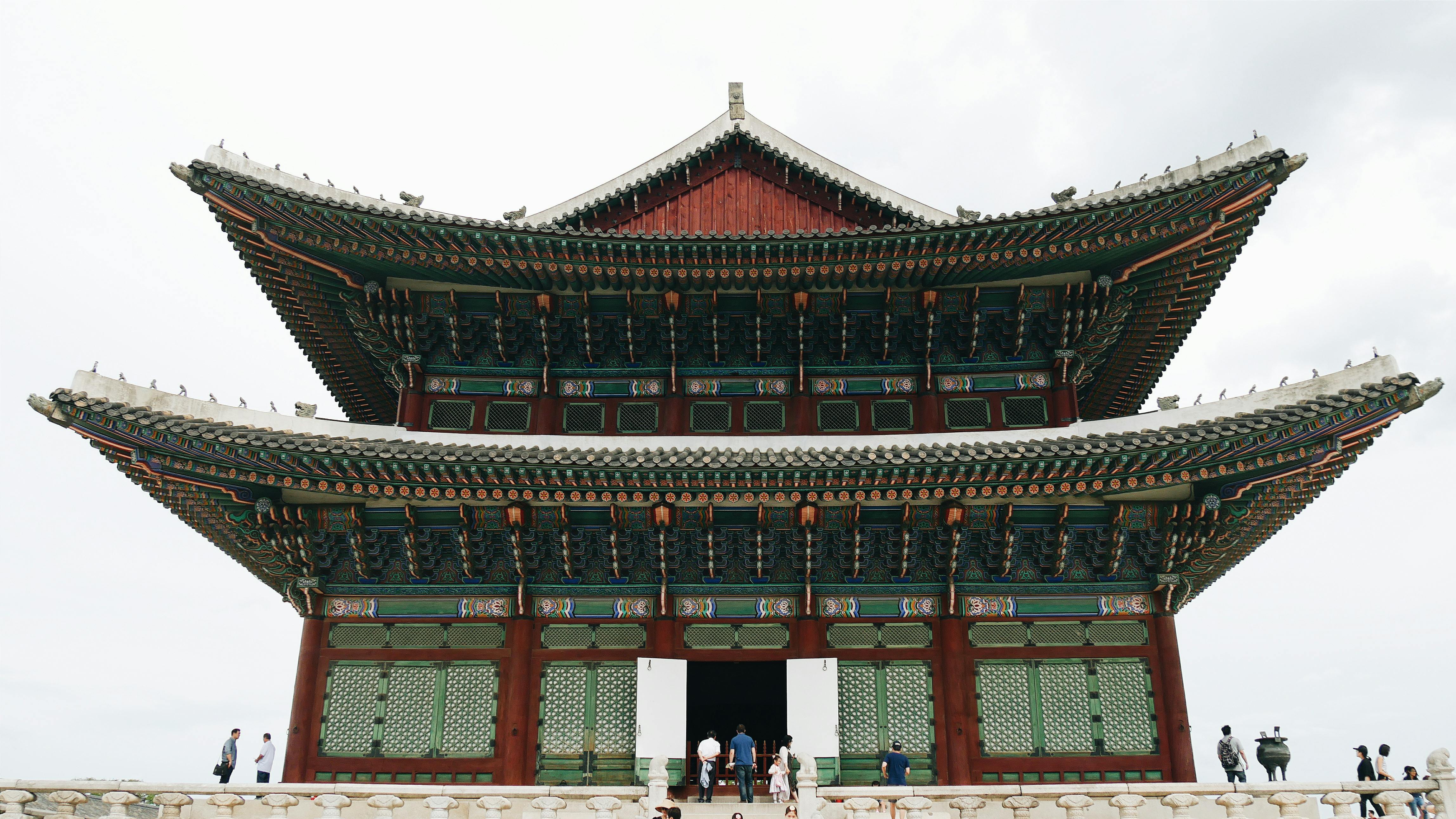
Gyeongbokgung Palace + Bukchon Hanok Village
The grand 14th-century Joseon dynasty palace, the changing of the royal guard ceremony, and the preserved hanok (traditional house) village behind it. Seoul's most photogenic morning. Rent a hanbok at the entrance for free palace entry and stunning photos.
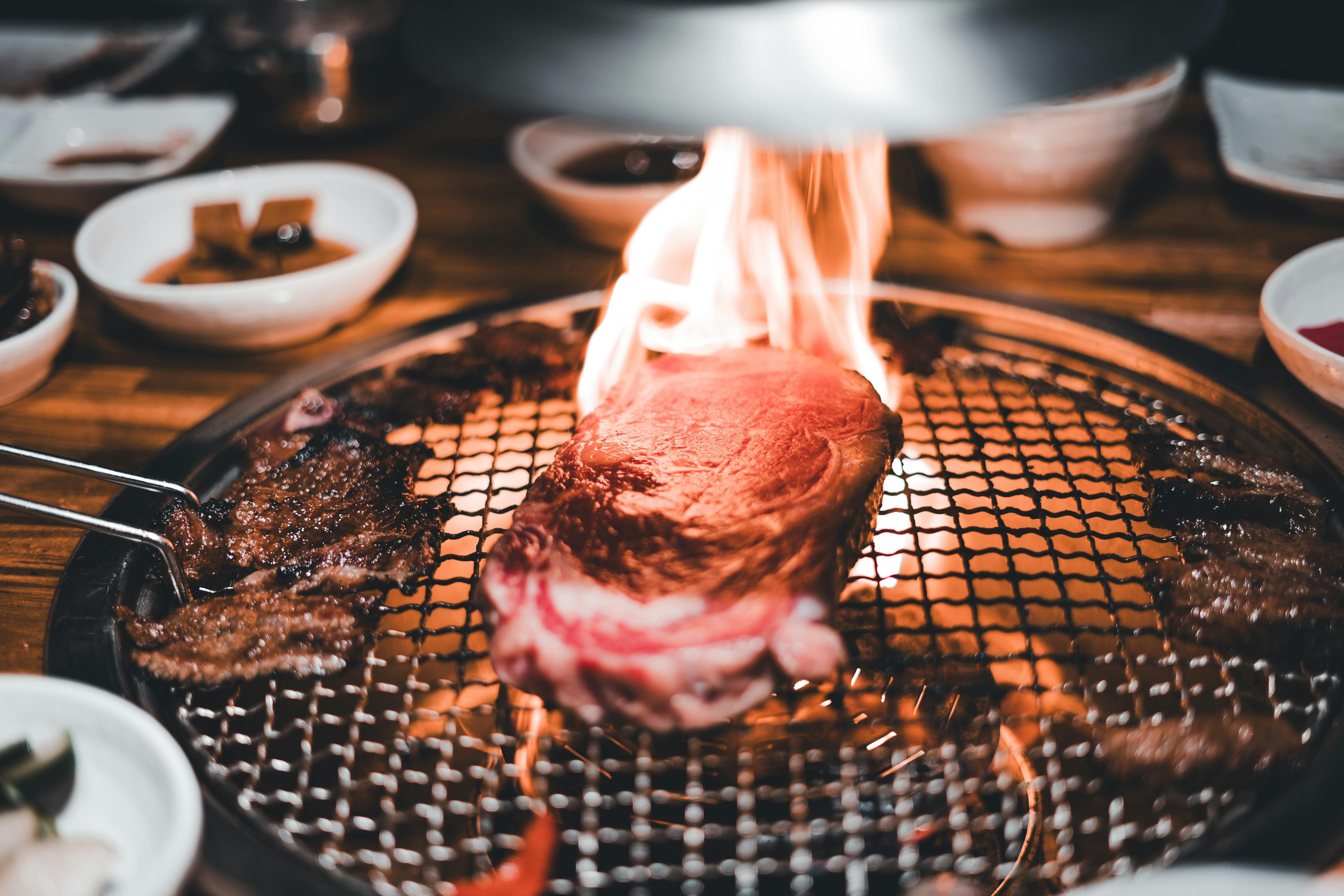
Korean BBQ in Mapo-gu or Hongdae
The definitive Seoul food experience. Samgyeopsal (pork belly), galbi (short ribs), and soju at a local spot away from the tourist areas. More communal and cheaper than Tokyo equivalents. Go with a group — the more people, the more meat, the better the night.
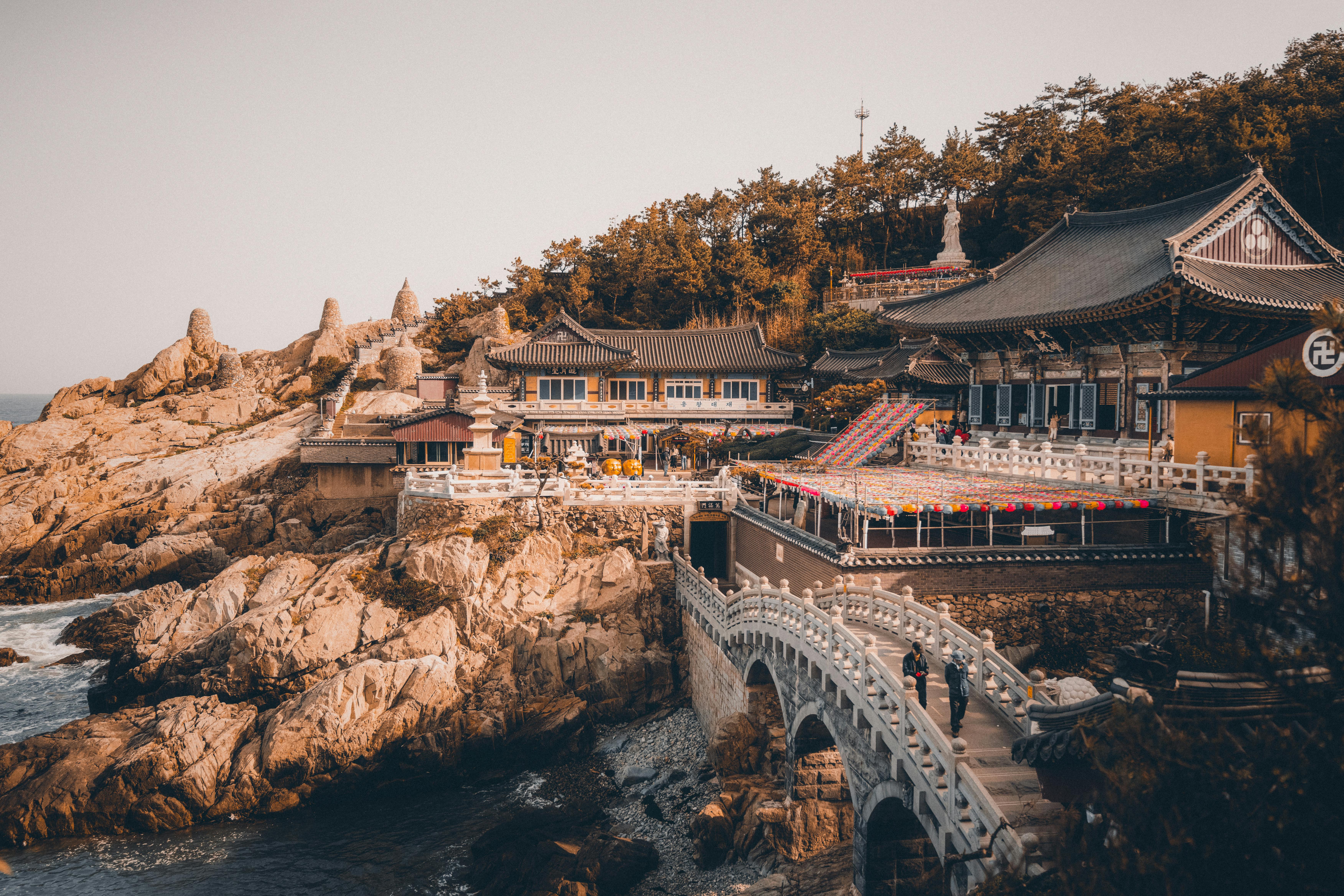
Busan — Beaches, Temples & Street Food
Korea's second city. Haeundae Beach, Gamcheon Culture Village, Haedong Yonggungsa temple perched on sea cliffs. 2.5 hours from Seoul by KTX (~$45). A full day or overnight trip — one of the most underrated cities in Asia, and far less crowded than Seoul.
Japan for depth. Korea for value and energy.
Japan has extraordinary depth and regional variation — sushi in Tokyo, ramen in Fukuoka, kaiseki in Kyoto, takoyaki in Osaka. The quality-to-price ratio at mid-range restaurants is exceptional. Convenience store food (konbini) alone is a cultural experience worth multiple visits per day.
South Korea offers bolder, more communal dining — Korean BBQ, bibimbap, tteokbokki. Street food in Myeongdong and Gwangjang Market is cheaper and more accessible. Note: alcohol is extremely affordable — soju costs ~$1.50 at a convenience store.
Who Should Go Where
- It's your first time in Asia and you want the definitive experience
- You have 2+ weeks and can absorb the higher daily cost
- Food, nature and cultural depth are your priorities
- You want unique accommodation — ryokans, capsule hotels, temple lodging
- Cherry blossom season (late March–April) is a bucket list item
- You want the most diverse geography — mountains, islands, cities, ski resorts
- Budget is a real constraint and you want to stretch further
- You're travelling solo or with a young, social group
- K-culture (K-pop, K-drama, K-beauty) is part of the appeal
- You want excellent nightlife alongside culture
- You've already been to Japan and want something different
- The DMZ experience is on your list — it's uniquely available here
Related Verdicts