Tokyo and Osaka are not interchangeable. Tokyo is the most complex, stimulating city on earth — overwhelming, endlessly layered, and impossible to fully explore. Osaka is warmer, cheaper, funnier, and has arguably the best street food in Japan. Most travelers visit both. But if you only have time for one, this guide gives you the data to decide.
💡 The strategic insight: Base yourself in Osaka and day-trip to Kyoto (15 min), Nara (45 min) and even Tokyo (2.5h by Shinkansen). You get the same access to Japan's highlights at ~30% lower daily cost. This is the move most experienced Japan travelers make.
Tokyo
37 million people. 203 Michelin-starred restaurants. The world's busiest pedestrian crossing. Tokyo is not a city you visit once and understand — it rewards return trips, deep exploration, and time. Every neighborhood — Shibuya, Shinjuku, Asakusa, Harajuku, Yanaka — is a completely different experience.
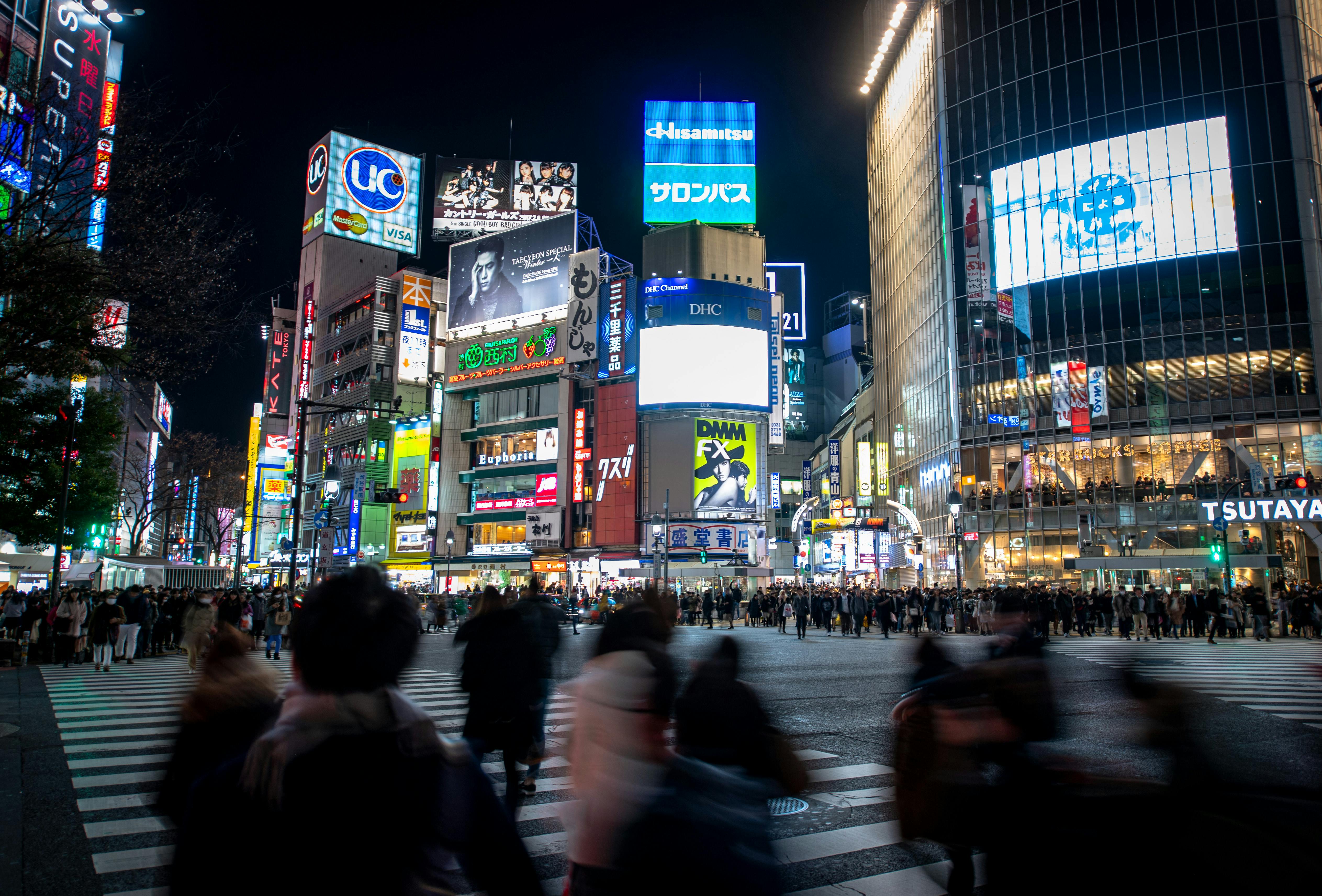
The world's busiest pedestrian crossing — 3,000 people crossing simultaneously when the lights change. Best experienced from the Starbucks overlooking it. Then walk to Shinjuku's Golden Gai: 200 tiny bars each seating 6-8 people. Tokyo's most cinematic evening.
Book Shinjuku night bar tour →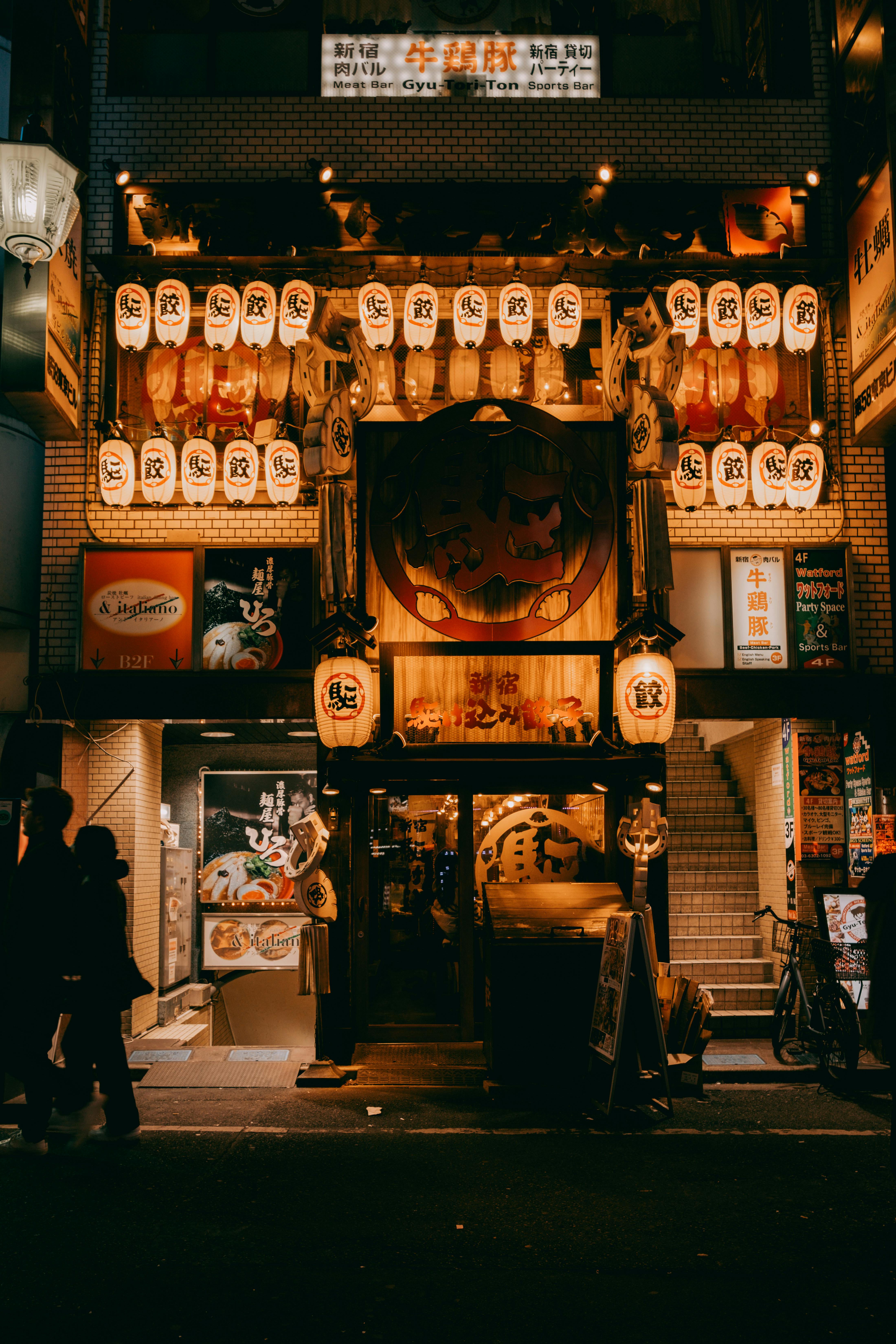
Tokyo's oldest and most significant Buddhist temple, built in 628 AD. Visit at dawn before the crowds — the incense smoke, the gate, the pagoda at sunrise is one of Japan's great experiences. Nakamise shopping street for traditional crafts afterwards.
Book Asakusa culture tour →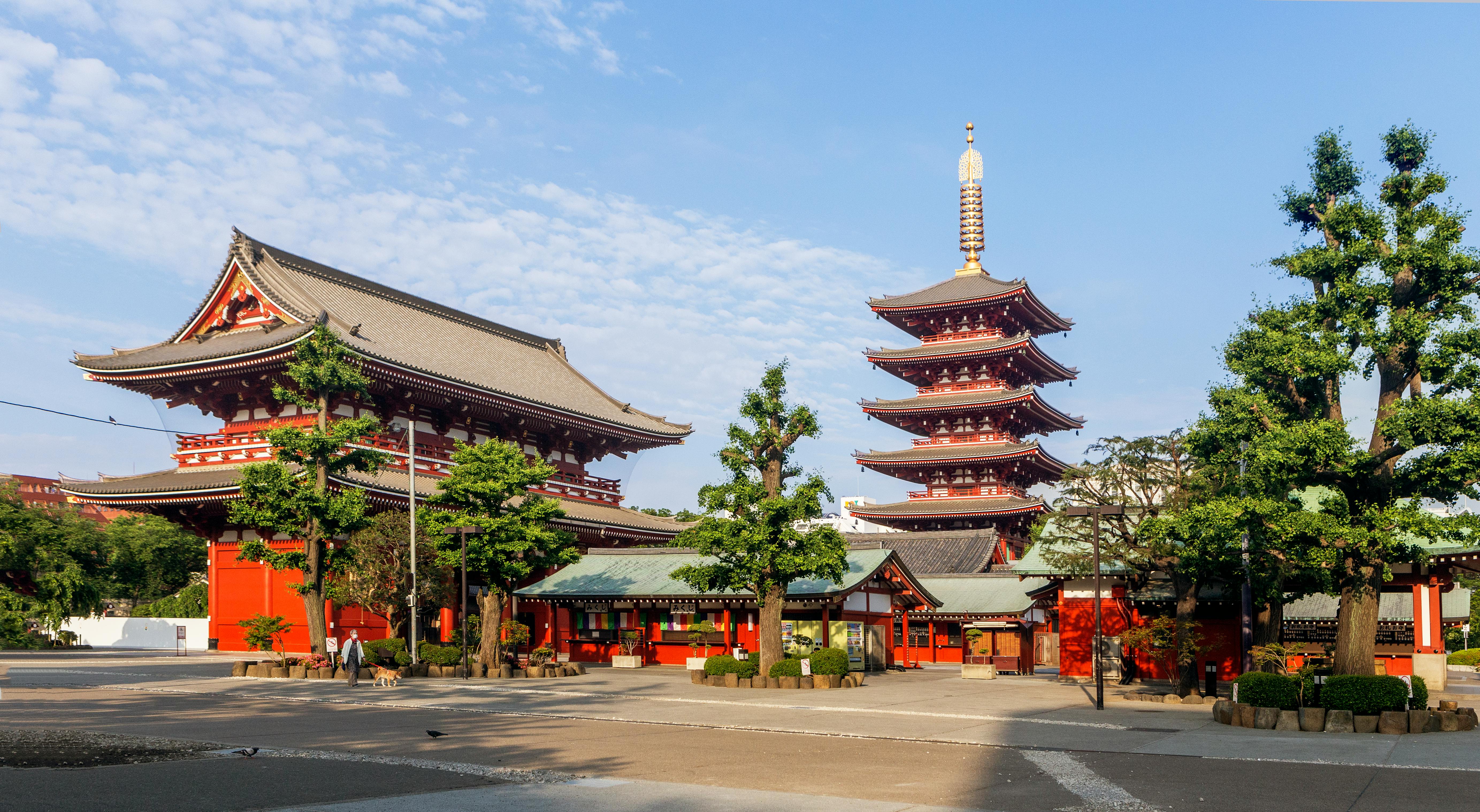
The world's greatest seafood market. Fresh tuna sashimi for breakfast, tamagoyaki straight from the pan, wagyu skewers. A guided food tour covers 8-10 stops and gives context to what you're eating. The best $50 you'll spend in Japan.
Book Tsukiji food tour →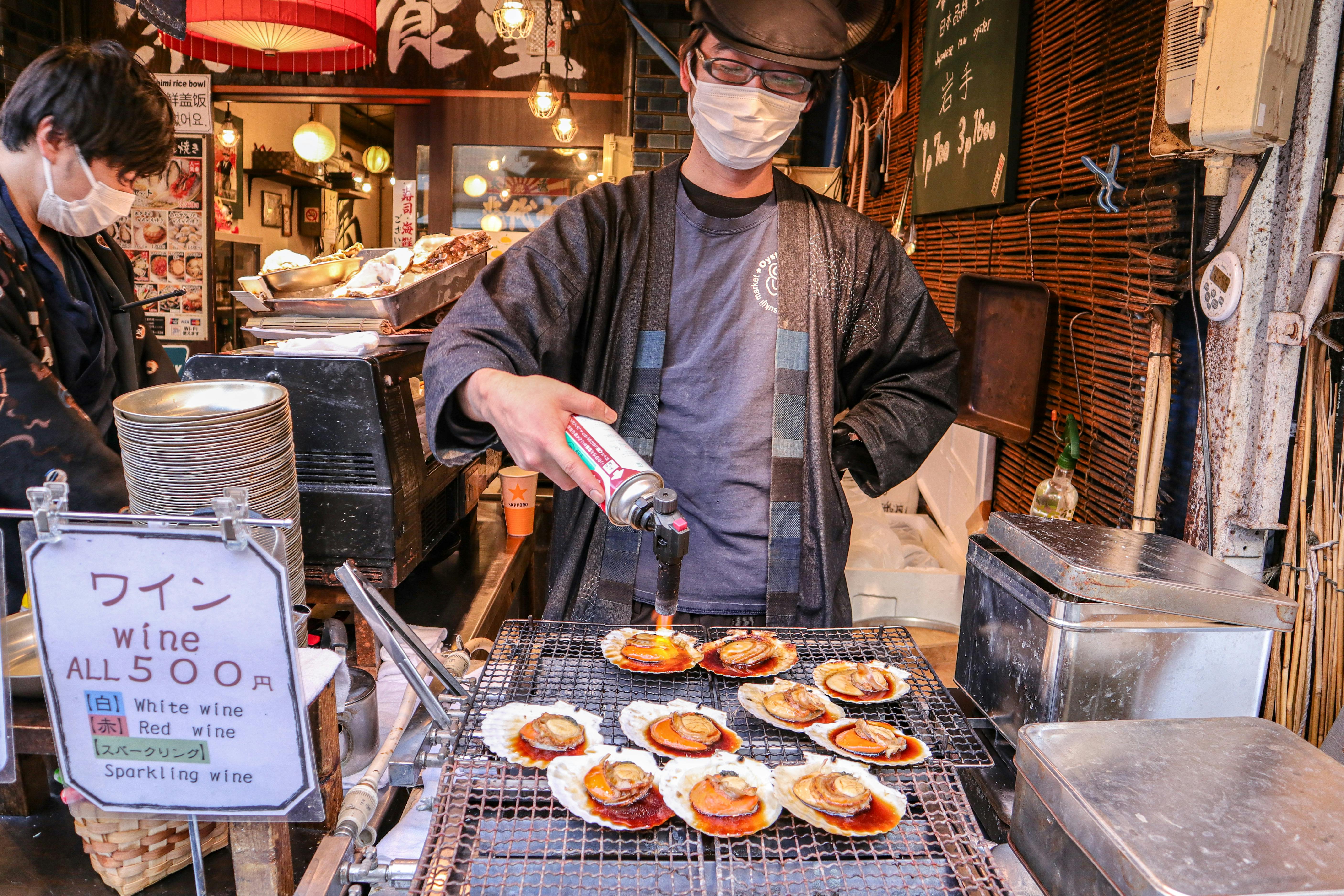
Osaka
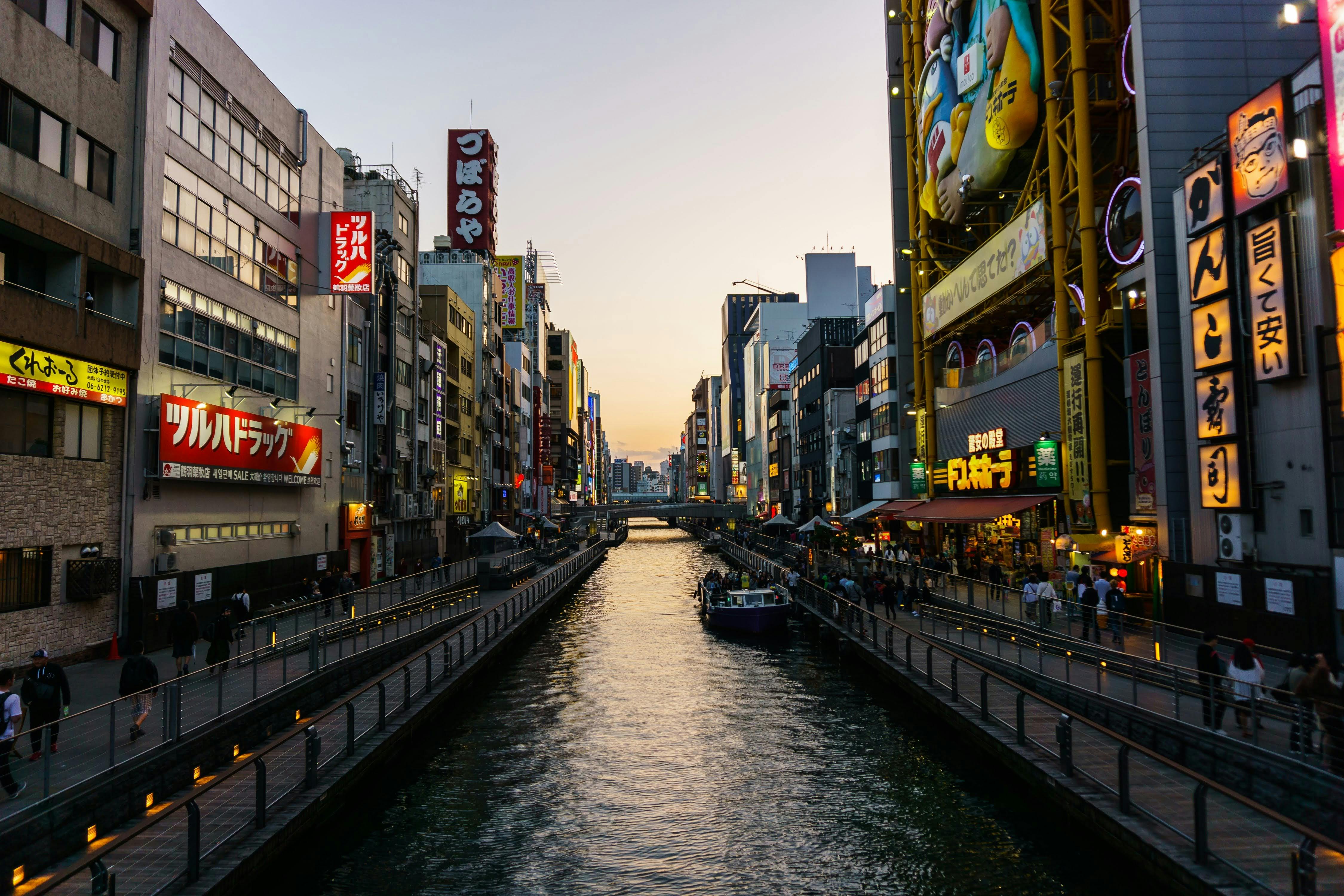
Osaka is where Japan relaxes. The people are warmer, the food is better value, and the city has a rough energy that Tokyo lacks. Osaka is also the smartest base for exploring Japan — Kyoto is 15 minutes away, Nara 45 minutes, Hiroshima 90 minutes by Shinkansen.
Osaka's iconic entertainment district — the giant moving crab, takoyaki stalls, okonomiyaki, ramen. A guided street food tour here is the single best food experience in Japan per dollar spent. Osaka's motto is "kuidaore" — eat until you drop. Dotonbori is where that happens.
Book Dotonbori food tour →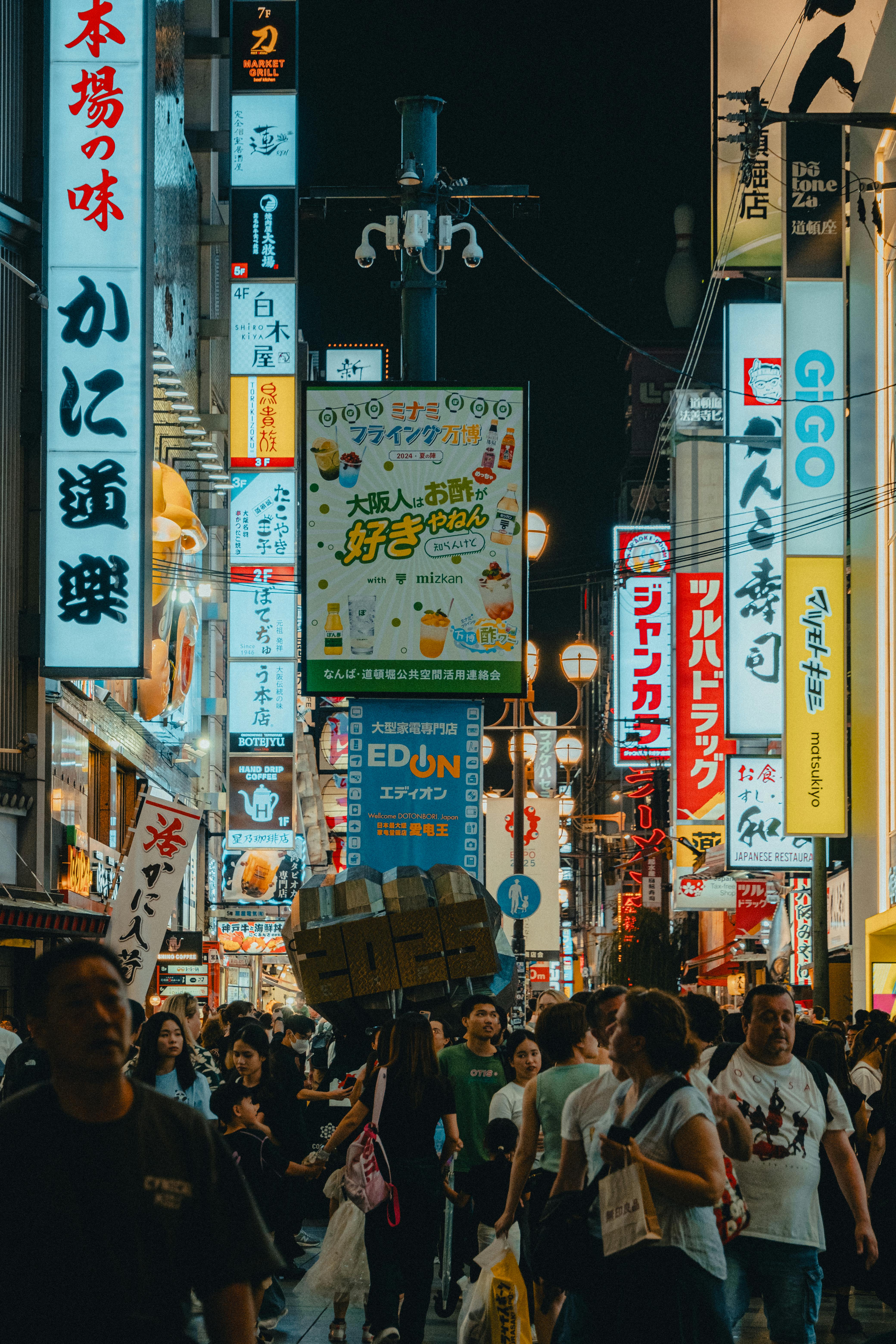
One of Japan's most impressive castles, surrounded by a moat and cherry trees. The museum inside tells the story of Toyotomi Hideyoshi and the unification of Japan. Combine with a ninja experience nearby — surprisingly good value and genuinely fun even for adults.
Book Osaka Castle tour →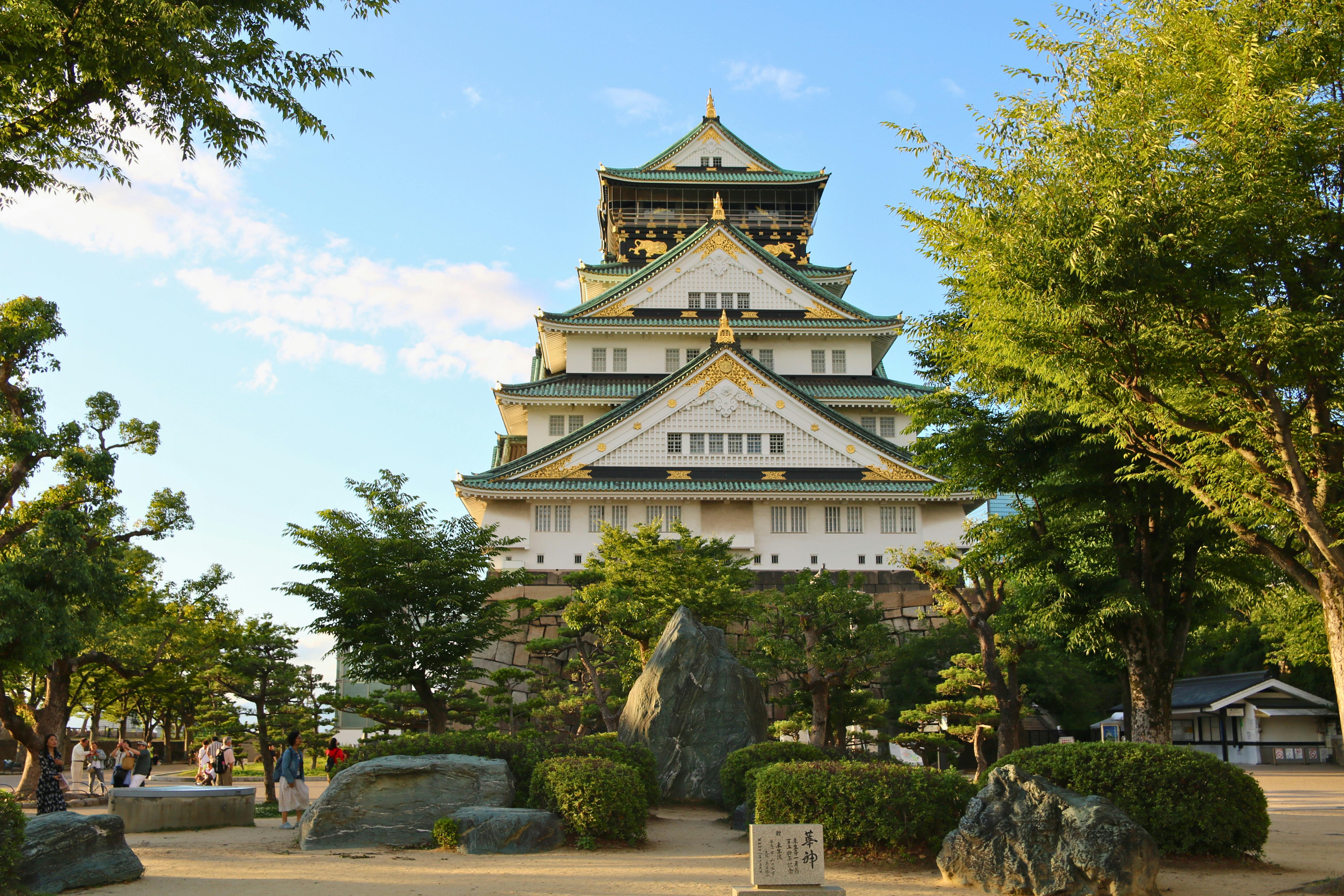
45 minutes from Osaka, 1,200 wild deer roam freely through ancient temple grounds. Todai-ji houses Japan's largest bronze Buddha. The deer will bow to receive crackers from your hand. One of the most surreal and genuinely magical days in Japan — not to be missed.
Book Nara day trip →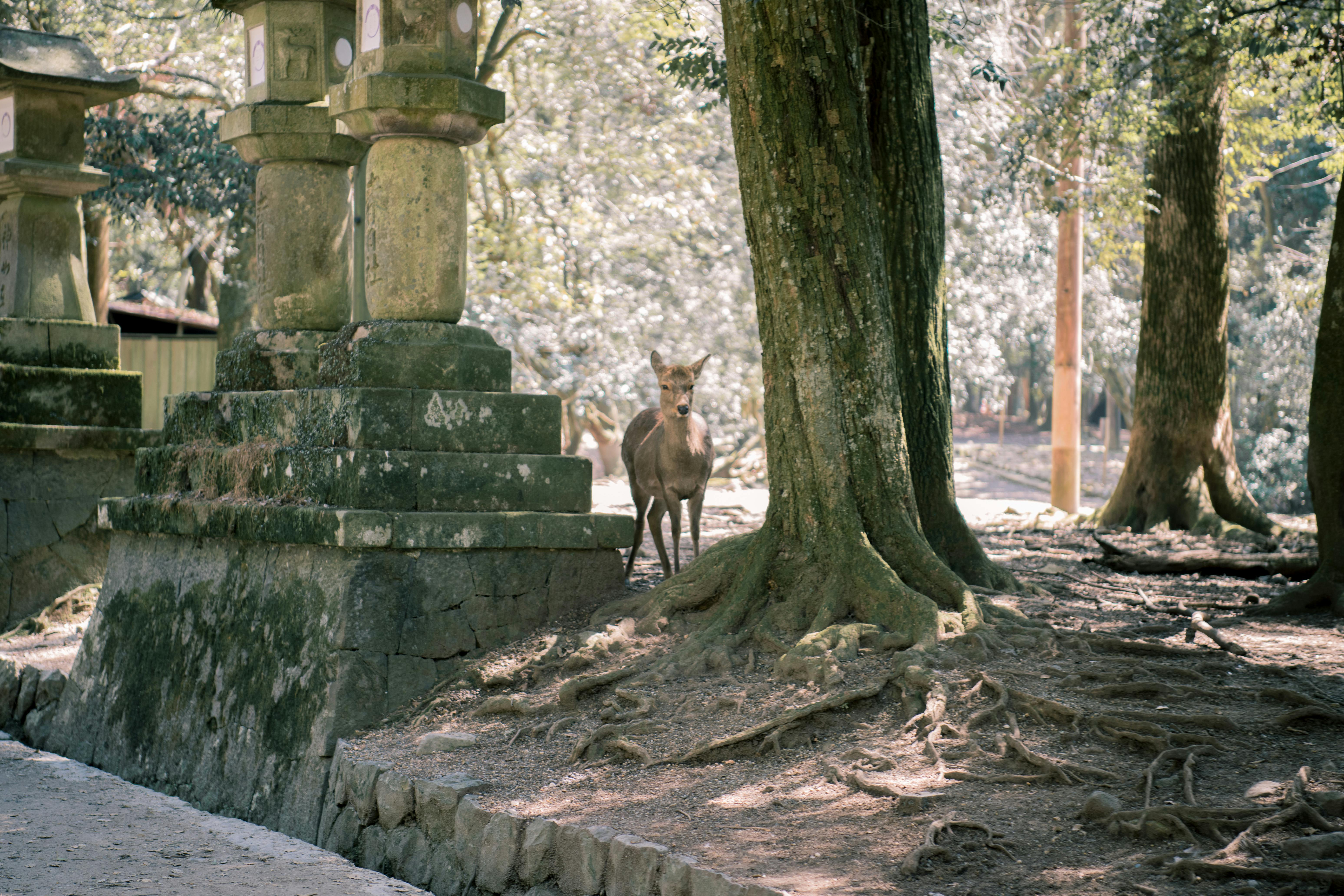
Real Daily Costs
Tokyo is 44% more expensive than Osaka at mid-range — a significant gap for a week-long trip. The difference is driven by accommodation and the general price level of restaurants and transport.
Direct Comparison
| Category | 🗼 Tokyo | 🏯 Osaka |
|---|---|---|
| Mid-range/day | ~$105 | ~$73 |
| Budget/day | ~$65 | ~$45 |
| Michelin stars | 203 restaurants | 96 restaurants |
| Best for | Scale, variety, culture | Food, value, day trips |
| Food scene | World-class (expensive) | World-class (cheaper) |
| Nightlife | Shinjuku, Shibuya | Namba, Shinsaibashi |
| Day trips | Nikko, Kamakura | Kyoto, Nara, Hiroshima |
| English spoken | Tourist areas only | Tourist areas only |
| Friendliness | Reserved | Warmer, more direct |
| Best season | Mar–Apr, Oct–Nov | Mar–Apr, Oct–Nov |
| Population | 37 million (metro) | 19 million (metro) |
| Ideal duration | 5–7 days minimum | 3–5 days + day trips |
Tokyo for scale and ambition. Osaka for food, value, and exploring Japan. Most travelers should do both — but base in Osaka.
If budget is a concern and you want to see as much of Japan as possible, base in Osaka. The Shinkansen access to Kyoto, Nara, Hiroshima and even Tokyo makes it the smarter hub. If Tokyo is the primary motivation — and for many travelers it should be — spend 5-7 days there first, then take the Shinkansen to Osaka for 3-4 days. That is the classic Japan circuit, and it works perfectly.
Who Should Go Where
- →Tokyo itself is the primary reason you are visiting Japan
- →You want the full scale of a global megacity
- →Anime, gaming, tech culture are major interests
- →You have 7+ days and budget is not a concern
- →Michelin-starred dining is on the itinerary
- →It is your first time in Japan
- →Budget matters — Osaka is ~30% cheaper per day
- →You want to explore Kyoto, Nara, Hiroshima
- →Food is the primary motivation for the trip
- →You have 5-7 days and want maximum coverage
- →You have already visited Tokyo
- →You want a warmer, more relaxed Japanese city experience
The perfect Japan trip? Both cities.
Tokyo to Osaka by Shinkansen takes 2.5 hours (~$100). The classic Japan itinerary: fly into Tokyo, spend 5-7 days exploring the capital, then Shinkansen to Osaka. Use Osaka as your base for Kyoto (15 min), Nara (45 min), and Hiroshima (90 min). Fly home from Osaka or back to Tokyo. Two weeks, two cities, the complete Japan experience.
Data Sources
- BudgetYourTrip — Tokyo daily costs (2026)
- BudgetYourTrip — Osaka daily costs (2026)
- Michelin Guide Japan 2026 — Restaurant counts
- Japan Rail Pass — Shinkansen pricing 2026