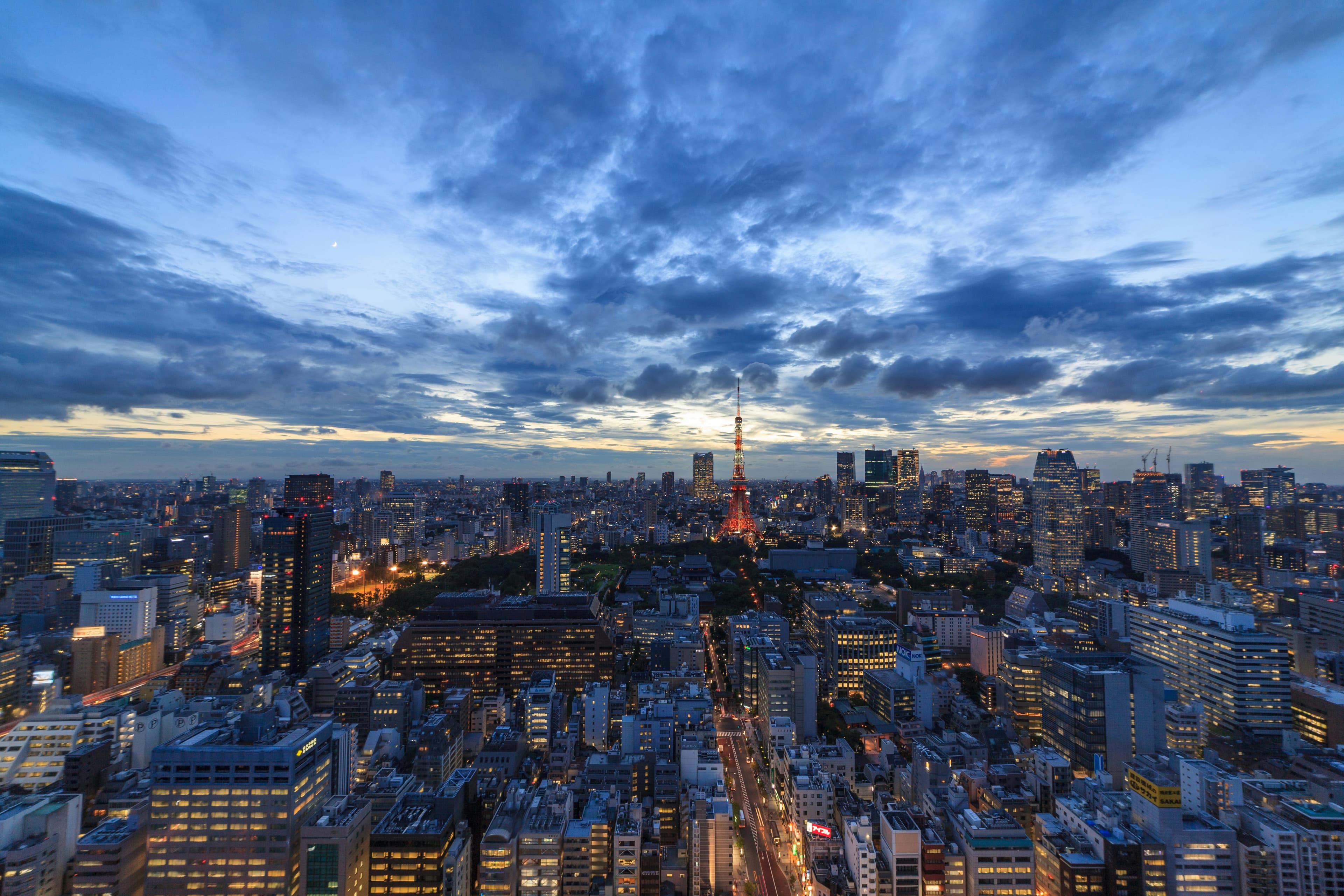
Tokyo overwhelms even seasoned travellers. A Buddhist temple founded in 645 AD sits 30 minutes by metro from a digital art universe inaugurated in 2018. The city contains 23 wards, 800+ Michelin stars, and absorbed 40 million tourists in 2025. Before deciding what to do here, ask the harder question: is Japan even the right base for your trip? This guide assumes you have decided. If you have not, our Decision Engine compares Japan against Vietnam, Thailand, Bali and more - daily costs, weather windows, visa specifics, and a worth-it score - in 30 seconds.
Get a Worth-It Score for Japan →30 seconds · 100% real data · No sponsored opinions
Planning Essentials
Seasonal Timing
Tokyo Essentials
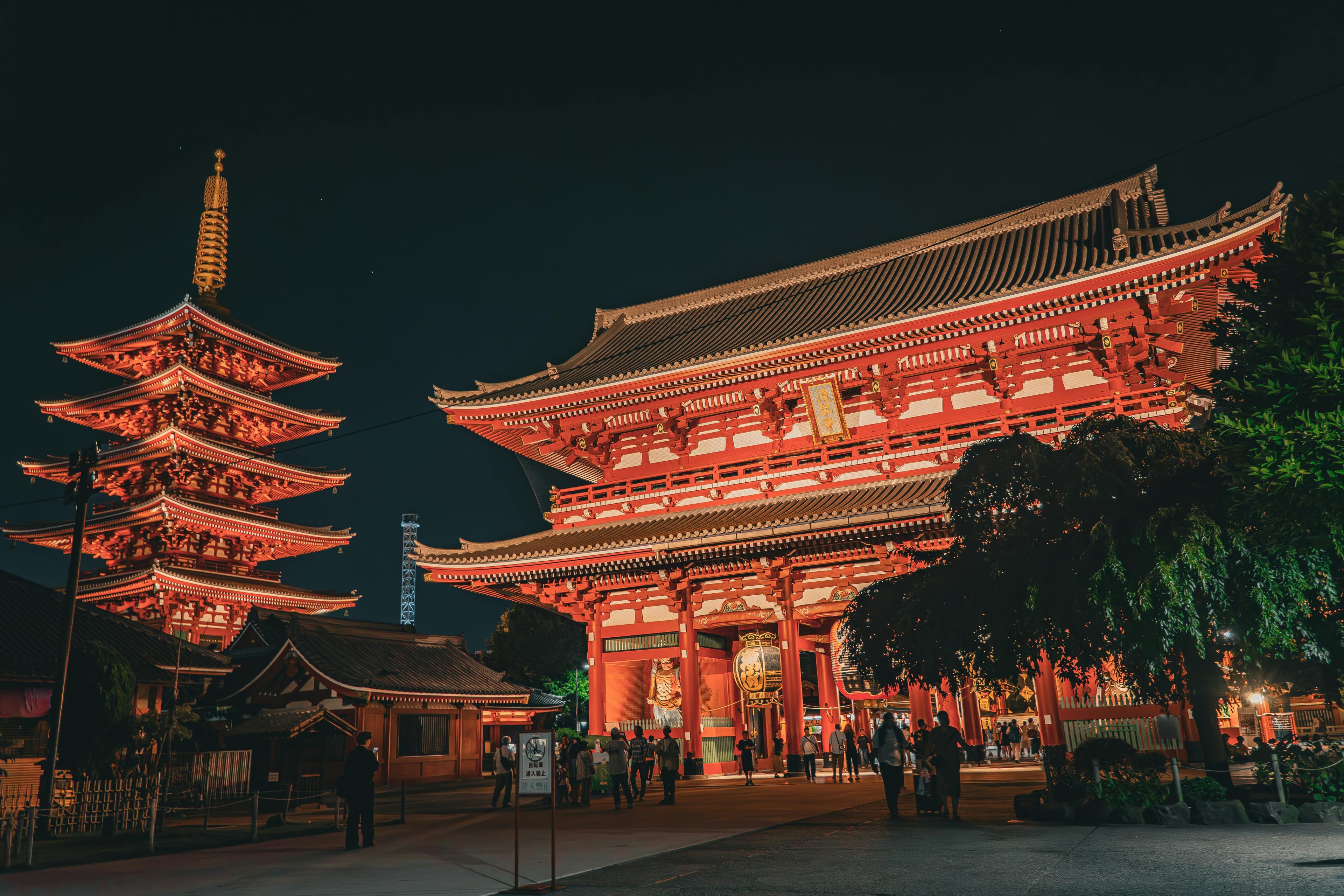
Senso-ji Temple: Where Tokyo Began in 645 AD
Senso-ji is older than Tokyo itself. Founded in 645 AD by the monk Shokai Shonin, the temple predates the city by 778 years. The legend dates to March 18, 628, when fishermen brothers Hinokuma Hamanari and Takenari pulled a golden statue of Kannon (the Buddhist goddess of mercy) from the Sumida River. The original statue has remained hidden from public view for 1,381 years (a tradition called hibutsu) and not even the chief priests have seen it. The temple draws 30 million visitors annually, making it the most visited religious site in the world. The current Main Hall dates from 1958, rebuilt after the March 1945 air raids destroyed the complex. Entry is free, the grounds open 24 hours. Visit before 8 AM or after 6 PM to skip the crowds entirely.
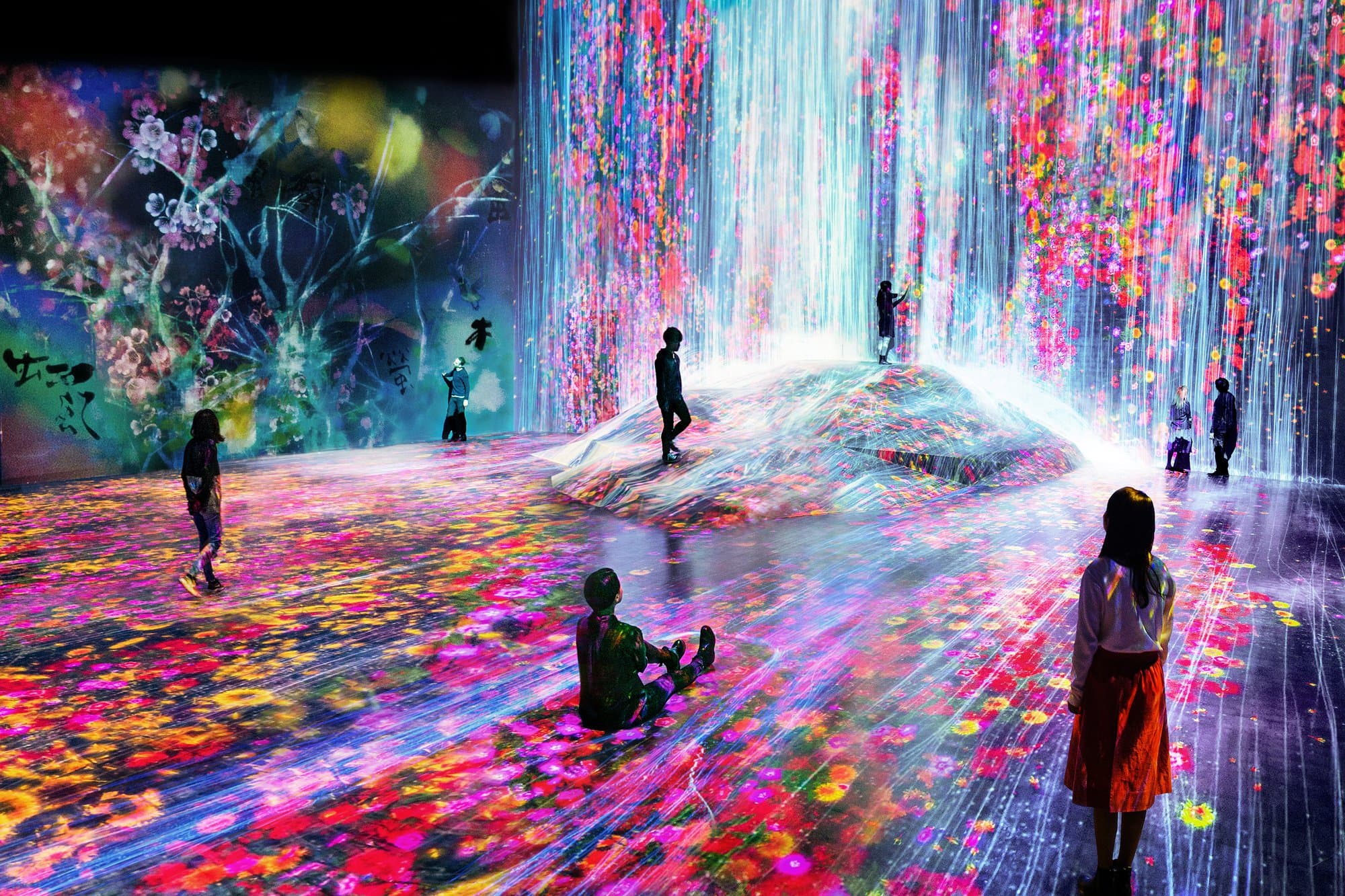
teamLab Planets: Digital Art You Walk Through
teamLab Planets is a body-immersive digital art museum in Toyosu where you walk barefoot through water, koi swim around your ankles and turn into flowers when they touch you, and entire rooms respond to your presence. This is not passive viewing. The original teamLab Borderless in Odaiba closed in August 2022, making Planets the definitive teamLab experience in Tokyo. Tickets sell out a month in advance during sakura season (March-April) when prices peak at JPY 4,800. Plan to spend 90 minutes minimum. Wear shorts or roll up trousers - some rooms have water up to your knees. Lockers are free. The cherry blossom seasonal artwork (March-April) transforms the standard rooms into raining sakura petals.
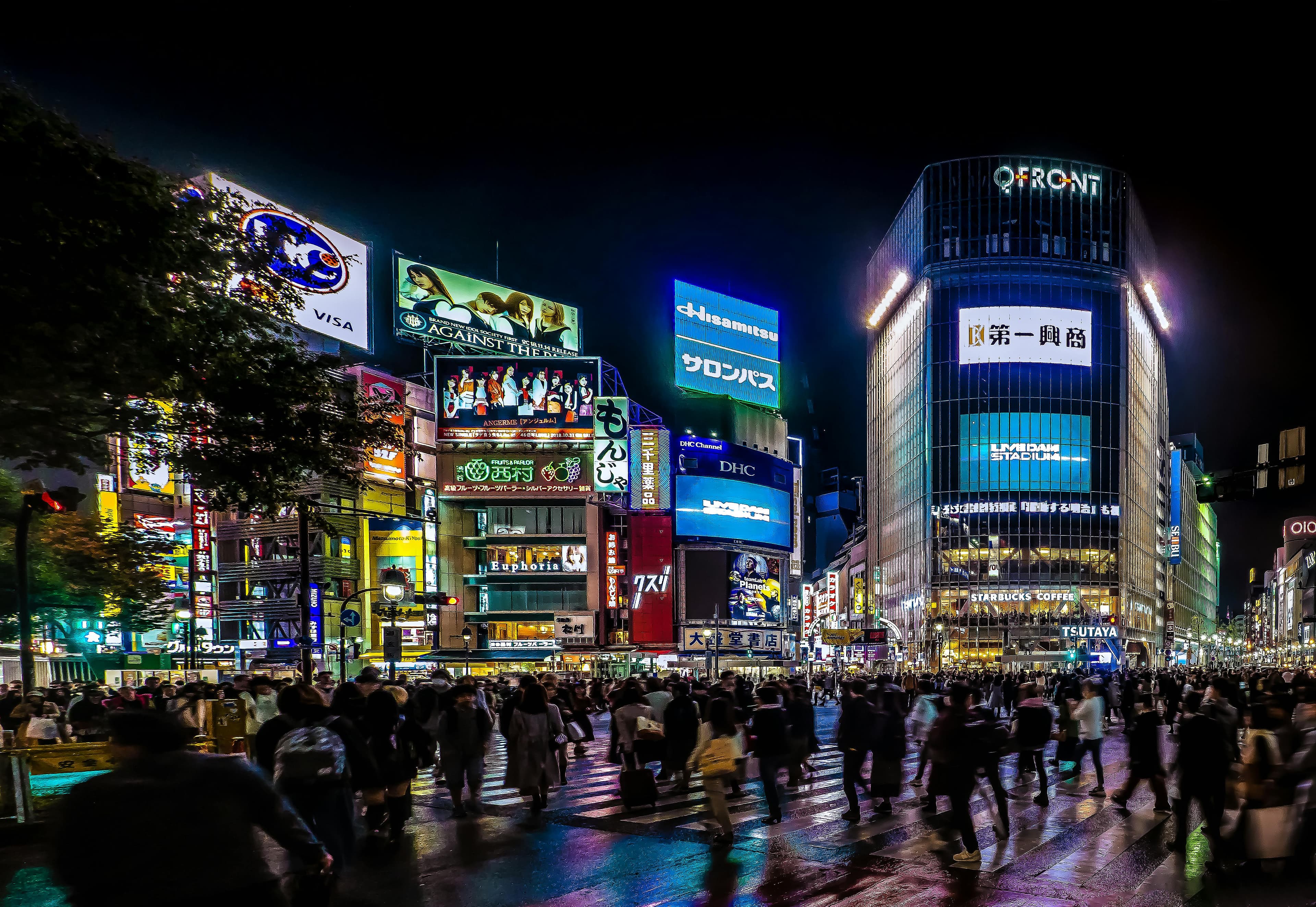
Shibuya Sky: Open-Air Rooftop at 229 Metres
Shibuya Sky is an open-air rooftop observation deck on the 47th floor of Shibuya Scramble Square, looking directly down at the famous Shibuya Crossing with Mount Fuji visible on clear days. Unlike Tokyo Skytree (which is fully indoor at 450m), Shibuya Sky is outdoor at 229m and you can feel the wind. Online tickets cost JPY 2,500 ($16) before 3 PM, JPY 3,400 ($22) after 3 PM. Counter prices are JPY 500 higher. Skip Tokyo Skytree if budget matters: Shibuya Sky has better atmosphere, lower price, and the rooftop is open-air. The free alternative is the Tokyo Metropolitan Government Building observation deck in Shinjuku - similar height, zero cost. Book 4 weeks in advance for sunset slots, which sell out within hours.
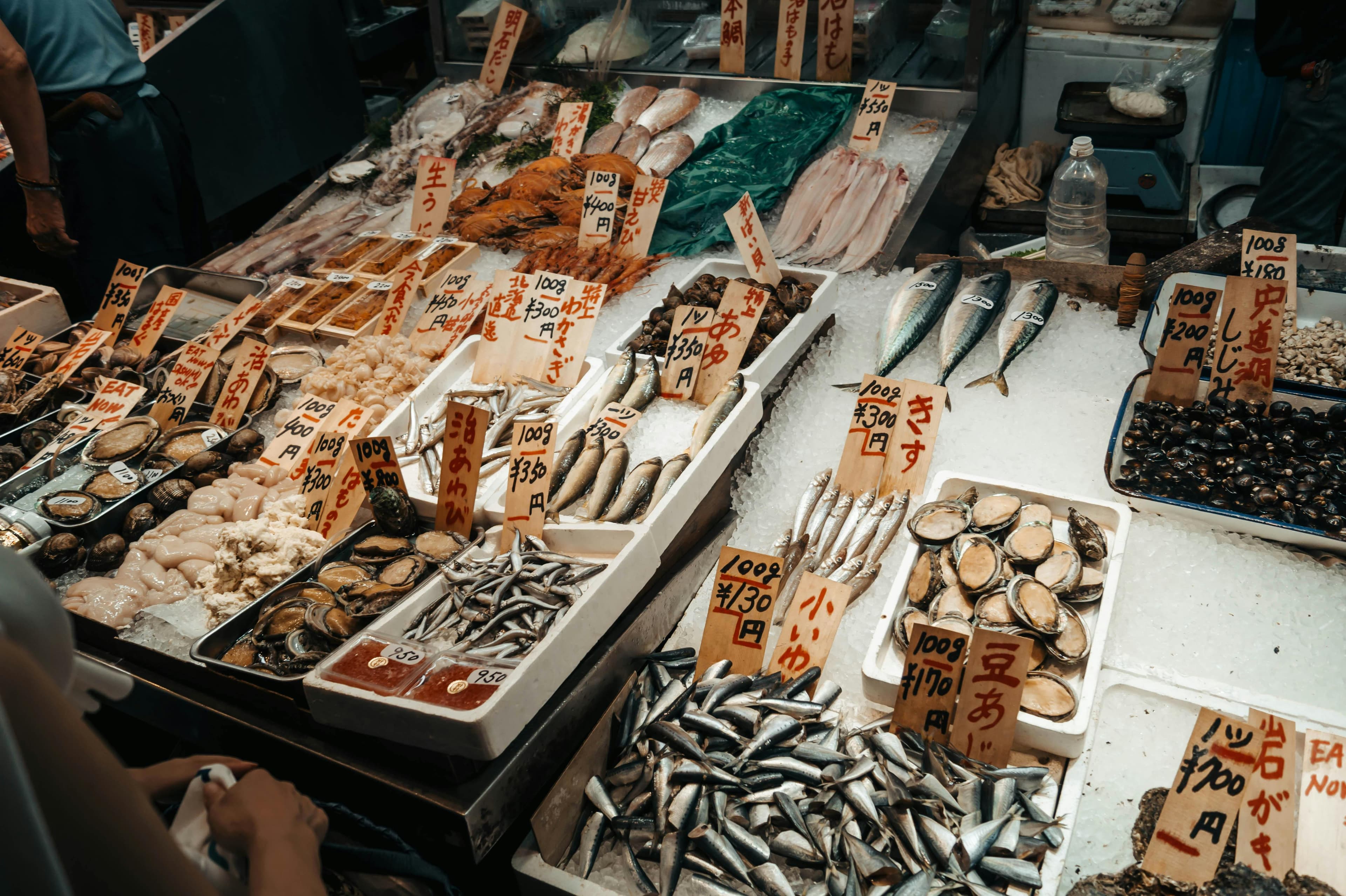
Tsukiji Sushi Class with a Professional Chef
Tsukiji Outer Market remains Tokyo culinary heart even after the inner wholesale market relocated to Toyosu in October 2018. The outer market kept its 400+ stalls, family-run shops, and the same fish supply that feeds Tokyo Michelin restaurants. This 1.5-hour class with a professional chef takes you through the market to source ingredients, then teaches you to make traditional Edomae-style sushi - the technique invented in 19th-century Edo (old Tokyo) where fish was preserved with vinegar and salt before refrigeration existed. You leave with a real skill, not just photos. Skip the generic walking tours: a sushi class delivers more cultural depth than passively watching others sell fish. The market is closed Sundays and national holidays; the class operates Tuesday-Saturday mornings.
Still planning your Asia trip?
Travellers spend an average of 8 hours researching Asian destinations. Our Decision Engine does it in 30 seconds — comparing Japan against Vietnam, Thailand, Bali, Cambodia, and more.
Daily costs · weather windows · visa specifics · festivals · what is overrated — based on YOUR budget, dates and travel style.
Get Your Verdict in 30 Seconds →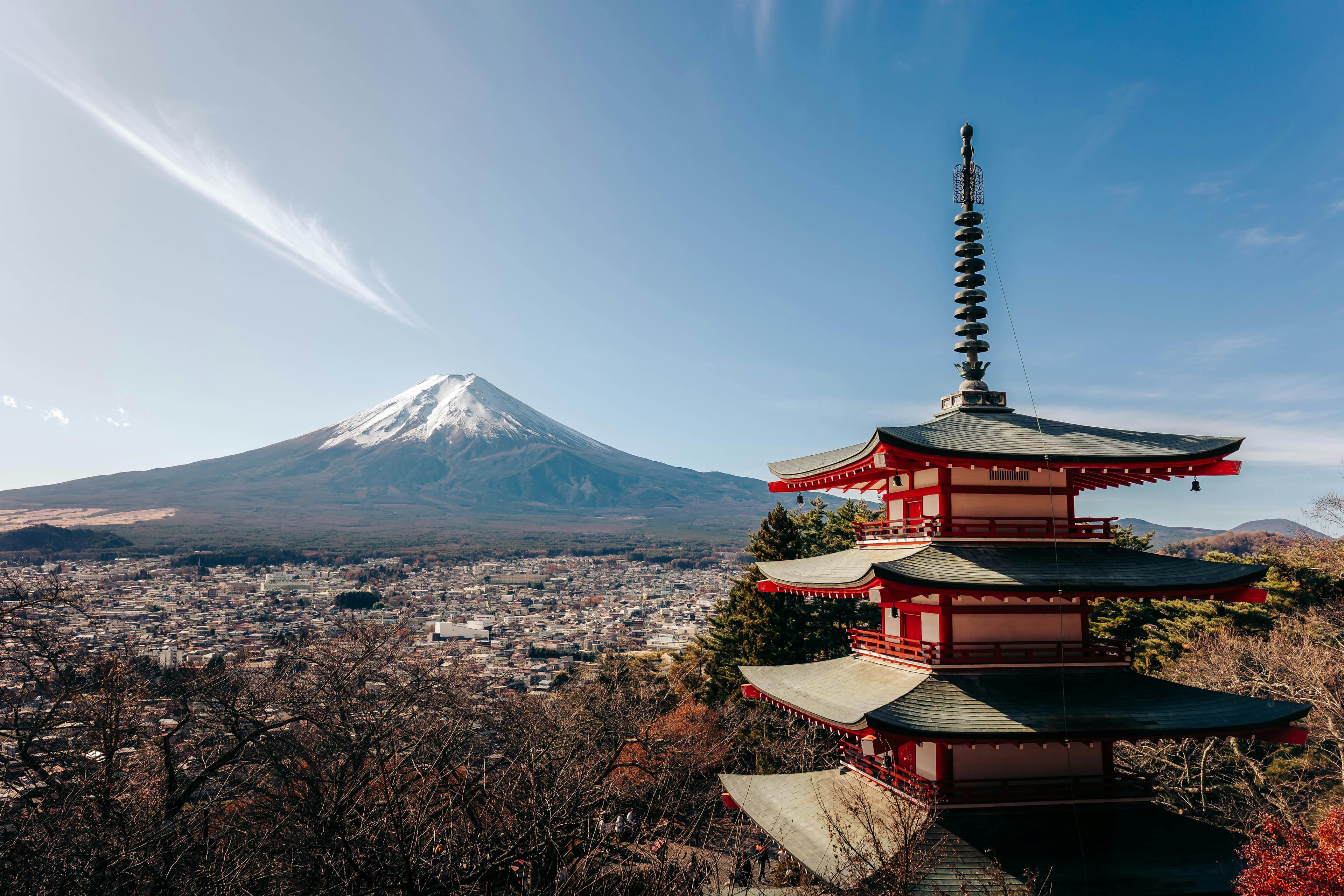
Mount Fuji Day Trip: 5 Iconic Spots in 10 Hours
Mount Fuji is famously shy. Visibility from Tokyo runs roughly 60% even in winter when the air is clearest, and clouds typically roll in by 11:30 AM. This 10-hour group tour from Tokyo hits the 5 essential viewpoints: Lake Kawaguchi (the iconic reflection shot), Chureito Pagoda (Fuji framed by red pagoda - the Instagram-famous angle), Oshino Hakkai (eight ponds fed by Fuji groundwater), Arakurayama Sengen Park, and the 5th Station at 2,300m elevation. With 2,532 verified reviews and a 4.6 rating, this is the most validated tour in the category. Honest verdict: if your morning forecast shows clouds, skip the day - it is not worth the 10-hour round trip to see fog. The official climbing season runs July 1 to September 10 only; outside those dates, the summit is off-limits.
Yanaka: The Tokyo That Survived the War
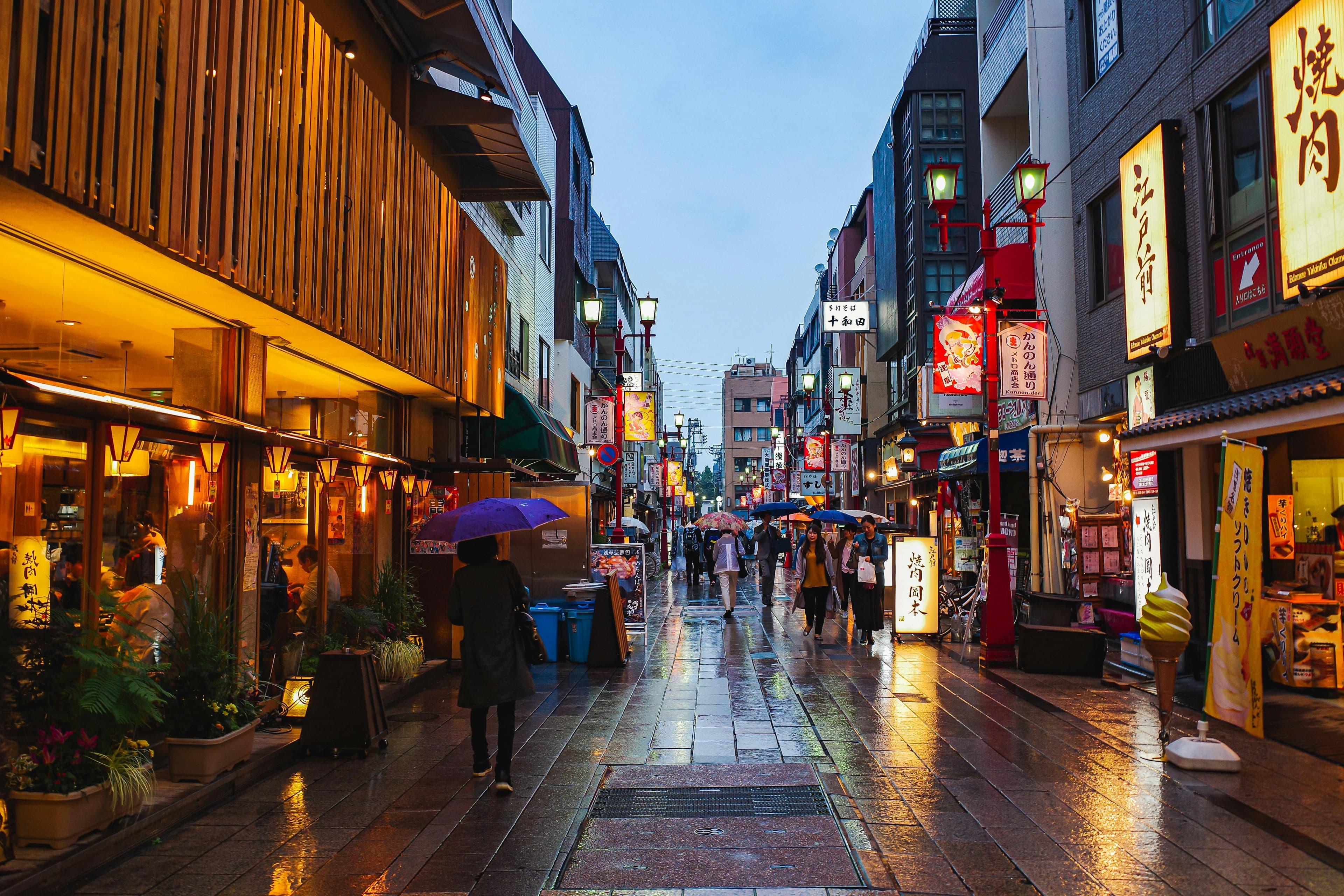
Yanaka is one of the few Tokyo neighbourhoods that survived both the 1923 Great Kanto earthquake and the March 1945 air raids that destroyed most of the city. While the rest of Tokyo was rebuilt in concrete, Yanaka kept its wooden houses, narrow alleys, traditional shops, and Edo-period atmosphere. The main artery is Yanaka Ginza, a 170m shopping street where third-generation shopkeepers sell sembei rice crackers, traditional sweets, and craft tea. Yanaka Cemetery contains 7,000 graves including the last Tokugawa shogun. This is not a tourist trap - it is a living neighbourhood where Tokyoites still buy groceries from family shops. Walk it at sunset (locals call this hour yuyake danyaki - "sunset stairs" - referring to the famous staircase descending into Yanaka Ginza). Free walking, no tour needed.
Shinjuku Golden Gai: 200 Bars in Six Alleys
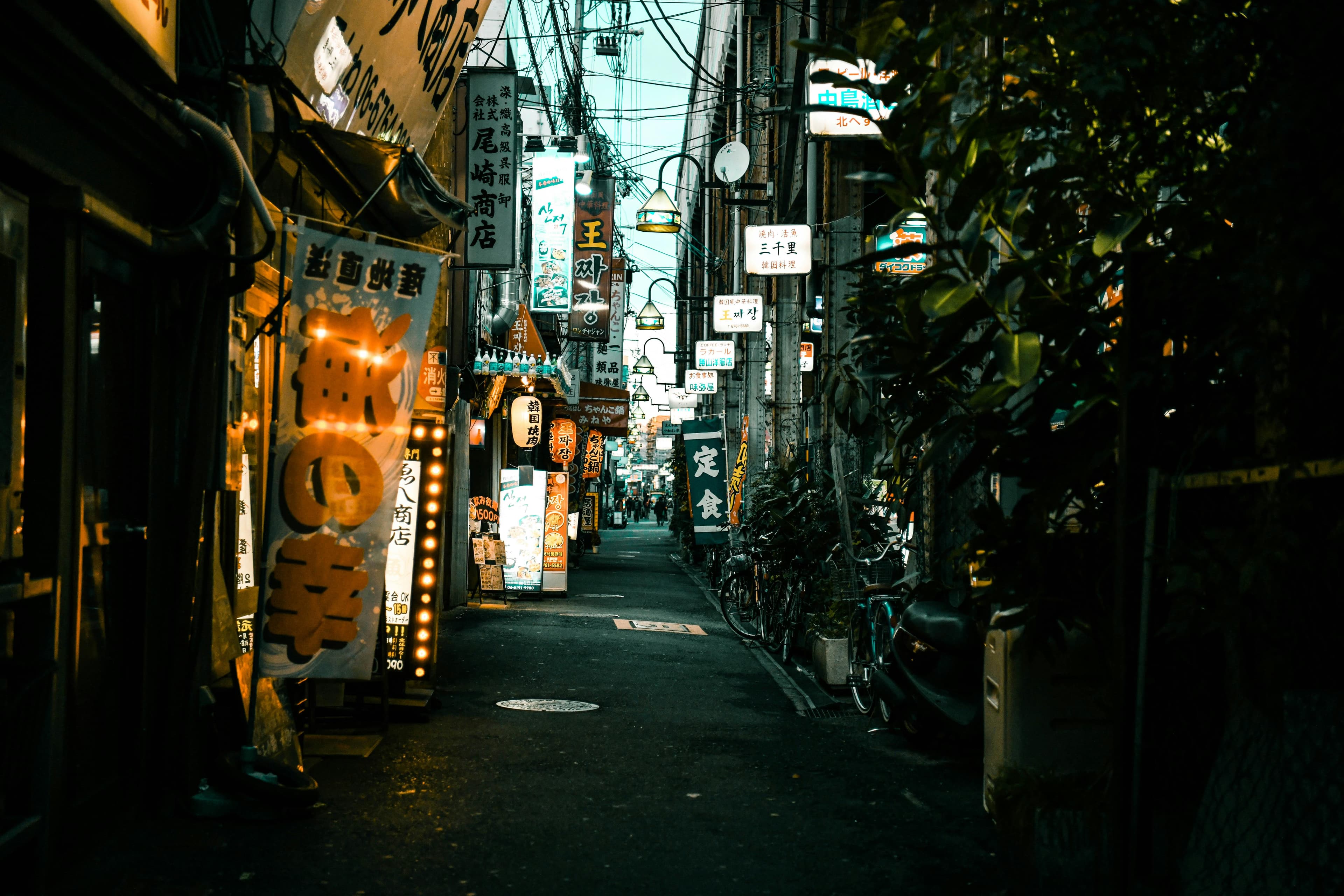
Golden Gai is six narrow alleys containing roughly 200 tiny bars, most seating only 5-8 people. Each bar has its own theme, owner, regulars, and rules. Some are jazz dens, some are punk hideouts, some focus on a single whisky brand. The neighbourhood emerged after WWII as a black market and prostitution district, then transformed into the favourite haunt of Tokyo writers, filmmakers, and musicians during the 1960s-70s. Many bars charge a JPY 500-1,000 cover ($3-7) and are cash-only. Some display "no foreigners" or "regulars only" signs - respect these. This 3-hour small group tour ($32) gets you into 3-4 bars locals actually drink at, including Omoide Yokocho (Memory Lane) yakitori alleys nearby. Skip the tour if you speak Japanese or have a local friend; otherwise it is the difference between awkwardly nursing one drink and actually experiencing the neighbourhood.
Quick Comparison
Tokyo vs Osaka vs Kyoto: Which to Visit?
| Category | Tokyo | Osaka | Kyoto |
|---|---|---|---|
| Best for | Modern Japan, neon, variety | Food, nightlife, accessibility | Temples, gardens, traditional |
| Days needed | 4-5 days minimum | 2-3 days | 3-4 days |
| Mid-range hotel | $120-170/night | $80-120/night | $100-150/night |
| Restaurant meal | $8-13 | $5-10 | $10-15 |
| Pace | Fast, formal, overwhelming | Loud, casual, friendly | Slow, reverent, quiet |
| Top attraction | Senso-ji (free) | Dotonbori (free) | Fushimi Inari (free) |
| Day trip base | Limited (Mt Fuji, Nikko) | Excellent (Nara, Kobe, Himeji) | Good (Nara, Osaka) |
| English-friendly | High | Medium-high | Medium |
| First-time visitors | ★★★★ Overwhelming | ★★★★★ Best entry | ★★★★ Cultural depth |
Tokyo offers the most variety and modern Japan experience. For first-time visitors, doing 4-5 nights in Tokyo + 2-3 in Osaka or Kyoto is the proven combination.
Local Intelligence
Transport Hacks
Buy a Suica IC card on arrival (¥1,000 minimum charge, ¥500 deposit refundable). It works on all metro lines, JR trains, buses, and even convenience stores. Skip the JR Pass if you stay in Tokyo only — it pays off only if you do bullet train trips to Kyoto or Osaka.
Cash vs Card
Tokyo is more cash-dependent than most visitors expect. Golden Gai bars, small ramen shops, and many izakayas are cash-only. ATMs at 7-Eleven and Japan Post accept foreign cards reliably (most other ATMs do not). Carry ¥20,000-30,000 in cash daily.
Cheap Eats Reality
Daily food on a budget is achievable: conbini onigiri ¥150-200, gyudon at Yoshinoya ¥450, ramen ¥800-1,200, Ichiran ramen ¥1,000. Department store basements (depachika) sell premium bento at half-price after 7 PM. Tipping is not customary — never tip in restaurants or taxis.
People Also Ask
Frequently Asked Questions
Is 5 days enough for Tokyo?
Yes, 5 days is the sweet spot for first-time Tokyo visitors. It covers the essential neighbourhoods (Asakusa, Shibuya, Shinjuku, Tsukiji, Akihabara, Harajuku), allows a Mount Fuji day trip, and leaves time for unstructured wandering. 4 days feels rushed; 7+ days lets you add Kamakura, Nikko, or a shinkansen trip to Kyoto.
What is Tokyo famous for?
Tokyo is famous for being the world largest metropolitan area (37+ million people), holding more Michelin stars than Paris and New York combined (200+), the iconic Shibuya Crossing (3,000 pedestrians per cycle), neon districts like Shinjuku and Akihabara, traditional temples (Senso-ji 645 AD), digital art at teamLab Planets, anime and manga culture in Akihabara, and unparalleled rail efficiency.
Should I visit Tokyo or Kyoto first?
Most international flights land in Tokyo, so practically Tokyo first makes sense. Tokyo is an intense modern overwhelm; Kyoto is calmer and more traditional. Doing Kyoto after Tokyo provides cultural decompression. The reverse (Kyoto first, Tokyo last) often leaves travellers exhausted by Tokyo intensity at trip end.
Is Tokyo safe at night?
Tokyo is among the safest large cities in the world for nighttime walking. Solo female travellers report no issues even at 2 AM in most neighbourhoods. Japan ranks consistently in the top 10 safest countries (UNODC 2024 data). The only minor concern is Roppongi nightlife district where over-friendly touts approach foreigners - just say "no thanks" and walk on.
What is the best month to visit Tokyo?
Late March to early April for cherry blossoms (Ueno Park and Shinjuku Gyoen are the top hanami spots, 18-22°C). October-November for autumn foliage (15-20°C, clearest Mount Fuji visibility). Avoid June-July rainy season, August (38°C extreme humidity), and Golden Week (April 29-May 5) when domestic crowds spike and hotel prices double.
Continue Exploring Japan
Build Your Japan Cluster
Where to Stay
Find Your Hotel in Tokyo
Stay in Shinjuku for transport access and nightlife (Golden Gai is here), Asakusa for traditional Edo atmosphere near Senso-ji, or Shibuya for shopping, Shibuya Sky and 24/7 energy.
Search Hotels on Booking.com →Now you know what Tokyo offers.
The harder question: is Japan worth your $100-200/day budget for two weeks in your travel style — or does Vietnam at $75/day deliver more for you?
Get your verdict in 30 seconds. You will see Japan worth-it score, daily cost, weather window, visa specifics — and a second destination ranked against your profile.
Try the AI Decision Engine →100% real data · No opinions · No sponsored results · Always free