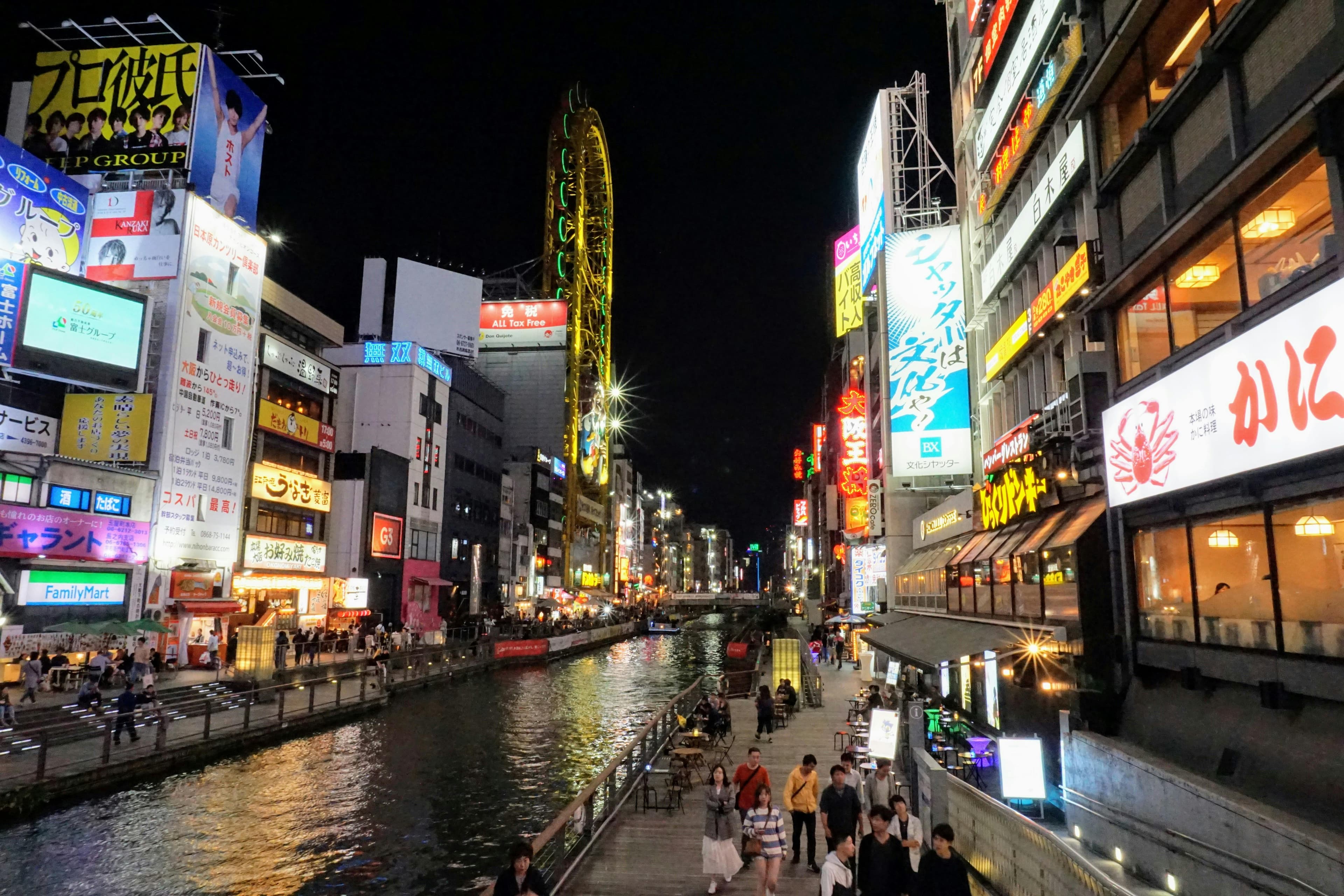
Osaka does not try to impress you. It tries to feed you. While Tokyo is polished and Kyoto is reverent, Osaka is loud, friendly, and food-obsessed in a way no other Japanese city is. Known for centuries as tenka no daidokoro (Kitchen of the Nation) since Toyotomi Hideyoshi built Osaka Castle here in 1583, this city was Japan commercial heart where rice and food from across the country converged. Before deciding what to do here, ask the harder question: is Japan even the right base for your trip? This guide assumes you have decided. If you have not, our Decision Engine compares Japan against Vietnam, Thailand, Bali and more — daily costs, weather windows, visa specifics, and a worth-it score — in 30 seconds.
Get a Worth-It Score for Japan →30 seconds · 100% real data · No sponsored opinions
Planning Essentials
Seasonal Timing
Osaka Essentials
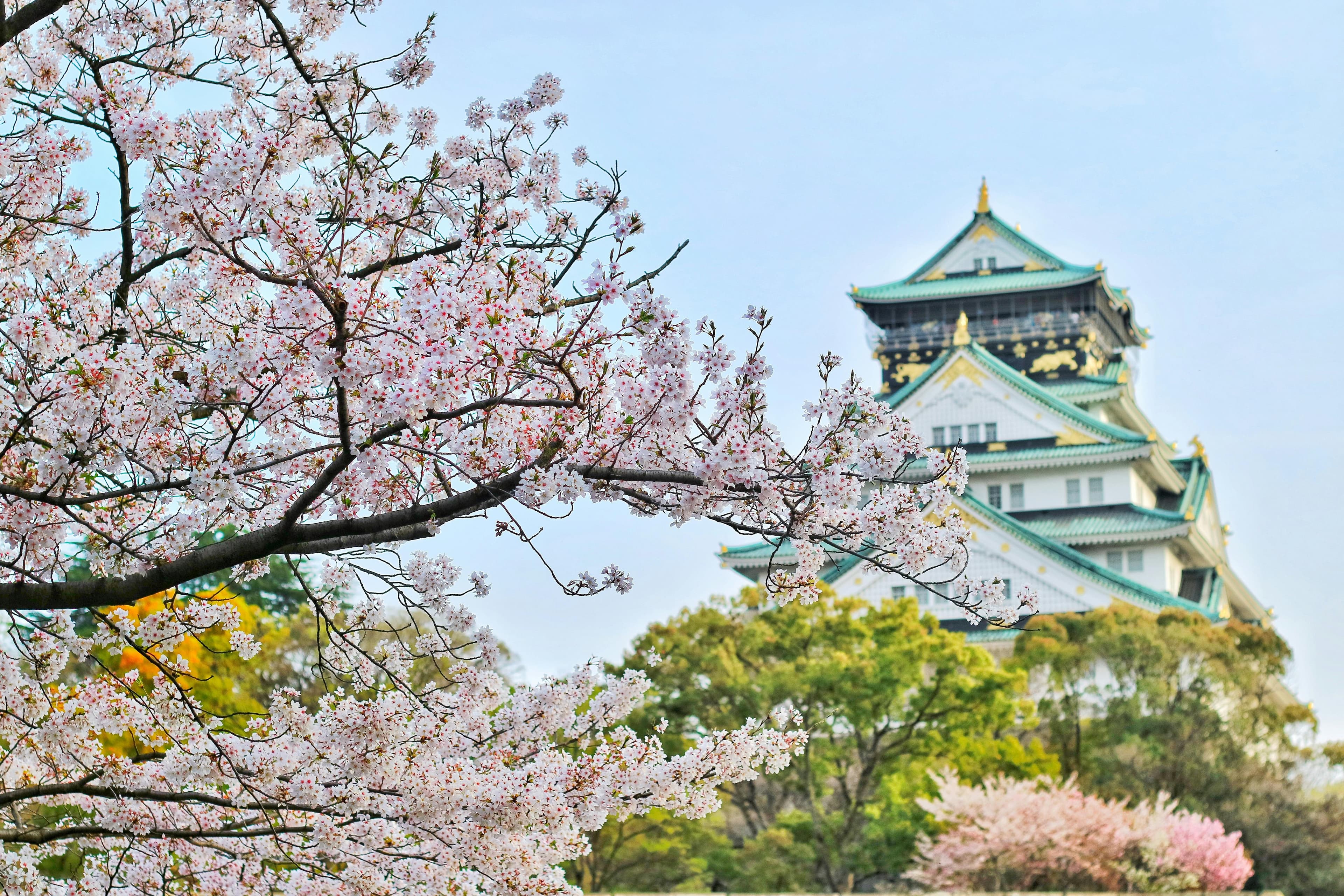
Osaka Castle: Hideyoshi 1583 Symbol of Unification
Osaka Castle was built in 1583 by warlord Toyotomi Hideyoshi as the symbol of unified Japan after the Sengoku civil war period. Construction took 14 years and mobilised tens of thousands of labourers. The castle witnessed the brutal Siege of Osaka (1614-1615), when Tokugawa Ieyasu forces breached the walls and Hideyoshi heir Hideyori committed suicide alongside his mother Yodo, ending the Toyotomi clan and ushering in 260 years of Tokugawa peace. The current concrete reconstruction dates from 1931, with a major Heisei restoration completed in 1997. Entry to the main keep costs ¥1,200 ($8 USD) and includes the history museum chronicling Hideyoshi life. The 2 sq km castle park surrounding it is free and one of the top hanami spots in Kansai during late March-early April.
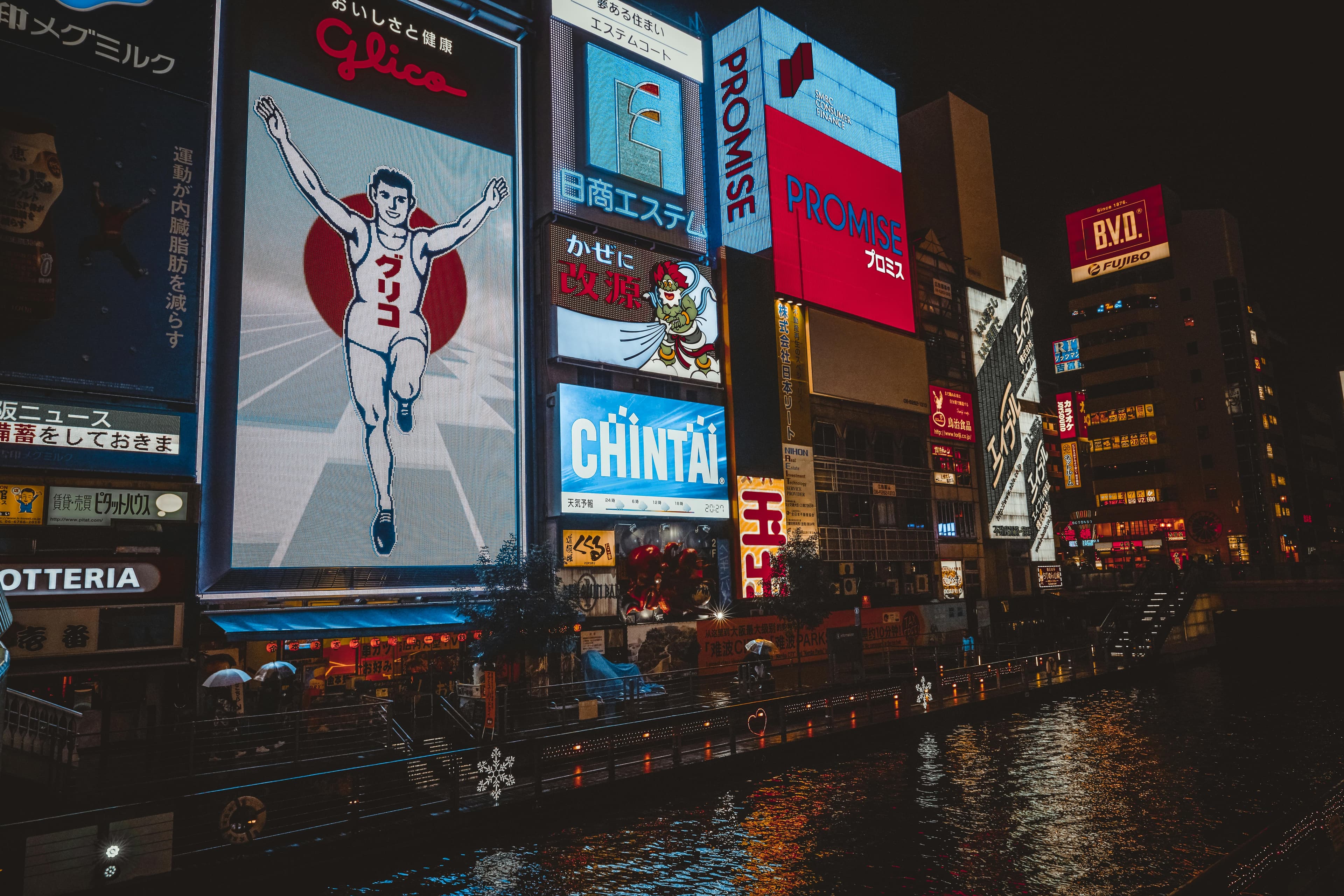
Dotonbori & the Glico Running Man Since 1935
Dotonbori is the beating heart of Osaka and the single most photographed neighbourhood in Kansai. The canal runs east-west through Namba, flanked by giant illuminated signs - the most famous being the Glico Running Man, an enormous neon athlete that has lit the same spot since 1935. The current 6th generation sign was installed in 2014 with full LED illumination and rotating background imagery. The neighbourhood embodies kuidaore - Osaka philosophy of "eat until you drop". Dotonbori invented or popularised takoyaki, okonomiyaki, kushikatsu, and fugu (pufferfish) as restaurant cuisine. Free to walk, best experienced at night when the neon reaches full intensity around 8-10 PM. Closest stations: Namba (any line) or Nipponbashi.
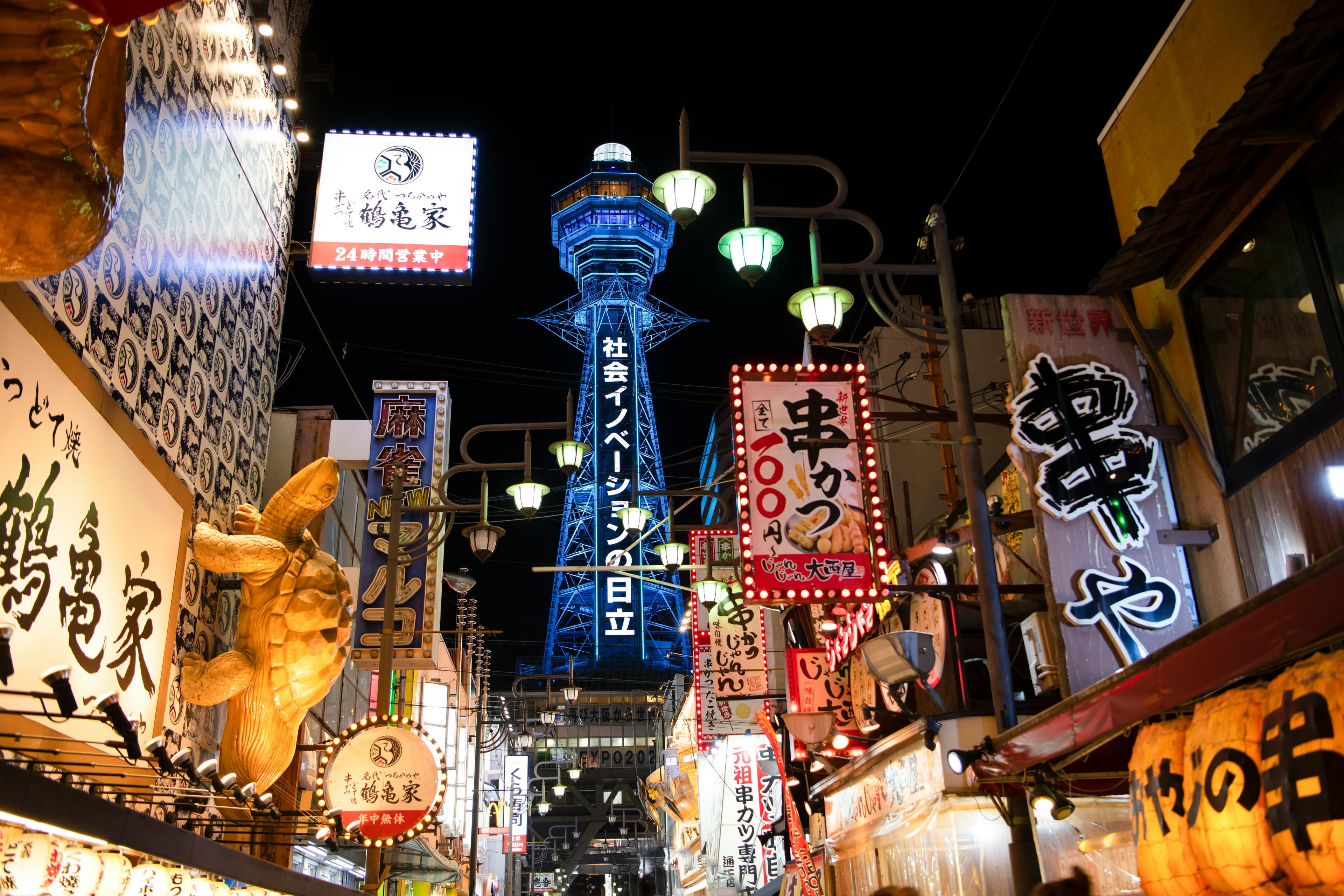
Osaka Street Food Tour: 15 Dishes Through Shinsekai
Osaka earned its "Kitchen of the Nation" nickname (tenka no daidokoro) during the Edo period (1603-1868) when the city served as Japan commercial centre and rice trading hub. Shinsekai - literally "New World" - was built in 1912 inspired by Paris and Coney Island, and remains the birthplace of kushikatsu (deep-fried skewers) and one of the most authentic food neighbourhoods in Japan today. This 3-hour walking tour covers 15 tastings: kushikatsu at its birthplace, fresh sashimi, kobe beef skewers, takoyaki, doteyaki (slow-stewed beef tendon in miso), matcha desserts, and 3 local drinks. With 2,466 verified reviews and a 4.8 rating, it is the most validated food tour in Osaka. The retro Showa-era atmosphere of Shinsekai with neon signs and the iconic Tsutenkaku Tower (built 1912, 103m tall) feels like Tokyo as it existed before the war.
Theme park experience
Universal Studios Japan: Super Nintendo World
Universal Studios Japan is the second-most visited theme park in Japan after Tokyo Disney Resort, delivering world-class entertainment with two anchor lands: Super Nintendo World (opened March 2021, the only one in Asia) where you race Mario Kart with AR-equipped Power-Up Bands, and the Wizarding World of Harry Potter (opened July 2014) with the Forbidden Journey ride that won Best Dark Ride for five consecutive years. USJ also has the only operating Jaws ride in the world (the original closed in Orlando in 2012). Located 30 minutes from central Osaka via the JR Yumesaki Line. The park opens 9 AM and closes 8-10 PM depending on season. Standard entry costs $57+ but weekends and holidays mean 90+ minute waits for popular rides without an Express Pass (~$70 extra).
Still planning your Asia trip?
Travellers spend an average of 8 hours researching Asian destinations. Our Decision Engine does it in 30 seconds — comparing Japan against Vietnam, Thailand, Bali, Cambodia, and more.
Daily costs · weather windows · visa specifics · festivals · what is overrated — based on YOUR budget, dates and travel style.
Get Your Verdict in 30 Seconds →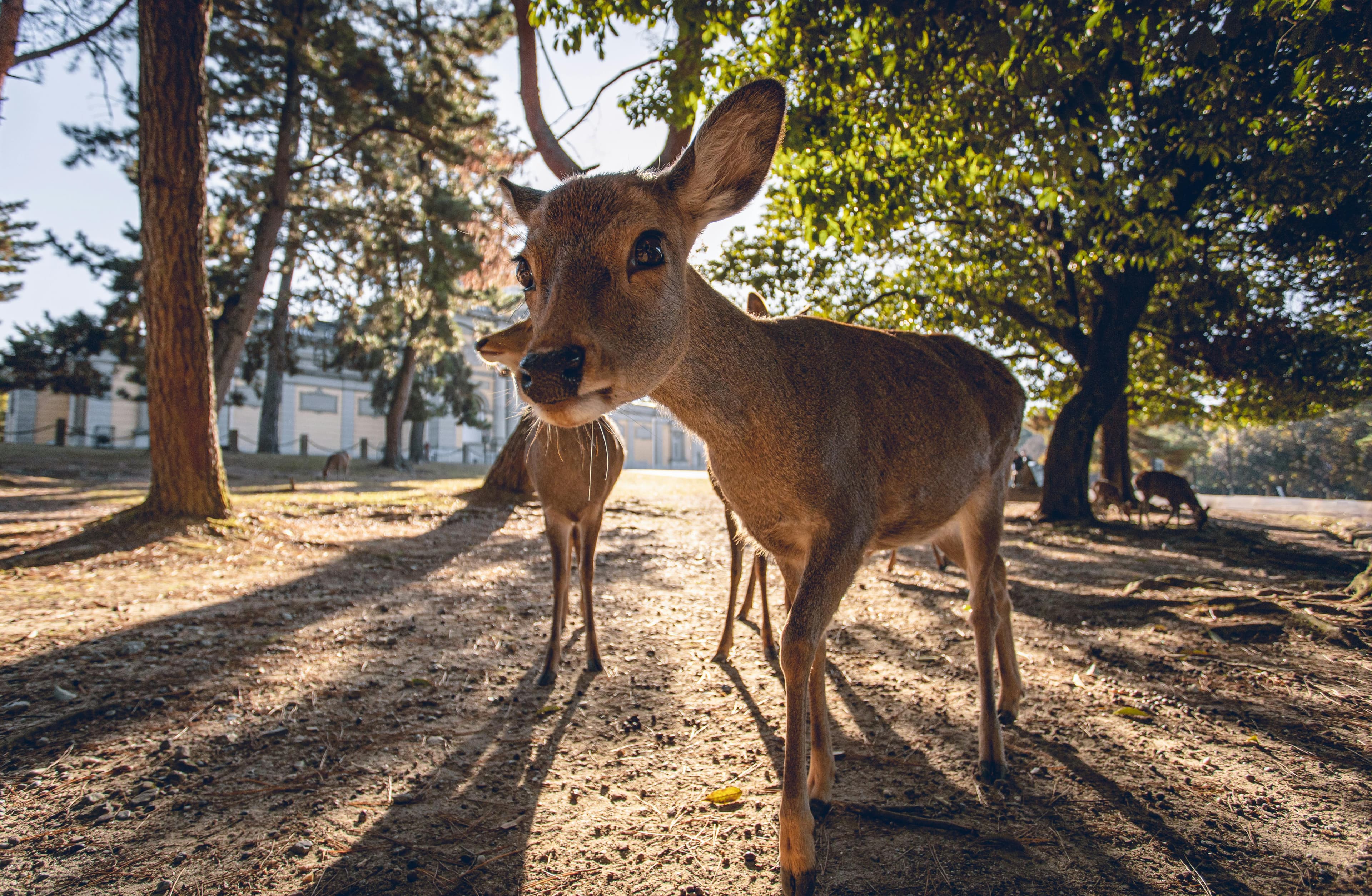
Nara, Fushimi Inari & Arashiyama Day Trip
Nara is unmissable. 1,300 sika deer roam freely across the 1,360-acre Nara Park, considered sacred messengers in Shinto belief and protected by law since 1957. The deer bow politely for crackers (shika senbei, ¥200 / $1.30) and have lived in this park for over 1,000 years. At the heart of the park stands Todai-ji Temple, housing Japan largest bronze Buddha (Daibutsu) - 15 metres tall, cast in 752 AD from a single piece weighing 500 tons. This combined day trip pairs Nara with Fushimi Inari (Kyoto 10,000 vermillion torii gates climbing Mount Inari) and Arashiyama (the famous bamboo grove + Togetsukyo Bridge + Nonomiya Shrine). Pickup is available from both Osaka and Kyoto - choose your departure city when reserving. Tour runs 9 hours including transport. With 1,943 verified reviews and a 4.7 rating, this is the most validated Kansai combined day trip.
Sumiyoshi Taisha: Japan Pre-Buddhist Architecture
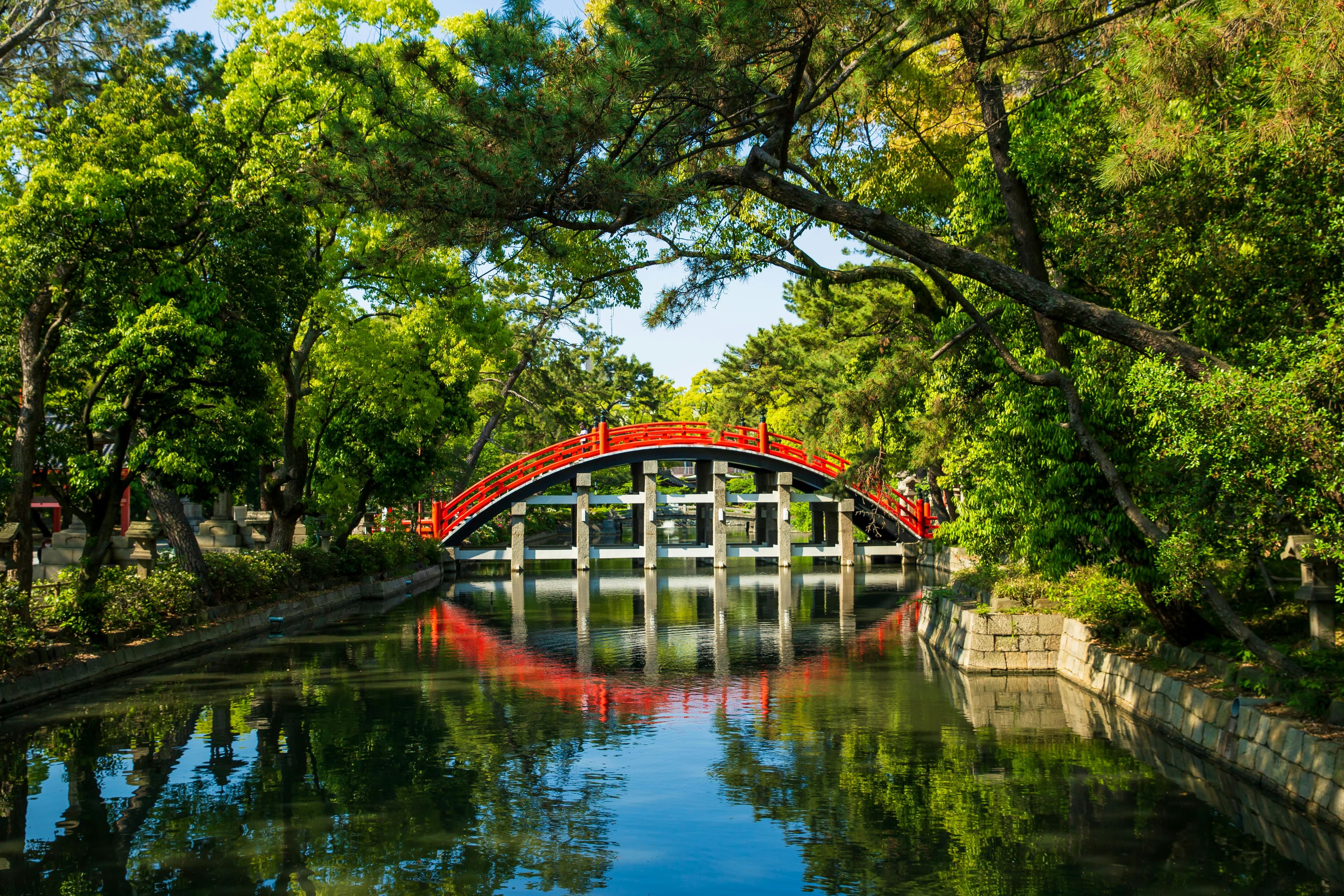
Sumiyoshi Taisha is one of Japan oldest shrines, founded in 211 AD by Empress Jingu - 600 years before Buddhism arrived in Japan. It gives its name to Sumiyoshi-zukuri, one of only THREE architectural styles considered purely native to Japan (the others are Shinmei-zukuri at Ise Jingu and Taisha-zukuri at Izumo Taisha). Straight thatched roofs without the curves later imported from China, vermillion pillars, white walls, square crossed finials. The four main halls - all designated National Treasures and rebuilt in 1810 in identical ancient style - are arranged in a rare straight east-west line facing the sea (Sumiyoshi was originally a coastal shrine before land reclamation pushed Osaka Bay west). The Sorihashi Bridge with its dramatic high arch is one of the most photographed spots in Osaka. Affectionately called "Sumiyossan" by locals. About 2 million visitors arrive each January for hatsumode, the first shrine visit of the New Year.
Ramen & Gyoza Cooking Class in Dotonbori
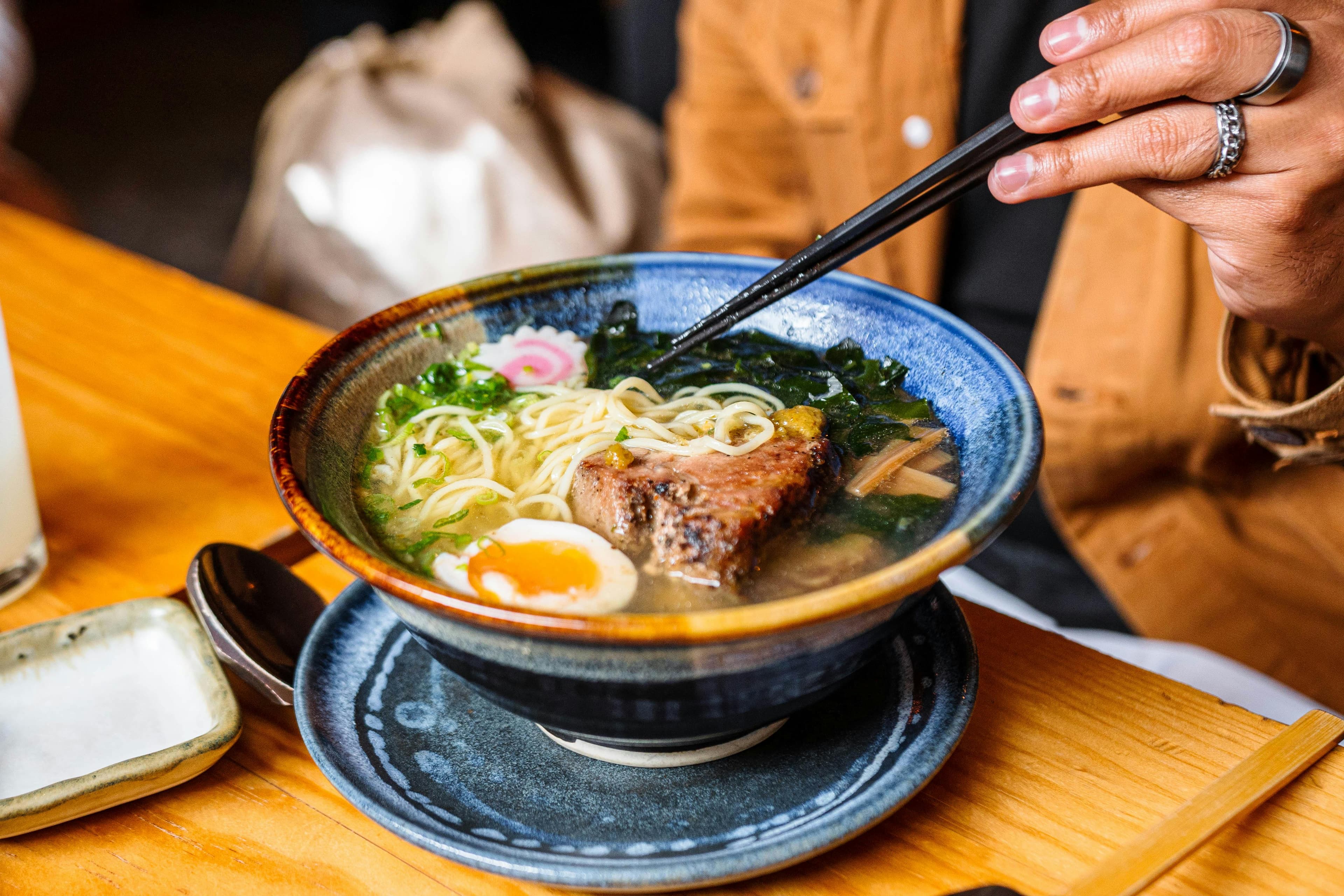
Takoyaki was invented in Osaka in 1935 by Tomekichi Endo at his Aizuya stall in Namba (5-5 Namba, Chuo - still open today, awarded Michelin Bib Gourmand 2016-2018). Endo had been selling rajioyaki (beef-filled batter balls) since 1933 when a customer from Akashi suggested using octopus instead - the rest is street food history. The original Aizuya recipe uses no sauce or toppings, just octopus and dashi-rich batter, the way Endo intended. For a hands-on cooking experience in Osaka, the better choice is a 3-hour ramen and gyoza class in Dotonbori. You work with tonkotsu broth from scratch, fold dumplings using proper technique, and pull fresh noodles. With a perfect 5.0 rating across 483 reviews, this is the most validated cooking class in Osaka and the only one with zero negative reviews.
Quick Comparison
Osaka vs Tokyo vs Kyoto: Which to Visit?
| Category | Osaka | Tokyo | Kyoto |
|---|---|---|---|
| Best for | Food, nightlife, accessibility | Modern Japan, neon, variety | Temples, gardens, traditional |
| Days needed | 2-3 days | 4-5 days minimum | 3-4 days |
| Mid-range hotel | $80-120/night | $120-170/night | $100-150/night |
| Restaurant meal | $5-10 | $8-13 | $10-15 |
| Pace | Loud, casual, friendly | Fast, formal, overwhelming | Slow, reverent, quiet |
| Top attraction | Dotonbori (free) | Senso-ji (free) | Fushimi Inari (free) |
| Day trip base | Excellent (Nara, Kobe, Himeji) | Limited (Mt Fuji, Nikko) | Good (Nara, Osaka) |
| English-friendly | Medium-high | High | Medium |
| First-time visitors | ★★★★★ Best entry | ★★★★ Overwhelming | ★★★★ Cultural depth |
Osaka costs 15-25% less than Tokyo for accommodation and dining in 2026. Best base for the Kansai region.
Local Intelligence
Osaka Amazing Pass
¥2,800 ($19) for 1 day or ¥5,000 ($34) for 2 days. Unlimited metro and bus plus free entry to 35+ attractions including Osaka Castle, Tsutenkaku and Umeda Sky Building. Worth it if you visit 3+ paid attractions per day. Cheaper alternative: ICOCA card (¥2,000 minimum charge) works on all transit but no attraction discounts.
Cash-First City
Most street food vendors and small restaurants in Dotonbori, Shinsekai and Kuromon Market are cash-only. Convenience store ATMs (7-Eleven, Lawson, FamilyMart) accept foreign cards 24/7. Carry ¥10,000-15,000 in cash daily. Tipping is not customary — never tip in restaurants or taxis (it confuses staff).
Osaka vs Tokyo Costs
Osaka costs 15-25% less than Tokyo for hotels and restaurants in 2026. Mid-range hotels $80-120/night vs Tokyo $120-170. Restaurant meals $5-10 vs $8-13 for equivalent quality. Major attractions cost similar. Best base for Kansai (Kyoto, Nara, Kobe, Himeji all reachable as day trips with luggage in one hotel).
People Also Ask
Frequently Asked Questions
Is 2 days enough for Osaka?
Yes, 2 days covers the essentials: Osaka Castle, Dotonbori, Kuromon Market, and Shinsekai. Add a 3rd day for Universal Studios Japan or a Kansai day trip (Nara, Kyoto, Kobe). Osaka is more compact than Tokyo, so you can see more in less time.
What is Osaka famous for?
Osaka is famous for being Japan culinary capital ("Kitchen of the Nation"), home to takoyaki (invented 1935), kushikatsu (born in Shinsekai 1912), okonomiyaki, and Dotonbori's neon-lit canal district. It is also Japan third-largest city, the historic seat of Toyotomi Hideyoshi (1583), and base for Universal Studios Japan plus Kansai region day trips.
Should I stay in Osaka or Kyoto?
Stay in Osaka if you prioritise food, nightlife, modern entertainment (USJ), and easier access to Kobe and Nara. Stay in Kyoto if you prefer temples, gardens, traditional atmosphere, and slower pace. Both connect by 15-minute shinkansen, so many travellers split: 2-3 nights Osaka + 2-3 nights Kyoto.
Is Osaka safe at night?
Osaka is exceptionally safe at night, even in nightlife districts like Dotonbori, Shinsekai and Namba. Japan ranks among the world's safest countries (UNODC 2024 data). Solo female travellers report walking alone at midnight without issues. The only minor concern is Shinsekai's Tobita Shinchi area (red-light district to avoid), clearly demarcated and easy to skip.
What is the best month to visit Osaka?
Late March to early April for cherry blossoms (Osaka Castle Park is one of Kansai's top hanami spots, 16-22°C). October-November for autumn foliage (14-20°C, clear weather). Avoid June-July rainy season, August (35°C+ with 80% humidity), and Golden Week (April 29-May 5) when domestic crowds spike.
Continue Exploring Japan
Build Your Japan Cluster
Where to Stay
Find Your Hotel in Osaka
Stay in Namba for food and nightlife (Dotonbori is here), Umeda for transport access and skyline views, or Shinsaibashi for shopping with quick metro access to everything.
Search Hotels on Booking.com →Now you know what Osaka offers.
The harder question: is Japan worth your $80-150/day budget for two weeks in your travel style — or does Vietnam at $75/day deliver more for you?
Get your verdict in 30 seconds. You will see Japan worth-it score, daily cost, weather window, visa specifics — and a second destination ranked against your profile.
Try the AI Decision Engine →100% real data · No opinions · No sponsored results · Always free