Tokyo overwhelms. Kyoto whispers. The choice depends on what you need from Japan.
One is the world\u2019s 3rd largest urban agglomeration with 33.4 million people, 800+ Michelin restaurants, and the busiest pedestrian crossing on Earth. The other was Japan\u2019s imperial capital for over 1,000 years (794-1868 AD), preserves 1,600 Buddhist temples, and survived WWII intact when most of Tokyo burned. Most travellers do both. The harder question is what comes BEFORE that decision: is Japan even the right base for your trip?
Skip the 8 hours of research. Get a Worth-It Score for Japan in 30 seconds.
Get Your Japan Verdict →30 seconds · 100% real data · No sponsored opinions
At a Glance
Tokyo vs Kyoto: 13 Categories Compared
| Category | 🗼 Tokyo | ⛩ Kyoto |
|---|---|---|
| Daily cost (mid-range) | $175/day | $109/day — 38% cheaper |
| Daily cost (budget) | $80-100/day | $60-80/day |
| Population (city) | 14.7M | 1.42M |
| Population (metro) | 33.4M (3rd worldwide) | 3.78M |
| Best for | Modern, neon, variety | Temples, gardens, traditional |
| Days needed minimum | 4-5 days | 3-4 days |
| Top neighbourhoods | Shibuya, Shinjuku, Asakusa | Gion, Higashiyama, Arashiyama |
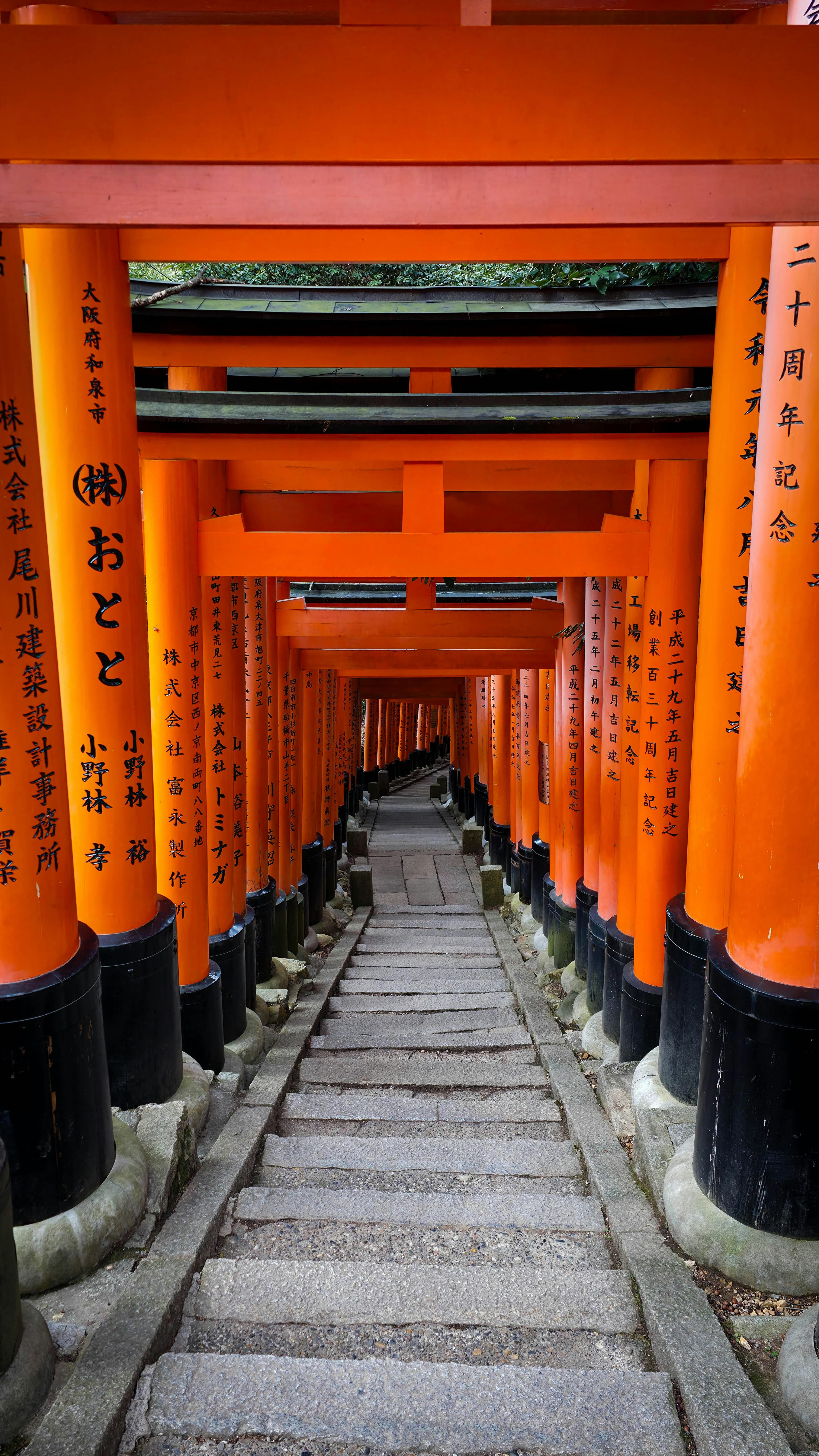
| Top free attraction | Senso-ji (645 AD) | Fushimi Inari (711 AD) |
| Day trip options | Mt Fuji, Hakone, Nikko | Nara, Osaka, Hiroshima |
| Pace | Fast, formal, intense | Slow, reverent, quiet |
| English-friendly | High | Medium |
| Best season (peak prices) | Mar-May, Oct-Nov | Mar-Apr DOUBLE prices |
| First-time visitors | ★★★★★ Modern Japan | ★★★★★ Traditional depth |
Sources: BudgetYourTrip 2026 verified traveller data, UN World Urbanization Prospects 2025, Japan Statistics Bureau
The Money Question
Real Daily Costs: Kyoto Is 38% Cheaper
This is the biggest surprise for most travellers. According to BudgetYourTrip 2026 data — based on real expenses from verified travellers — Kyoto averages $109 per day mid-range versus Tokyo at $175 per day. That makes Kyoto 38% cheaper across accommodation, food, transport, and entertainment combined.
The breakdown: mid-range Tokyo hotels run $120-170 per night versus Kyoto $90-140. Restaurant meals cost $8-13 in Tokyo versus $7-12 in Kyoto. Local transport is comparable. Major attraction tickets are similar (most Kyoto temples charge ¥400-700 = $3-5 entry).
During cherry blossom season (late March to early April) and autumn foliage peak (mid-November), Kyoto accommodation can DOUBLE — sometimes surpassing Tokyo prices. A $130/night hotel in February becomes $260+ during sakura. Book 3-6 months ahead for these windows or stay in Osaka and commute (15 min by train).
Quick reality check
Japan averages $130-230/day mid-range. Vietnam delivers similar quality at $75/day. Thailand at $90/day. Is Japan worth the premium for YOUR profile?
Compare Japan vs SE Asia →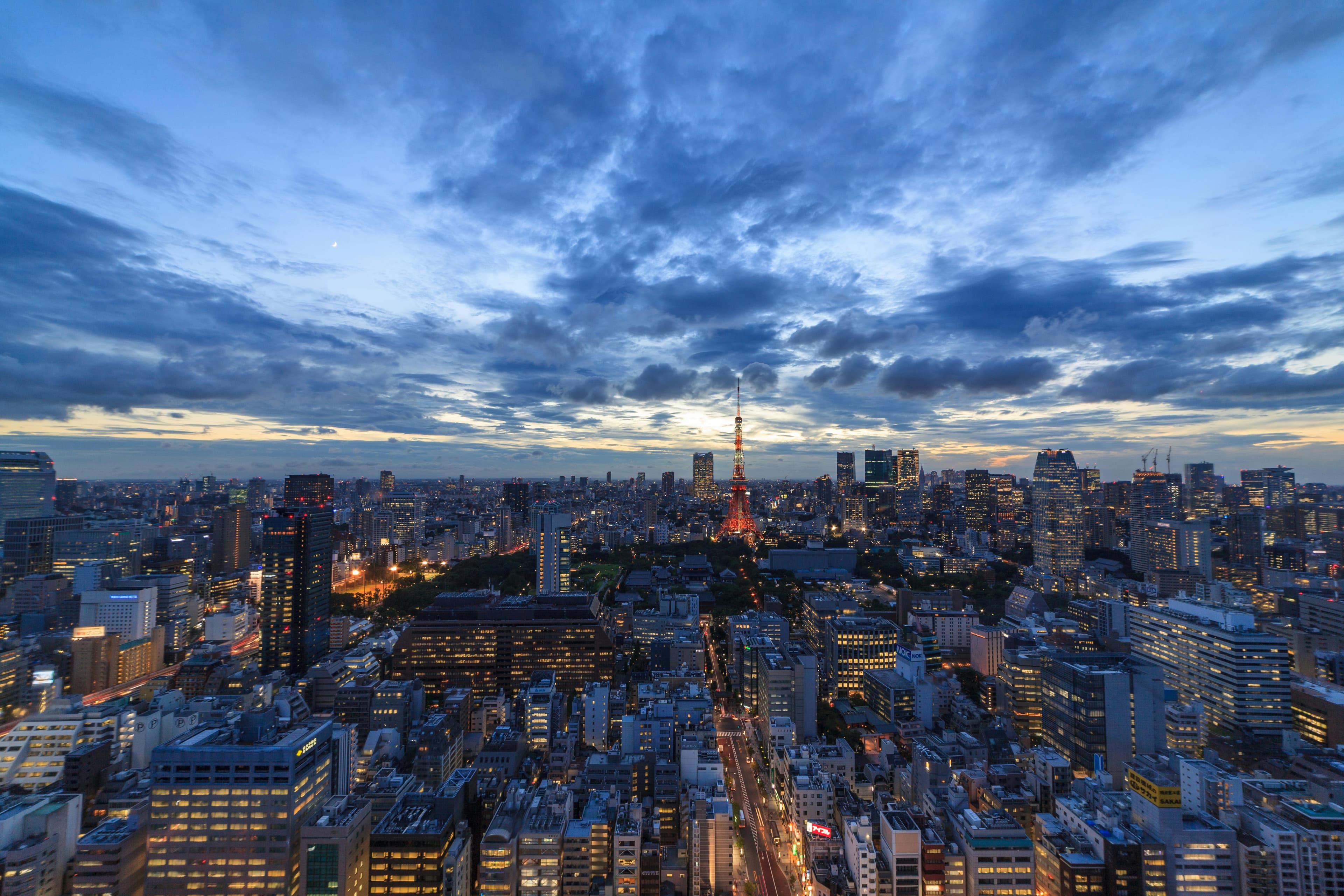
Tokyo: The Modern Overwhelm
Tokyo is intensity. 14.7 million people in the city, 33.4 million in the metro area (3rd largest worldwide per UN 2025 data), 23 distinct wards each with its own character. From Shibuya neon and Akihabara anime culture to 600 sushi Michelin restaurants and the world\u2019s busiest pedestrian crossing (3,000 people per cycle), Tokyo delivers stimulation. Senso-ji Temple founded in 645 AD coexists with teamLab Planets digital art opened 2018. The rail network runs to the second.
Kyoto: The Whispered Capital
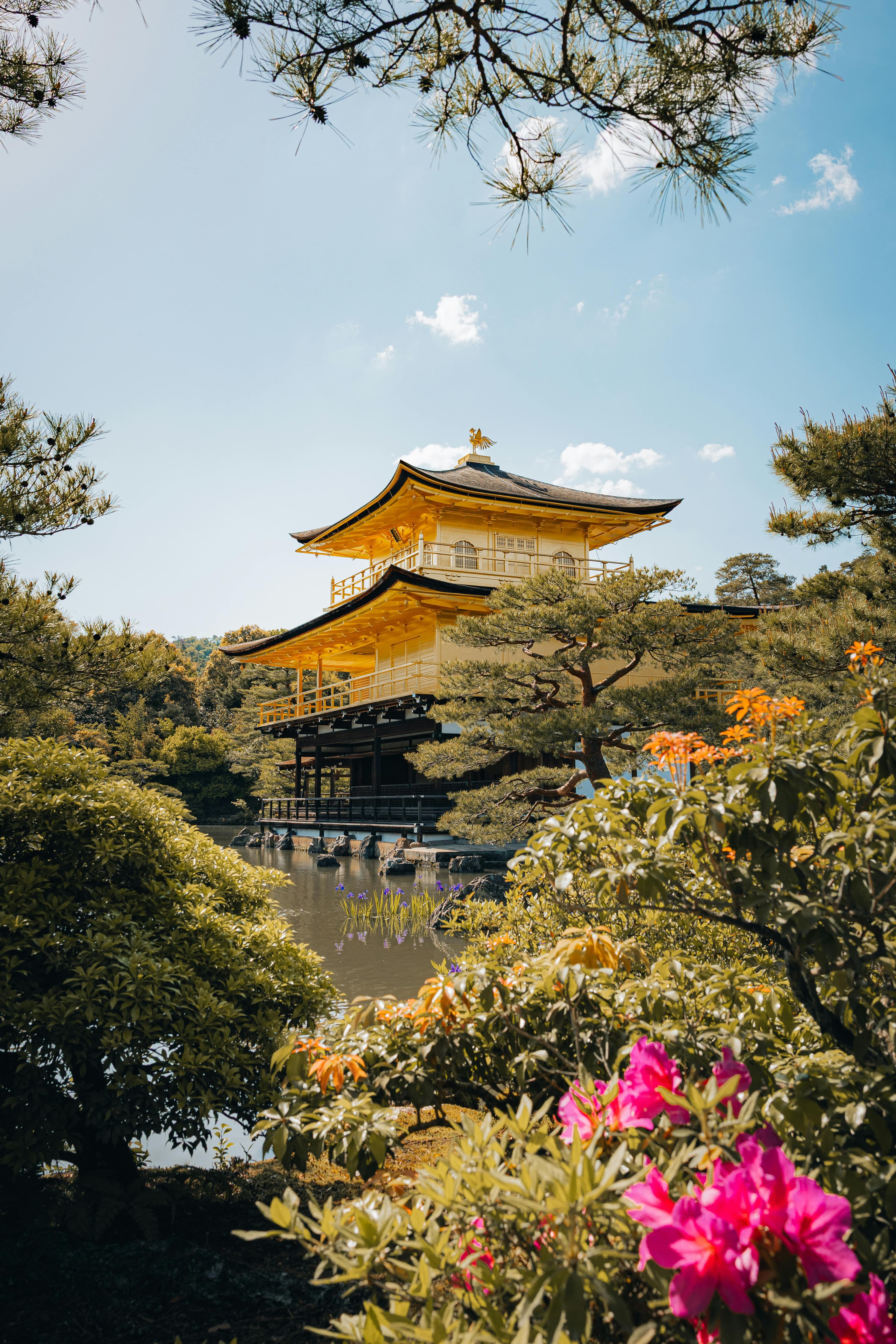
Kyoto was Japan\u2019s imperial capital for over 1,000 years (794-1868 AD), founded as Heian-kyō by Emperor Kanmu. While most of Tokyo burned in March 1945 firebombing, Kyoto was famously spared by US Secretary of War Henry Stimson, who had honeymooned there decades earlier. The result: 1,600 Buddhist temples, 400 Shinto shrines, 17 UNESCO World Heritage Sites, intact geisha districts (Gion still has working maiko and geiko), and traditional architecture you cannot see anywhere else in Japan. Population 1.42 million — 10x smaller than Tokyo. Pace 10x slower.
Honest Reframe
Tokyo or Kyoto is the easy decision. Japan or Vietnam is the hard one.
Most travellers spend 8 hours researching Asian destinations and still feel uncertain. Our Decision Engine compares Japan against Vietnam, Thailand, Bali, and Cambodia — daily costs, weather windows, visa specifics, and a worth-it score for YOUR budget and travel style — in 30 seconds.
Compare Asia in 30 Seconds →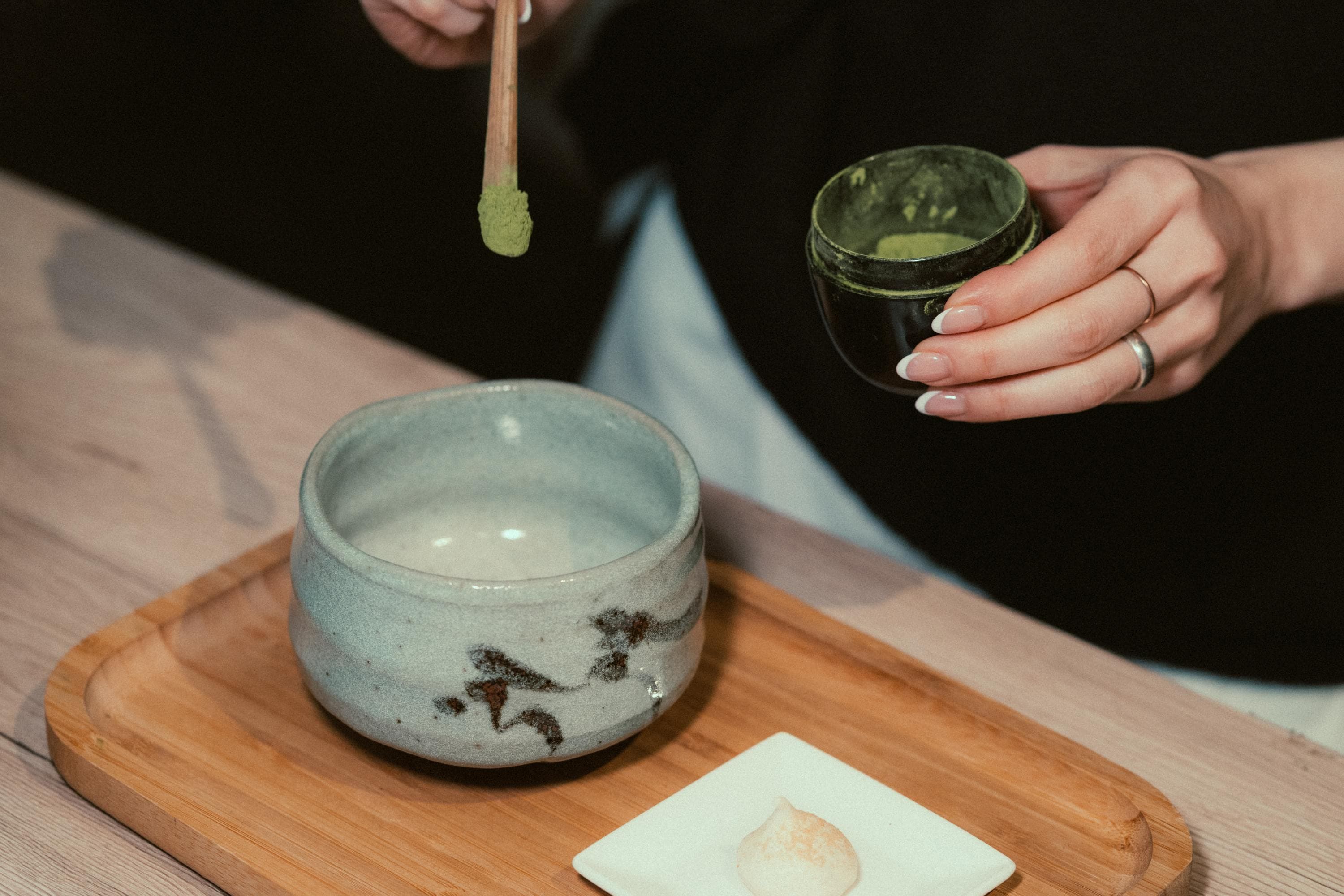
Tokyo vs Kyoto: Food Culture
Tokyo holds 200+ Michelin stars (more than Paris) across every imaginable cuisine: Edomae sushi at Tsukiji, ramen alleys in Shinjuku, izakaya hopping in Golden Gai, kaiten conveyor sushi, Tokyo-style monjayaki. Variety is the defining feature. Budget meals from $5 (gyudon at Yoshinoya) to $300+ omakase. The choice is overwhelming.
Kyoto is refinement. Kaiseki — the multi-course imperial cuisine — was born here. Tofu was perfected by Buddhist monks. Yudofu (hot pot tofu) and obanzai (home-style Kyoto cooking) are local specialities. Tea ceremony culture is alive in Uji (15 min south of Kyoto). Less variety than Tokyo but more depth, more seasonality, more ritual. A traditional kaiseki dinner runs $80-200 per person.
🚄 Getting Between Them
Tokyo to Kyoto: 2h 15min by Shinkansen
Nozomi Shinkansen (fastest)
2h 15min · ¥14,170 (~$94 USD) one-way reserved seat. Departures every 10 minutes from Tokyo Station. NOT covered by JR Pass — must use Hikari (slightly slower) for pass holders.
JR Pass — Worth It?
7-day JR Pass: $200-280 USD in 2026. Pays off ONLY if doing Tokyo-Kyoto-Hiroshima or longer loops. For Tokyo-Kyoto round-trip alone (~$188), individual tickets are cheaper. Calculate before buying.
Cheaper Alternatives
Overnight bus: $30-40 one-way, 7-9 hours. Domestic flight Tokyo-Osaka Itami: $80-150 + 15 min train to Kyoto, but airports waste time. Shinkansen is best value for time saved.
The Honest Verdict
Who Should Go Where
First-time Japan visitor with 7-10 days
Do BOTH. 4-5 nights Tokyo, then 3-4 nights Kyoto via shinkansen. This is the proven combination — modern overwhelm followed by traditional decompression. Add Osaka (15 min from Kyoto) for food and nightlife if you have 10+ days.
Less than 5 days in Japan
Tokyo only. Trying to squeeze Kyoto into a 4-day trip means rushing both cities. Tokyo has enough variety for a short trip — Senso-ji for tradition, teamLab for modern, Mt Fuji as day trip. Save Kyoto for a return trip.
Cultural depth over urban experience
Kyoto-base trip. Stay 5-7 nights in Kyoto, add day trips to Nara (deer + 752 AD Buddha), Osaka (food capital), Himeji (Japan finest castle), and Mt Koya (temple stay). Skip Tokyo entirely if your priority is temples and tradition.
Photography or food obsession
Tokyo-base. Kyoto temples are crowded and many ban photography indoors. Tokyo offers infinite photographic variety (neon, architecture, street life) and 800+ Michelin restaurants. Use Tokyo as base, do Kyoto as 2-day shinkansen trip.
Travelling with elderly parents or limited mobility
Kyoto. Slower pace, fewer crowds outside peak season, more sit-down restaurant culture, better wheelchair access at major temples. Tokyo metro stairs and 23 wards of walking are exhausting. Kyoto compact city centre is far easier.
Decision Engine
Travellers used our Decision Engine to compare Asian destinations this month
See how Japan ranks against Vietnam, Thailand, Bali, and Cambodia for YOUR profile — based on budget, travel dates, and style. 30 seconds, no email required to see results.
Get Your Worth-It Score →People Also Ask
Frequently Asked Questions
Is Kyoto cheaper than Tokyo?
Yes. According to BudgetYourTrip 2026 data, Kyoto averages $109 per day mid-range versus Tokyo at $175 per day — making Kyoto approximately 38% cheaper. Hotels, restaurants, and local transport all cost less in Kyoto, except during cherry blossom season (late March-early April) when Kyoto accommodation can double or even surpass Tokyo prices.
Should I visit Tokyo or Kyoto first?
Most international flights land at Tokyo Narita or Haneda, so Tokyo first makes practical sense. Tokyo is intense and modern; Kyoto is calmer and traditional. Doing Kyoto after Tokyo provides cultural decompression. The reverse (Kyoto first, Tokyo last) often leaves travellers exhausted by Tokyo intensity at trip end.
How long is the shinkansen from Tokyo to Kyoto?
The Nozomi shinkansen takes 2 hours 15 minutes from Tokyo to Kyoto, covering 450 km. A one-way ticket costs approximately $130 USD in 2026, or $260 round-trip. The JR Pass (7 days at $200-280) only pays off if you do Tokyo-Kyoto-Hiroshima or longer loops — for Tokyo-Kyoto round-trip alone, individual tickets are cheaper.
Can I do Tokyo and Kyoto in one trip?
Yes — most first-time visitors do exactly this. The standard Japan itinerary is 4-5 nights Tokyo, 2 hour shinkansen to Kyoto, 3-4 nights Kyoto. Total trip 7-10 days. Many add Osaka (15 minutes from Kyoto) for food and nightlife, making it a triangle Tokyo-Kyoto-Osaka covering both modern and traditional Japan.
Is 3 days enough in Kyoto?
Yes, 3 days covers Kyoto essentials: Fushimi Inari, Kinkaku-ji (Golden Pavilion), Arashiyama bamboo grove, Gion geisha district, and Kiyomizu-dera. Add a 4th day for tea ceremony, kimono experience, or day trip to Nara (45 min away with 1,300 sacred deer). 5+ days lets you slow down and experience temple stays and quieter neighbourhoods.
When is the best time to visit Tokyo and Kyoto?
Late March to early April for cherry blossoms (sakura, 18-22°C) or October-November for autumn foliage (15-20°C, clearest Mount Fuji visibility). Avoid June-July rainy season, August (35-38°C with extreme humidity), and Golden Week (April 29-May 5) when domestic crowds spike and Kyoto hotel prices double. Kyoto requires booking 3-6 months ahead for sakura season.
Where should I stay in Japan: Tokyo or Kyoto?
For first-time visitors, base in BOTH. Spend 4-5 nights Tokyo for modern Japan (neon, food variety, day trips to Mt Fuji), then move base to Kyoto for 3-4 nights of traditional Japan (temples, gardens, slower pace). The 2-hour shinkansen between them makes splitting practical. Choose ONLY Tokyo if under 5 days; ONLY Kyoto if you specifically want temples over urban experience.
Is Kyoto boring compared to Tokyo?
No, but Kyoto is slower. Tokyo delivers stimulation: 800+ Michelin restaurants, neon districts, digital art, world-class shopping. Kyoto delivers depth: 1,600 Buddhist temples, geisha districts, zen gardens, tea houses unchanged for centuries. Travellers who find Kyoto "boring" usually rushed it in 1-2 days. Allocated 3+ days, Kyoto is meditative not boring — and that contrast is exactly what makes Japan feel like two countries in one.
How much does Tokyo to Kyoto cost?
The Nozomi shinkansen costs ¥14,170 (~$94 USD with reserved seat) one-way Tokyo to Kyoto in 2026, or roughly $188 round-trip. Hikari shinkansen is slightly cheaper but takes 2h 40min. Buses are $30-40 one-way but take 7-9 hours overnight. Domestic flights to Osaka Itami (then 15 min train to Kyoto) cost $80-150 but waste time at airports.
What is the difference between Tokyo and Kyoto?
Tokyo (population 14.7M city, 33.4M metro area — 3rd largest urban agglomeration worldwide per UN 2025 data) is modern Japan: neon, technology, intensity, 23 distinct wards, anime culture, and the world's most efficient rail. Kyoto (population 1.42M) was Japan's imperial capital from 794 AD to 1868 AD — over 1,000 years — and preserves 1,600 Buddhist temples, 400 Shinto shrines, geisha culture, and traditional architecture that survived WWII bombing.
Continue Exploring Japan
Build Your Japan Cluster
Where to Stay
Find Your Hotel — Tokyo or Kyoto
🗼 Tokyo
Stay in Shinjuku for transport access, Asakusa for traditional Edo atmosphere, or Shibuya for shopping and 24/7 energy.
Tokyo Hotels →⛩ Kyoto
Stay in Gion for geisha district atmosphere, Higashiyama for temple access, or near Kyoto Station for shinkansen convenience.
Kyoto Hotels →You now know the difference.
The harder question: is Japan worth your $130-230/day budget for two weeks in your travel style — or does Vietnam at $75/day, Thailand at $90/day, or Bali at $60/day deliver more for you?
Get your verdict in 30 seconds. You will see Japan worth-it score, daily cost, weather window, visa specifics — and a second destination ranked against your profile.
Try the AI Decision Engine →100% real data · No opinions · No sponsored results · Always free