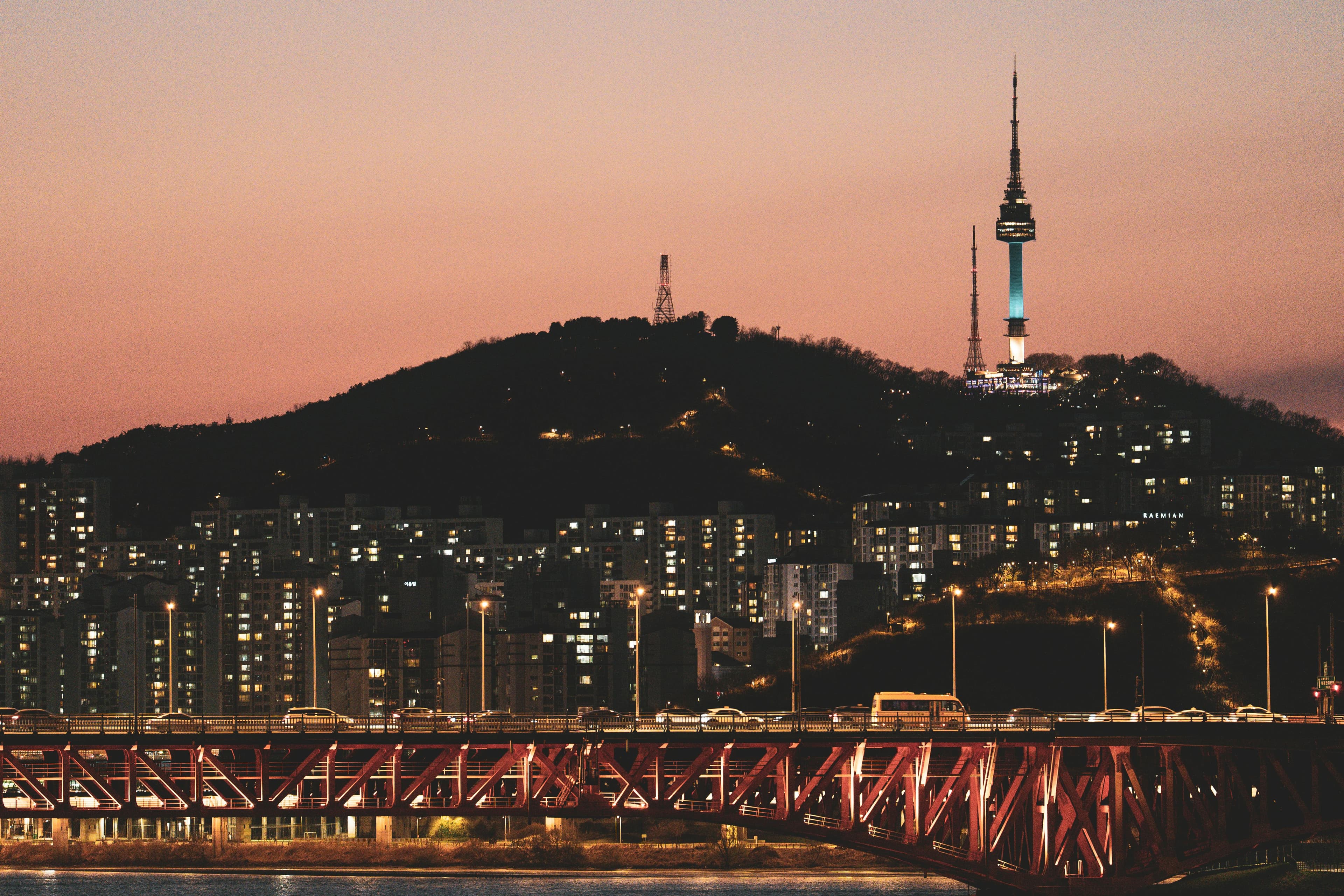
South Korea in 2026 is having a moment unlike any other Asian destination. The numbers tell the story but miss the soul.
The Korea Tourism Organization confirmed Q1 2026 brought 4.76 million international visitors - highest quarter in Korean tourism history (+23% YoY). March 2026 alone hit 2.06 million visitors, driven heavily by the BTS comeback concert. Korea posted its first tourism surplus in 11 years ($260M). National Geographic named South Korea a top destination for 2026. But statistics alone do not answer the real question: is South Korea worth visiting for YOU in 2026? After cross-referencing data from Korea Tourism Organization, Ministry of Culture Sports Tourism, and 30+ honest traveler reviews from January to May 2026, the pattern emerges. Korea in 2026 is simultaneously at peak global popularity AND remarkably easy to enjoy. Unlike Bali (overtouristed) or Thailand (cheap but chaotic), Korea has scaled tourism while maintaining infrastructure quality, safety, and authentic cultural depth.
Skip 8 hours of research. Get YOUR personalized South Korea worth-it score in 30 seconds.
Get Your Korea Verdict →30 seconds · 100% real data · No sponsored opinions · Always free
Jump to section
Table of Contents
The 2026 Picture
The 2026 Korea Reality: Record-Breaking Year
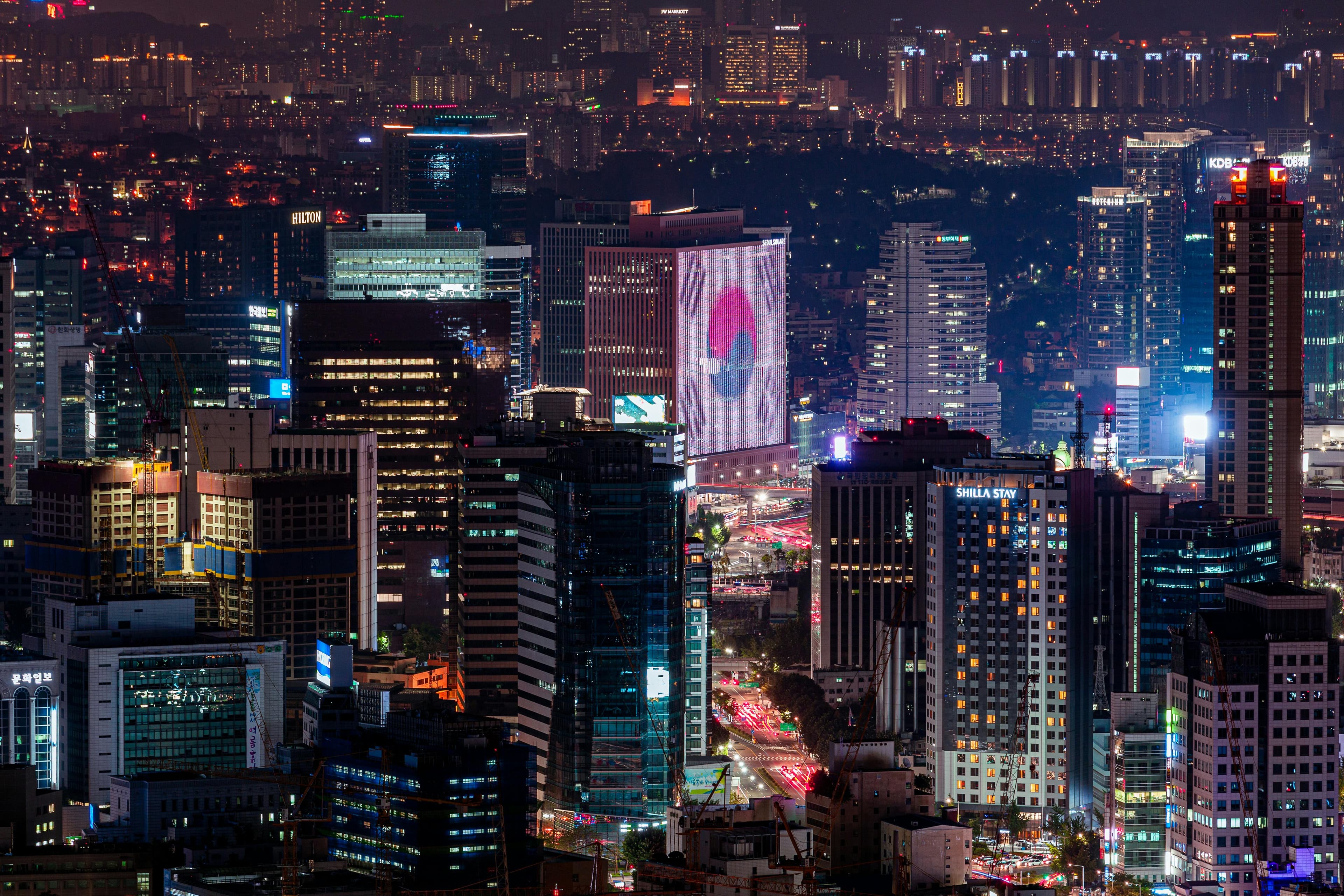
For most of the 2010s, South Korea was a side trip - a 3-day Seoul add-on for travelers flying to Japan or Southeast Asia. That equation has fundamentally changed. In 2026, Korea is a primary Asian destination on par with Japan and Thailand, driven by an unprecedented confluence of cultural exports, infrastructure investment, and global enthusiasm.
The tourism numbers: Korea welcomed 4.76 million international visitors in Q1 2026 alone - the highest quarter on record (+23% YoY). March 2026 broke the all-time monthly record with 2.06 million visitors, driven heavily by BTS comeback concerts that brought fans from 50+ countries. The 2024 full-year total reached 16.37 million visitors (93% of pre-pandemic levels), and 2026 is on track for 18-22 million. China remained the #1 source market (1.4M in Q1, 30%), followed by Japan, Taiwan, USA, and Vietnam. Average spending per visitor: $1,231 in Q1 2026. Tourism now accounts for 2.4% of Korean GDP at $32.6 billion.
The cultural moment: 2026 represents peak Hallyu (Korean Wave) impact. K-pop, K-drama, K-beauty, and Korean cinema have made Korea the most culturally relevant destination in Asia for travelers under 35. National Geographic chose Korea as a Top 2026 destination. Korea posted its first tourism surplus ($260M) in 11 years - foreign visitors spent more in Korea than Koreans spent abroad. The won has weakened slightly against the USD (1 USD = 1,500 KRW in May 2026), giving foreign visitors solid buying power.
The result: 2026 Korea offers a rare combination - a country at peak global popularity that has NOT yet been ruined by overtourism. The infrastructure scales smoothly (Seoul subway among top 3 globally), safety remains exceptional (15th safest country worldwide), and authentic cultural experiences (DMZ tours, jjimjilbang, KBO baseball, K-pop dance shows) are widely accessible to foreign visitors. For most traveler profiles in 2026, Korea is one of the most rewarding destinations available globally.
- K-ETA mandatory: Korea Electronic Travel Authorization required for all visa-free nationals since 2021. $10 fee, 3-year validity, apply at k-eta.go.kr minimum 72 hours before flight.
- BTS reunion effect: March 2026 was the BIGGEST month in Korean tourism history (2.06M visitors). K-pop concerts and idol agency tours in Gangnam consistently sell out within minutes.
- JSA tours still suspended: The Joint Security Area tours have been suspended since 2023. Standard DMZ tours remain available and exceptional.
- KBO Baseball season: Opens March 28, 2026 - through October. Korean baseball is genuinely unique worldwide with K-pop cheerleaders, ChimaeK culture.
- Cherry blossom peak shift: Climate change pushed Seoul cherry blossom peak earlier - now March 28 to April 10. Jeju peaks mid-March.
Sources: Korea Tourism Organization (KTO) Q1 2026 report, Ministry of Culture Sports and Tourism, Travel and Tour World, Korea Times
The Money Question
Real Daily Costs in Korea 2026 (Verified)
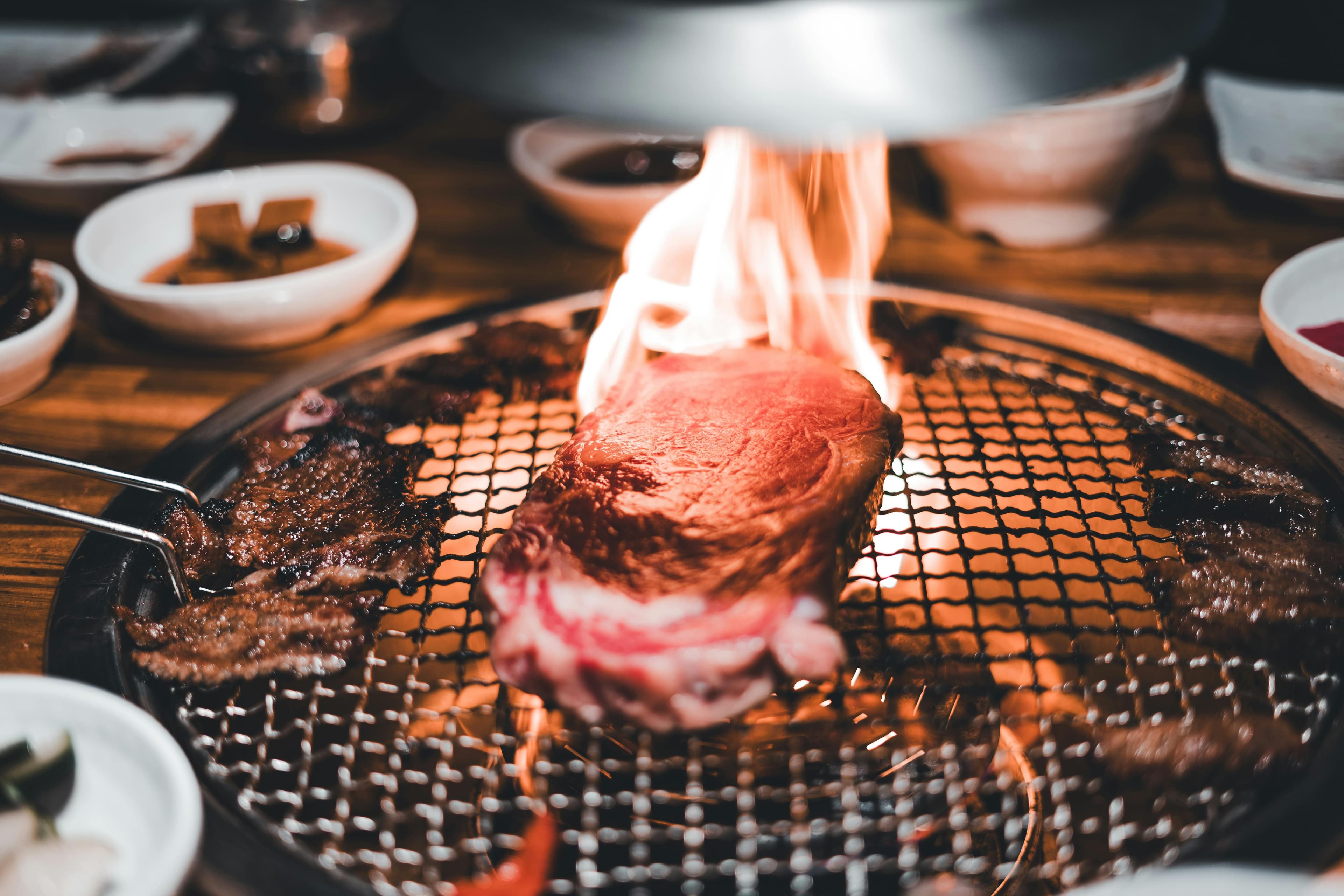
Korea sits comfortably between Southeast Asian bargains and Japan-level pricing. We cross-referenced five independent 2026 sources for verified daily costs: Korea Tourism Organization, Nomadic Matt 2026 Korea breakdown, Never Ending Footsteps 2026 budget guide, GoTripzi Seoul cost guide, and recent traveler reports January-May 2026. Numbers below at May 2026 exchange rate (1 USD = 1,500 KRW).
| Category | Budget | Mid-Range | Luxury |
|---|---|---|---|
| Daily total (USD) | $40-70 | $100-200 | $250-400+ |
| Daily total (KRW) | 60-105K | 150-300K | 375-600K+ |
| Accommodation/night | $20-40 (hostel) | $60-120 (3-star) | $300-440 (5-star) |
| Food daily | $10-20 (street) | $30-50 (KBBQ) | $100-200 (Michelin) |
| Local transport | $4-7 (subway) | $15-25 (subway+taxi) | $50+ (private) |
| Activities daily | $10-25 (palaces) | $30-70 (tours) | $100-300 (private) |
| 7-day trip total | $280-490 | $700-1,400 | $1,750-2,800+ |
| K-ETA visa | $10 (3yr) | $10 (3yr) | $10 (3yr) |
What each tier actually looks like
Budget ($40-70/day): hostels in Hongdae or Myeongdong (30-60K KRW/night), street food meals (2,000-7,000 KRW per dish - tteokbokki 3,000 KRW, kimbap 3,500 KRW), subway with T-money card, free palace entry wearing hanbok, convenience store culture (CU, GS25, 7-Eleven full meals 3-5K KRW). Budget travel in Korea is genuinely comfortable thanks to world-class infrastructure.
Mid-range ($100-200/day): 3-star hotels in Myeongdong/Insadong (90-180K KRW/night), Korean BBQ sit-down ($20-40/meal), Kakao T taxis, 1-2 paid tours/activities daily (DMZ tour 50-65K KRW, palace + hanok cultural tour 35K KRW, K-pop dance show 40K KRW). This is what 60% of Western tourists actually spend.
Luxury ($250-400+/day): 5-star hotels (Signiel Seoul $300-500/night, Four Seasons $400-700/night), fine dining at Michelin restaurants ($100-300+/meal), hanok stays in Bukchon ($150-250/night). Korea luxury is exceptional value vs Tokyo equivalents (30-40% cheaper for same level).
Seoul: Most expensive (premium 20-30%). Myeongdong/Gangnam highest, Hongdae cheaper.
Busan: 20-30% cheaper than Seoul. Excellent beaches (Haeundae, Gwangalli), great seafood, Gamcheon Culture Village.
Jeju Island: 15-25% cheaper than Seoul. Volcanic landscapes. Flight Seoul-Jeju 1 hour, $42 one-way.
Quick comparison
Korea $100-200/day. Japan $170-270/day. Thailand $60-110/day. Vietnam $40-65/day. Is Koreas Hallyu + safety premium worth it for YOUR profile?
Compare All Asia →The Honest Verdict
Is South Korea Worth It? By Traveler Profile
Generic verdicts are useless. Here is the honest answer for six traveler profiles based on verified 2026 conditions.
The Uncomfortable Truth
When South Korea is NOT Worth Visiting in 2026
Korea wins more profiles than almost any Asian destination - but it is not perfect for everyone. Here are seven honest scenarios where Korea in 2026 is the wrong choice, and where to go instead.
1. You want tropical beach holiday
Korea is a temperate peninsula, NOT tropical. Best beaches (Haeundae, Gwangalli, Jeju) are urban or seasonal only (June-August). For white-sand tropical experience: go Phi Phi Thailand or Maldives. If you must combine: 2-3 days max in Jeju Island.
2. You travel July-August (typhoon + humidity)
Korean summer is brutal: 30C/86F with 85% humidity, typhoon season (3-5 typhoons hit annually), monsoon rains daily, and peak prices (+30-50%). Wait for September or visit April-June instead.
3. You need ultra-budget travel ($30/day)
Korea is moderately priced, NOT cheap by Asian standards. Budget minimum $40-50/day even at hostels. If pure budget is priority: Vietnam ($30-50/day) or Cambodia ($25-40/day) win significantly.
4. You expect English everywhere outside Seoul
Seoul and Busan major hotels speak English. But outside tourist zones (small restaurants, taxis in non-tourist areas, smaller cities like Daegu or Gwangju), English is limited. Google Translate Korean works well. Naver Maps better than Google Maps in Korea.
5. You arrive during Lunar New Year (Feb 17, 2026)
Korean Lunar New Year (Seollal) and Chuseok (Oct 5-7, 2026) are MASS exodus periods. 90% of locals travel home for 3 days. Restaurants, attractions, transport heavily reduced. Plan around these dates strictly.
6. You hate crowds or organized chaos
Seoul has 9.7 million people, density similar to Tokyo. Subways crowded rush hour (07-09am, 18-20pm), Myeongdong constantly packed, K-pop concerts sold out within minutes, Gyeongbokgung guard ceremony has 500+ daily visitors. If you want quiet: visit Andong, Gyeongju, or skip Korea.
7. You forget K-ETA visa application
K-ETA pre-arrival authorization is MANDATORY for visa-free nationalities since Sept 2021. $10 fee, 72hr processing minimum. Airlines deny boarding without valid K-ETA. Many travelers miss this. Apply at k-eta.go.kr at LEAST 1 week before flight to be safe.
Where You Stay Matters
Choosing Your Seoul Zone (Crucial)
Seoul is enormous - over half of Koreas population lives in greater Seoul. Where you stay defines your entire experience. Each zone serves different traveler profiles dramatically.
MYEONGDONG
Central Hub · Shopping · First-Timers · $80-150/night
Highest density of K-beauty shops on Earth (Innisfree, Laneige, Etude House, Sulwhasoo at 30-50% off Western prices). Walking distance to Gyeongbokgung Palace. Subway lines 2 and 4 hub. Best street food at Myeongdong Night Market. International chains everywhere. 24/7 convenience. Tax-free shopping zones. Most touristy area (premium hotel prices). BEST first-timer base.
HONGDAE
Young · Nightlife · K-pop Street Performers · $40-90/night
Best nightlife in Korea (Club FF, Cocoon Hongdae). Free K-pop dance performances weekends. Cheapest accommodations central Seoul. Around Hongik University = young energy. Cafe culture incredible. Indie music scene. Subway line 2 connects everywhere. LOUD on weekend nights (Friday-Saturday until 4 AM). PERFECT for under 35s wanting Korean youth culture immersion.
GANGNAM
Luxury · K-pop Agencies · Business · $150-440/night
Home to SM, YG, HYBE K-pop agency buildings. Luxury hotels (Signiel, Park Hyatt). Coex Mall and Aquarium. Cheongdam-dong fashion district. Premium nightlife. Walking distance to Bongeunsa Temple. Apgujeong plastic surgery district. EXPENSIVE everywhere. Less Korean feel (more international). Far from Seoul historic core (40min by subway). BEST for luxury or K-pop pilgrimages.
INSADONG / BUKCHON
Traditional · Tea Houses · Hanbok · $60-130/night
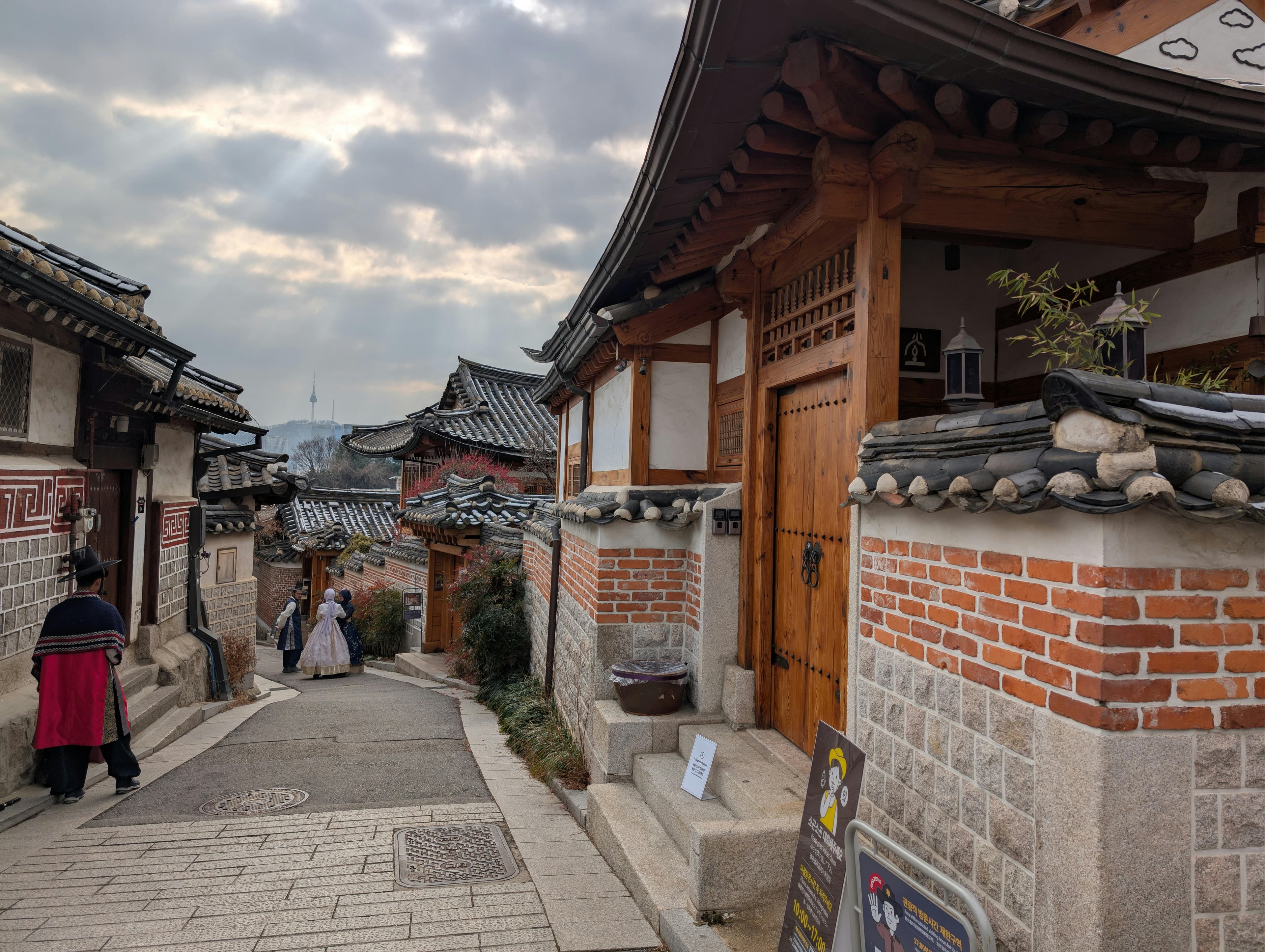
Walking distance Gyeongbokgung + Changdeokgung Palaces. Bukchon Hanok Village (traditional 14th-century homes). Best traditional tea houses. Insadong art galleries + antique markets. Quiet atmosphere. Hanbok rental shops cluster here. Historic Seoul feel. Limited nightlife. IDEAL for cultural depth seekers. The Seoul of Korean dramas.
ITAEWON / HANNAM
International · Foodie · Embassy District · $70-180/night
Most diverse food scene Korea (Indian, Mexican, Turkish, halal options abundant). LGBTQ+ friendly (Korean LGBTQ scene centered here). Walking distance Yongsan Park. Hannam-dong = celebrity neighborhood. Best craft beer scene. International schools area. Easy access to N Seoul Tower (cable car). Hilly streets. GOOD for foodies and repeat Korea visitors wanting international comfort.
Timing Matters
Best Time to Visit Korea in 2026
Month-by-month verdict for 2026
- Lunar New Year (Seollal): February 17, 2026 (mass exodus, 3-day holiday)
- KBO Baseball Opening Day: March 28, 2026 (season through October)
- Cherry Blossom Peak Seoul: April 5-10, 2026 (Jeju mid-March, Busan early April)
- Buddhas Birthday: May 25, 2026 (lantern festivals nationwide)
- Chuseok (Korean Thanksgiving): October 5-7, 2026 (major holiday)
- Busan International Film Festival: October 2026
Sources: Korea Tourism Organization 2026 calendar, Korea Meteorological Administration
🛂 Logistics 2026
K-ETA Visa, Money & T-money Card 2026
K-ETA Visa (MANDATORY)
$10 fee one-time, valid 3 years multiple entries (90 days each).
Apply: k-eta.go.kr (official) - never third parties charging $50-100.
Process: Min 72 hours before flight. Required for transit 24h+.
Money & Costs
Exchange rate: 1 USD = 1,500 KRW (May 2026).
VAT refund: 10% refundable on purchases 30,000 KRW+ at airport.
Cards: Accepted nearly everywhere. ATMs at every subway station.
Transport
T-money card: Saves 10% on all subway/bus. 3-5K KRW + load.
Subway Seoul: 1,398 KRW/single ride. Best in world.
KTX Seoul-Busan: 60K KRW ($45), 2h. Fast and comfortable.
- Naver Maps - better than Google Maps in Korea (Google data limited for locals locations).
- Kakao T - Korean Uber. Use instead of street taxis (scam risks).
- KakaoTalk - universal Korean messaging (replaces WhatsApp). Many businesses contact only via Kakao.
- Papago - Naver translation app. Better Korean translation than Google Translate.
- Subway Korea - exact subway timings, line changes, real-time updates.
- Klook / Trazy - Asian tour booking, better deals than international platforms.
- SIM/eSIM: Buy at Incheon Airport (T-mobile/KT counters) or pre-order Klook eSIM ($15-30 for 5-30 days unlimited data).
- Tipping NOT customary in Korea - rude in some cases. Service charge included.
Decision Helper
Korea vs Asia Alternatives 2026
Quick verified comparison if you are weighing Korea against other Asian destinations for your 2026 trip.
| Factor | 🇰🇷 Korea | 🇯🇵 Japan | 🇹🇭 Thailand | 🇻🇳 Vietnam |
|---|---|---|---|---|
| Daily cost mid-range | $100-200 | $170-270 | $60-110 | $40-65 |
| Days needed minimum | 5-7+ | 7+ | 7+ | 7+ |
| Safety (Crime Index) | 15th safest | 13th safest | 85th | 60th |
| K-pop / Pop culture | ★★★★★ | ★★ | ★ | ★ |
| Cultural depth | ★★★★ | ★★★★★ | ★★★★ | ★★★★★ |
| Food scene | ★★★★ | ★★★★★ | ★★★★★ | ★★★★★ |
| Beach quality | ★★ | ★★ | ★★★★★ | ★★★ |
| Infrastructure | ★★★★★ | ★★★★★ | ★★★★ | ★★★ |
| English ease (Seoul) | ★★★★ | ★★★ | ★★★★ | ★★★ |
| Unique experiences | ★★★★★ | ★★★★ | ★★★ | ★★★★ |
| Overtourism | ★★★ (managed) | ★★★ (rising) | ★★ (concentrated) | ★★★★ (low) |
The Bottom Line
The Final Verdict: Is South Korea Worth It in 2026?
Travelens Worth-It Score 2026
ABSOLUTELY WORTH IT
South Korea in 2026 represents a rare combination - a country at peak global popularity (4.76M Q1 record, BTS effect, NatGeo destination) that has NOT yet been ruined by overtourism. The infrastructure scales smoothly, safety remains exceptional, and authentic cultural experiences (DMZ tours, jjimjilbang, KBO baseball, K-pop dance shows) are widely accessible. For Hallyu fans, cultural seekers, foodies, and first-time Asia travelers, Korea is one of the most rewarding destinations available globally in 2026.
The honest one-liner
"Korea in 2026 is having the biggest tourism moment in its history - and it still feels easy, safe, and authentic. Skip if you want tropical beaches, peak humidity July-August, or ultra-budget travel. Otherwise, this is the Asian trip to take in 2026."
Decision Engine
Still uncertain? Get YOUR personalized Korea worth-it score
Our AI Decision Engine factors in your budget, dates, traveler profile, and preferences to give you a personalized worth-it score for Korea vs alternative destinations. 30 seconds. No email required.
Get Your Worth-It Score →Where to Stay
Find Your Seoul Accommodation
🛍 Myeongdong
Central hub, K-beauty paradise, first-timer perfect. Mid-range $80-150/night.
Myeongdong Hotels →🎸 Hongdae
Young, nightlife, K-pop street performers. Mid-range $40-90/night. Best for under 35s.
Hongdae Hotels →💎 Gangnam
Luxury, K-pop agencies, business district. $150-440/night. SM/YG/HYBE buildings.
Gangnam Hotels →🏛 Insadong
Traditional culture, Bukchon Hanok walking distance. $60-130/night. Tea houses.
Insadong Hotels →🌃 Itaewon
International district, best food diversity. $70-180/night. Multicultural scene.
Itaewon Hotels →People Also Ask
Frequently Asked Questions
Is South Korea worth visiting in 2026?
Yes - overwhelmingly so. South Korea is having its biggest tourism moment in history. Q1 2026 saw 4.76 million international visitors, the highest figure for any quarter in the nations history (+23% YoY). March 2026 alone hit 2.06 million visitors, driven heavily by BTS comeback concerts. National Geographic named Korea one of its top 2026 destinations. The combination of unique cultural experiences (only country with active Korean Wave Hallyu cultural exports), world-class infrastructure (subway system in top 3 globally), exceptional safety (one of the safest destinations on Earth), distinctive food culture (Michelin-rated street food at Gwangjang Market), and genuine geopolitical experiences (DMZ tours impossible to replicate anywhere) makes Korea compelling for almost every traveler profile. The only profile poorly served: pure beach lovers (Korea is not tropical) and those seeking ultra-cheap travel (Korea is moderately priced - 30-40% cheaper than Tokyo but 2-3x more expensive than Vietnam). Verdict: 9.0/10.
How much does a trip to South Korea cost in 2026?
Verified 2026 daily costs cross-referenced from Korea Tourism Organization, Nomadic Matt, Never Ending Footsteps, and multiple recent traveler reports: Budget travelers spend $40-70/day (hostels in Hongdae/Myeongdong $20-40, street food $2-5/meal, subway $1/ride), mid-range $100-200/day (3-star hotels near palaces $60-120, sit-down restaurants $20-40, attractions $5-30), luxury $250-400+/day (5-star Signiel/Four Seasons $300-440/night, Michelin dining $50-100/meal). For a 7-day mid-range trip: approximately $1,400-2,000 per person on the ground. Korea is 30-40% cheaper than Japan, 20-30% cheaper than Singapore, but 2-3x more expensive than Vietnam. K-ETA visa $10 (one-time, 3yr valid). T-money subway card saves 10%. Seoul to Busan KTX $45 (2h). Seoul to Jeju flight $42 one-way. Exchange rate May 2026: 1 USD = 1,500 KRW.
When is the best time to visit South Korea in 2026?
Best time: April-June (Spring) and September-November (Autumn). Peak experience months: April for cherry blossoms (peak March 28-April 10 Seoul 2026), May-June for ideal weather, October for autumn foliage. AVOID: July-August (typhoon season, 85% humidity, 30-50% price spikes), January-February (extreme cold -10C/14F in Seoul). Critical 2026 dates: CHERRY BLOSSOM PEAK late March-Early April 2026. KBO BASEBALL SEASON Opening Day March 28, 2026 - through October. CHUSEOK (Korean Thanksgiving) October 5-7, 2026. LUNAR NEW YEAR February 17, 2026 - most of Korea shuts down 3 days.
Do I need a visa for South Korea in 2026?
For most nationalities - yes, K-ETA pre-arrival authorization required. K-ETA (Korea Electronic Travel Authorization) costs 10,000 KRW (~$7-10 USD), valid 3 years for multiple entries up to 90 days each visit. Apply online at k-eta.go.kr at least 72 hours before departure. Eligible countries (97+ total): all EU members, USA, UK, Australia, Canada, Japan, Singapore, Hong Kong, Taiwan. Required: passport with 6+ months validity, return flight booking, accommodation address. Processing: 24-72 hours. K-ETA mandatory even for transit through Korea on layover longer than 24 hours.
Is South Korea safe in 2026?
Yes - Korea is among the safest countries on Earth for tourists. World Crime Index 2025 ranked Korea 15th safest globally (vs USA 60th, UK 50th). Violent crime against foreign tourists is exceptionally rare. Womens solo travel is generally very safe. Main concerns are minor: occasional petty theft in crowded markets, tourist-targeted overcharging at unlicensed taxis (use Kakao T app instead), language barrier in non-tourist areas. Specific tips: Always use T-money card or Kakao T for transport, credit cards accepted nearly everywhere, ATMs widely available 24/7, drinking tap water safe in Seoul, free WiFi in subway stations. Tourist Police (1330 hotline) operates 24/7 in English. Medical infrastructure world-class.
What is the Korean Wave Hallyu and how does it affect tourism?
The Korean Wave (Hallyu) refers to the global spread of South Korean popular culture - K-pop music (BTS, BLACKPINK, NewJeans), K-dramas (Squid Game, Crash Landing on You), Korean cinema (Parasite Oscar winner), K-beauty skincare, and Korean fashion. In 2026, Hallyu is THE dominant tourism driver. 35% of teenage international visitors and 25% of those in their 20s come specifically for Hallyu experiences. The BTS reunion concert in March 2026 alone brought 2.06 million visitors in a single month (highest ever recorded). Hallyu-specific experiences worth booking: K-pop dance shows (The Painters Live Art), HYBE Insight museum, idol agency headquarters tours in Gangnam (SM, YG, HYBE), filming location tours (Nami Island for Winter Sonata), K-beauty skincare experiences in Myeongdong.
Is the DMZ tour worth doing in 2026?
Absolutely - its the most distinctive day trip available anywhere in the world. The Korean Demilitarized Zone (DMZ) is the most heavily armed border on Earth, separating North and South Korea since 1953. Standard DMZ tours from Seoul (5-7 hours, $35-45) cover: Imjingak Park (peace observatory), the 3rd Infiltration Tunnel, Dora Observatory (view into North Korean propaganda village Kijong-dong), and the Mt. Gamak Suspension Bridge. Some premium tours include Q&A session with actual North Korean defector. The JSA (Joint Security Area) tours have been suspended since 2023 and remain unavailable in 2026. Our data shows the highest-rated full-day option (with defector + bridge) has 17,932 verified reviews at 4.9/5.0 rating, making it one of the most reviewed tours in all of Asia. Tours require advance booking (24-72 hours minimum). Bring passport. Dress code: no military camouflage, sleeveless tops, shorts. Children under 11 NOT permitted.
South Korea vs Japan - which is better in 2026?
Different strengths for different travelers. CHOOSE KOREA IF: you want K-pop/K-drama culture epicenter, 30-40% lower costs than Japan, more English-friendly (especially Seoul), exceptional shopping (especially K-beauty), longer/cheaper subway operating hours, more nightlife (Hongdae, Itaewon vibrant), less rigid social etiquette, faster service culture. CHOOSE JAPAN IF: you want traditional Asian aesthetic (more temples, Zen gardens, geisha culture), pristine cherry blossoms (Japan still leads), best food per dollar in world (Tokyo has more Michelin stars than Paris), more diverse landscapes (Mt Fuji, Kyoto, Okinawa beaches), better train infrastructure (Shinkansen). Both are exceptional. Korea has caught up significantly due to Hallyu wave. Best combination: 10 days Japan + 5 days Korea via cheap flights Tokyo-Seoul ($150-300).
How many days should I spend in South Korea?
Minimum 5 days for Seoul-focused trip, 7-10 days ideal for diverse experience, 14 days+ for comprehensive exploration. Less than 4 days = mistake (subway travel times Seoul + DMZ alone = 2 days). Optimal 7-day itinerary: 3 nights Seoul central (Myeongdong/Hongdae as base, covering palaces, Bukchon, Gwangjang), 1 day DMZ tour, 1 day Nami Island + Garden of Morning Calm, 1 day K-pop/shopping/baseball, 1 night Busan or Jeju. Optimal 10-day: 4 nights Seoul, 1 day DMZ, 1 day Nami Island, 2 nights Busan, 2 nights Jeju. Korea rewards 2-4 weeks for digital nomads.
When is South Korea NOT worth visiting?
South Korea is NOT worth visiting in 2026 if: (1) You want tropical beach holiday - Korea is temperate peninsula, not tropical. For white-sand: choose Thailand or Bali. (2) You travel July-August - Korean summer is brutal: 30C/86F with 85% humidity, typhoon season, monsoon rains daily, peak prices +30-50%. (3) You need ultra-budget travel ($30/day) - Korea is moderately priced. Vietnam ($30-50/day) wins for pure budget. (4) You expect English everywhere outside Seoul - Outside tourist zones, English limited. (5) You arrive during Lunar New Year (Feb 17, 2026) - Mass exodus period, 90% locals travel home 3 days. (6) You hate crowds - Seoul has 9.7M people, density similar to Tokyo. (7) You forget K-ETA visa - Mandatory pre-arrival authorization. Airlines deny boarding without valid K-ETA QR code.
Continue Exploring Korea
Plan Your Korea Trip
You now have the honest verdict.
South Korea in 2026 is having its biggest tourism moment ever. Same magic, BTS energy, world-class infrastructure, unique cultural experiences.
Get your personalized worth-it score in 30 seconds. The Decision Engine compares Korea against your exact profile and ranks it honestly with verified data.
Try the AI Decision Engine →100% real data · No opinions · No sponsored results · Always free