
The honest answer to "Is Vietnam worth it in 2026?" is simpler than for any other Asian destination. Yes — and the data backs it up overwhelmingly.
Vietnam welcomed 8.8 million international visitors in the first four months of 2026 — an all-time record for that period and a 14.6% YoY increase, according to the Vietnam National Authority of Tourism. The country is currently outperforming Thailand (which dropped -3.4%), Singapore (+2.8%), Indonesia and Philippines in the regional tourism race. April 2026 alone hit 2.03 million visitors, marking the first time in history Vietnam has recorded 2M+ visitors for four consecutive months. The government is targeting 25 million total visitors for 2026 with a tourism revenue goal of VND 1.125 quadrillion ($42.9 billion). On the ground, daily costs remain remarkably low (street food meals from $1.50, hostels from $7/night, mid-range hotels $30-80), the new 90-day e-visa eliminates planning friction, and the cultural depth from 4,000 years of history meets dramatic landscapes from Halong Bay limestone karsts to Sapa rice terraces. The country is one of the easiest places in Asia to fall in love with — and one of the hardest to leave with money still in your pocket. This guide cuts through the marketing with verified 2026 data, the uncomfortable truths most travel blogs avoid, and an honest verdict for every traveler profile.
Skip 8 hours of research. Get YOUR personalized Vietnam worth-it score in 30 seconds.
Get Your Vietnam Verdict →30 seconds · 100% real data · No sponsored opinions · Always free
Jump to section
Table of Contents
The 2026 Reality
The 2026 Vietnam Reality: Record-Breaking Growth
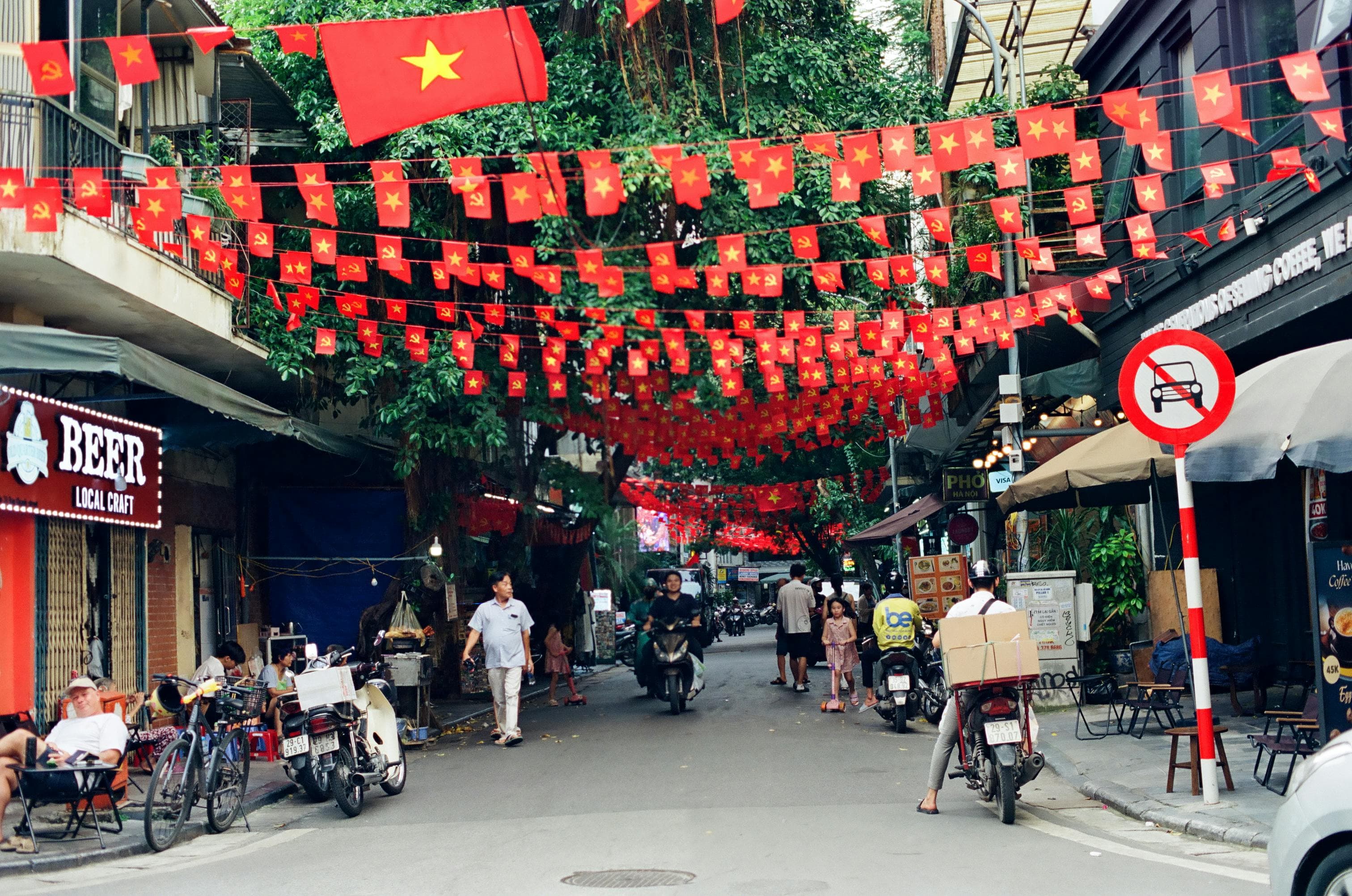
Vietnam in 2026 is the single most compelling tourism growth story in Southeast Asia, and possibly in the entire developing world. The numbers tell the story bluntly.
The headline figures: Vietnam welcomed 6.76 million international visitors in Q1 2026 alone (an all-time Q1 record), bringing January-April 2026 totals to 8.8 million visitors — a 14.6% year-on-year increase. April 2026 saw 2.03 million arrivals, marking the FIRST TIME in Vietnam's history the country has welcomed 2M+ international visitors for four consecutive months. The government target for full-year 2026 is 25 million international visitors plus 150 million domestic tourists, generating VND 1.125 quadrillion ($42.9 billion) in tourism revenue.
The regional comparison: While Vietnam grows 14.6%, Thailand contracted 3.4% in the same period (32.9M total 2025 vs 39.9M pre-pandemic peak). Singapore +2.8%, Indonesia +moderate, Philippines +moderate. Vietnam is the clear regional winner in 2026 — and most importantly, the growth comes from market diversification, not single-source dependency.
Source market breakdown: China and South Korea together account for 39.8% of arrivals (4M+ each in Q1+April). But the real story is diversification: Russia +300% YoY (driven by resumed direct flights and visa-exemption), India +significant growth (cultural tourism boom), Philippines +72%, Singapore +35%, Indonesia +27%. European markets — UK, France, Germany, Italy, Nordic countries — all posted notable increases. The 8.8M January-April figure represents around 35% of the government's full-year target, well on pace.
- E-visa 90 days extended: all nationalities now eligible for 90-day e-visa (up from 30), single or multiple entries. Process online at evisa.xuatnhapcanh.gov.vn in 3-5 days. Major driver of growth.
- Visa-exemption expanded: citizens of UK, France, Germany, Italy, Spain, Russia, Japan, South Korea, Sweden, Denmark, Norway, Finland, Belarus and others now get 45 days visa-free (up from 15).
- Da Nang International Fireworks Festival 2026: May 30 - July 11, 2026. Largest DIFF ever, 10 teams from 9 countries, Grand Finale July 11.
- Halong Bay capacity expanded: 200+ cruise vessels now licensed; Lan Ha Bay (less crowded sister bay) increasingly popular alternative.
- Digital nomad infrastructure boom: Da Nang, Hoi An, Hanoi now host ~480 co-working spaces. WiFi averages 130 Mbps. Monthly Airbnbs $300-800.
- Phu Quoc visa-free expansion: 30 days visa-free for ALL nationalities visiting Phu Quoc Island only (separate from mainland Vietnam rules).
Sources: Vietnam National Authority of Tourism (VNAT) April 2026, General Statistics Office under Ministry of Finance, Travel and Tour World, Vietnam Tourism Ministry
The Money Question
Real Daily Costs in Vietnam 2026 (Verified)
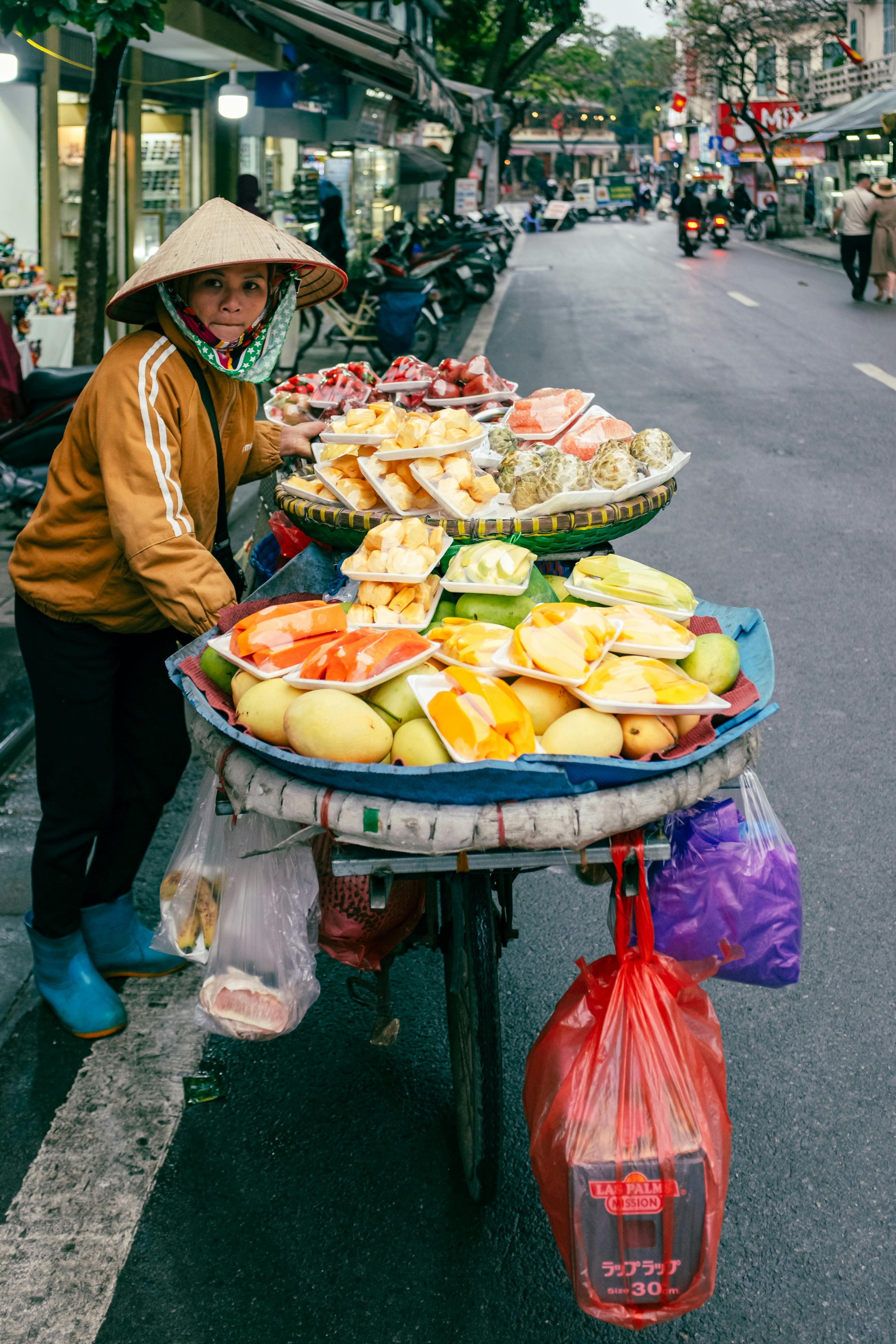
We cross-referenced five independent 2026 sources for verified daily costs: BudgetYourTrip, Nomadic Matt's 2026 Vietnam breakdown, Indie Traveller's on-the-ground updates, Passport and Stamps' 60-day living report, and Vietnam Tourism Board data. Numbers below reflect consistent ranges across these sources at May 2026 exchange rate (1 USD = 25,400 VND).
| Category | Budget | Mid-Range | Luxury |
|---|---|---|---|
| Daily total (USD) | $25-45 | $60-100 | $200+ |
| Daily total (VND) | ₫635K-1.1M | ₫1.5M-2.5M | ₫5M+ |
| Accommodation/night | $7-25 | $30-80 | $150-400+ |
| Food daily | $5-12 | $15-30 | $50-100+ |
| Local transport | $2-7 | $10-20 | $30+ |
| Activities daily | $5-15 | $15-40 | $50-150+ |
| Halong Bay day cruise | $33 | $60-90 | $200+ |
| 10-day trip total | $500-900 | $1,200-2,000 | $5,000-10,000 |
What each tier actually looks like
Budget ($25-45/day): hostels or guesthouses (₫180-500K/$7-20 per night), street food meals (₫30-80K/$1-3 per dish — banh mi is $1, pho is $2-3, com tam is $2), local transport (sleeper buses, sleeper trains, motorbike taxis), occasional tour ($10-30). Extremely comfortable for backpacking; the Banana Pancake Trail (Hanoi-Hue-Hoi An-Saigon) is well-established with 90% of accommodation under $20/night.
Mid-range ($60-100/day): 3-star hotels or boutique guesthouses ($30-80/night), mix of street food and sit-down restaurants ($15-30/day), Grab taxis between districts, 1-2 paid tours/activities daily (cooking class $30, Halong Bay day cruise $33-50, motorbike tour $50-80). This is what 65% of Western tourists actually spend.
Luxury ($200+/day): 4-5 star hotels or beach resorts ($150-400+/night — InterContinental Hanoi, Park Hyatt Saigon, Six Senses Ninh Van Bay), fine dining at venues like Cau Go in Hanoi or The Cooking Class Saigon ($60-150+/meal), private guides, overnight Halong Bay cruises ($200-500/person), Phu Quoc beach resorts. Vietnam luxury is genuinely exceptional value compared to Thai or Indonesian equivalents — a $400/night beach villa in Phu Quoc would cost $800+ in Phuket or $1,200+ in Bali.
Northern Vietnam (Hanoi, Sapa, Ninh Binh, Ha Giang): Cheapest region. Hostels $5-12, mid-range $25-60/night.
Central Vietnam (Hue, Da Nang, Hoi An): 20-30% more expensive. Hoi An hotels charge premium during November-January peak season.
Southern Vietnam (Saigon, Mekong Delta, Phu Quoc): Saigon similar to Hanoi. Phu Quoc Island prices 30-50% higher than mainland due to resort positioning.
Quick comparison
Vietnam $40-65/day. Thailand $60-110/day. Japan $170-270/day. Vietnam is Asia's cheapest mainstream destination.
Compare All Asia →The Honest Verdict
Is Vietnam Worth It? By Traveler Profile
Generic verdicts are useless. Here's the honest answer for six traveler profiles based on verified 2026 conditions.
The Uncomfortable Truth
When Vietnam is NOT Worth Visiting in 2026
Vietnam wins enthusiastic endorsements from most travelers, but that doesn't mean it's right for everyone. Here are seven situations where Vietnam in 2026 is the wrong choice — and what to do instead.
1. You want world-class beaches
Honest truth: Vietnam beaches are average at best. As experienced Asia travelers consistently report, beaches in Halong Bay, Da Nang, Nha Trang, Mui Ne, and Hoi An are pretty for walks but lack the postcard quality of Thai islands or Bali. Snorkeling visibility is often disappointing due to fishing pressure. Exceptions: Phu Quoc Island and Con Dao Islands offer better tropical feel. For pure beach trips, choose Thailand (Krabi, Phi Phi), Philippines (Palawan), or Indonesia (Lombok, Gili Islands).
2. You travel August-September and want Halong Bay
August carries 10-15% typhoon disruption risk for Halong Bay cruises. Wind alerts may force shortened itineraries or cancellations. September brings peak rains. If Halong Bay is essential to your trip, travel October-April. If you must travel August, book 2-night cruises with flexible rescheduling and travel insurance covering weather disruptions. Lan Ha Bay (less famous Halong sister bay) sometimes operates when Halong is closed.
3. You hate chaotic traffic and street crossing
Hanoi and Ho Chi Minh City rank among Asia's most chaotic megacities. Streets have rivers of motorbikes (often 30-50 simultaneously at intersections). The local technique: walk slowly and steadily into traffic — bikes flow around you. For first-timers this can be genuinely stressful. If chaotic urban environments stress you, choose Japan, Singapore, or rural Asia instead.
4. You only have 3-4 days
Vietnam rewards 10-14 day trips covering north + central + south. Less than 5 days means either rushed multi-city or limited to Hanoi or Saigon only — missing much of what makes Vietnam special. International flights are long. Domestic flights between regions add cost and time. For short Asia trips choose single-city Japan visits, Singapore, or Hong Kong.
5. You expect minimal scam risk
Vietnam has more tourist scams than Thailand: taxi meter manipulation (use Grab app instead), dual pricing at markets, motorbike rental damage scams in Hoi An and Mui Ne (always photograph bike before/after, use reputable rentals), and "friendly" women approaching solo male tourists at bars. Scams aren't dangerous but they're annoying. Research and the Grab app handle 90% of risks.
6. You want luxury resort experiences only
Vietnam luxury is good value (Six Senses, Park Hyatt, InterContinental) but Vietnam's soul is in the chaos, countryside, and history — not polished resorts. If 80% of your trip vision is poolside cocktails and spa days, Bali, Maldives, or Thailand do beach luxury better. Save Vietnam for when you can experience the cultural depth.
7. You travel during Tet (Lunar New Year)
Tet falls on January 17, 2026 — Vietnam's most important holiday. Many businesses close for 5-7 days, public transport disruptions, restaurants shut, hotels charge premium, locals travel home, and tourist sites operate on reduced schedules. The atmosphere can be magical but logistics are difficult. Avoid Tet week unless you specifically want to experience it. Better dates: late January (post-Tet) or November-December (peak weather).
The Growth Story
The Tourism Reality (Verified Data)
Vietnam's tourism story in 2026 is one of remarkable, sustained growth — but not yet the overtourism crisis facing Thailand or Japan. The data tells a nuanced picture.
- 8.8M visitors Jan-April 2026 (all-time record, +14.6% YoY)
- 6.76M visitors Q1 2026 (highest Q1 ever, +12.4% YoY)
- April 2026: 2.03M arrivals (+22.8% YoY)
- First time 2M+ visitors for 4 consecutive months
- 2026 target: 25M international + 150M domestic
- Revenue target: VND 1.125 quadrillion ($42.9B)
- China + South Korea = 39.8% of arrivals
- Russia +300% YoY (resumed direct flights)
- European arrivals +55.6% overall
- Air arrivals = 82.3% of total visitors
Where the crowds actually are in 2026
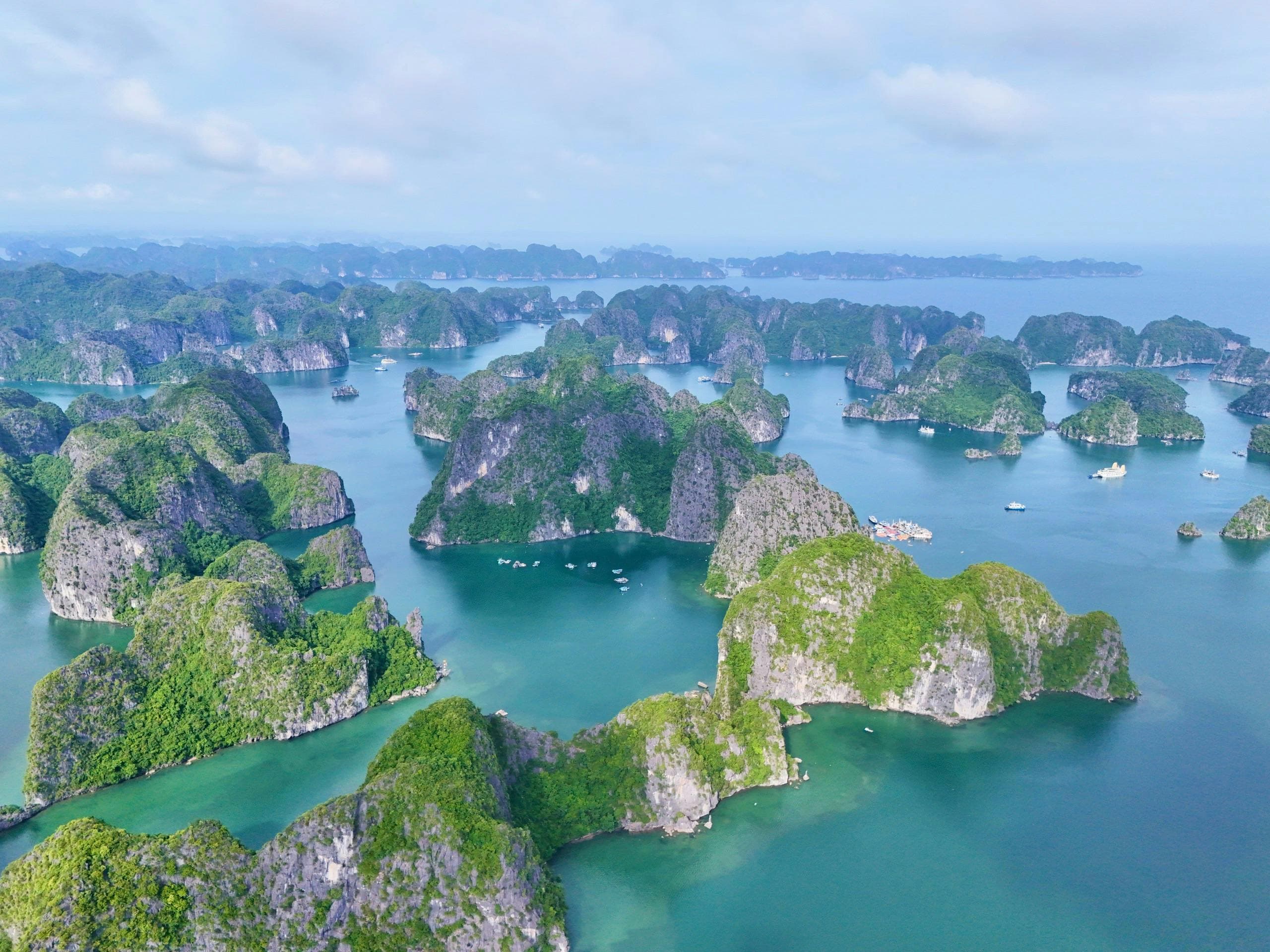
Halong Bay: 200+ cruise vessels operate daily in peak season. Day trips and overnight cruises are increasingly congested at popular karst formations. Lan Ha Bay (less famous sister bay) offers 70% fewer boats with similar scenery.
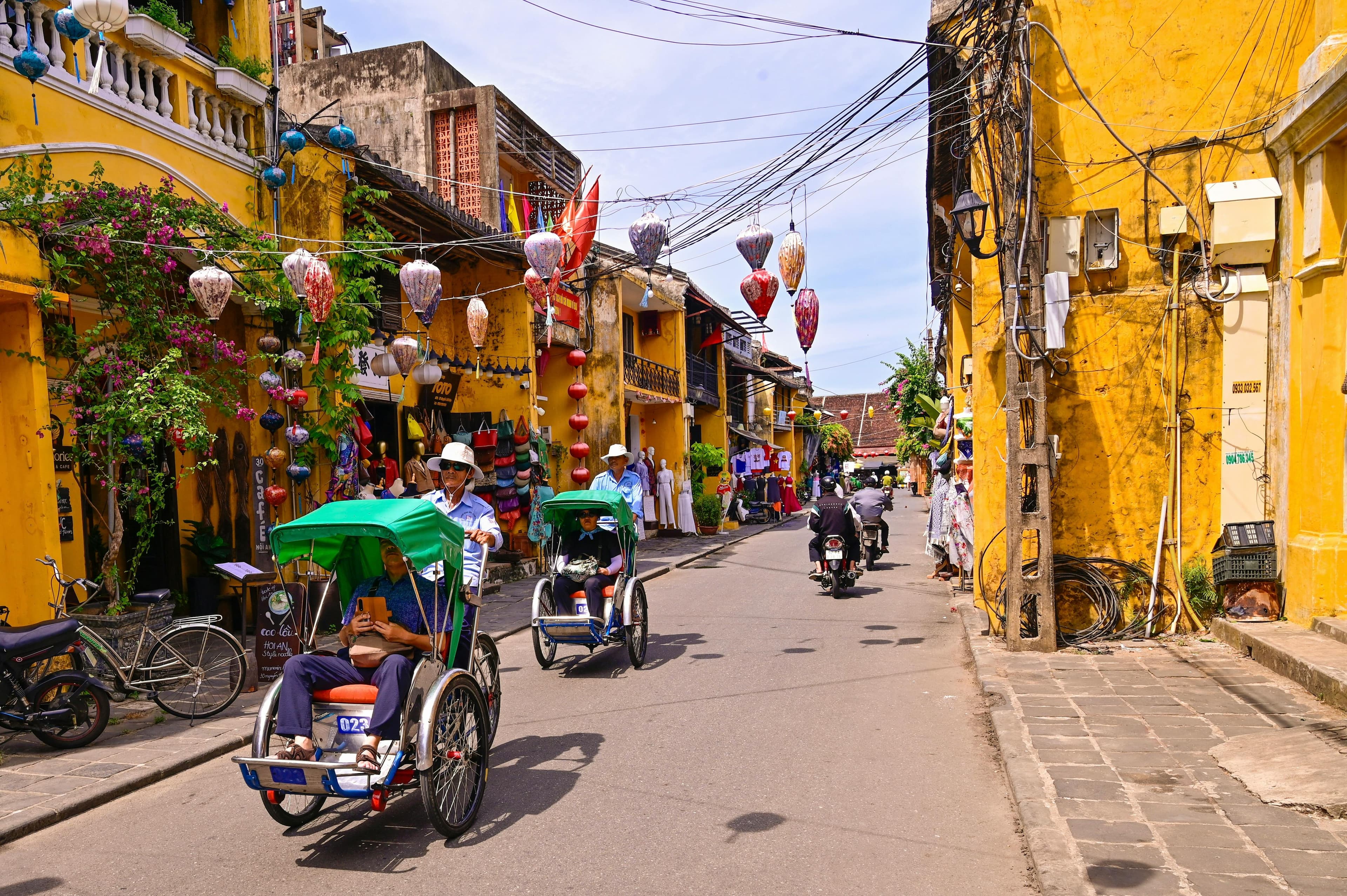
Hoi An Ancient Town: Daily 5-9 PM is densely crowded during lantern festival, especially during full moon nights. Visit early morning (6-9 AM) for empty cobblestone streets and quiet temples.
Sapa: Saturdays and Sundays are packed with Chinese tour groups and domestic travelers. Visit Tuesday-Thursday for quieter Hmong village treks.
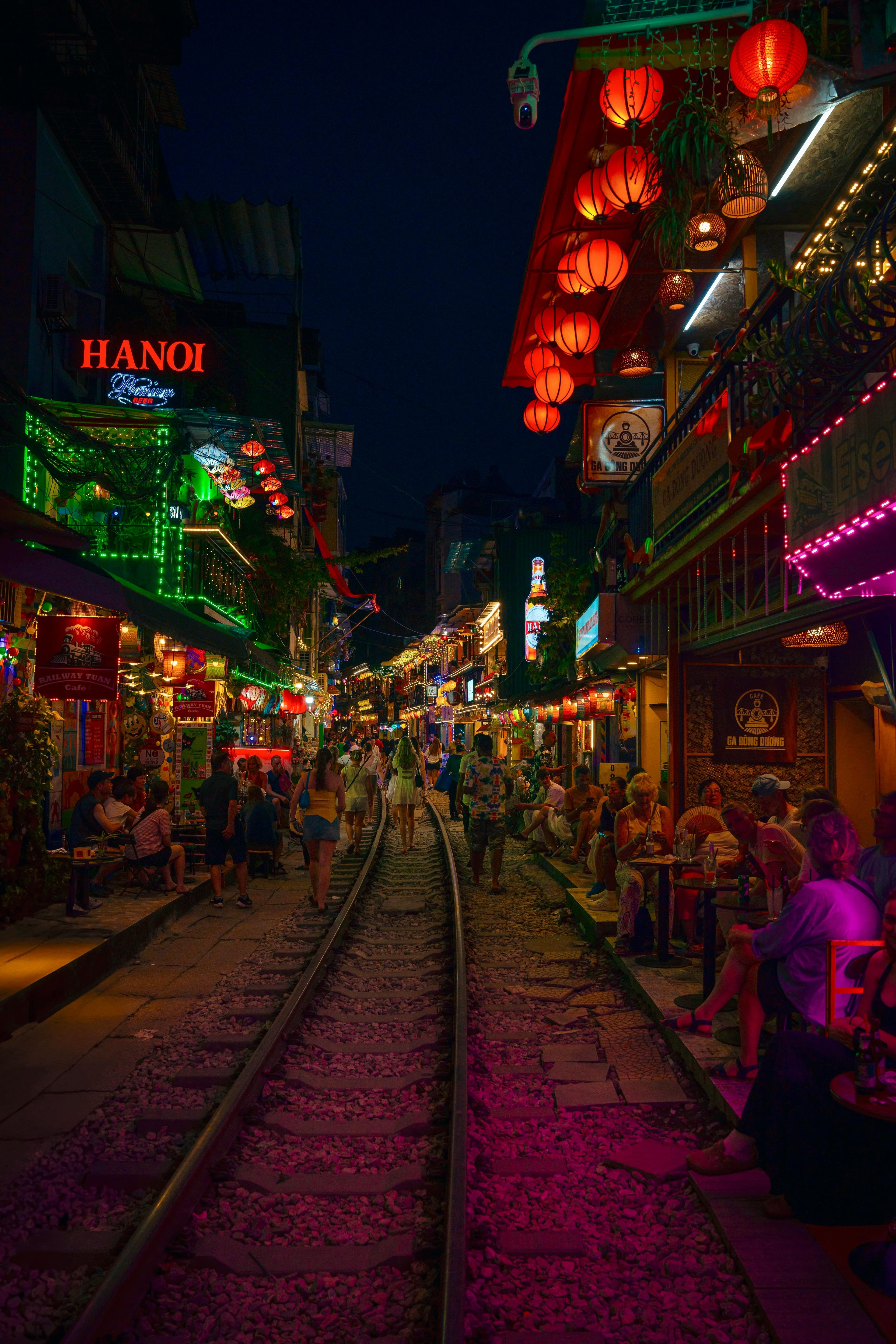
Hanoi Train Street: Has become an Instagram phenomenon since 2018. Police restrict access at some times; cafes lining the tracks charge for entry. Still magical but not the secret it was.
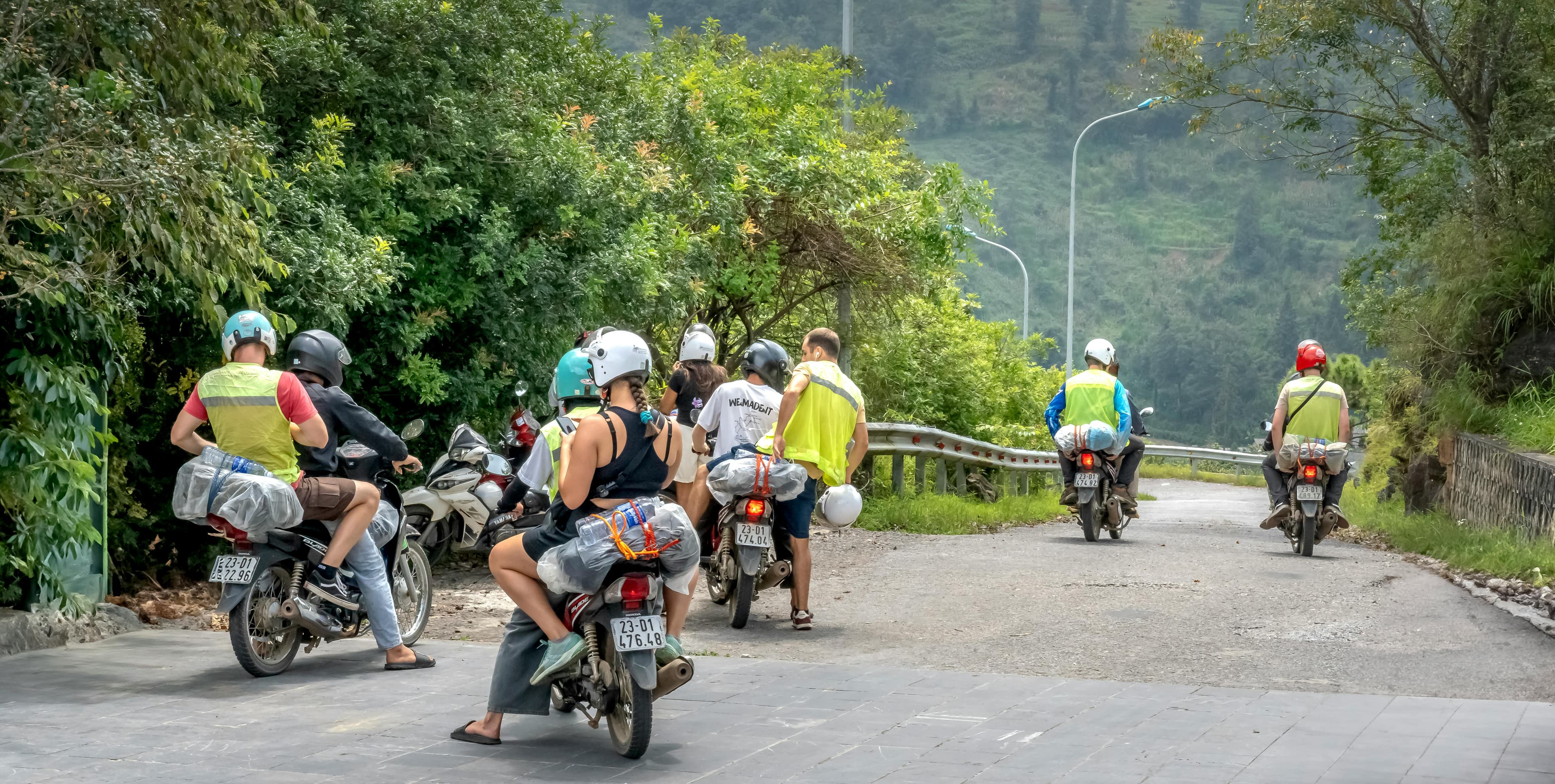
1. Ha Giang Loop — 3-4 day motorbike trip through northern mountains. Mostly local riders, breathtaking scenery.
2. Phong Nha caves — World's largest cave (Son Doong) requires expensive permits but smaller caves accessible.
3. Pu Luong Nature Reserve — Limestone valleys, rice terraces, very few foreign tourists.
4. Cat Ba Island — Quieter alternative to Halong Bay, hiking and beaches.
5. Mai Chau valleys — Traditional Thai ethnic villages, 4 hours from Hanoi.
Sources: Vietnam National Authority of Tourism (VNAT) April 2026, General Statistics Office under Ministry of Finance, Vietnam Ministry of Tourism
Three Climates
Best Time to Visit Vietnam in 2026

Vietnam stretches 1,650 km from north to south and operates THREE climate zones simultaneously. The right time depends entirely on where you go.
Regional climate breakdown 2026
BEST: October-April (dry season, 15-28°C). Sapa terraces vivid green in September after rains. AVOID: June-August (hot, humid, typhoon risk affects Halong Bay 10-15%).
BEST: February-July (dry, sunny). DIFF Da Nang Fireworks Festival May 30-July 11, 2026 — biggest ever. AVOID: September-November (heaviest rains, Hoi An floods regularly).
BEST: December-April (peak dry season). MAY-NOVEMBER: daily 2-hour afternoon rains, evenings clear and usable. Phu Quoc best November-April.
Month-by-month verdict 2026
- Tet (Lunar New Year): January 17, 2026 (5-7 days of national closure)
- Reunification Day: April 30, 2026 (national holiday)
- Labor Day: May 1, 2026
- DIFF Da Nang Fireworks: May 30 - July 11, 2026 (largest edition ever)
- Vu Lan (Buddhist filial piety): August 27, 2026
- Independence Day: September 2, 2026
- Mid-Autumn Festival: September 25-27, 2026
Sources: Vietnam Meteorological Service, VNAT Festival Calendar 2026, DIFF Da Nang official
🛂 NEW 2026
New E-Visa 90 Days & Entry Rules 2026

Vietnam dramatically expanded its visa policies in 2024-2026, becoming one of Southeast Asia's most open countries for tourism. The new rules are credited as a major driver of the 14.6% YoY tourism growth.
E-Visa 90 Days (New)
All nationalities eligible. Single or multiple entries. 90-day validity.
Apply: evisa.xuatnhapcanh.gov.vn
Cost: $25 single / $50 multiple. Processing: 3-5 business days.
Visa-Free Countries (45 days)
UK, France, Germany, Italy, Spain, Russia, Japan, South Korea, Sweden, Denmark, Norway, Finland, Belarus.
Extended from 15 days in 2024.
Phu Quoc Special (30 days)
ALL nationalities get 30 days visa-free if visiting Phu Quoc Island only.
Cannot connect to mainland Vietnam without separate visa.
- Go to evisa.xuatnhapcanh.gov.vn (official only — beware of scam sites).
- Click "Outside Vietnam foreigners" → fill 4 pages of personal information.
- Upload digital passport photo + passport scan (PDF or JPG).
- Pay $25 (single entry) or $50 (multiple entries) via international credit card.
- Save reference code. Check status in 3-5 business days.
- Download e-visa PDF. Print 2 copies + save digital copy.
- At immigration: show e-visa with passport. NO stamping fees required.
Source: Vietnam Immigration Department, Ministry of Foreign Affairs Vietnam 2026
💰 Practical Tips
Money, Scams & Transport Tips 2026
Money
Exchange: 1 USD ≈ 25,400 VND (May 2026).
Cash king: small restaurants and markets prefer dong. Carry small bills.
ATMs: VietinBank, BIDV, Techcombank accept foreign cards. ₫50K fee.
Transport
Grab app: for taxis + motorbike-taxis. Never use street taxis.
Sleeper trains: Hanoi-Hue $25-40, Hanoi-Saigon $50-80.
Domestic flights: $35-90 (VietJet, Bamboo, Vietnam Airlines).
Connectivity
SIM card: ₫150K (~$6) at airport. Viettel best coverage.
WiFi: ~130 Mbps average. Excellent in cities.
Apps: Grab (transport), Baemin (food delivery), MoMo (payments).
- Taxi meter manipulation: ONLY use Grab app. Vinasun and Mai Linh are honest brands if Grab unavailable.
- Dual pricing: markets and street food may charge tourists 2-3x. Watch what locals pay first; bargain politely.
- Motorbike rental damage: ALWAYS photograph bike before/after with timestamps. Use shops with Google reviews. Beware Mui Ne especially.
- Cyclo rides: agree on price in writing before starting; ₫200-300K reasonable for 30 min.
- "Free" women at bars: targeting solo male tourists. They'll order drinks that mysteriously cost $100+.
- Shoeshine/coconut/postcard pushers: they'll start work without asking then demand $5-20. Decline firmly.
- Tour upselling: book Halong Bay cruises in advance online (not from hotel concierge who takes 30% commission).
- VAT refund: 8.5% on purchases ₫2M+ at airports. Keep receipts.
- Tipping: not expected but appreciated. 5-10% at sit-down restaurants. ₫50-100K for hotel staff.
- Wise or Revolut: best USD/EUR to VND rates, no foreign transaction fees.
- Carry small bills: breaking ₫500K notes can be difficult outside cities.
- Hotel bookings via Booking.com or Agoda: often 20-30% cheaper than walk-in rates.
- Bia hoi (fresh draft beer): ₫10-20K (~$0.50) — Vietnam's cheapest beer experience.
Decision Helper
Vietnam vs Asia Alternatives 2026
Quick verified comparison if you're weighing Vietnam against other Asian destinations.
| Factor | 🇻🇳 Vietnam | 🇹🇭 Thailand | 🇰🇭 Cambodia | 🇯🇵 Japan |
|---|---|---|---|---|
| Daily cost mid-range | $40-100 | $60-110 | $30-70 | $170-270 |
| Days needed minimum | 10+ | 7+ | 5+ | 7+ |
| Crowding 2026 | Low-Medium | High | Low | Very high |
| Visa days | 90 e-visa | 60 free | 30 free | 90 free |
| Food quality/value | ★★★★★ | ★★★★★ | ★★★ | ★★★★★ |
| Beach quality | ★★ | ★★★★ | ★★ | ★★ |
| Cultural depth | ★★★★★ | ★★★★ | ★★★★ | ★★★★★ |
| Adventure | ★★★★★ | ★★★★ | ★★★ | ★★★ |
| Infrastructure | ★★★ | ★★★★ | ★★ | ★★★★★ |
| Digital nomad | ★★★★★ | ★★★★ | ★★ | ★★★ |
The Bottom Line
The Final Verdict: Is Vietnam Worth It in 2026?
Travelens Worth-It Score 2026
EXCEPTIONALLY WORTH IT
Vietnam in 2026 is the most compelling tourism story in Southeast Asia and arguably the best value travel destination in the world. Record growth (+14.6% YoY), expanded visa policies (90-day e-visa), exceptional food, dramatic landscapes (Halong Bay, Sapa, Phong Nha), 4,000 years of culture, and dollar-per-experience value that no developed Asian country matches. The only meaningful weaknesses: average beaches and chaotic urban traffic. For nearly every traveler profile — first-timers, foodies, cultural seekers, budget backpackers, digital nomads, families willing to focus on Hoi An — Vietnam should be at the top of your 2026 Asia shortlist.
The honest one-liner
"Vietnam in 2026 delivers more raw travel value per dollar than anywhere in the developed or developing world. Skip if you need beaches, traffic-free cities, or short trips. For everyone else: book it before prices rise."
Decision Engine
Still uncertain? Get YOUR personalized Vietnam worth-it score
Our AI Decision Engine factors in your budget, dates, traveler profile, and preferences to give you a personalized worth-it score for Vietnam vs alternative destinations. 30 seconds. No email required to see results.
Get Your Worth-It Score →Where to Stay
Find Your Vietnam Accommodation
🏛 Hanoi
Old Quarter for atmosphere + walking, French Quarter for upscale, Tay Ho for nomads/expats. Mid-range $30-80/night.
Hanoi Hotels →🏮 Hoi An
Ancient Town for atmosphere (most expensive), An Bang Beach for nomads, riverside hotels for views. Mid-range $40-100/night.
Hoi An Hotels →🌆 Ho Chi Minh City
District 1 for central business + sights, District 3 for foodie residential, District 7 for expats. Mid-range $35-90/night.
Saigon Hotels →People Also Ask
Frequently Asked Questions
Is Vietnam worth visiting in 2026?
Absolutely yes — Vietnam is currently the most compelling tourism story in Southeast Asia. The country welcomed 8.8 million international visitors in the first four months of 2026 alone (a 14.6% YoY increase and an all-time record for that period), with the government targeting 25 million for the full year. Vietnam is currently outperforming Thailand (-3.4%), Singapore (+2.8%), Indonesia, and Philippines in growth rate. Daily costs remain remarkably low at $25-50 for budget travelers and $60-100 for mid-range — roughly 30-40% cheaper than Thailand and 60-70% cheaper than Japan for comparable quality. The combination of dramatic landscapes (Halong Bay, Sapa terraces, Phong Nha caves), exceptional street food (banh mi, pho, bun cha — under $3/meal), 4,000+ years of cultural heritage, and remarkable hospitality makes Vietnam compelling for nearly every traveler profile in 2026. The biggest caveats: beaches are average (skip Vietnam for pure beach trips), Hanoi traffic is chaotic, and Halong Bay carries weather disruption risk in July-September.
How much does a trip to Vietnam cost in 2026?
Verified 2026 daily costs cross-referenced from BudgetYourTrip, Nomadic Matt, Indie Traveller, Vietnam National Authority of Tourism (VNAT) and 2026 traveler reports: Budget travelers spend $25-45/day, mid-range $60-100/day, luxury $200+/day. For a 10-day mid-range trip: $1,200-2,000 per person on the ground, plus return flights ($700-1,400 depending on origin). Vietnam remains the best value Asian destination — roughly 30-40% cheaper than Thailand, 50% cheaper than Bali, and 60-70% cheaper than Japan or Korea for comparable quality. Street food meals from $1.50, hostel beds from $7/night, Halong Bay day cruises from $33, intercity buses from $8, domestic flights from $35. Northern destinations (Hanoi, Sapa, Ninh Binh) cost 20-30% less than central (Hoi An, Da Nang) and southern (Saigon, Phu Quoc).
When is the best time to visit Vietnam in 2026?
Vietnam has three climate zones operating simultaneously, so the "best time" depends entirely on where you go. NORTH (Hanoi, Sapa, Halong Bay): October-April is ideal (dry season). Avoid June-August (hot, humid, typhoons threaten Halong cruises). CENTRAL (Hoi An, Da Nang, Hue): February-July is best (dry, sunny). The Da Nang International Fireworks Festival (DIFF) 2026 runs May 30 - July 11 with the Grand Finale on July 11 — biggest in DIFF history. Avoid September-November (peak rains, floods in Hoi An). SOUTH (Saigon, Mekong Delta, Phu Quoc): December-April is peak dry season. May-November has daily afternoon rains (2-hour downpours, evenings remain clear). Key 2026 dates: Tet (Lunar New Year) January 17, 2026 — biggest holiday, many businesses close, prices spike. Vu Lan (Buddhist filial piety) August 27, 2026. Independence Day September 2.
What are the new visa rules for Vietnam in 2026?
Vietnam dramatically expanded its visa policies in 2024-2026. Key changes: (1) E-visa now available for ALL nationalities with a 90-day validity for single or multiple entries (up from 30 days), processable online in 3-5 days at evisa.xuatnhapcanh.gov.vn. (2) Visa-exemption extended for citizens of 25 countries including UK, France, Germany, Italy, Spain, Russia, Japan, South Korea, Sweden, Denmark, Norway, Finland, Belarus to 45 days (up from 15). (3) ASEAN nationals continue to get 30 days visa-free. (4) US, Canada, Australia, NZ citizens get the 90-day e-visa. (5) Multiple-entry visas extended for digital nomads. The streamlined system is credited as a major driver of Vietnam's 14.6% YoY growth in 2026. Apply 5-7 days before travel; e-visa printout or saved PDF required at immigration.
Is Vietnam crowded in 2026 because of overtourism?
Less than its neighbors. Vietnam welcomed 8.8M visitors in the first four months of 2026, on pace for 25M annual (vs Thailand 35M, Japan 46M). The country is geographically vast and visitors concentrate in major hubs (Hanoi, Hoi An, Da Nang, Ho Chi Minh City, Halong Bay), leaving most of Vietnam refreshingly empty. Specific overtourism: Halong Bay cruises run 200+ vessels daily in peak season; Hoi An Ancient Town is dense from 5-9 PM during the nightly lantern festival; Sapa weekend crowds; Phu Quoc beach resorts. But head to Ha Giang Loop motorbike trip, Ninh Binh countryside, Cat Ba Island, Phong Nha caves, Mai Chau valleys, or Pu Luong Nature Reserve and you find Vietnam mostly to yourself. The first time Vietnam recorded over 2M international visitors in four consecutive months (Jan-Apr 2026) suggests sustained but manageable growth.
Is Vietnam cheaper than Thailand or Japan in 2026?
Yes, dramatically. Vietnam is the cheapest of the major Asian tourist destinations in 2026. Verified daily costs comparison: Vietnam $40-65/day (mid-range), Thailand $60-110/day, Indonesia (Bali) $70-130/day, Japan $170-270/day, South Korea $120-180/day, Singapore $150-250/day. For backpackers: Vietnam $25-45/day vs Thailand $28-50/day vs Japan $80-120/day. Street food meals: Vietnam $1.50-3, Thailand $2-4, Japan $7-12. Hostels: Vietnam $7-15, Thailand $9-18, Japan $25-50. Vietnam is roughly 30-40% cheaper than Thailand for comparable quality, and 60-70% cheaper than Japan. The major value tradeoff: Vietnam has worse beaches than Thailand and less polished tourist infrastructure than Japan, but compensates with extraordinary food, dramatic landscapes, and authentic culture.
When is Vietnam NOT worth visiting?
Vietnam is NOT worth visiting as your primary destination if: (1) You want world-class beaches — Vietnam beaches are average at best; Hoi An, Da Nang, Nha Trang beaches are pretty but not postcard-worthy. Choose Thailand, Indonesia, or Philippines instead. (2) You travel August-September and want a beach-heavy trip — typhoons disrupt Halong Bay cruises (10-15% disruption risk) and Hoi An floods. (3) You hate chaotic traffic — Hanoi and Ho Chi Minh City rank among Asia's most chaotic megacities; crossing streets requires technique. (4) You only have 3-4 days — Vietnam rewards 10-14 day trips covering north + central + south. (5) You want minimal scam risk — taxi scams, dual pricing, and motorbike rental scams are real (use Grab app, not street taxis). (6) You expect luxury beach resorts at low prices — Vietnam luxury exists but Maldives/Bali do beach luxury better. (7) You only want urban modern experiences — Vietnam's charm is in chaos, countryside, history, food — not glossy modernity.
Is Vietnam safe for solo travelers and digital nomads in 2026?
Yes, Vietnam is among the safest popular destinations in Southeast Asia. Violent crime against tourists is rare. Female solo travelers consistently report comfortable experiences. The real risks are scams: taxi meter manipulation (use Grab app), dual pricing at markets (bargain), motorbike rental damage scams in Hoi An and Mui Ne (photograph bike before/after, use reputable rentals), and "free" women approaching solo men at bars. For digital nomads: Vietnam is one of Asia's top digital nomad destinations in 2026. Da Nang, Hoi An, Hanoi, Ho Chi Minh City, Mui Ne, and Sapa offer co-working spaces (~480 listed nationwide), reliable WiFi (~130 Mbps average), Western cafes, and affordable monthly Airbnbs ($300-800/month). The 90-day e-visa with multiple entries supports nomad lifestyle. Da Nang is currently the most popular nomad hub.
How long should I spend in Vietnam to make it worth it?
Minimum 7 days covers Hanoi + Halong Bay + Hoi An (rushed). Ideal: 12-15 days covering Hanoi (3) + Halong Bay (2) + Hue/Da Nang (2) + Hoi An (3) + Saigon (2) + Mekong Delta (2). Three weeks plus: add Sapa (3-4 days for trekking and Hmong villages), Phong Nha caves (2-3 days), Ha Giang Loop motorbike trip (4-5 days), or Phu Quoc Island (3-4 days for beaches). Vietnam is geographically long (1,650km north to south) so domestic flights between regions save days but cost $35-90. Train sleeper Hanoi-Hue or Hue-Saigon is a classic experience. 75% of Vietnam first-timers report wishing they had stayed longer; Vietnam ranks among the highest "return visitor intention" countries in Asia.
Are Vietnam beaches good in 2026?
Honest answer: average at best for Southeast Asia standards. The most acclaimed Vietnamese beaches (Halong Bay, Da Nang, Nha Trang, Mui Ne, Hoi An) are pleasant for swimming and sunbathing but lack the postcard quality of Thai islands or Bali. Many beaches have visibility issues for snorkeling due to fishing pressure. The exceptions: Phu Quoc Island in the south (white sand, clearer water, more tropical feel) and Con Dao Islands (remote, pristine, less visited). For pure beach trips, choose Thailand (Krabi, Phi Phi), Indonesia (Bali, Lombok, Gili), or Philippines (Palawan) instead. Vietnam's coastal areas are better thought of as side dishes — add a few beach days to your itinerary, but make culture, food, and landscapes the main meal.
Continue Exploring Vietnam
Plan Your Vietnam Trip
You now have the honest verdict.
Vietnam in 2026 is currently the strongest tourism growth story in Southeast Asia, the best value in Asia, and one of the world's most compelling destinations for travelers who value depth over polish.
Get your personalized worth-it score in 30 seconds. The Decision Engine compares Vietnam against your exact profile and ranks it honestly with verified data.
Try the AI Decision Engine →100% real data · No opinions · No sponsored results · Always free