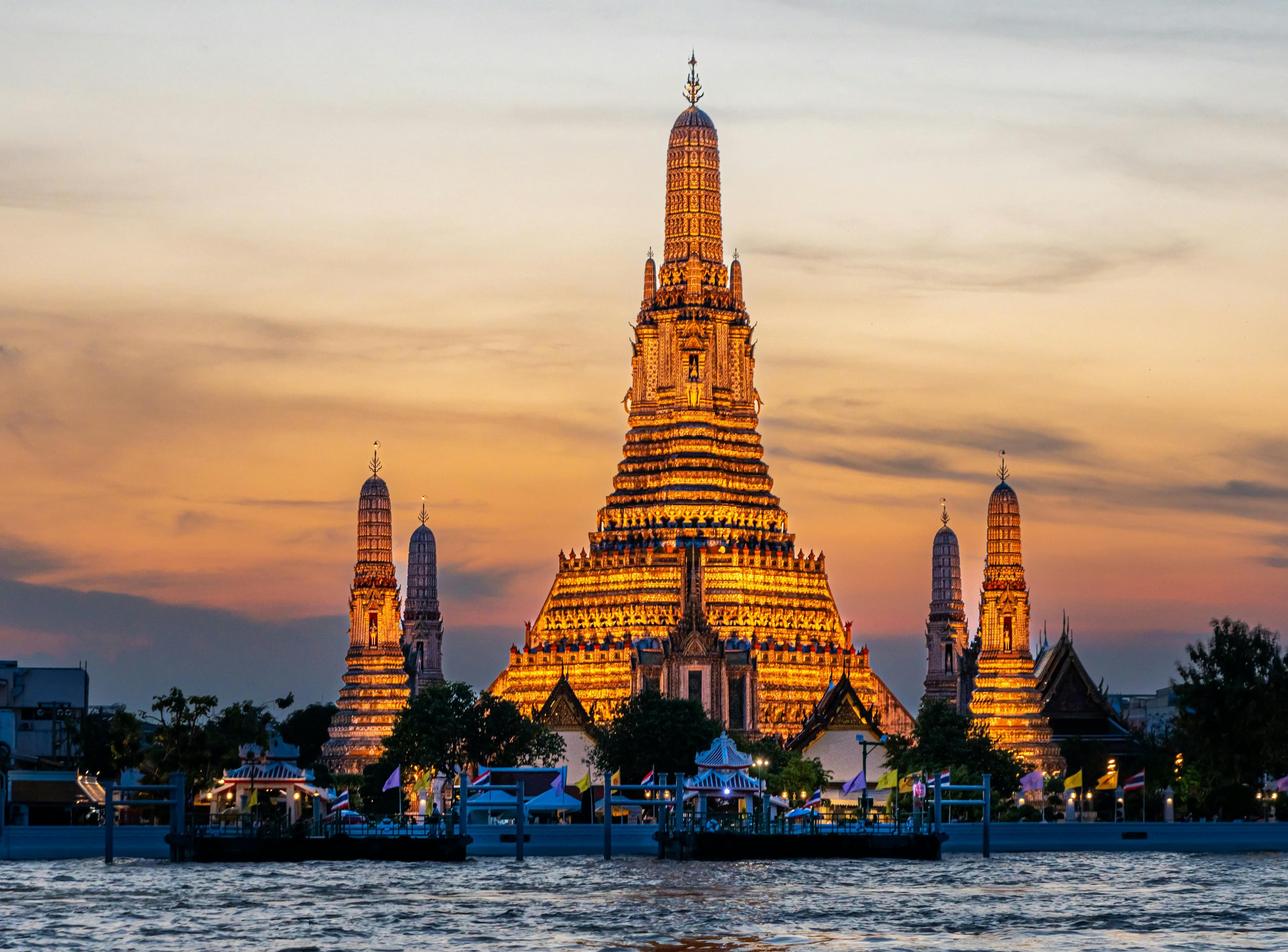
The honest answer to "Is Thailand worth it in 2026?" is simpler than for most Asian destinations. For most travelers: yes, dramatically. With one big asterisk.
Thailand welcomed 32.9 million international visitors in 2025 — slightly below its 2019 peak of 39.9 million. Numbers are projected to rebuild to 30-34 million in 2026, with Malaysia overtaking China as the #1 source market (4.5M vs 4.47M). The country's tourism is recovering, the baht is stable, and accommodation/food/transport remain dramatically cheaper than developed Asia: budget travelers thrive on $30/day, mid-range on $80/day, luxury at $200+/day — figures that haven't shifted meaningfully since pre-pandemic in dollar terms. Two new logistical wrinkles arrived in 2026: the mandatory TDAC Digital Arrival Card (online, free, 5 minutes), and an incoming 300 baht (~$9) entry fee for air arrivals expected by mid-2026 (postponed from 2025, still awaiting final implementation). Iconic sites like Maya Bay, Phi Phi, Phuket Patong, and Bangkok's Grand Palace face genuine overtourism. Less-traveled regions remain delightfully empty. This guide cuts through tourism marketing with verified 2026 data, real prices, and an honest verdict by traveler profile.
Skip 8 hours of research. Get YOUR personalized Thailand worth-it score in 30 seconds.
Get Your Thailand Verdict →30 seconds · 100% real data · No sponsored opinions · Always free
Jump to section
Table of Contents
The 2026 Picture
The 2026 Thailand Reality: What Changed
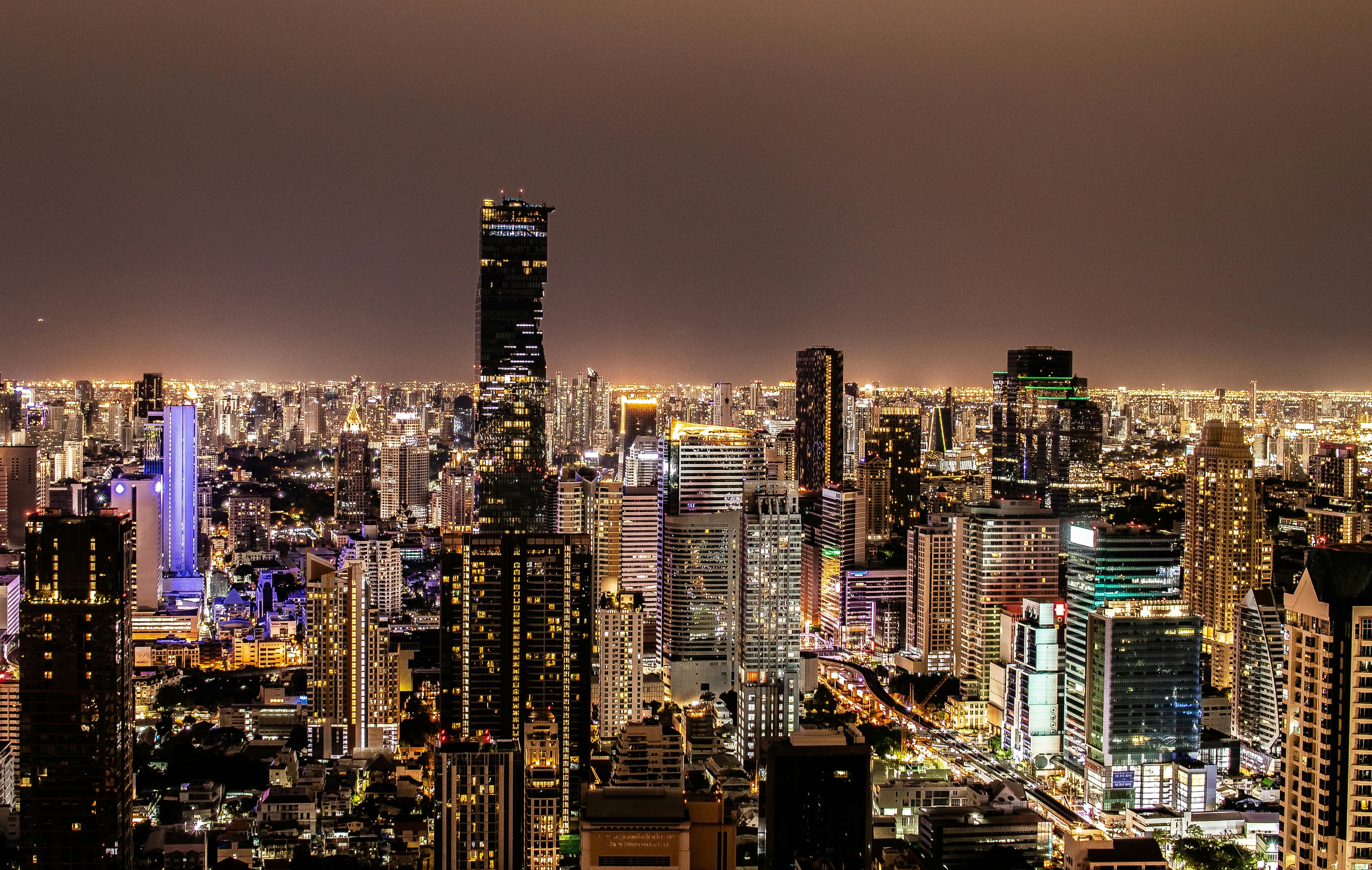
For decades, conventional wisdom about Thailand has been remarkably consistent: cheap, friendly, beautiful, easy. In 2026, that core proposition remains intact — but several new realities are reshaping what a Thailand trip actually looks like.
The tourism numbers: Thailand welcomed 32.9 million international visitors in 2025 — a 7.23% decline from 2024's 35.55 million and the first annual drop since the pandemic recovery. The decline is almost entirely driven by Chinese arrivals dropping 34% YoY (from 6.73M in 2024 to 4.47M in 2025), opening the door for Malaysia (4.50M) to overtake China as the #1 source market for the first time in over a decade. India arrivals grew +17%, and Russia sent 1.9M visitors. As of April 2026 YTD, 10.83 million tourists have arrived, with the year-end forecast at 30-34 million. The 2019 peak of 39.9M remains the all-time record.
The economic shift: the Thai baht has weakened mildly against the US dollar (1 USD = ฿32.6 in April 2026, vs ฿30 pre-2022), giving foreign visitors slightly more buying power. The Thai government's goal of generating THB 2.8 trillion in tourism revenue by 2026 hinges on this recovery. Importantly, while Thailand has gotten 10-15% more expensive in baht terms since pre-pandemic, dollar costs remain similar to 2019 thanks to the favorable exchange.
The result: 2026 Thailand offers near-identical dollar-cost as pre-pandemic Thailand, with three new logistical wrinkles (TDAC mandatory, 300 baht fee incoming, departure tax raised) and ongoing overtourism at iconic sites. For most traveler profiles, the country remains one of the world's top travel destinations on a value-per-experience basis.
- TDAC mandatory: Thailand Digital Arrival Card now required for ALL foreign visitors entering by air, land, or sea. File online at tdac.immigration.go.th within 72 hours before arrival. Free, takes 5 minutes. Replaces the old paper TM6 form.
- 300 baht fee incoming: the long-delayed ฿300 (~$9) entry fee for air arrivals has been postponed to mid-2026 (Q2-Q3). Will be bundled into airline tickets. Of which: ฿70 funds basic medical insurance, ฿230 to tourism infrastructure.
- Airport departure charges raised 53%: from ฿730 to ฿1,120 ($34) — typically already included in your ticket but worth knowing.
- Visa-free extended: US, EU, UK, Australia, Canada citizens now get 60 days visa-free (up from 30). Many ASEAN nationals get 30 days. Visa-on-arrival also extended.
- Maya Bay restrictions: daily visitor caps and 1-hour group limit since 2022 reopening (after 4-year closure). Plan accordingly if visiting Phi Phi.
Sources: Tourism Authority of Thailand (TAT) March 2026 report, Ministry of Tourism and Sports, Nation Thailand, Bangkok Post
The Money Question
Real Daily Costs in Thailand 2026 (Verified)
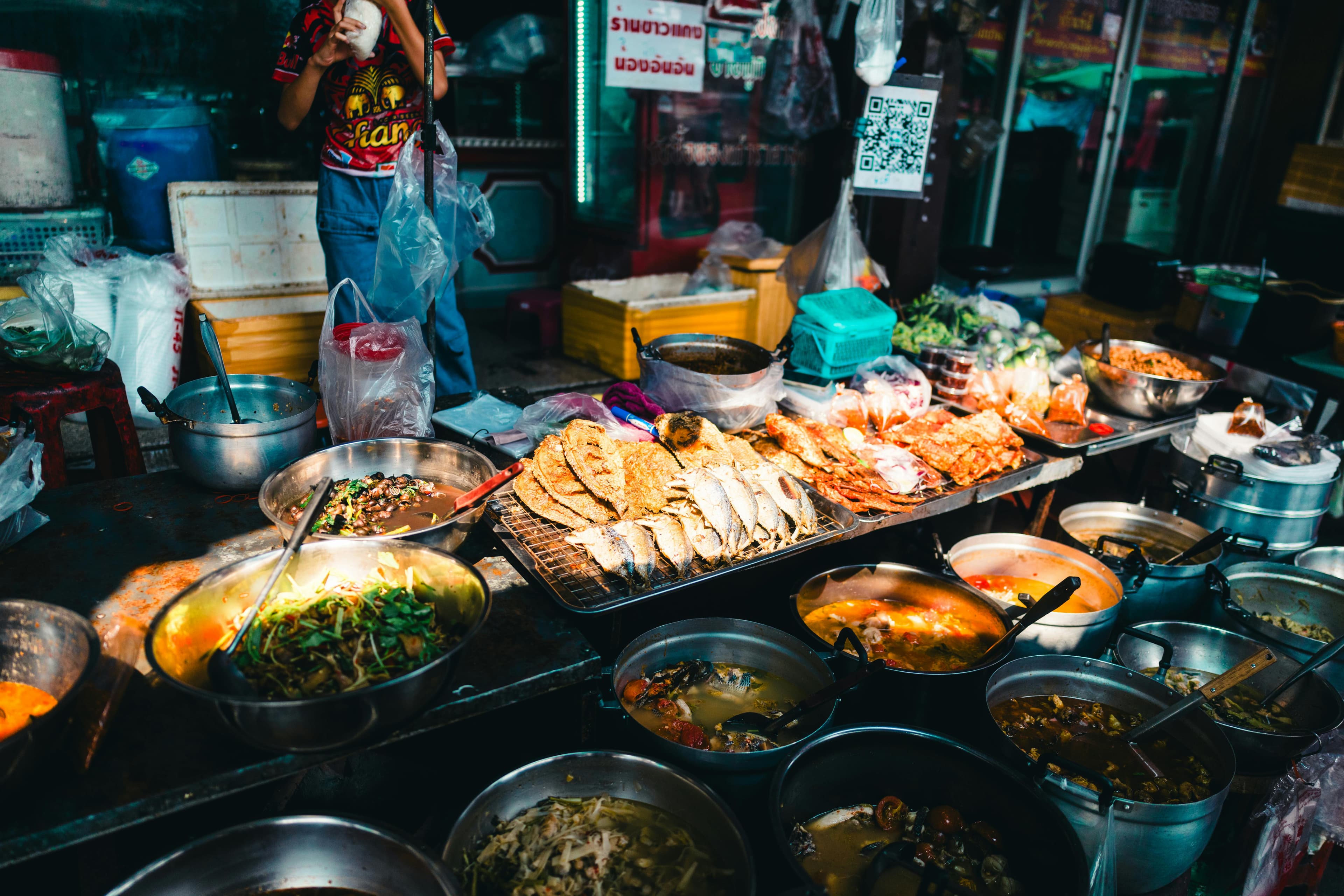
We cross-referenced five independent 2026 sources for verified daily costs: BudgetYourTrip, Visit Thailand Today (Thailand-resident author), Nomadic Matt's 2026 Thailand breakdown, Machupicchu Travel's Thailand Budget Guide, and Royal Thailand Tours' 2026 backpacker report. Numbers below reflect consistent ranges across these sources at April 2026 exchange rate (1 USD = ฿32.6).
| Category | Budget | Mid-Range | Luxury |
|---|---|---|---|
| Daily total (USD) | $25-50 | $60-110 | $200+ |
| Daily total (baht) | ฿900-1,500 | ฿2,150-3,600 | ฿7,000+ |
| Accommodation/night | $5-30 | $30-80 | $150-400+ |
| Food daily | $5-12 | $15-30 | $50-100+ |
| Local transport | $3-8 | $10-25 | $30+ |
| Activities daily | $5-15 | $15-40 | $50-150+ |
| 10-day trip total | $500-1,000 | $1,400-2,500 | $5,000-10,000 |
| 10-day total (baht) | ฿16-32K | ฿45-80K | ฿165-330K |
What each tier actually looks like
Budget ($25-50/day): hostels or guesthouses (฿400-800/night), street food meals (฿40-150 per dish — pad thai from a cart is ฿50), local public transport (BTS Skytrain, MRT, songthaews, buses), free temples and beaches, occasional paid activity. Genuinely comfortable for months at a time, especially in northern Thailand or smaller islands. Bangkok Khao San area and Chiang Mai Old City offer the best budget infrastructure.
Mid-range ($60-110/day): 3-star hotels or boutique guesthouses (฿1,200-2,500/night), mix of street food and sit-down restaurants ($15-30/day), Grab taxis between destinations, 1-2 paid tours/activities daily (cooking class ฿1,500, elephant sanctuary ฿1,800-3,000, day trips ฿800-1,500). This is what 65% of Western tourists actually spend.
Luxury ($200+/day): 4-5 star hotels or beach resorts ($150-400+/night), fine dining at restaurants like Gaggan or Le Du in Bangkok ($100-300+/meal), private speedboat charters in Phi Phi, spa treatments at Mandarin Oriental, private guides. Thailand luxury is exceptional value compared to Maldives or Bali — a $500/night villa here would cost $1,500+ in the Maldives.
Northern Thailand (Chiang Mai, Pai, Chiang Rai): 40-50% cheaper than the rest of the country. Mid-range $40-70/day is comfortable.
Bangkok: Mid-tier prices, but ranges hugely by area. Sukhumvit/Silom 2x cheaper than five-star districts. Khao San area cheapest.
Islands (Phuket, Koh Samui, Phi Phi): 30-60% more expensive than Bangkok, especially in peak season (Dec-Feb). Off-peak rainy season prices drop 30-50%.
Quick comparison
Thailand $60-110/day. Vietnam $40-65/day. Bali $70-130/day. Japan $170-270/day. Is the premium worth it for YOUR profile?
Compare All Asia →The Honest Verdict
Is Thailand Worth It? By Traveler Profile
Generic verdicts are useless. Here's the honest answer for six traveler profiles based on verified 2026 conditions.
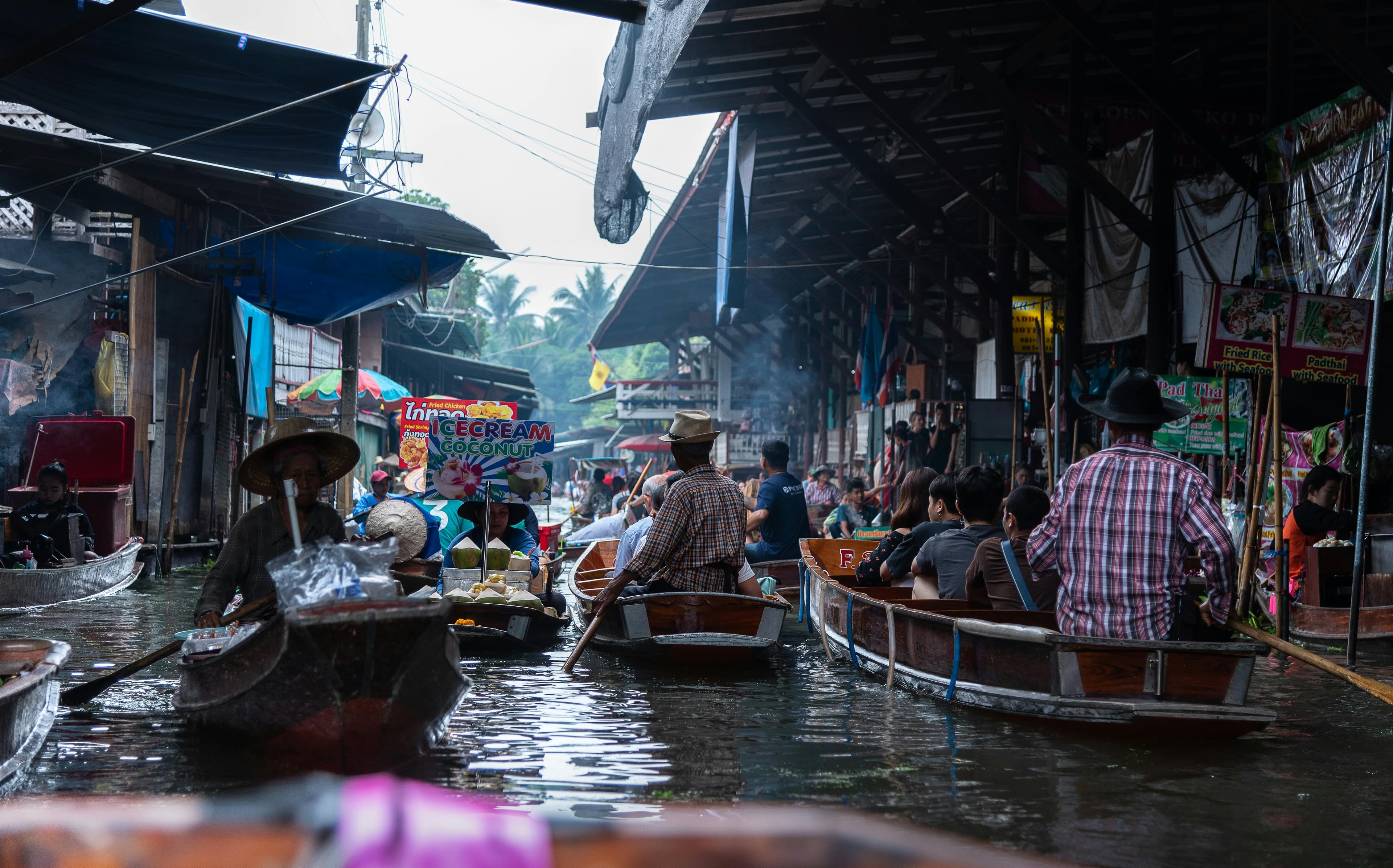
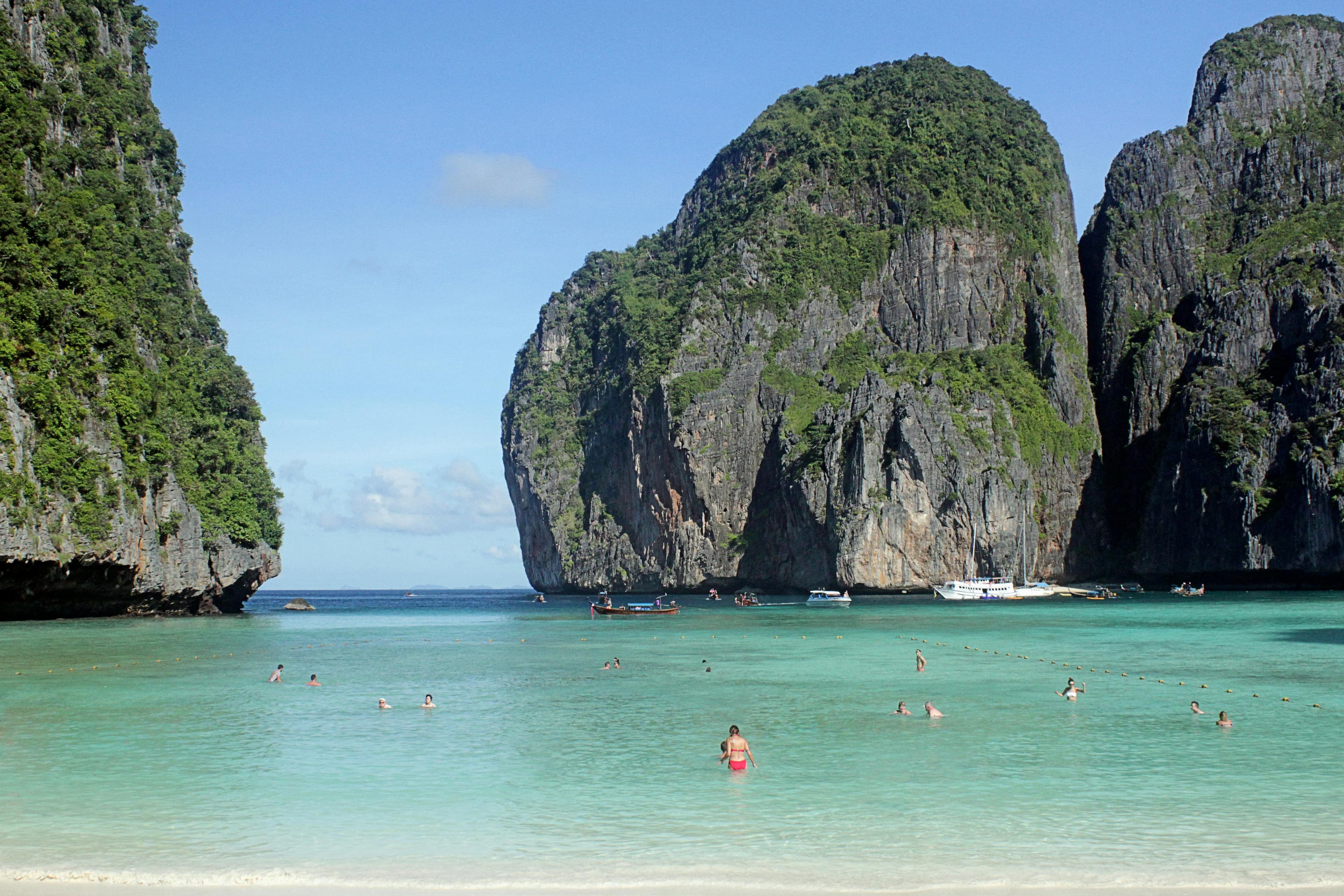
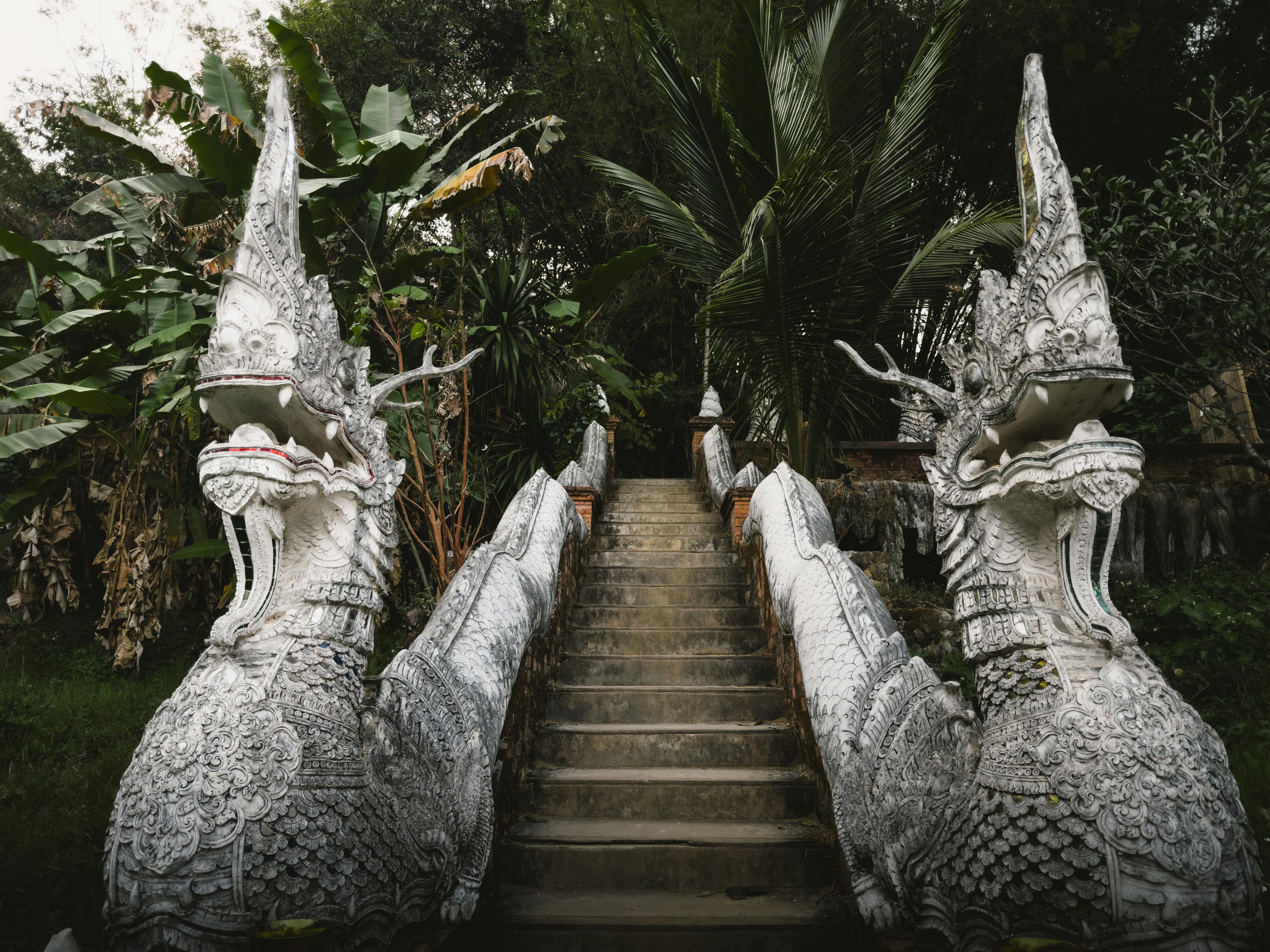
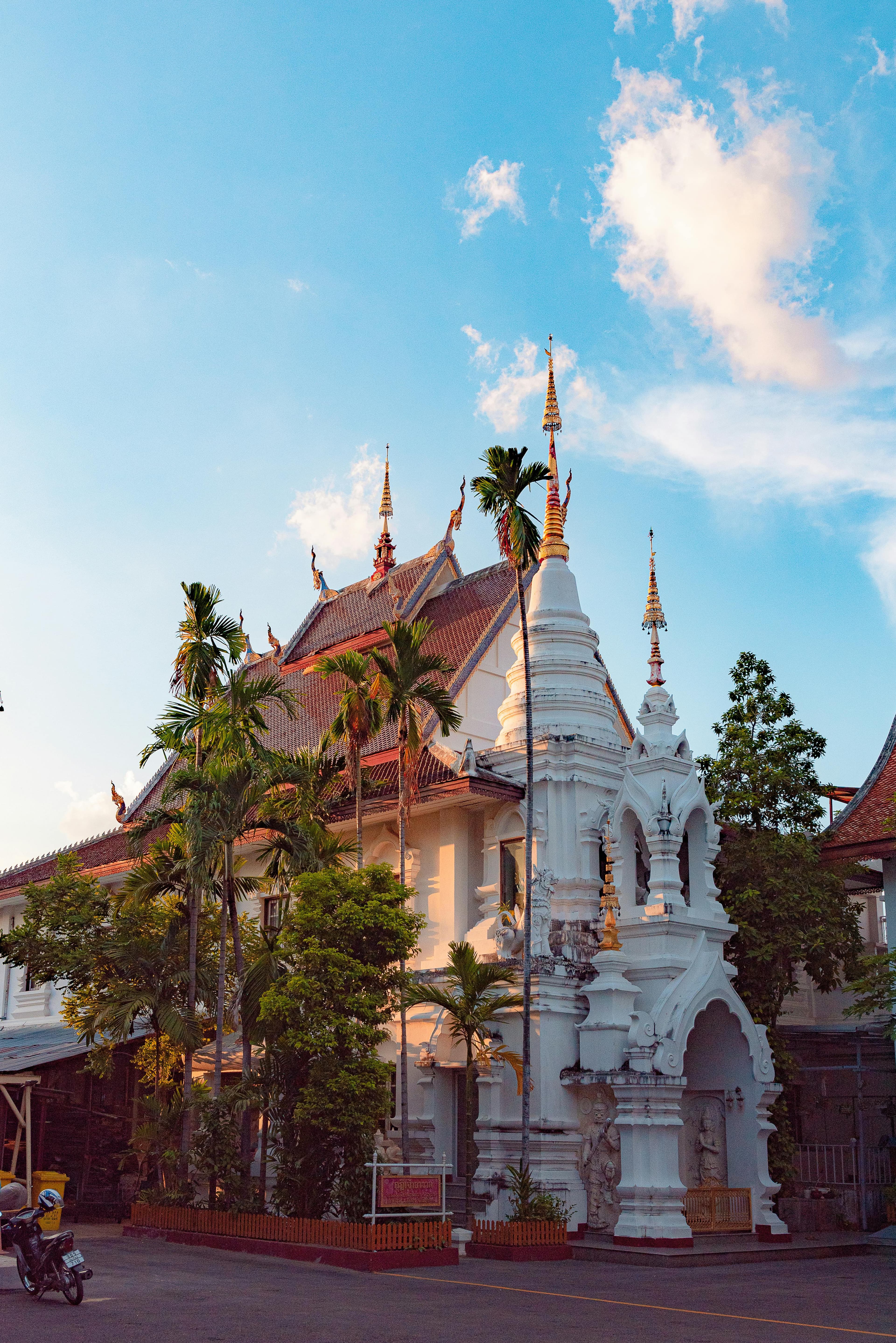
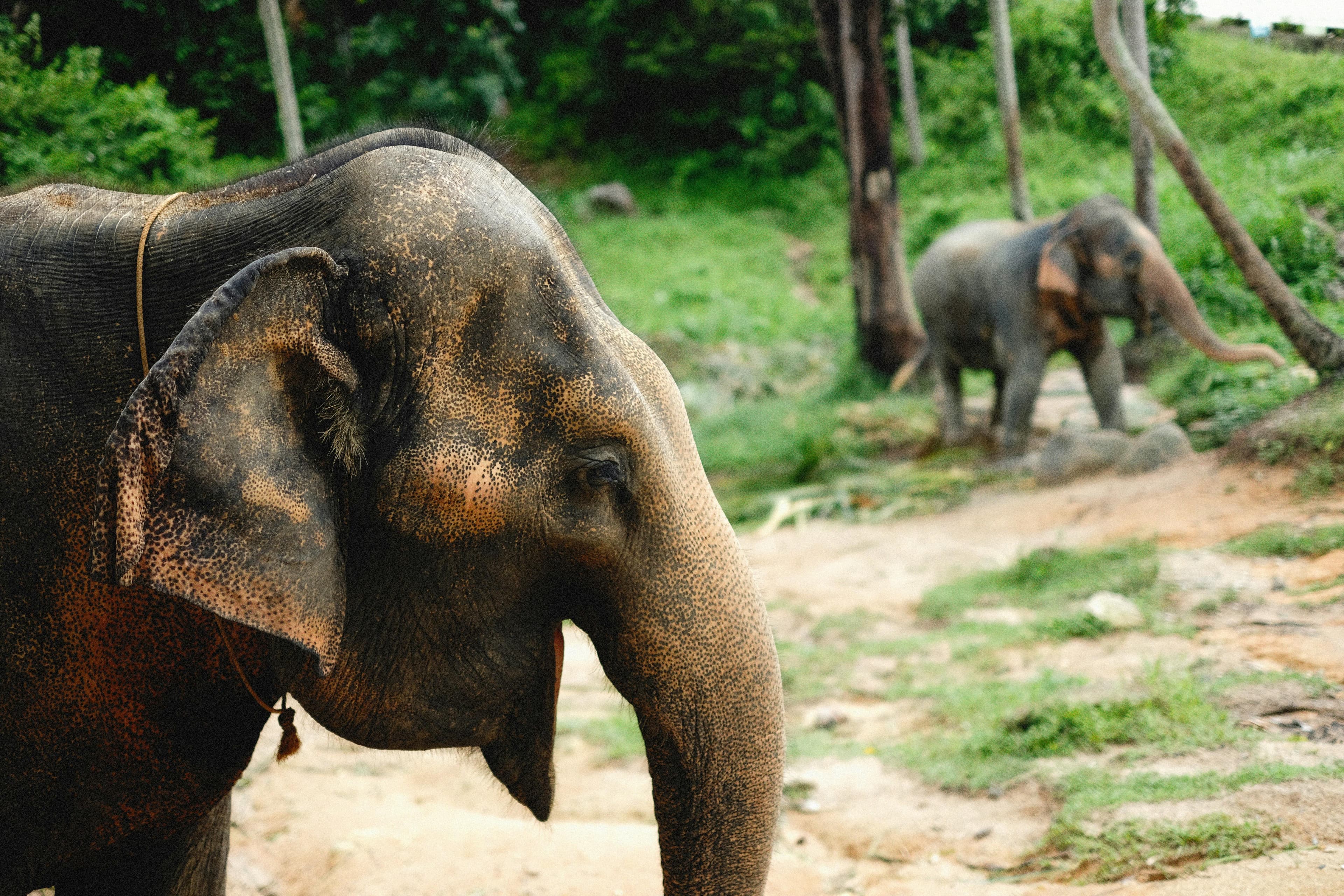
The Uncomfortable Truth
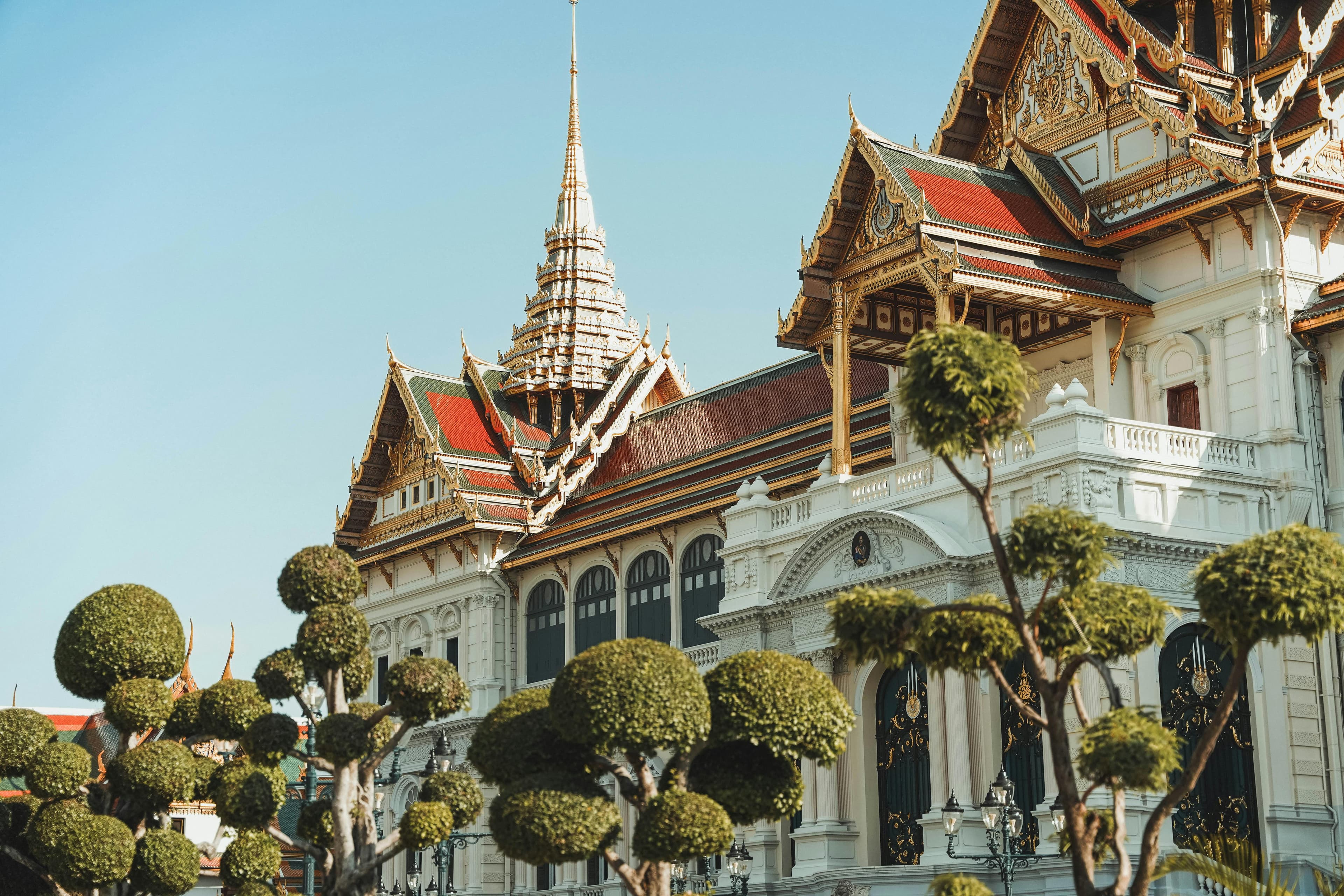
When Thailand is NOT Worth Visiting in 2026
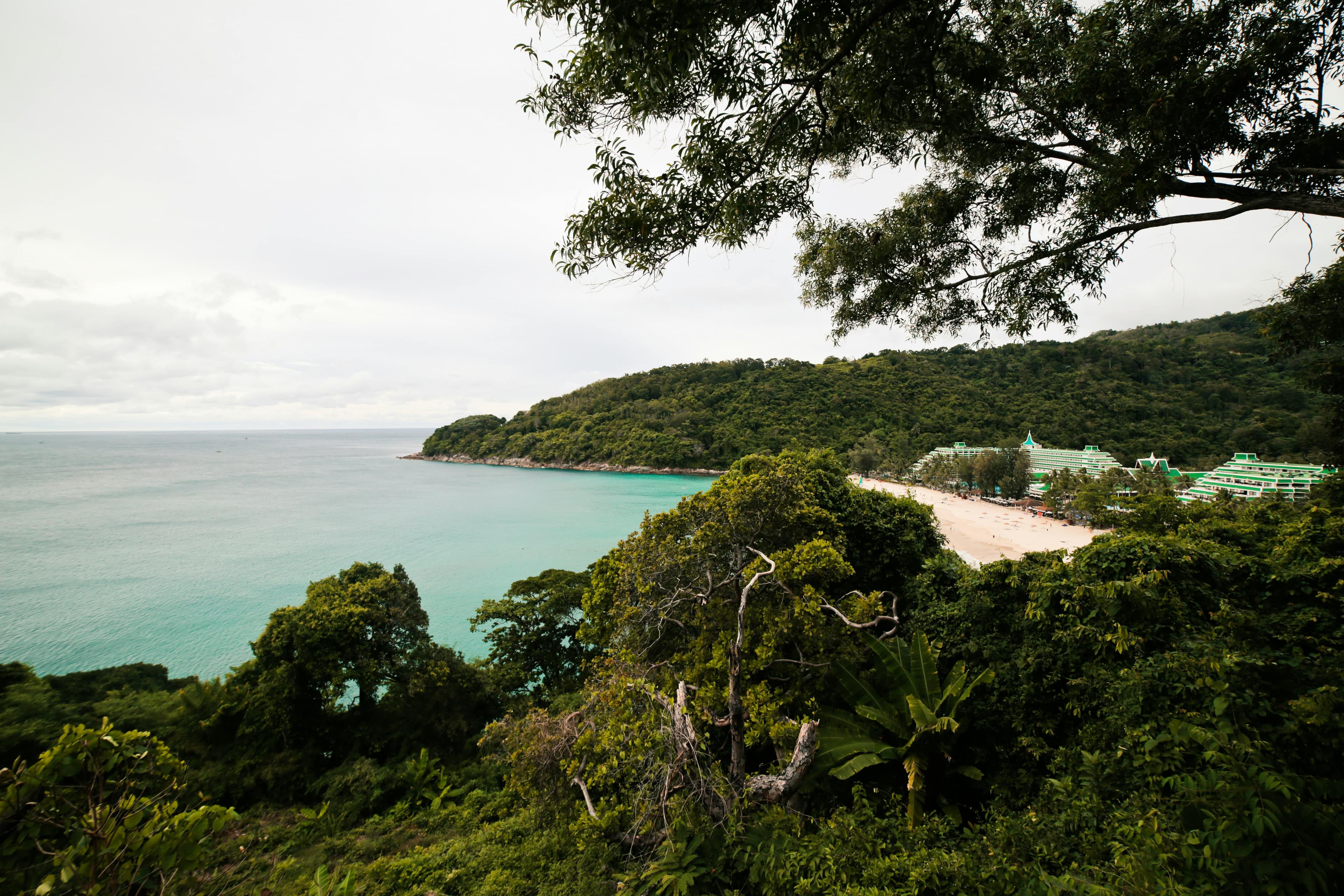
Most travel blogs won't tell you this: there are real scenarios where Thailand in 2026 is the wrong choice. Skipping Thailand or delaying your trip can be the smart move. Here are seven situations where another destination delivers more for your time and money.
1. You travel September-October
Peak rainy season, especially on the Andaman coast (Phuket, Krabi, Phi Phi). Expect daily heavy downpours, choppy seas (boats to Phi Phi often cancelled), beach erosion, and flooded streets in Bangkok. The Gulf coast (Koh Samui, Phangan) gets hit worst in November. Move your trip to November-February (peak season) or May-June (shoulder). Same money, dramatically better experience.
2. You hate hot humid weather
Thailand is tropical. Bangkok averages 32-35°C with 70-85% humidity year-round. Even in cool season (November-February), midday temperatures reach 30°C+. Walking around Bangkok or temples for hours in this heat is genuinely exhausting for cold-climate travelers. If you require cool dry weather, choose Japan, Korea, or northern Vietnam Hanoi in winter.
3. You only have 3-4 days
Thailand rewards 7-14 day trips. With less than a week, you either stay in Bangkok only (missing what makes Thailand special: beaches and Chiang Mai) or rush 3 cities and feel exhausted. International flights are long and jet lag eats day 1. For 3-4 day Asia trips, Singapore, Hong Kong, or single-city Japan visits work better.
4. You want minimal crowds at iconic sites
Bangkok Grand Palace, Maya Bay, Phuket Patong, Phi Phi Don, Wat Pho, and Chiang Mai Old City temples are densely crowded year-round, especially during November-February peak season. If quiet contemplation is your priority, choose rural Vietnam, Laos, or Cambodia's less-visited Angkor temples (early morning before tour buses).
5. You expect ultra-cheap luxury
Thailand luxury is good value but not budget. $300-500/night gets you world-class hotels, but the absolute backpacker-tier Thailand of 2010 ($5/night beach huts) is largely gone in tourist areas. For unmatched luxury value, the Maldives is more expensive but more exclusive; Bali offers similar luxury at similar prices; Vietnam wins for luxury under $200/night.
6. You only want serious cultural saturation
Thailand has rich culture (temples, history, food, traditions), but it's also a heavy beach/party destination. If you want a pure cultural immersion trip with no beach distraction, Vietnam, Cambodia, Myanmar, or Japan offer deeper cultural saturation. Thailand is at its best when combining beach + culture + adventure.
7. You travel during Songkran (April 13-15) and want to stay dry
Songkran is Thailand's Thai New Year and the country's biggest celebration — three days of massive nationwide water fights. Every street becomes a soaking zone. Tourists with electronics, hotel walks, or business meetings should plan accordingly. Fun if you embrace it; miserable if you don't. Move trip dates ±1 week if water fights aren't your thing.
The Crowd Problem
The Overtourism Reality (Verified Data)
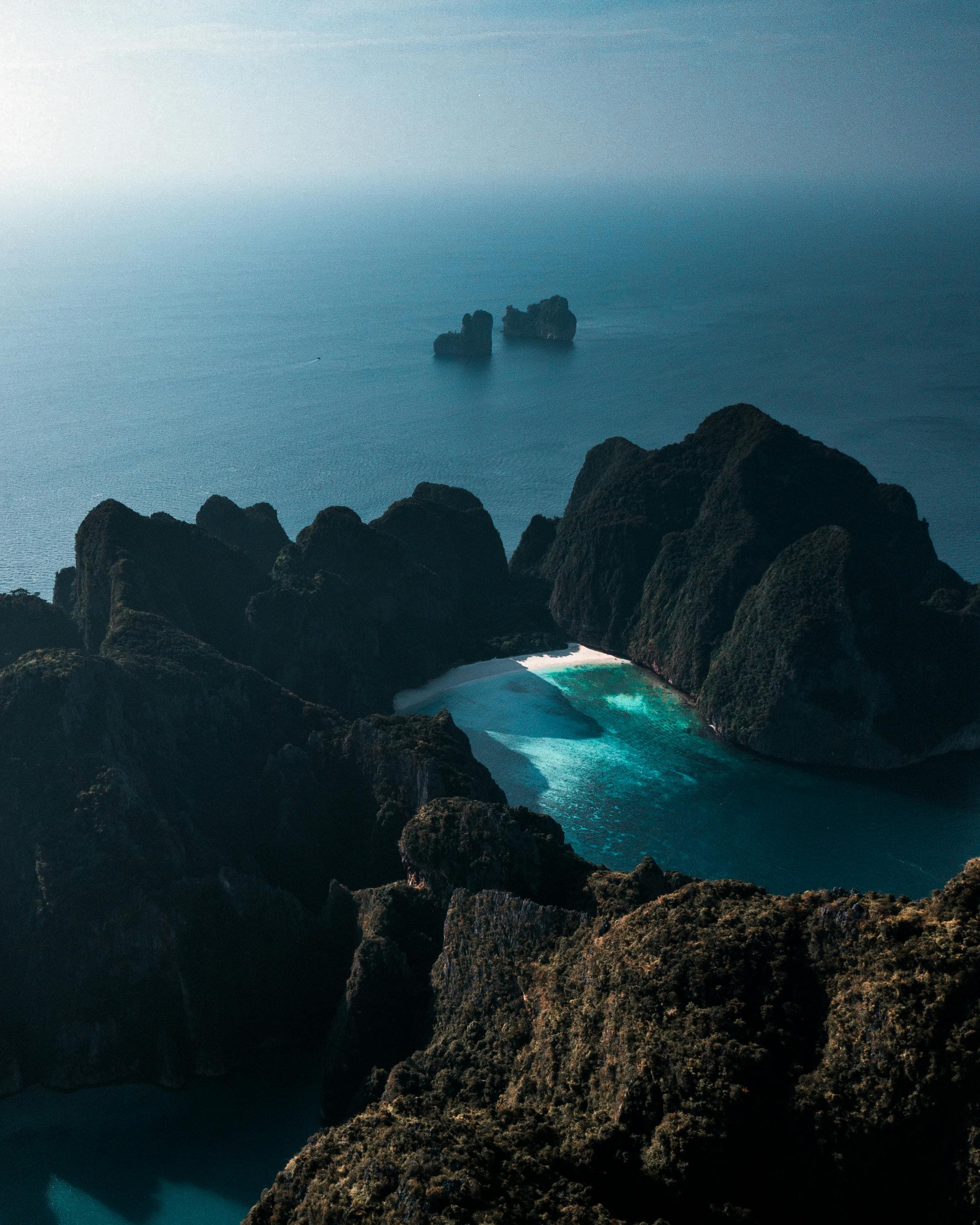
Thailand's overtourism story is nuanced: total visitor numbers are below the 2019 peak, BUT the concentration at iconic sites is intense. Here's the verified picture.
- 32.9M visitors in 2025 (-7.23% from 2024, first decline post-pandemic)
- 2019 record: 39.92M visitors (still unmatched)
- 2026 forecast: 30-34M total (April YTD: 10.83M)
- Malaysia overtook China as #1 source market in 2025: 4.50M vs 4.47M
- Chinese arrivals dropped 34% YoY (6.73M → 4.47M)
- India arrivals +17%, Russia 1.9M, US 953K, UK 850K
- 66% of revenue concentrated in Bangkok + Phuket + Chonburi + Chiang Mai
- Bangkok ranked #1 globally as most-visited city pre-pandemic (Mastercard)
What overtourism looks like on the ground 2026
Maya Bay (Phi Phi): closed June 2018 - January 2022 for coral reef recovery. Reopened with strict rules: max 375 visitors per round (up to 4,125/day), 1-hour group limit, no swimming, designated viewing platform only. Coral has partially recovered. Still beautiful but tightly controlled experience.
Phuket: Patong Beach is dense year-round with party tourism. Kata, Karon, Nai Harn beaches remain calmer. Phuket Old Town less crowded than coast.
Bangkok Grand Palace: 8,000-20,000 daily visitors during November-February peak. Wear long pants/sleeves (strict dress code). Visit at opening (8:30 AM) or close (3:00 PM) to minimize crowds.
Chiang Mai Old City: Sunday Walking Street and Saturday Night Market are crowded but manageable. Doi Suthep temple busiest 10 AM - 2 PM. Visit early morning.
1. Choose less-visited islands — Koh Yao Yai, Koh Lanta, Koh Kood (Trat), Koh Lipe instead of Phi Phi.
2. Visit iconic sites at sunrise — Wat Arun at 6:30 AM, Grand Palace at 8:30 AM open, Doi Suthep before 9 AM.
3. Discover Isan (Northeast) — Khao Yai National Park, Ubon Ratchathani, Surin (elephant village), Phu Hin Rong Kla.
4. Travel shoulder season — May-June or October offer 30-50% fewer tourists at same prices.
Sources: Tourism Authority of Thailand (TAT) March 2026, UNWTO 2025, Bangkok Post, Reuters, Statista
Timing Matters
Best Time to Visit Thailand in 2026
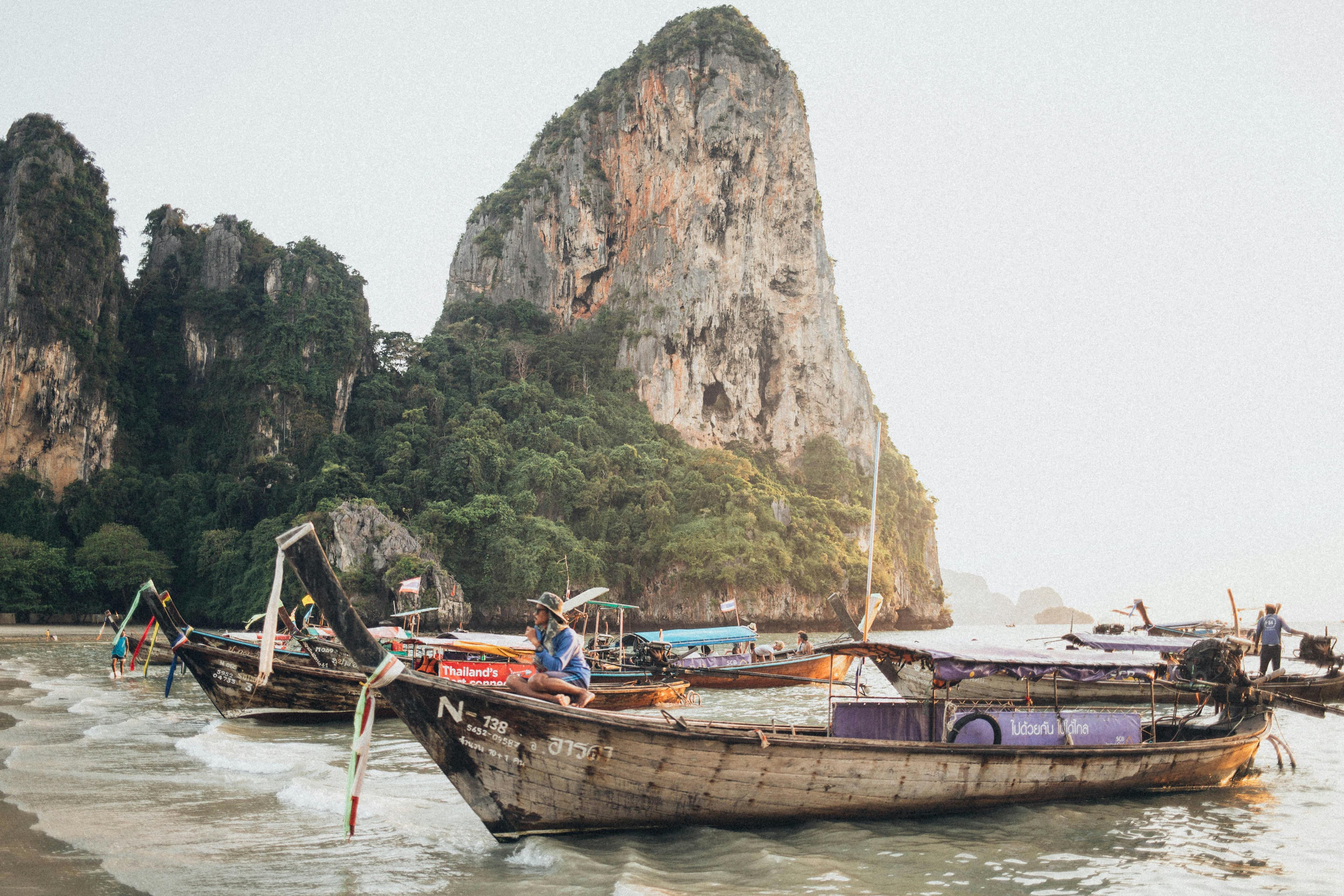
Month-by-month verdict for 2026
- Songkran (Thai New Year): April 13-15, 2026 (water fights nationwide, public holiday)
- Chinese New Year: February 17, 2026 (busy temples, Chinese tourist surge)
- Loy Krathong: November 14, 2026 (floating lanterns festival, especially magical in Chiang Mai with Yi Peng coinciding)
- King's Birthday: July 28, 2026 (public holiday)
- Vegetarian Festival (Phuket): October 10-19, 2026
Sources: Tourism Authority of Thailand, Thai Meteorological Department, Visit Thailand Today
🛂 Logistics 2026
Visa, TDAC, Money Tips Updated 2026
Visa & Entry
60 days visa-free for US, EU, UK, Canada, Australia, NZ.
TDAC mandatory: file at tdac.immigration.go.th within 72hrs before arrival.
300 baht fee: expected Q2-Q3 2026, bundled with airline ticket.
Money & Costs
Exchange rate: 1 USD = ฿32.6 (April 2026).
VAT refund: 7% refundable on purchases ฿2,000+ at airport.
ATMs: ฿200-220 fee per foreign card withdrawal.
Transport
Grab app: Uber equivalent. Use instead of street taxis.
BTS Skytrain/MRT: Bangkok ฿16-62 per ride.
Domestic flights: ฿1,200-4,000 (AirAsia, Nok Air, Bangkok Airways).
- Always use Grab over street taxis — fixed prices, no scams, accept credit cards.
- Withdraw larger amounts at ATMs — ฿200 fee per withdrawal regardless of amount. Take ฿20,000 at once.
- 7-Eleven is everywhere — accepts foreign cards, food/drinks/SIM cards/laundry/everything.
- Use Wise or Revolut — best USD/EUR to THB conversion rates, no foreign transaction fees.
- Tipping not expected but appreciated — 5-10% at sit-down restaurants, ฿20-50 for porters.
- Bargain at markets — start at 60% of asking price, walk away if too high.
- SIM at airport — ฿200-300 for 8-15 days unlimited data. AIS, TrueMove, DTAC all good.
Decision Helper
Thailand vs Asia Alternatives 2026
Quick verified comparison if you're weighing Thailand against other Asian destinations for your 2026 trip.
| Factor | 🇹🇭 Thailand | 🇻🇳 Vietnam | 🇮🇩 Bali | 🇯🇵 Japan |
|---|---|---|---|---|
| Daily cost mid-range | $60-110 | $40-65 | $70-130 | $170-270 |
| Days needed minimum | 7+ | 7+ | 7+ | 7+ |
| Crowding 2026 | High (iconic) | Low-Medium | Medium-High | Very high |
| Visa free days | 60 | 45 | 30 | 90 |
| Food quality/value | ★★★★★ | ★★★★★ | ★★★★ | ★★★★★ |
| Beach quality | ★★★★ | ★★★ | ★★★★ | ★★ |
| Cultural depth | ★★★★ | ★★★★★ | ★★★ | ★★★★★ |
| Infrastructure | ★★★★ | ★★★ | ★★★ | ★★★★★ |
| First-time Asia | Easiest | Medium | Medium | OK |
| English ease | ★★★★ | ★★★ | ★★★★ | ★★★ |
The Bottom Line
The Final Verdict: Is Thailand Worth It in 2026?
Travelens Worth-It Score 2026
ABSOLUTELY WORTH IT
Thailand in 2026 remains one of the best value travel destinations in the world. Dollar costs roughly identical to 2019, exceptional infrastructure for the price, unmatched food, world-class beaches, and deep cultural heritage. New logistical wrinkles (TDAC, incoming 300 baht fee) are minor. Overtourism affects iconic sites but the country is geographically vast enough that empty paradise still exists. For most traveler profiles — first-timers, foodies, budget backpackers, families, beach lovers — Thailand should be at or near the top of your 2026 shortlist.
The honest one-liner
"Thailand in 2026 is the same Thailand that has charmed travelers for 40 years — exceptional value, infrastructure that beats its weight class, and that rare combination of beach, culture, food, and adventure in one country. Skip if you hate humidity, peak rainy season, or crowds at famous beaches. Otherwise, book it."
Decision Engine
Still uncertain? Get YOUR personalized Thailand worth-it score
Our AI Decision Engine factors in your budget, dates, traveler profile, and preferences to give you a personalized worth-it score for Thailand vs alternative destinations. 30 seconds. No email required to see results.
Get Your Worth-It Score →Where to Stay
Find Your Thailand Accommodation
🏙 Bangkok
Sukhumvit for modern + nightlife, Silom for business + rooftop bars, Khao San for backpackers, Old City for culture. Mid-range $40-80/night.
Bangkok Hotels →⛩ Chiang Mai
Old City for temples + walking, Nimman for hip cafes/restaurants, Riverside for boutique stays. Mid-range $25-55/night.
Chiang Mai Hotels →🏖 Phuket
Kata/Karon for families + calm beaches, Patong for nightlife + crowds, Nai Harn for serene, Old Town for character. Mid-range $50-120/night.
Phuket Hotels →People Also Ask
Frequently Asked Questions
Is Thailand worth visiting in 2026?
For the vast majority of travelers, yes — Thailand remains one of the best value destinations in the world in 2026. The country welcomed 32.9 million international visitors in 2025 (a 7.23% decline from 2024) and is projected to reach 30-34 million in 2026. Daily costs sit at $25-50 for budget travelers, $60-110 for mid-range, and $200+ for luxury — making Thailand 1.5-2x cheaper than Japan or Korea. The combination of warm tropical climate, exceptional street food, world-class beaches, deep cultural heritage, and outstanding tourism infrastructure makes Thailand worth visiting in 2026 for travelers of nearly every budget and profile. The main caveats: the TDAC digital arrival card is now mandatory, a 300 baht entry fee is expected mid-2026, and overtourism affects iconic sites like Maya Bay, Phi Phi, and central Phuket.
How much does a trip to Thailand cost in 2026?
Verified 2026 daily costs cross-referenced from BudgetYourTrip, Nomadic Matt, Visit Thailand Today, Machupicchu Travel, and 2026 traveler reports: Budget travelers spend ฿900-1,500/day ($28-46), mid-range ฿2,500-4,000/day ($77-123), luxury ฿6,000-12,000+/day ($184-368+). For a 10-day mid-range trip: $1,400-2,500 per person on the ground, plus return flights ($500-1,400 depending on origin). Thailand remains 1.5-2x cheaper than Japan and roughly 20-30% more expensive than Vietnam for comparable quality. Northern destinations like Chiang Mai and Pai are 40-50% cheaper than islands like Phuket and Koh Samui.
When is the best time to visit Thailand in 2026?
The cool dry season from November 2026 to February 2027 is widely considered the best time to visit Thailand — temperatures 25-32°C, low humidity, minimal rain. This is peak tourist season, so book accommodations 3-6 months ahead, especially for islands and during Christmas/New Year weeks. Songkran (Thai New Year) falls April 13-15, 2026 — Thailand's biggest festival with massive water fights nationwide. Avoid: peak rainy season June-October (especially September), Songkran week for quiet trips, and Chinese New Year week (late January/February) for crowds at temples. Shoulder season May-June and October offer 20-40% lower prices with manageable weather.
Is the 300 baht tourist fee in effect in Thailand 2026?
As of May 2026, the 300 baht ($9) tourist entry fee is NOT yet in effect. The Thailand Ministry of Tourism and Sports postponed the rollout from 2025 to mid-2026 (Q2 or Q3 2026), citing weak tourism recovery and economic concerns. The fee is expected to launch by June 30, 2026 at the earliest, and would apply only to foreign tourists arriving by air at international airports (Suvarnabhumi BKK, Don Mueang DMK, Phuket HKT, Chiang Mai CNX). Of the 300 baht: 70 baht funds basic medical/accident insurance; remaining baht goes to tourism infrastructure. The fee would be bundled into airline ticket pricing rather than collected at immigration. Check airline updates closer to your travel date.
What is the TDAC Thailand Digital Arrival Card 2026?
The TDAC (Thailand Digital Arrival Card) is now mandatory for ALL foreign nationals entering Thailand by air, land, or sea — replacing the old paper TM6 immigration form. You must file the TDAC online at tdac.immigration.go.th within 72 hours before arrival. It is FREE and takes 5-10 minutes to complete. After submission you receive a QR code via email — show it at immigration. The TDAC was introduced in early 2025 to streamline arrivals and improve data collection. Visa-exempt nationals (US, EU, UK, Canada, Australia, NZ get 60 days visa-free; many ASEAN nationals get 30 days) still need to fill the TDAC. Visa-required nationals fill TDAC in addition to their visa. Failure to complete = denied boarding or entry delays.
Is Thailand crowded in 2026 because of overtourism?
Yes, but unevenly. Iconic sites suffer real overtourism: Maya Bay (Phi Phi) reopened in 2022 after a 4-year closure for coral restoration and now has strict daily visitor caps and a 1-hour limit per group; Phi Phi Don gets congested year-round; Phuket Patong Beach is dense with tourists; Bangkok Grand Palace sees 20,000+ daily visitors during peak season. However, Thailand is geographically vast — venture beyond Bangkok-Phuket-Chiang Mai and you can find empty beaches in Trang and Koh Yao, untouched mountains in Mae Hong Son, and authentic culture in Isan (Northeast). Total 2025 visitor count was 32.9M, lower than the 2019 peak of 39.9M — Thailand is actually less crowded overall than pre-pandemic, despite specific site congestion.
Is Thailand cheaper than Vietnam or Japan in 2026?
Thailand sits in the middle of Asian cost spectrum in 2026. Verified daily costs comparison: Vietnam $40-65/day, Thailand $60-110/day, Indonesia (Bali) $70-130/day, Japan $170-270/day, South Korea $120-180/day, Singapore $150-250/day. Thailand is 20-30% more expensive than Vietnam for comparable quality but 50-60% cheaper than Japan. Compared to 2019 prices, Thailand has gotten 10-15% more expensive due to inflation and tourism recovery, but the baht has weakened slightly against the USD making it good value for American/European travelers. The big winner in 2026 value is still Vietnam, but Thailand has dramatically better infrastructure (transport, hospitals, ATMs, English signage).
When is Thailand NOT worth visiting?
Thailand is NOT worth visiting in 2026 if: (1) You travel September-October — peak rainy season with daily heavy downpours on the Andaman coast (Phuket/Krabi). (2) You hate hot humid weather — Bangkok averages 32-35°C with 70-85% humidity year-round. (3) You only have 3-4 days — Thailand rewards 7-14 day trips with multiple regions. (4) You want minimal crowds at iconic sites — Maya Bay, Phi Phi, Patong Beach, Grand Palace are dramatically congested. (5) You expect cheap luxury — Thailand luxury at $300-500/night is excellent but not budget. (6) You want a serious cultural-depth-only trip without beach/adventure — Vietnam, Cambodia, or Japan offer deeper cultural saturation. (7) You travel during Songkran (April 13-15) and want to stay dry — water fights are unavoidable nationwide.
Is Thailand safe for solo travelers and families in 2026?
Yes — Thailand is among the safest popular destinations in Asia. Violent crime against tourists is exceptionally rare; female solo travelers consistently rate Thailand as comfortable and friendly. Bangkok, Chiang Mai, Phuket, and main tourist islands have excellent infrastructure, English signage, and tourist police. Risks: minor scams targeting tourists at airports/taxis (use Grab app, not random taxis), pickpocketing in crowded markets, occasional jet-ski/motorbike rental scams in Phuket, and overdrinking on full moon parties (Koh Phangan). For families: Thailand is exceptional with kid-friendly hotels, predictable food, elephant sanctuaries (Chiang Mai), water parks (Phuket), and Disney-like experiences. The healthcare system in Bangkok is world-class — Bumrungrad and Bangkok Hospital rival US/EU hospitals at 1/4 the cost.
How long should I spend in Thailand to make it worth it?
Minimum 7 days for a worthwhile Thailand trip covering Bangkok (3 days) + one beach destination (3 days) + 1 day transit. Ideal: 10-14 days allowing Bangkok + Chiang Mai (north culture) + one island (Phuket/Krabi/Koh Samui). Two weeks plus: add Pai or Mae Hong Son (north mountains), Sukhothai (ancient capital), or less-visited islands like Koh Lanta, Koh Yao, or Koh Tao for diving. Less than 7 days = either rushed multi-city or limited to just Bangkok. Thailand rewards slow travel — full moon parties, cooking classes, beach time, jungle treks all need unstructured days. 60% of repeat Thailand visitors report wishing they had stayed longer on their first trip.
Continue Exploring Thailand
Plan Your Thailand Trip
You now have the honest verdict.
Thailand in 2026 remains one of the best value travel destinations globally. Same magic, slightly new logistics, dramatically better value than developed Asia.
Get your personalized worth-it score in 30 seconds. The Decision Engine compares Thailand against your exact profile and ranks it honestly with verified data.
Try the AI Decision Engine →100% real data · No opinions · No sponsored results · Always free