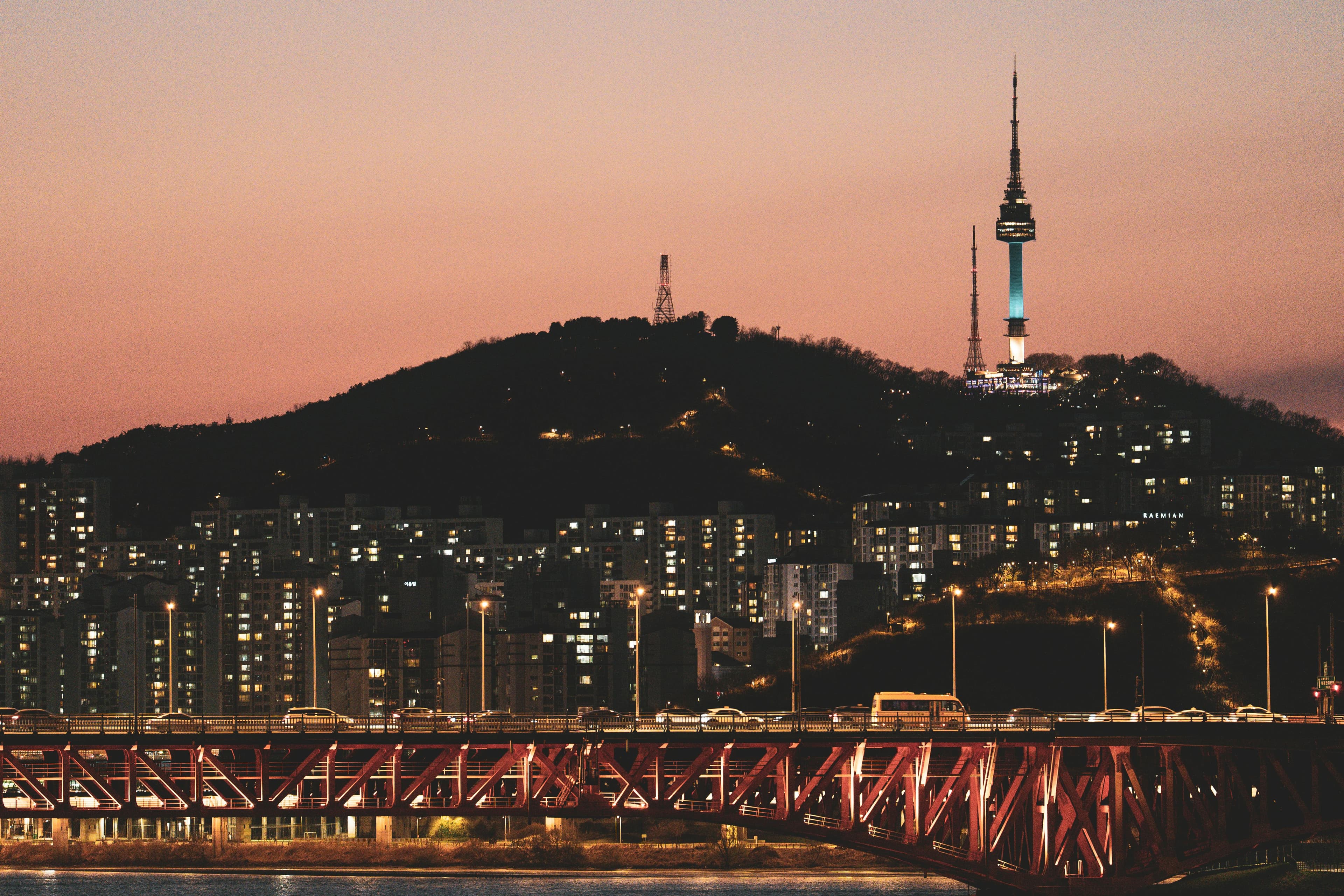
Seoul embodies 600 years of resilience, transformation, and cultural innovation. From Joseon Dynasty palaces to the global K-wave, this city of 9.7 million represents Korea's journey from Confucian kingdom to tech superpower. The Han River divides historical Seoul (palaces, hanoks, traditional markets) from modern Gangnam (entertainment companies, skyscrapers, innovation hubs). Understanding Seoul means grasping jeong—the emotional bonds that unite Korean society—and han—the collective memory of struggle that drives Korean determination.
Planning Essentials
Best Seasons
Cultural Timeline
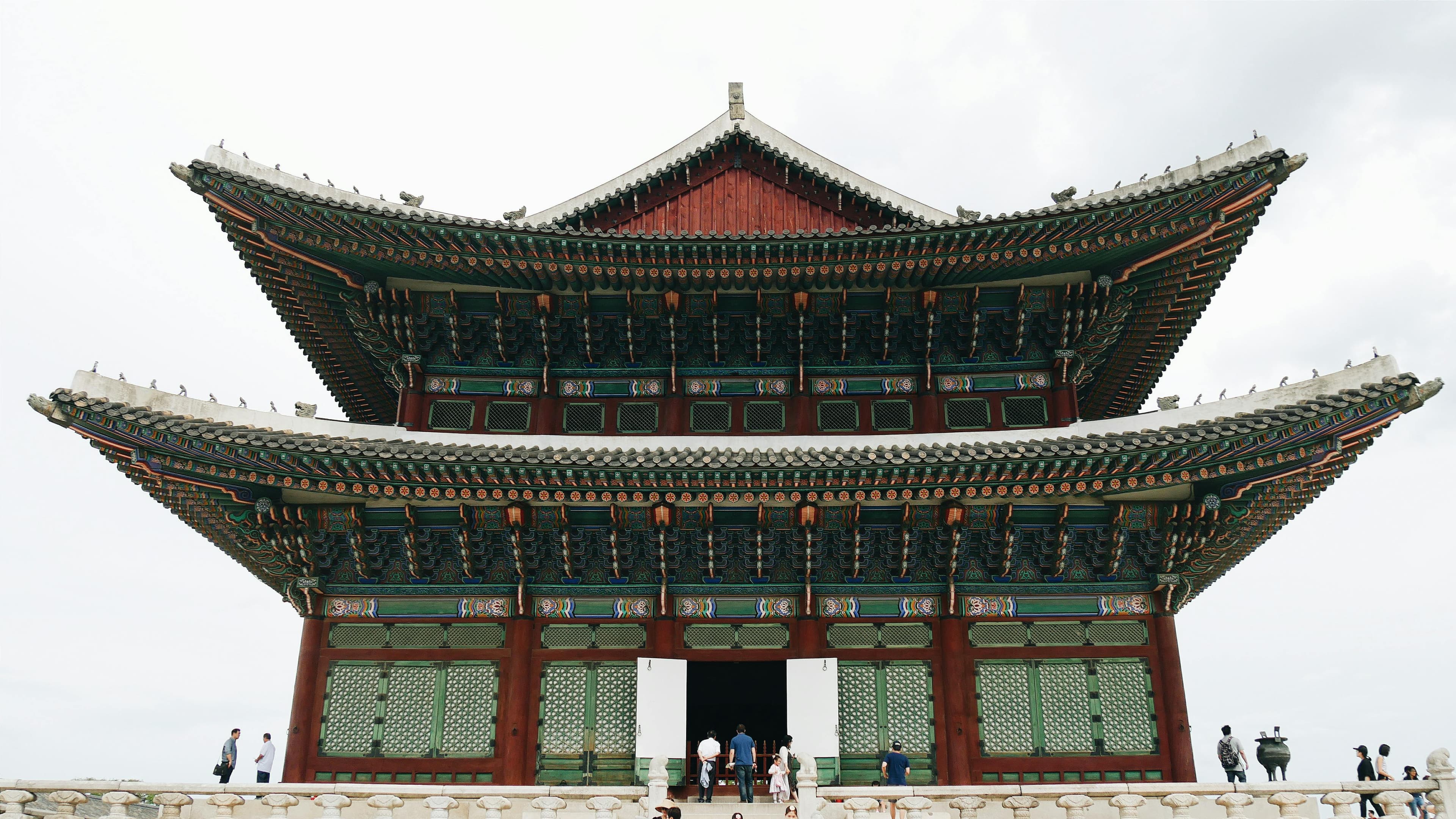
Gyeongbokgung Palace + Hanbok Experience: Royal Joseon Legacy
Gyeongbokgung Palace served as the main royal residence during the Joseon Dynasty (1392-1910), the longest-ruling dynasty in Korean history at 518 years. Built in 1395, the palace complex contains 330 buildings displaying Korean architectural principles: curved rooflines representing harmony with nature, vibrant dancheong paintwork in blue, red, and white, and courtyards designed according to Confucian hierarchy. The changing of the guard ceremony recreates protocols from King Sejong's era (1418-1450), when Korea developed Hangul script and achieved unprecedented cultural flowering. Wearing hanbok (traditional Korean clothing) provides free palace entry and connects you to 2,000 years of Korean textile tradition.
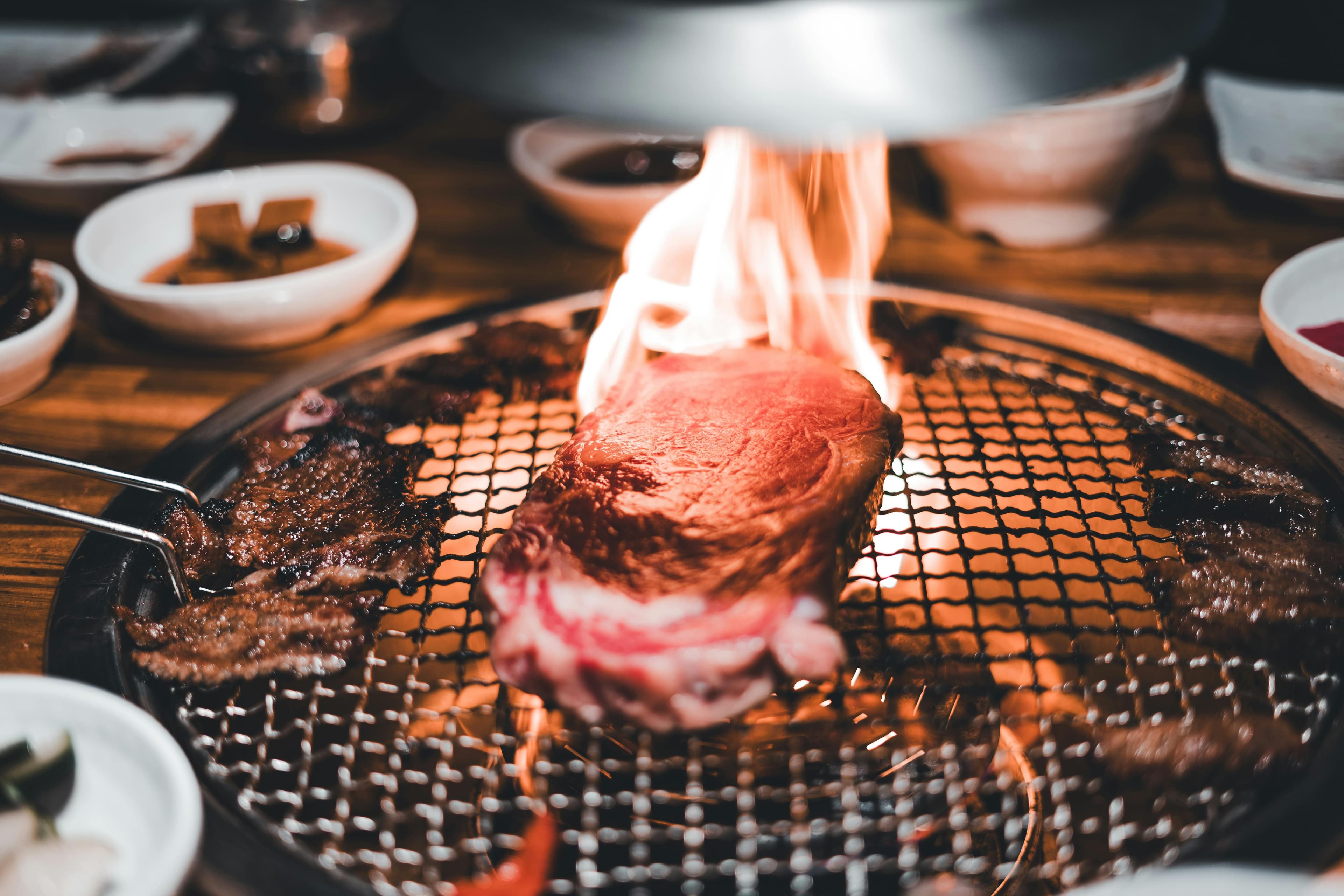
Korean BBQ + Soju Culture: Social Dining Mastery
Korean BBQ represents jeong—the untranslatable concept of deep emotional bonds formed through shared experiences. This guided experience introduces proper Korean dining etiquette: younger people pour soju for elders, everyone grills meat together, and specific side dishes (banchan) complement different cuts. Korean beef (hanwoo) ranks among the world's finest, while pork belly (samgyeopsal) remains the most popular choice. The ritual of wrapping grilled meat in lettuce with garlic, ssamjang sauce, and kimchi creates the perfect flavor balance. Korean drinking culture involves never pouring your own glass, toasting with "geonbae" (cheers), and building relationships that extend far beyond the meal.
DMZ Tour: The World's Most Fortified Border
The Demilitarized Zone represents the unfinished Korean War—only an armistice was signed in 1953, meaning the two Koreas remain technically at war 70+ years later. The DMZ stretches 250km across the peninsula, creating a 4km-wide buffer zone that inadvertently became a wildlife preserve. The Third Tunnel, discovered in 1978, could have moved 30,000 North Korean soldiers per hour toward Seoul. At the Joint Security Area (Panmunjom), you stand mere meters from North Korean soldiers in the only place where enemies face each other daily. This tour provides firsthand perspective on a conflict that divided 10 million Korean families and shaped modern geopolitics.
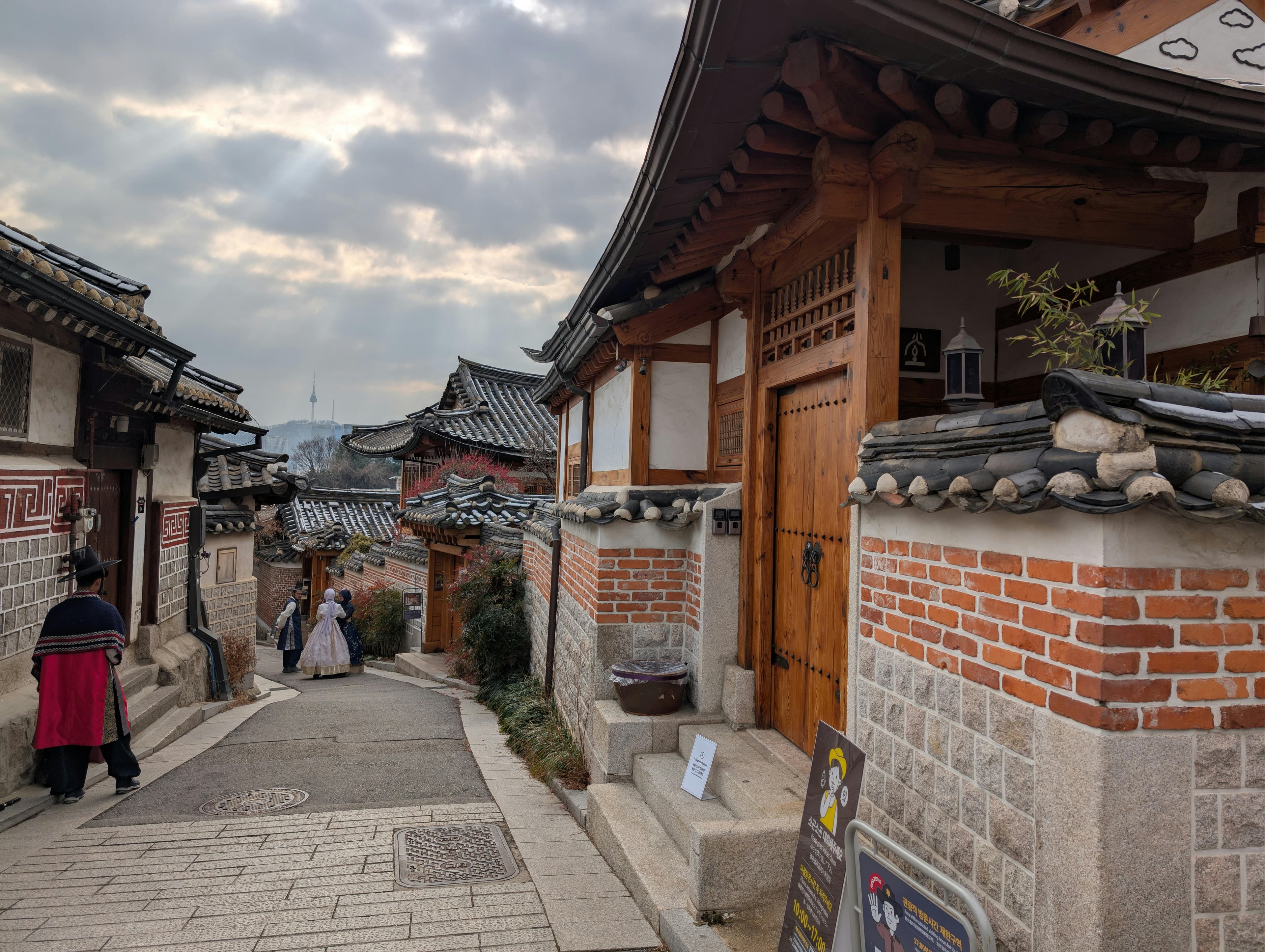
Bukchon Hanok Village: Traditional Korean Architecture
Bukchon Hanok Village preserves 600-year-old Korean architectural principles in the heart of modern Seoul. "Hanok" refers to traditional Korean houses built with ondol (underfloor heating systems) that remain comfortable in Korea's harsh winters. The curved rooflines (cheoma) extend far beyond walls to create summer shade, while courtyards (madang) provide family gathering spaces following Confucian social hierarchy. Many hanoks now serve as cultural centers, tea houses, and guesthouses, allowing visitors to experience traditional Korean daily life. The neighborhood sits between Gyeongbokgung and Changdeokgung palaces, creating a preserved corridor of Joseon Dynasty urban planning.
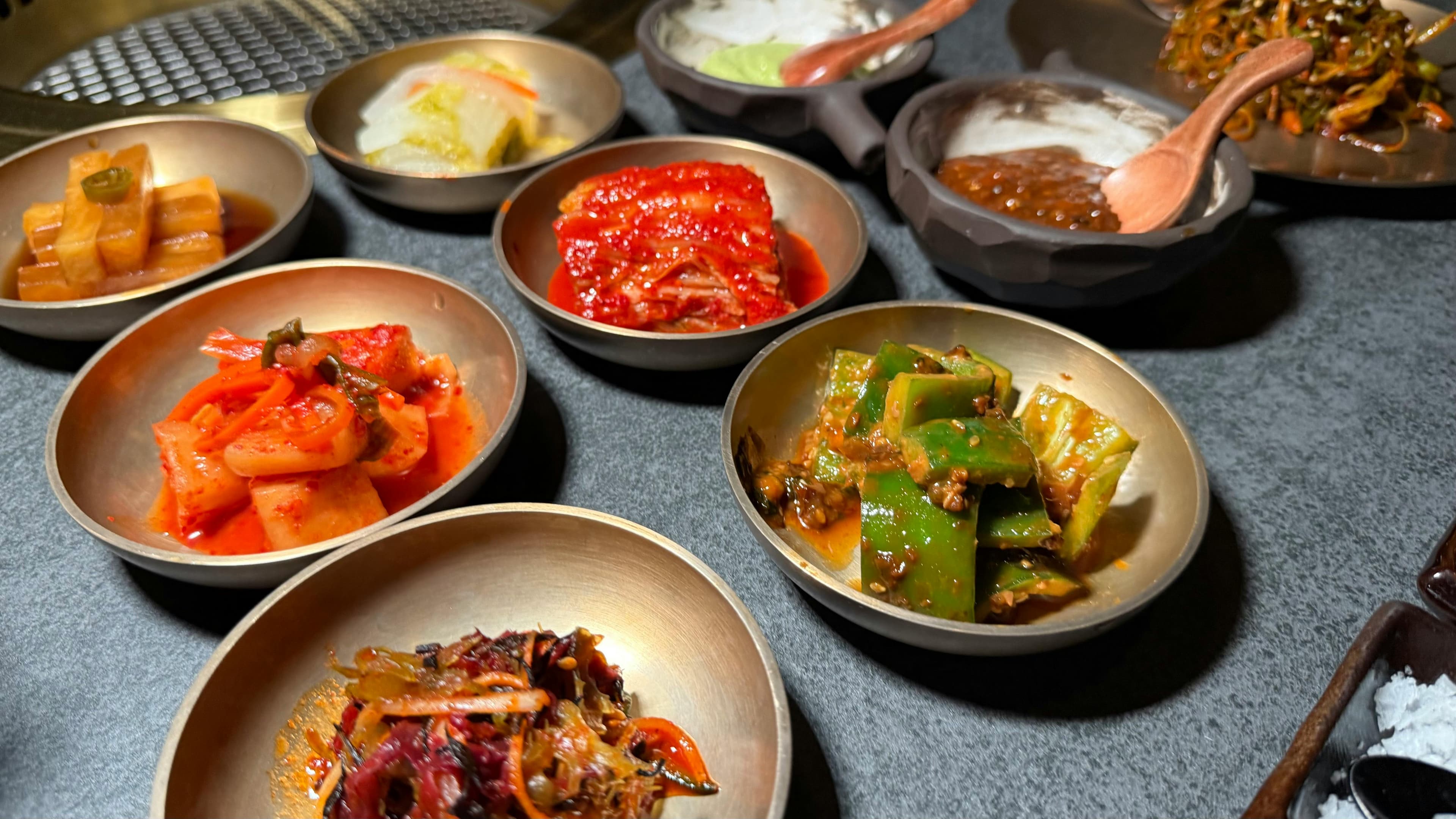
Korean Cooking Class: Temple Food and Royal Cuisine
Korean cuisine balances five flavors, five colors, and seasonal ingredients according to principles developed in Buddhist temples and Joseon royal kitchens. This hands-on class teaches kimchi fermentation—a 3,000-year-old preservation technique that sustained Koreans through harsh winters. You'll prepare bulgogi (marinated beef), bibimbap (mixed rice bowl representing harmony), and learn the science behind Korean fermentation. Temple food excludes garlic, onion, and meat, relying instead on wild mountain vegetables and complex flavor layering. Royal cuisine (surasang) featured elaborate presentation and medicinal ingredients. Korean cooking emphasizes balance: spicy gochujang countered by cool cucumber, fermented flavors balanced by fresh herbs.
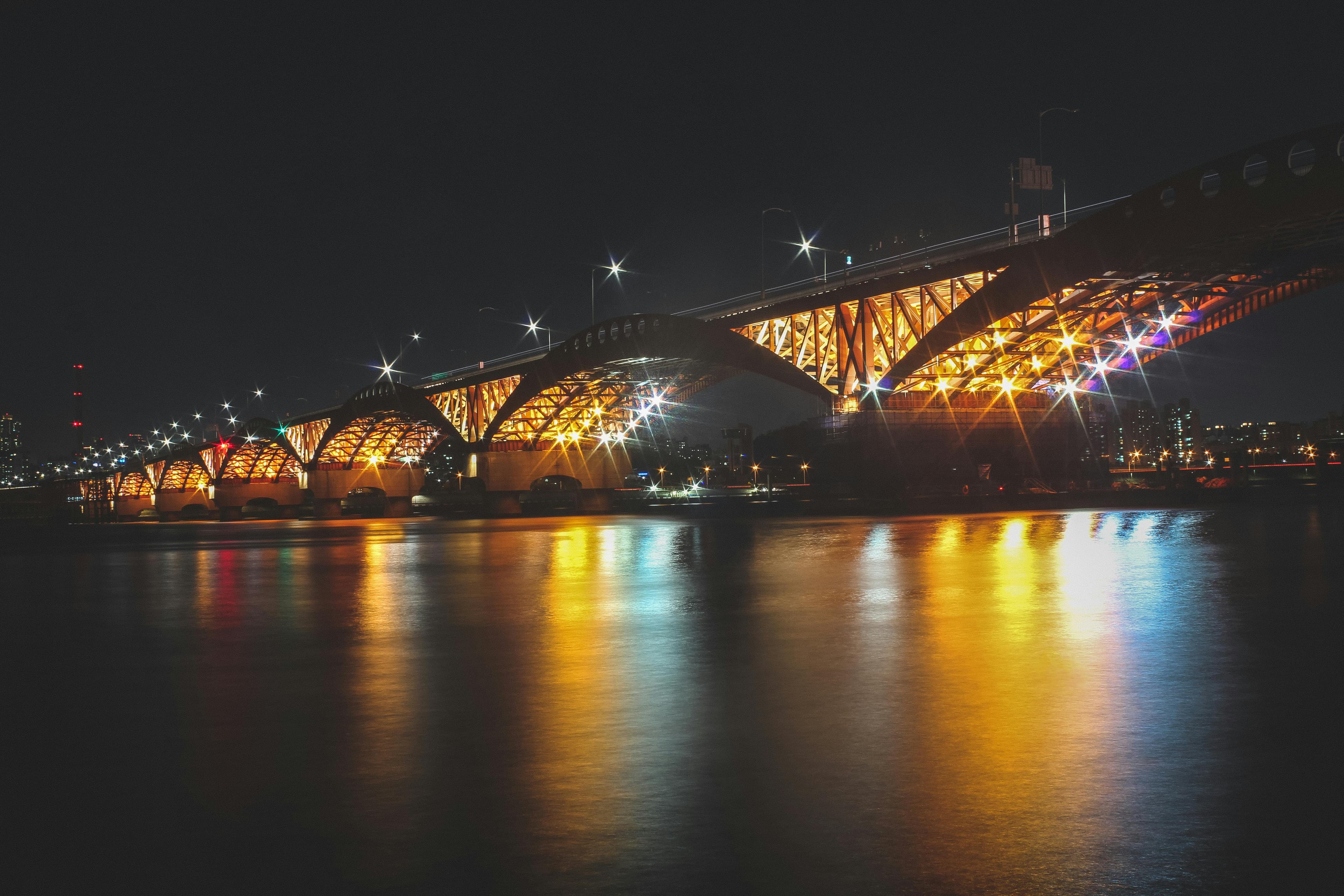
Han River Night Cruise: Seoul's Economic Miracle
The Han River witnessed Seoul's transformation from war-torn capital to global metropolis—the "Miracle on the Han River" that lifted Korea from one of the world's poorest countries in 1960 to developed nation status by 2000. This evening cruise passes landmarks representing different eras: Banpo Rainbow Bridge (1982) celebrating economic growth, Floating Island (2011) showcasing design innovation, and gleaming Gangnam District skyscrapers. The river historically served as Seoul's lifeline for trade and transportation. During the Korean War, retreating forces destroyed all bridges; rebuilding them symbolized national resilience. Today's Han River parks represent Korean work-life balance culture: families gathering for picnics, couples on dates, and friends sharing fried chicken and beer.
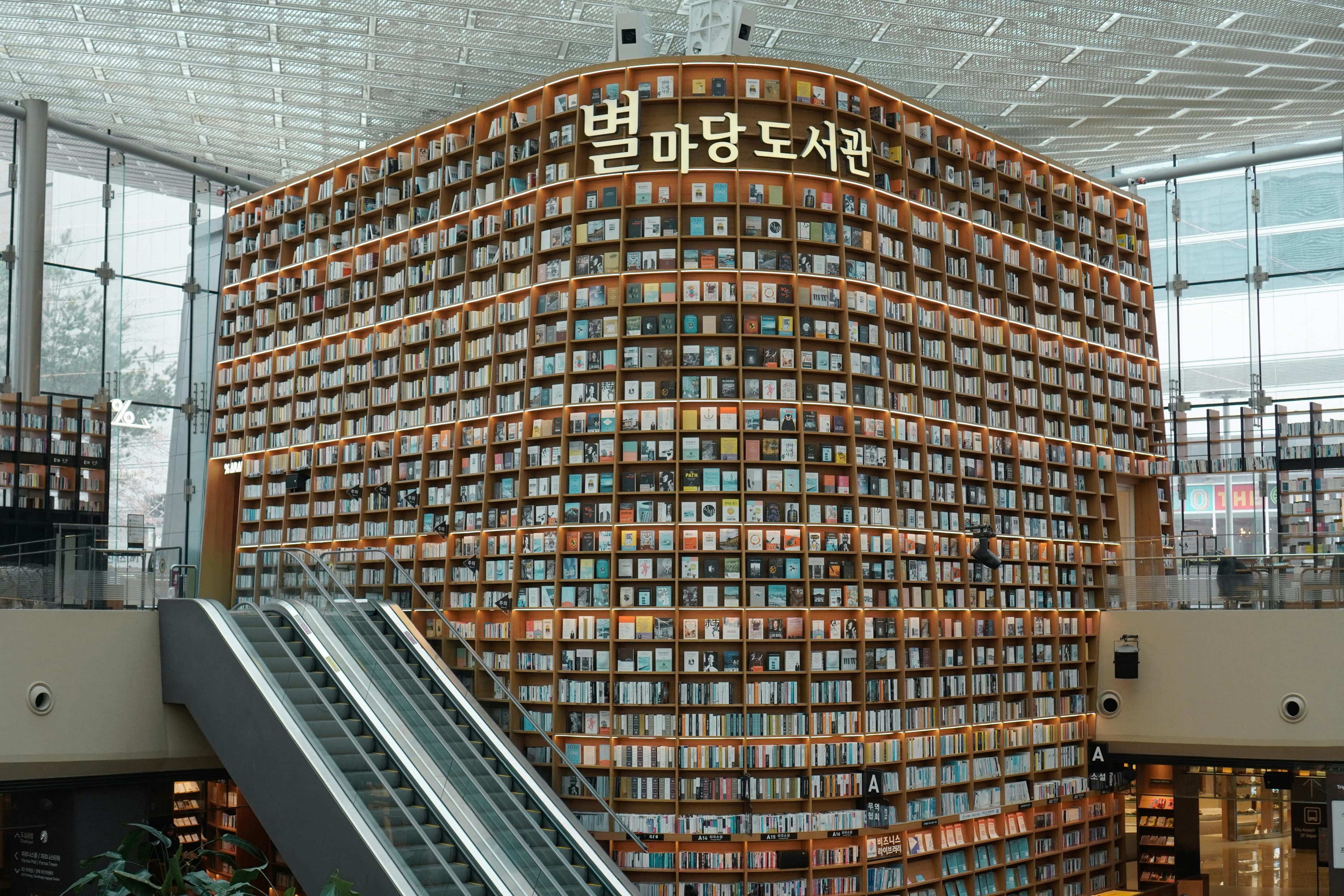
Gangnam District: K-Wave Global Culture Export
Gangnam District transformed from rice paddies south of the Han River to global entertainment capital, spawning the K-wave (Hallyu) that exports Korean culture worldwide. The district houses major entertainment companies (SM, YG, JYP) that created K-pop groups like BTS, BLACKPINK, and TWICE. This tour explores the infrastructure behind Korea's $12.3 billion cultural export industry: recording studios, entertainment company headquarters, and Gangnam Style locations that made PSY globally famous. Korean entertainment follows the trainee system—aspiring idols train for years in singing, dancing, languages, and media presence before debut. The Korean Wave represents soft power projection: Korean language enrollment increased 1000% globally, Korean beauty products dominate Asian markets, and Korean dramas stream on Netflix worldwide.
Seoul Travel Intelligence
Transportation
Seoul Metro covers 95% of tourist sites with T-money card (buy at stations). Incheon Airport to city: AREX train $4 (43min), bus $15 (1hr), taxi $60. Download Subway Korea app for English navigation.
Cultural Etiquette
Bow when meeting people, remove shoes in homes and some restaurants. Never pour your own drink—always pour for others. Use both hands when receiving business cards or gifts. Respect age hierarchy in all interactions.
Food Safety
Seoul tap water is safe to drink. Korean BBQ restaurants maintain high hygiene standards. Try banchan (side dishes) served free with meals. Spice levels can be intense—order mild if sensitive. Vegetarian options limited outside Buddhist restaurants.
Continue Your Asia Journey
Korean Culture to Asian Diversity
Where to Stay
Find Your Hotel in Seoul
Stay in Myeongdong for shopping and street food, Hongdae for nightlife and youth culture, or Gangnam for luxury hotels and K-pop entertainment district access.
Search Hotels on Booking.com →Seoul or Tokyo? Korea or Japan?
Not sure which destination fits your travel style? Our AI compares them based on your budget, interests, and timing — and gives you a personalized verdict in 30 seconds.
Try the AI Decision Engine →