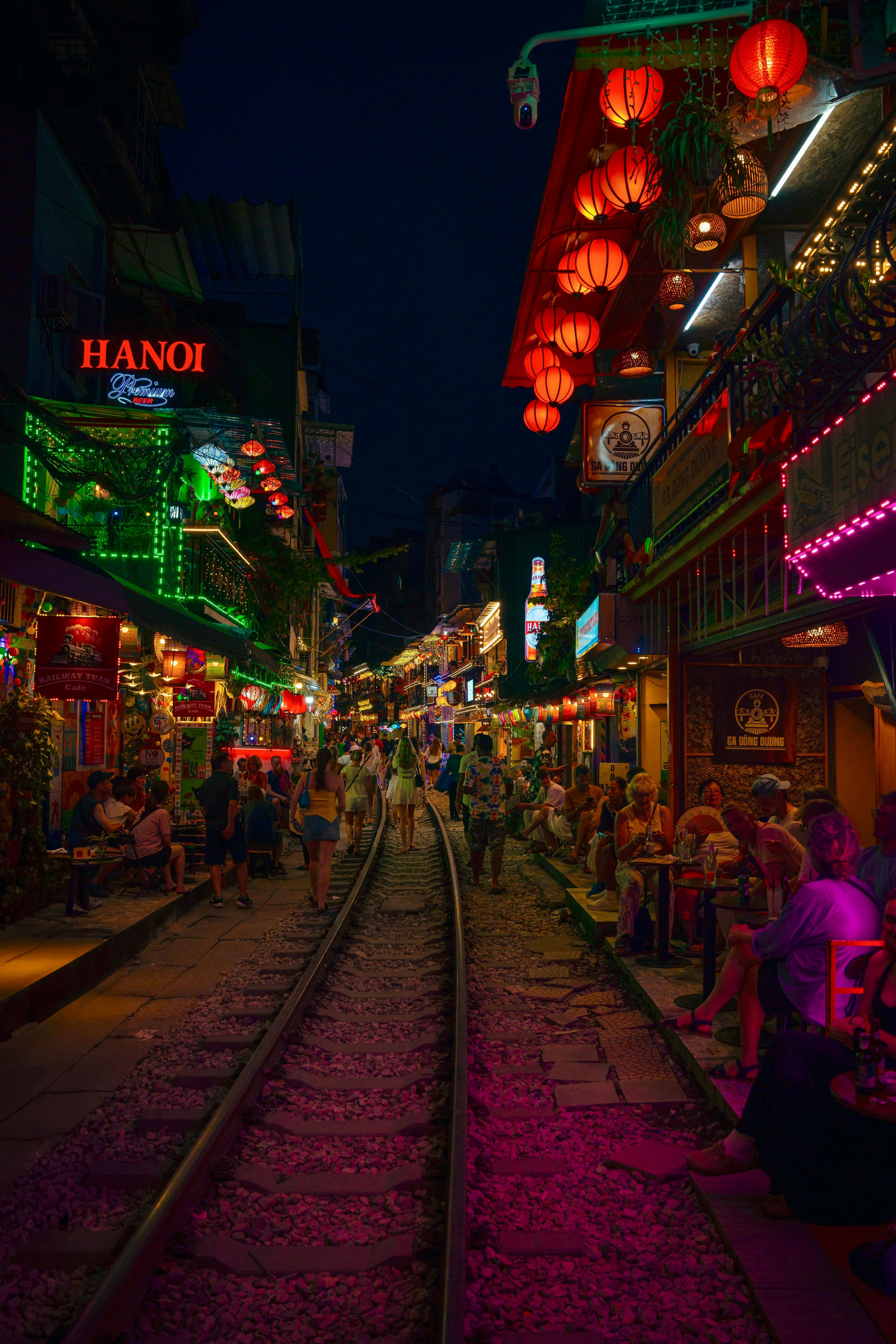
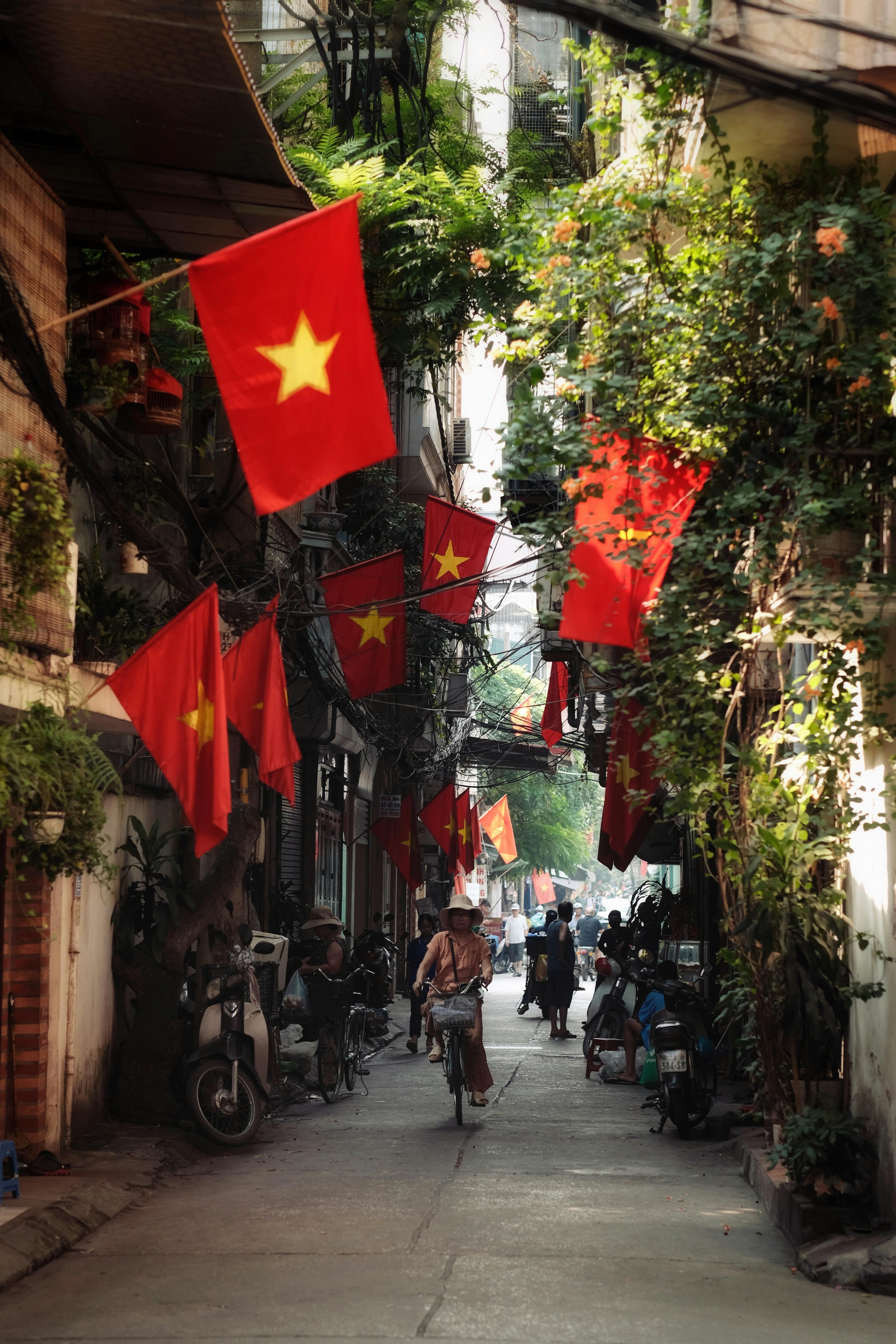
Hanoi is a city that refuses to be rushed. For over a thousand years, its Old Quarter has been trading from the same guild streets, each named after the craft it once sold. Motorbikes weave around French colonial facades, pho vendors set up at dawn, and Buddhist temples share sidewalks with tube houses barely wider than a motorbike. This is Southeast Asia's most authentic urban experience, where legends of golden turtles and magical swords still shape daily life.
Planning Essentials
Best Times to Visit
Transport Details
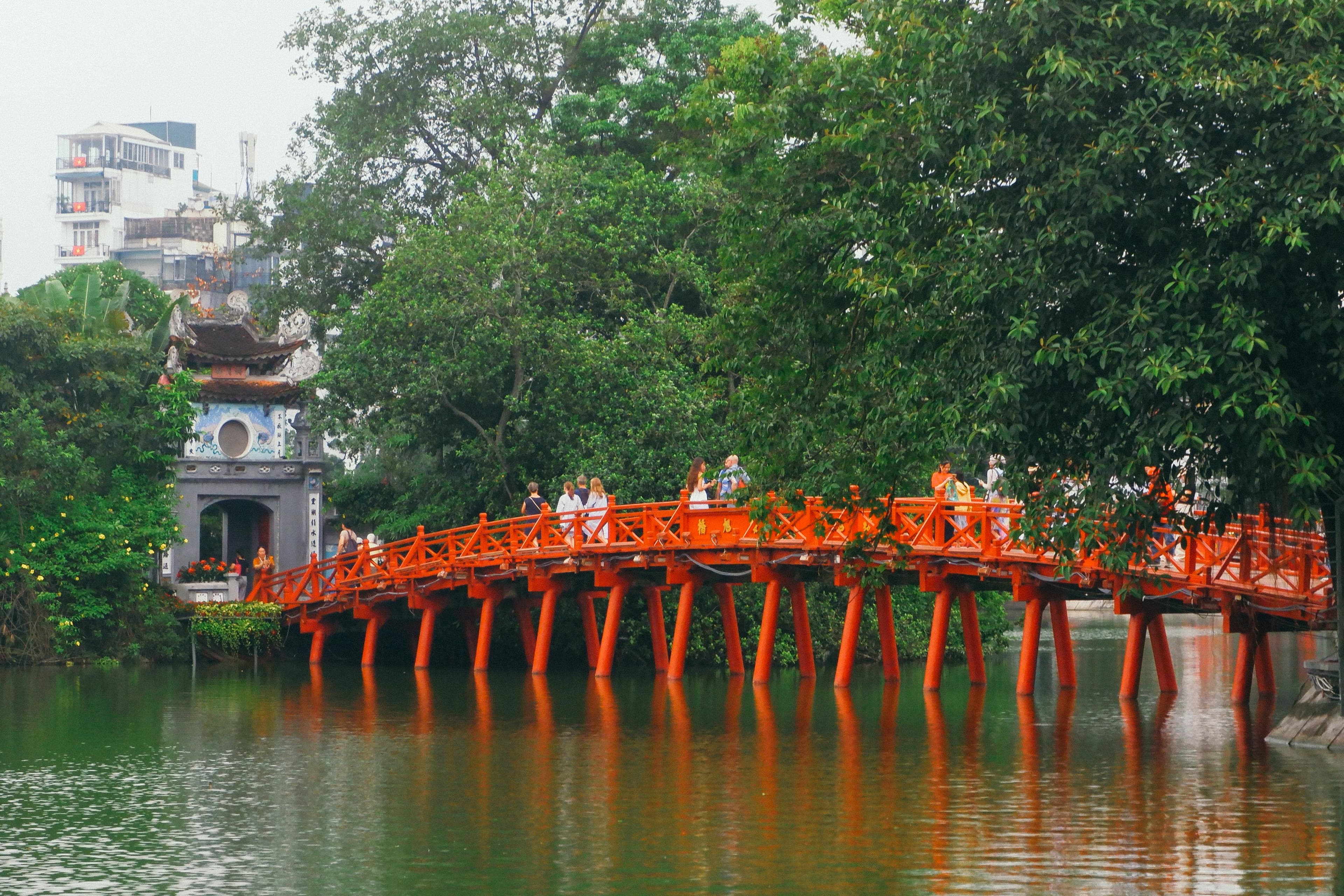
Hoan Kiem Lake & The Legend of the Returned Sword
At Hanoi's heart sits a jade-green lake wrapped in Vietnam's most powerful legend. In the 15th century, Emperor Lê Lợi received a magical sword called "Heaven's Will" from the Golden Turtle God (Kim Qui) to defeat the Chinese Ming Dynasty. After victory, he returned the sword to the turtle in these waters, giving the lake its name: "Lake of the Returned Sword." Cross the scarlet Huc Bridge to reach Ngoc Son Temple, built in the 18th century to honor military leader Trần Hưng Đạo. The last real Hoan Kiem turtle, affectionately called "Cụ Rùa" (Great-Grandfather Turtle), died in January 2016 after living here for decades—but the legend lives on.
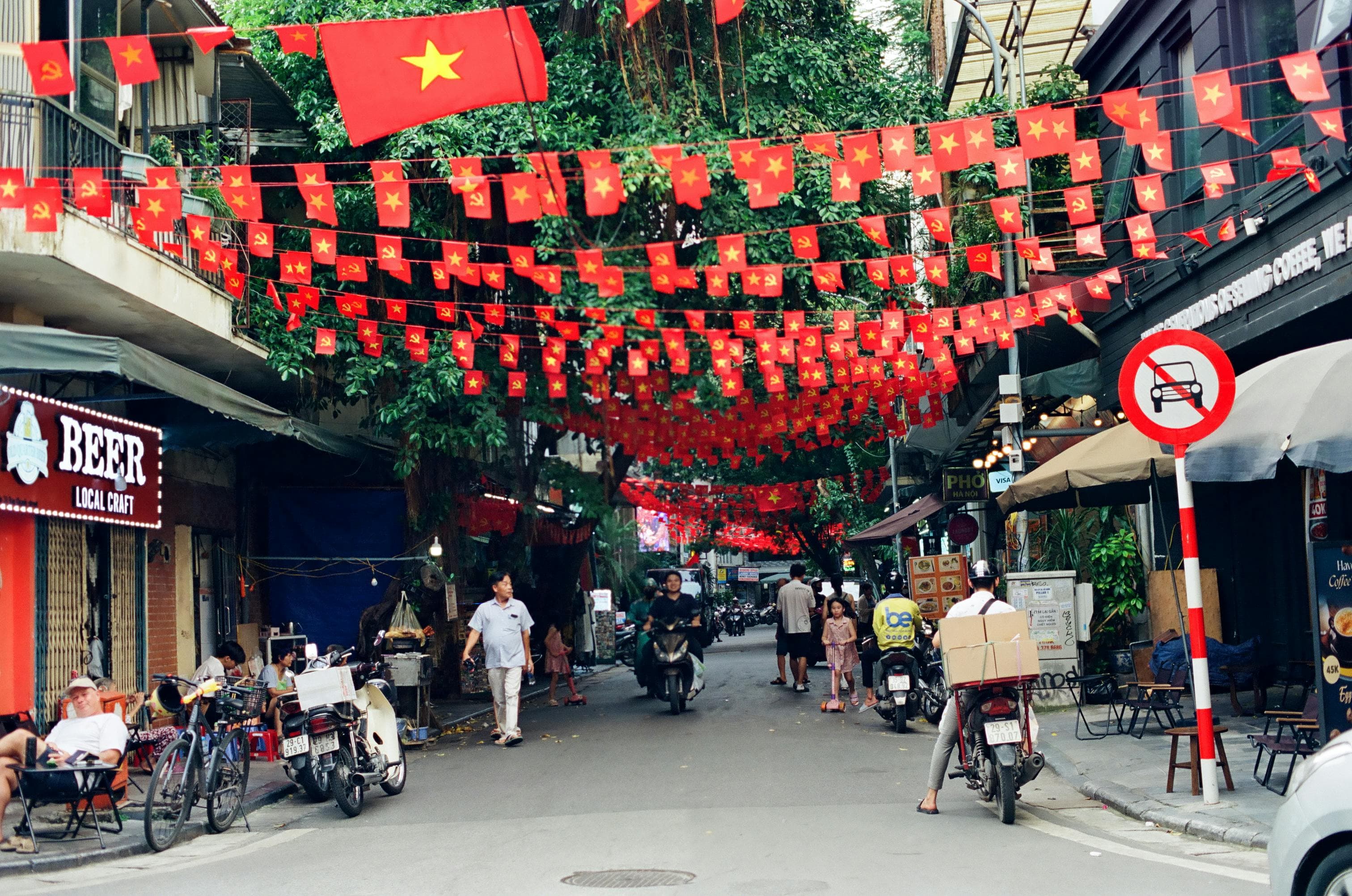
Old Quarter: The 36 Guild Streets of Ancient Hanoi
Hanoi's "36 Streets" don't literally number 36—the name refers to the original guild communities from the 15th century. Each street was dedicated to a specific craft, with names starting "Hang" (meaning goods): Hang Bac (silver), Hang Gai (silk), Hang Ma (votive paper). The number 36 is symbolic—in Asian tradition, 9 represents "plenty," and 9 times the 4 directions equals 36, meaning "many." These guild streets supplied goods to the royal court and created the dense commercial district we see today. Michelin-recognized food tours unlock hidden tube houses, communal temples squeezed between shops, and street food traditions that have fed Hanoi for generations.
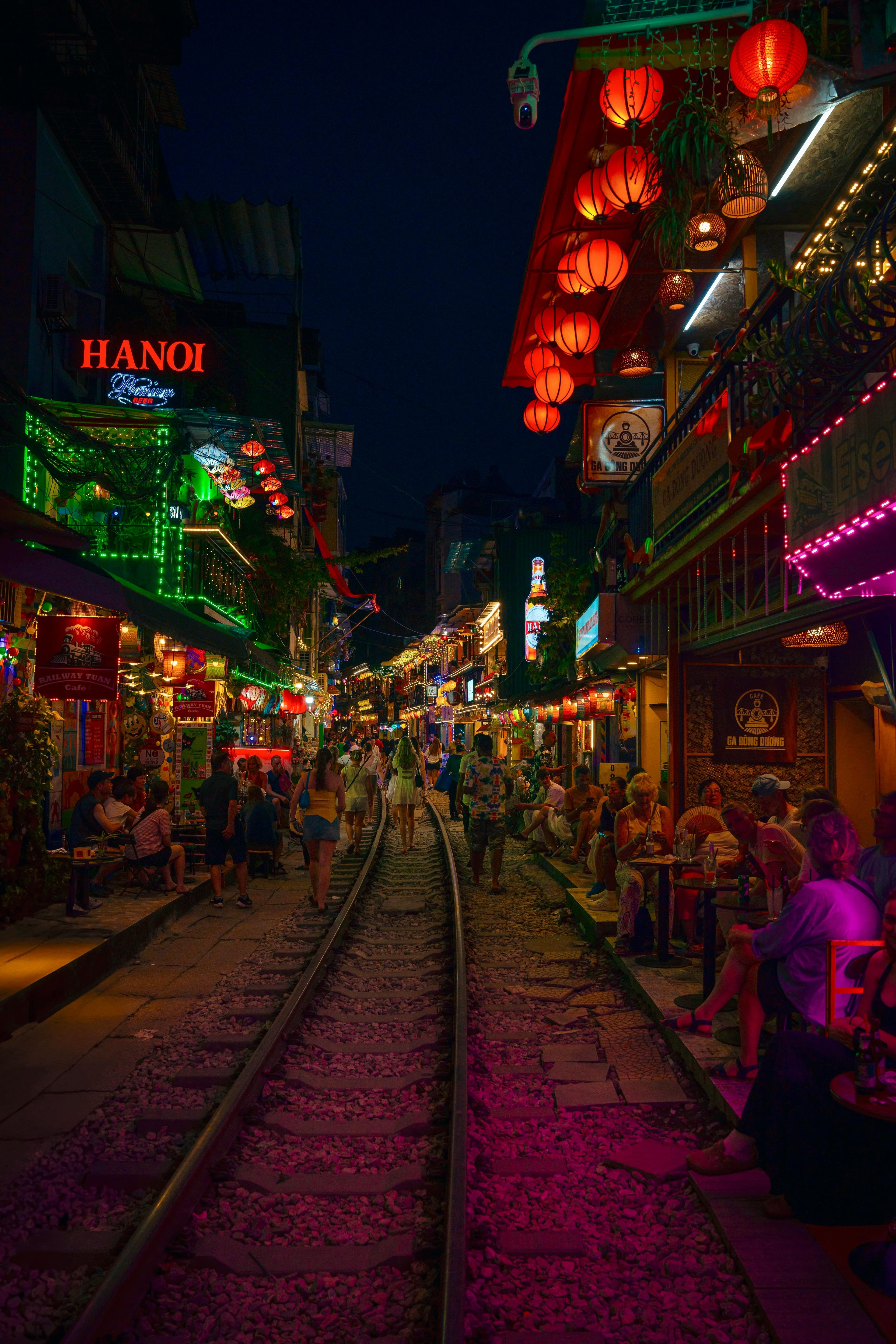
Train Street: Where Trains Thread Through Living Rooms
On Phung Hung Street in the Old Quarter, houses sit so close to active railway tracks that residents pull in their laundry when trains approach. Twice daily on weekdays, trains pass within inches of the small cafes and homes lining both sides. The street gained international fame but has had an on-again-off-again relationship with tourism due to safety concerns. Access is currently managed through local cafes—order a coffee and the staff will signal when it's safe to stand and when to step back. Train schedules vary, so confirm timing at your hotel or with cafe owners the morning of your visit.
Ho Chi Minh Mausoleum: Vietnam's Sacred Independence Square
The granite mausoleum holding Ho Chi Minh's embalmed body stands in Ba Dinh Square, where he declared Vietnam's independence on September 2, 1945. The complex includes the French-built Presidential Palace (where Ho Chi Minh refused to live, considering it too imperial), his humble wooden stilt house where he actually resided, and the remarkable One Pillar Pagoda from 1049—rebuilt after French destruction in 1954. The adjacent museum traces Vietnam's journey to independence through art installations rather than straight chronology, offering insights regardless of political perspective. Strict protocols govern visits: no shorts, tank tops, sandals, or hats inside.
Temple of Literature: Vietnam's First University
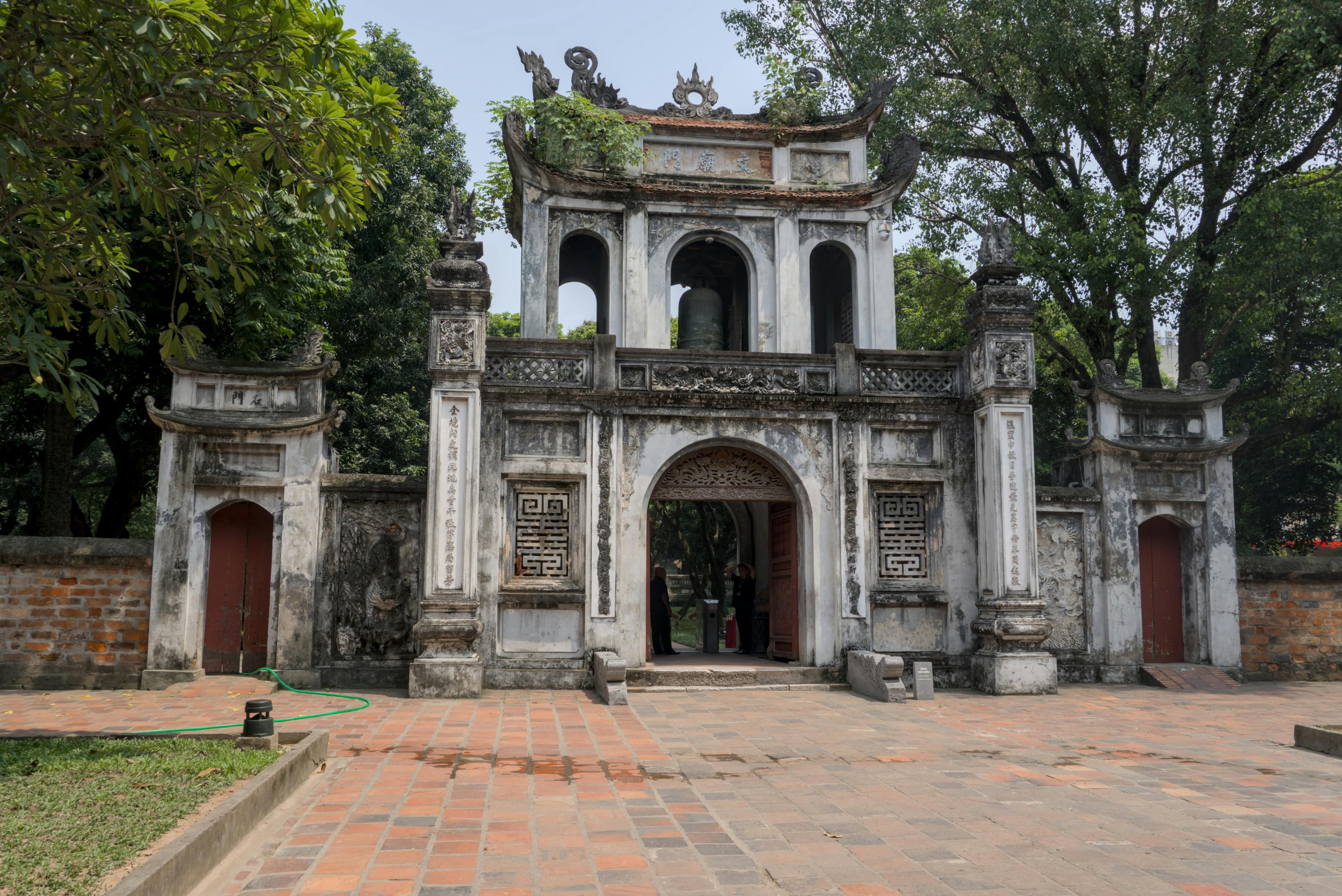
Founded in 1070 as Vietnam's first temple dedicated to Confucius, Van Mieu became the country's first national university six years later. For nearly seven centuries, this was where Vietnam's brightest minds studied classical Chinese literature, philosophy, and governance. The complex unfolds through five courtyards connected by ornate gates and traditional pavilions. The stone stelae resting on carved turtles are extraordinary: 82 slabs engraved with the names of 1,307 doctoral graduates from 1442 to 1779. Students still come today to rub the turtle heads for academic luck, continuing an unbroken 500-year tradition.
Water Puppet Show: Art Born in Rice Paddies
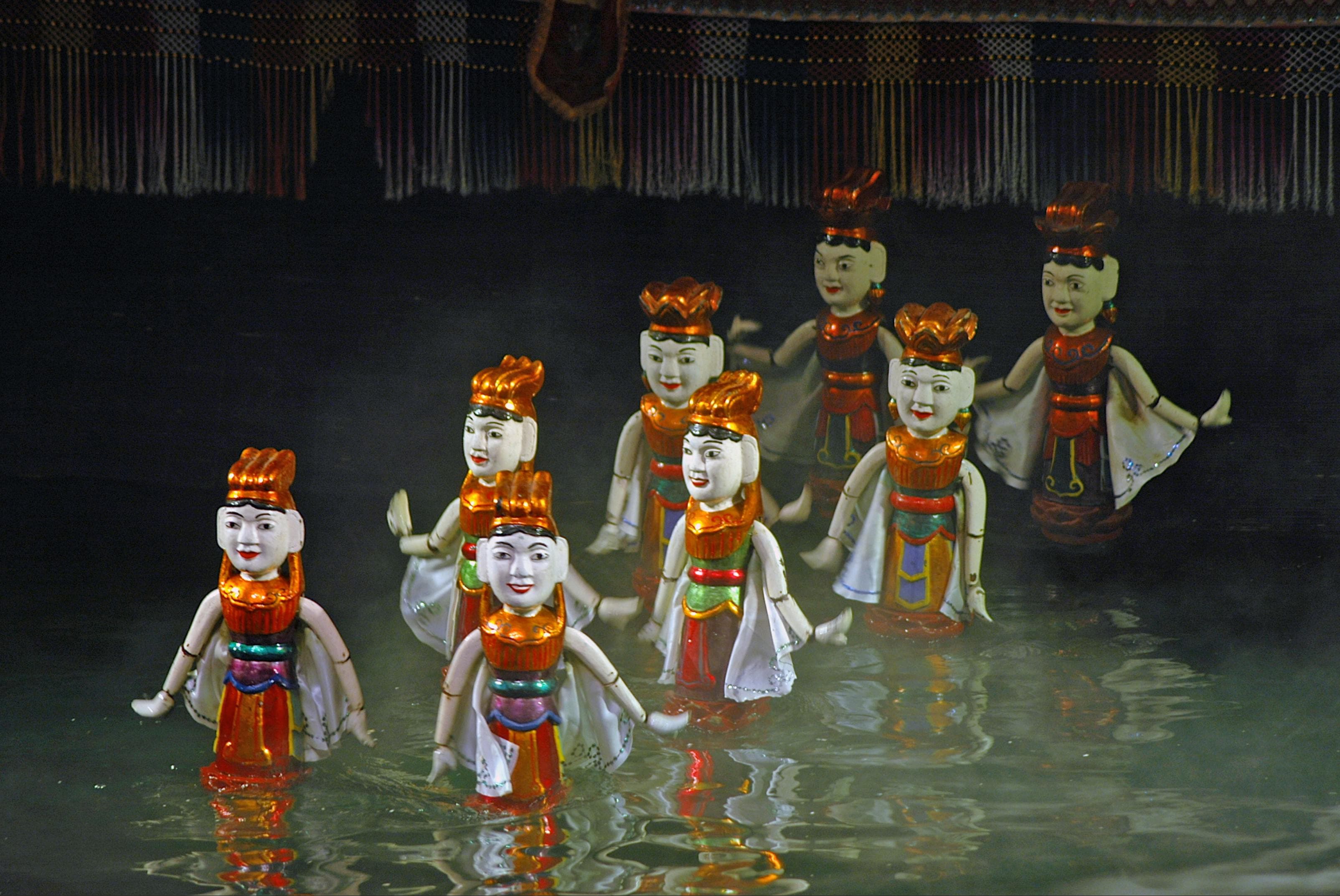
Water puppetry originated in the flooded rice fields of northern Vietnam's Red River Delta over 1,000 years ago. Farmers created this art form during monsoon seasons when fields were underwater. At Thang Long Theatre near Hoan Kiem Lake, master puppeteers stand waist-deep behind bamboo screens, manipulating lacquered wooden figures that dance, fight, and fish across a pool stage. Live traditional orchestra accompanies short scenes telling legends from rural Vietnam—dragons emerging from water, farmers tending buffalos, fishermen casting nets. No Vietnamese language knowledge required, making this universally accessible.
Ha Long Bay Day Trip: UNESCO Wonder via New Expressway
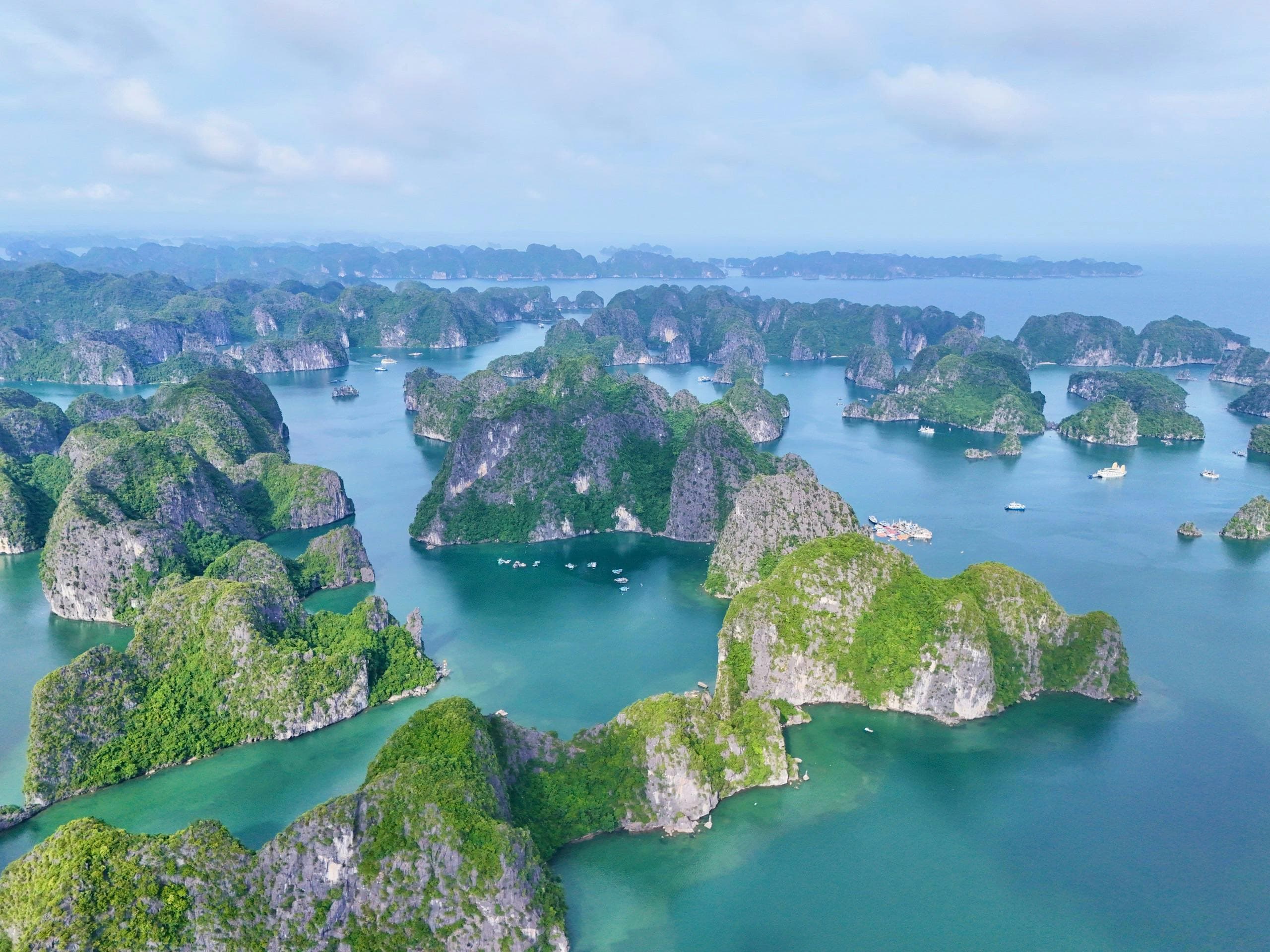
Ha Long Bay sits 3.5 hours from Hanoi via the new expressway (completed 2022), cutting previous travel time significantly. UNESCO-listed since 1994, the bay contains 1,600 limestone karsts and islets formed over 500 million years. Day trips include luxury cruise ships with buffet lunch, Sung Sot Cave exploration (Vietnam's most spectacular cave), and kayaking through hidden lagoons. The dramatic karst towers rising from emerald water create one of Southeast Asia's most iconic landscapes. If you can manage the time, overnight cruises offer sunset views, morning tai chi, and peaceful early hours before day-trip boats arrive.
Insider Travel Intelligence
Street Crossing Technique
Walk slowly and steadily across streets—never run or stop suddenly. Motorbikes will flow around you if you maintain a predictable pace. This works even on seemingly impossible intersections.
Weekend Magic
Friday-Sunday evenings, Old Quarter streets close to traffic and transform into pedestrian zones. Hoan Kiem Lake fills with families, street performers, and food vendors—this is when Hanoi truly comes alive.
Best Photo Timing
Early morning (6-8 AM) and late afternoon (4-6 PM) offer the best light and fewer crowds. Train Street is most atmospheric at dusk when lanterns illuminate the narrow alley.
Continue Your Vietnam Journey
Hanoi to Central & Southern Vietnam
Where to Stay
Find Your Hotel in Hanoi
The Old Quarter puts you walking distance from every experience on this list. French Quarter offers quieter colonial hotels. Prices range $25-300 per night.
Search Hotels on Booking.com →Hanoi or Ho Chi Minh City? Vietnam or Thailand?
Not sure which destination fits your travel style? Our AI compares them based on your budget, interests, and timing — and gives you a personalized verdict in 30 seconds.
Try the AI Decision Engine →