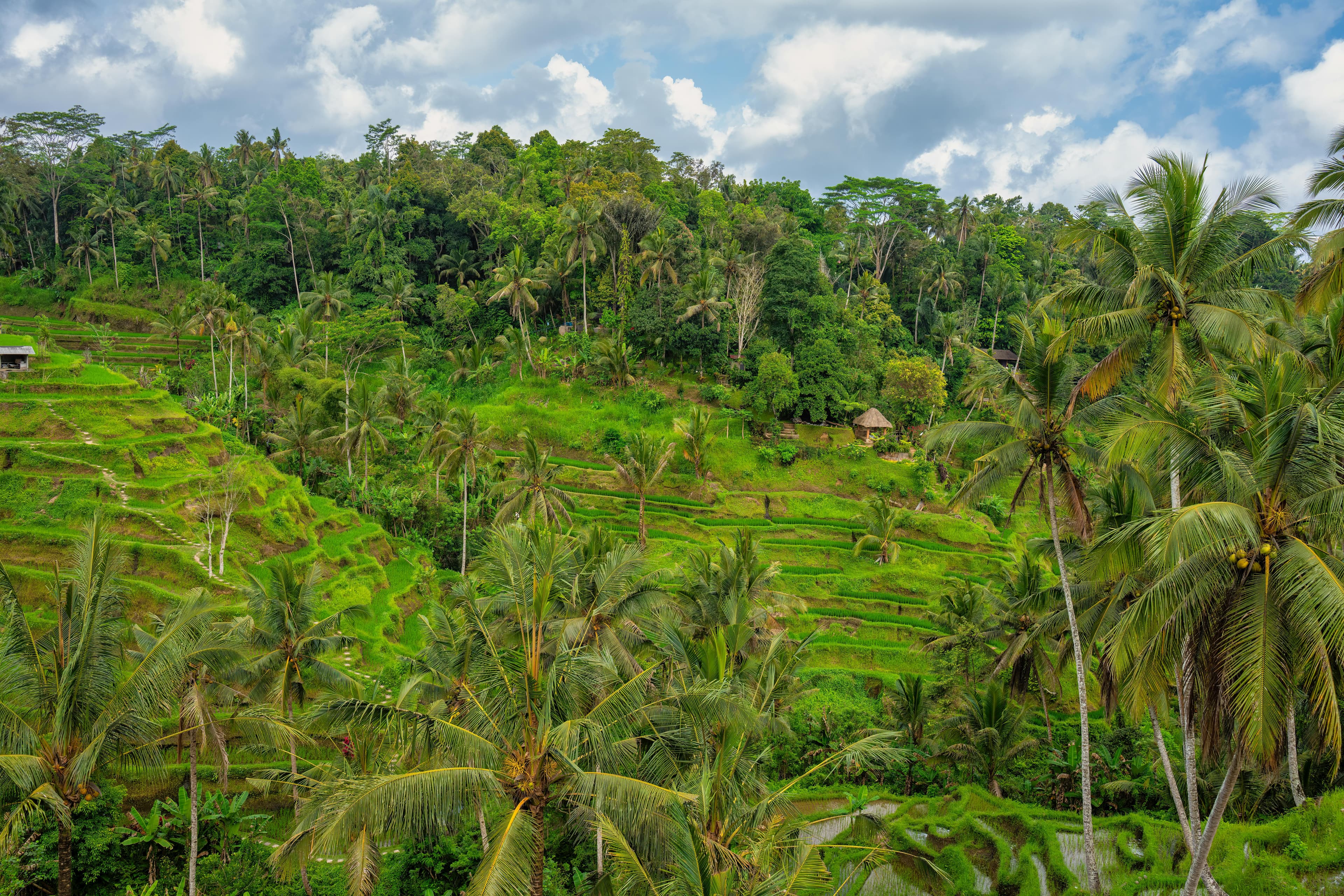
Few destinations divide travelers like Bali in 2026. Influencers call it paradise. Honest bloggers call it overrated. Recent visitors say it has changed dramatically. So which is true?
Bali welcomed approximately 7.1 million international visitors in 2025 according to Bali Hotels Association — a 14% jump from 2024 and a new all-time record. The combination of $10 Tourist Tax (mandatory since Feb 2024), Canggu traffic congestion (worse than Bangkok by recent reports), and overtourism at iconic sites (Tegalalang rice terraces, Tanah Lot, Uluwatu sunset) has fundamentally changed the experience. Yet — and this is critical — Bali still offers experiences impossible to replicate anywhere else: Ubud yoga + spiritual community, world-class surf at Uluwatu and Padang Padang, dramatic cliff temples, Balinese Hindu culture, and luxury villa value unmatched in Asia. The honest 2026 answer is nuanced: Bali is absolutely worth visiting for the RIGHT traveler profile, but it is a different destination than the Eat Pray Love narrative of 2010.
Skip 8 hours of research. Get YOUR personalized Bali worth-it score in 30 seconds.
Get Your Bali Verdict →30 seconds · 100% real data · No sponsored opinions · Always free
Jump to section
Table of Contents
The 2026 Picture
The 2026 Bali Reality: What Has Changed
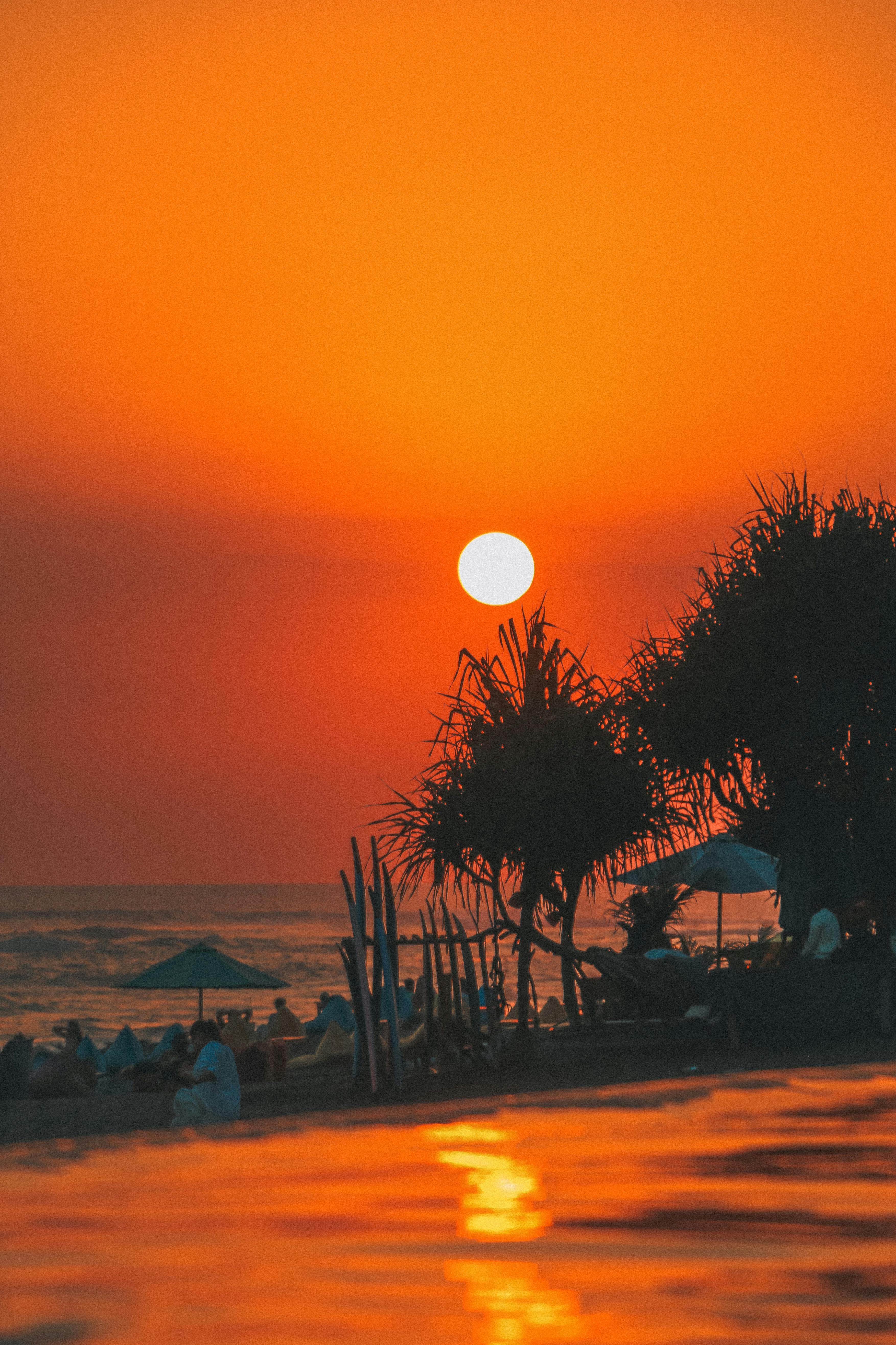
Bali in 2026 is fundamentally different from the Bali of 2015. Understanding what has changed is essential to setting realistic expectations. The Eat Pray Love narrative — spiritual discovery in pristine rice terraces — has been replaced by a more complex reality: stunning experiences alongside legitimate overtourism concerns and a $10 Tourist Tax now mandatory.
The tourism numbers: Bali welcomed approximately 7.1 million international visitors in 2025 (Bali Hotels Association data), a 14% jump from 2024s 6.2 million. Australia remains the #1 source market (24% of all visitors), followed by India (10%), China (8%), USA, and UK. Bali alone generated $7.1 billion in tourism revenue in 2025. The Indonesian government targets 8 million visitors in 2026 — a sustainability question Balinese leaders are now publicly debating.
The 2024 Tourist Tax (mandatory): Since February 14, 2024, all foreign tourists must pay a IDR 150,000 (~$10 USD) Bali Tourist Tax (Pungutan Wisatawan Asing) upon arrival. Payable online at love.bali.gov.id before arrival, or in person at Ngurah Rai International Airport. The fee funds cultural preservation and environmental cleanup. Total entry cost 2026: $45 (tourist tax $10 + visa-on-arrival $35). Implementation has been smooth and the funds have already supported temple restoration and beach cleanup projects.
The Canggu congestion problem: Multiple 2026 travel bloggers (Indie Traveller, Greta Travels, Pommie Travels) describe Canggu peak-hour traffic as worse than Bangkok. The Berawa-Batu Bolong-Echo Beach road becomes a near-stationary scooter caravan from 9-11 AM and 4-7 PM. This is the price of Canggus success as Asias #1 digital nomad hub. Solutions: stay 15 min north in Pererenan (similar amenities, half the density), use scooters not cars, or choose alternative zones (Sanur, Uluwatu, Amed).
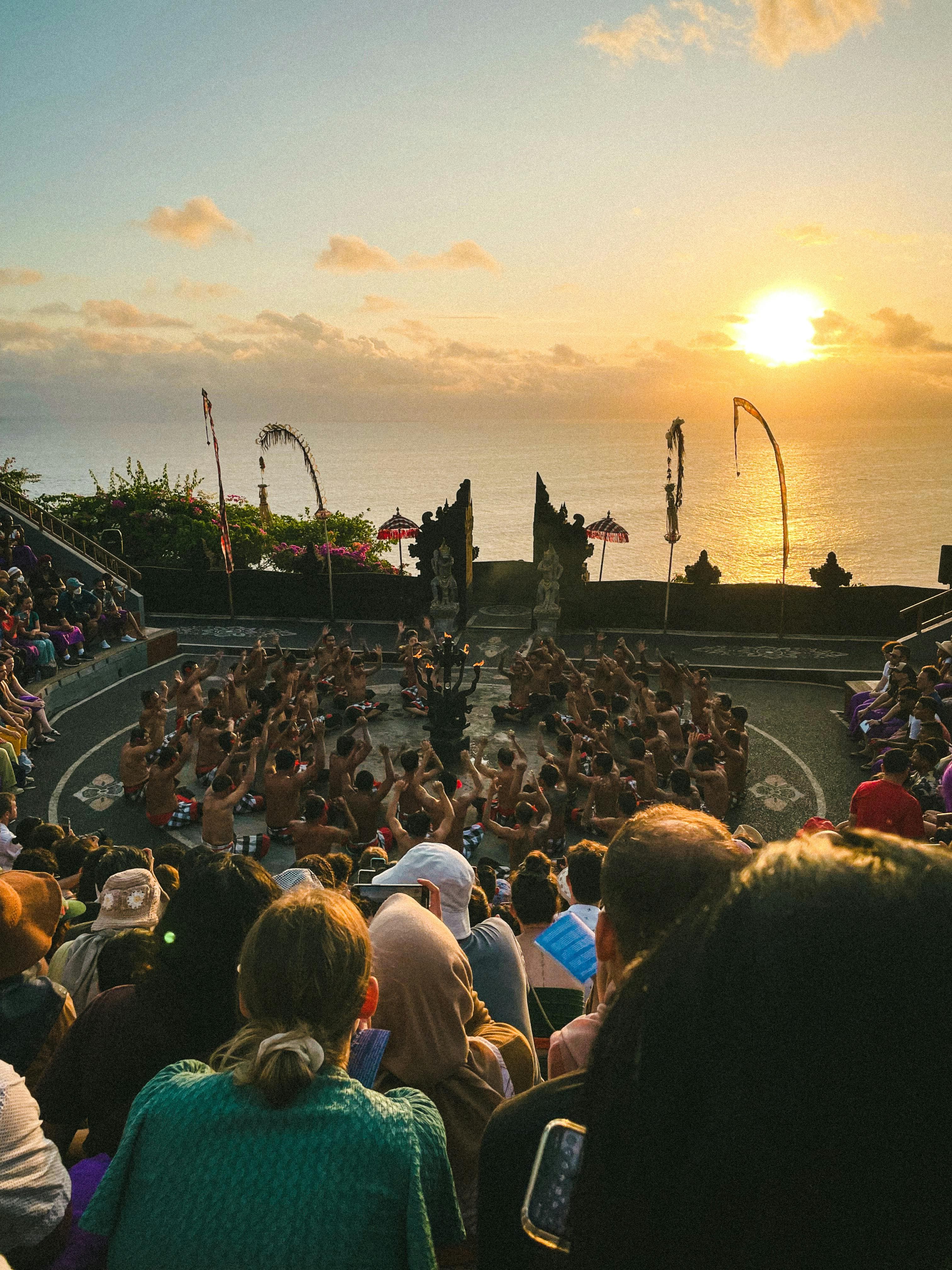
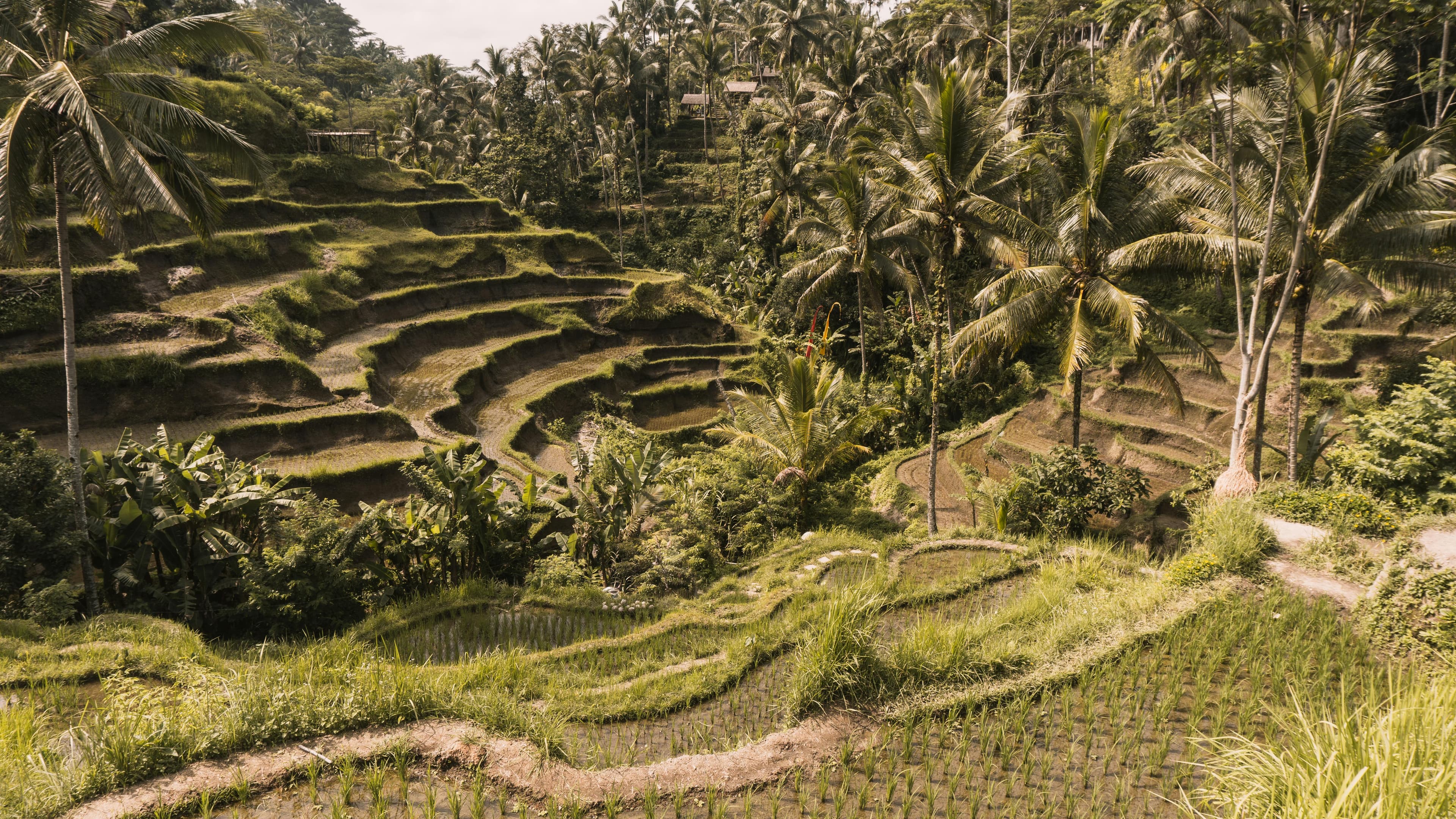
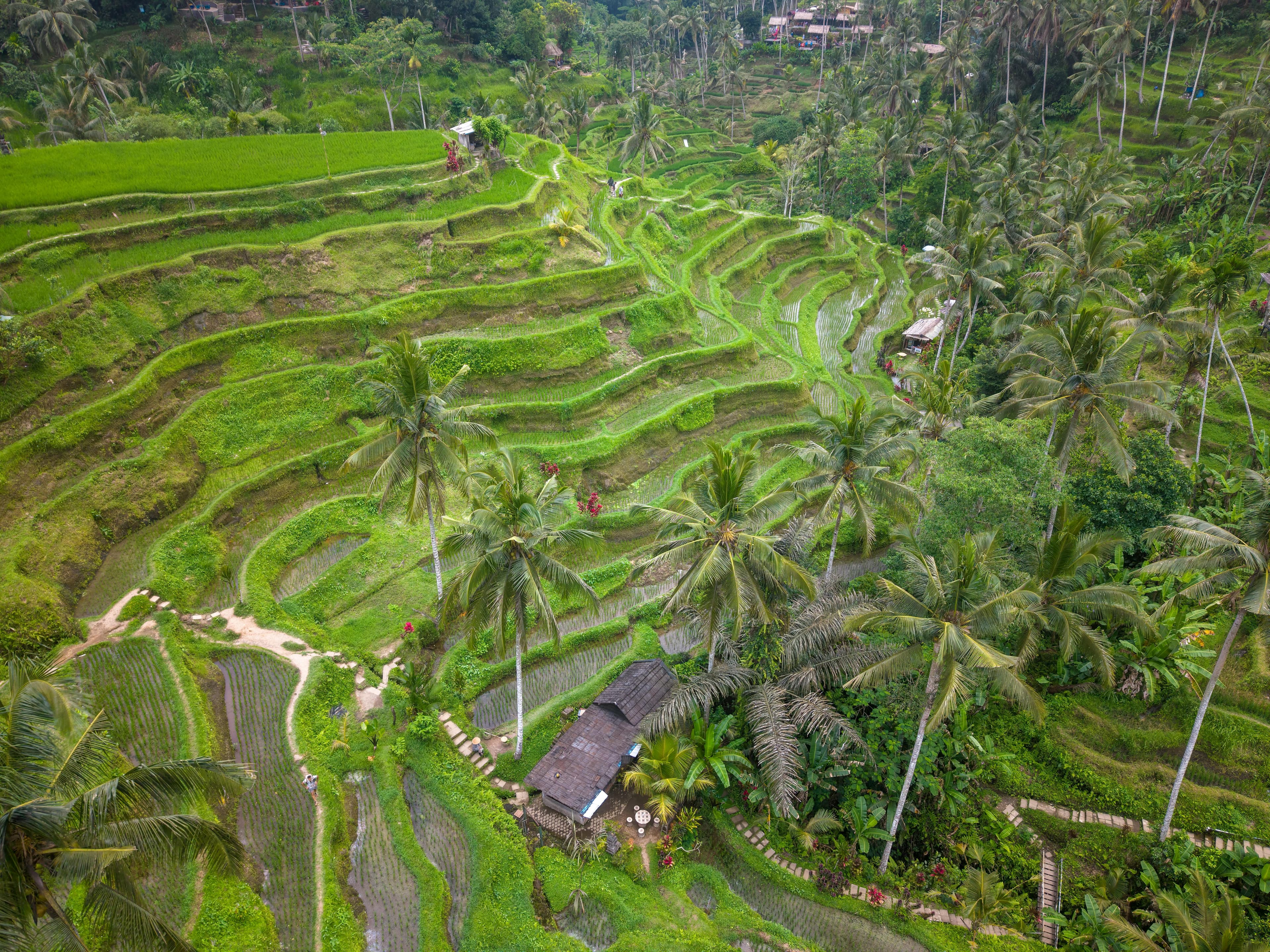
What still works in 2026: Bali still delivers magic if you know where to look. Ubud at sunrise still feels sacred (visit Tegalalang at 7 AM not 11 AM). Uluwatu cliffs at sunset remain breathtaking (book Kecak dance tickets in advance). Mount Batur sunrise hike is still life-changing. Nusa Penida day trip from Sanur is still unforgettable. The trick in 2026 is timing (early mornings), zones (skip Kuta, choose Uluwatu/Pererenan/Amed), and managed expectations. Bali is not Phuket-tier overrun yet — it is more like Bali in 2018, just with a $10 tax.
- Tourist Tax mandatory: IDR 150,000 (~$10) per person since Feb 2024. Pay online at love.bali.gov.id before arrival to skip airport queues.
- Nyepi closes everything March 19, 2026: 24-hour island shutdown. No flights, no leaving hotels. Plan around or embrace the silence.
- Canggu traffic is real: Worse than Bangkok at peak hours. Alternative: Pererenan (15 min north) has 50% less density with similar amenities.
- Overtourism at iconic sites: Tegalalang, Tanah Lot sunset, Uluwatu Kecak all dramatically congested. Visit early morning (6-8 AM) or accept crowds.
- Scooter accidents #1 risk: Helmet mandatory. International driving permit required. Hospital costs $200-500/day if uninsured. Travel insurance essential.
Sources: Bali Hotels Association (BHA), BPS Indonesia, DISPARDA Bali Tourism Office, Indie Traveller 2026 update
The Money Question
Real Daily Costs in Bali 2026 (Verified)

Bali offers exceptional value across the budget spectrum — but it is no longer the $20/day backpacker paradise of 2010. We cross-referenced 2026 daily costs from five sources: Bali Hotels Association, Indie Traveller 2026 update, Nomadic Matt Bali breakdown, Pommie Travels, and recent traveler reports January-May 2026. Numbers below at May 2026 exchange rate (1 USD = 16,200 IDR).
| Category | Budget | Mid-Range | Luxury |
|---|---|---|---|
| Daily total (USD) | $25-50 | $70-130 | $300-500+ |
| Daily total (IDR) | 400K-810K | 1.13M-2.1M | 4.86M-8.1M+ |
| Accommodation/night | $8-25 (hostel) | $50-120 (villa) | $300-700 (5-star) |
| Food daily | $5-12 (warung) | $20-40 (cafes) | $80-200 (fine dining) |
| Local transport | $5-10 (scooter) | $20-40 (driver) | $80+ (private) |
| Activities daily | $5-20 (temples) | $30-80 (tours) | $150-400 (private) |
| 10-day trip total | $250-500 | $700-1,300 | $3,000-5,000+ |
| Tourist Tax (one-time) | $10 (IDR 150K) | $10 (IDR 150K) | $10 (IDR 150K) |
What each tier actually looks like
Budget ($25-50/day): hostel dorms in Canggu or Ubud (IDR 130K-400K = $8-25/night), warung meals (IDR 25K-80K = $1.50-5 per meal — Nasi Campur, Mie Goreng, Gado-Gado), scooter rental ($5-7/day + gas), temple entry ($1-3), local Bintang beer ($1.50-3 at warung). Budget Bali is genuinely possible if you avoid Western restaurants and beach clubs.
Mid-range ($70-130/day): private villas with pool in Canggu/Ubud (IDR 800K-2M = $50-120/night), mix of warung and Western cafes ($20-40/meal at Crate, La Brisa, Locavore), private driver for day tours ($40-60/day), 1-2 tours per day (Mount Batur sunrise $35, Nusa Penida day $50, Ubud rice terraces tour $30). This is what 60% of Western tourists actually spend.
Luxury ($300-500+/day): 5-star resorts in Uluwatu (Bulgari $1,200/night, Six Senses $800/night, Alila $600/night), private staffed villas in Ubud or Canggu ($400-1,200/night), fine dining at Locavore, Mejekawi, Sundara ($100-200/meal), private drivers, helicopter transfers, yacht charters. Bali luxury is 40-60% cheaper than Maldives or Phuket equivalents for same level. Best villa value in Asia.
Seminyak / Canggu: Most expensive zones. Western cafes premium, beach clubs $30-80/cover, villas $60-200/night.
Ubud: Mid-range. Yoga + wellness premium, but warung food cheap. Villas $40-120/night.
Uluwatu / Nusa Penida / Amed: Cheaper for accommodation, but transport to/from costs ($20-50 each way).
Quick comparison
Bali $70-130/day. Thailand $60-110/day. Vietnam $40-65/day. Japan $170-270/day. Is Balis villa value + spiritual depth worth the trade-offs?
Compare All Asia →The Honest Verdict
Is Bali Worth It? By Traveler Profile
Generic verdicts are useless. Here is the honest answer for six traveler profiles based on verified 2026 conditions.

The Uncomfortable Truth
When Bali is NOT Worth Visiting in 2026
Bali is exceptional for many traveler types — but not all. Here are eight honest scenarios where Bali in 2026 is the wrong choice, and where to go instead.
1. You want urban excitement
Bali has no proper city. Denpasar is administrative not touristic. Canggu/Seminyak nightlife exists but small-scale. For urban energy: choose Bangkok, Tokyo, Seoul, or Singapore. Bali rewards nature/spirituality not urban thrills.
2. You only have 4-5 days
Bali is geographically larger than people expect. Ubud to Uluwatu = 2.5 hours by car. Each zone requires 2-3 days minimum to appreciate. Less than 5 days = rushed Canggu+Ubud only. For short trips: choose Singapore, Hong Kong, or Tokyo (city compact).
3. You travel during Nyepi (March 19, 2026)
Nyepi Silent Day: 24-hour total island shutdown. No flights, no leaving hotels, no beaches, no street lights. If unplanned, your trip is RUINED. If planned, Nyepi is incredible cultural experience. Arrive March 17 OR after March 20.
4. You hate scooters / cant drive one
Bali is geographically spread out, public transport limited, taxis expensive ($25-50 between zones). Scooter is essential for budget/mid-range travel. If you cant ride: budget $40-60/day for drivers, or stay in single zone only.
5. You want minimal crowds at iconic sites
Tegalalang rice terraces, Tanah Lot sunset, Uluwatu Kecak dance — all dramatically congested year-round. Visit early morning (6-8 AM) or accept crowds. If solitude matters: skip iconic sites, choose Amed, Munduk, or East Bali instead.
6. You expect ultra-budget ($20/day)
Bali is 30-50% more expensive than Vietnam. Budget minimum $25-30/day even at hostels with warung food. If pure budget: Vietnam ($30-50/day), Cambodia ($25-40/day), or Laos ($25-45/day) win.
7. You travel January-February (peak rains)
Indonesian wet season peak. Daily heavy downpours, beach quality reduced, possible flooding in lowlands, scooter rides dangerous in rain. Surf locations shift. Wait until April or visit Komodo/Lombok instead.
8. You want pristine snorkeling/diving
Bali waters are OK but not world-class. Best snorkeling at Amed and Pemuteran (north). For genuine pristine reefs: head to Komodo, Raja Ampat (Indonesias actual diving paradise), or Maldives. Bali snorkeling is a side activity, not the main draw.
Where You Stay Matters
Choosing Your Bali Zone (Crucial)
Bali zones differ dramatically. Where you stay defines your entire experience. Each zone serves different traveler profiles. Most travelers split between 2-3 zones for a full Bali experience.
UBUD
Spiritual · Yoga · Rice Terraces · $40-150/night villa
World yoga + wellness capital (The Yoga Barn, Radiantly Alive). Tegalalang rice terraces 20 min north. Sacred Monkey Forest. Best traditional Balinese culture. Surrounded by jungle. Cooler climate (mountain area). Walking distance to art galleries, raw food restaurants, traditional dance performances. Cons: 2 hours from beach, busy center, scooter traffic in town. PERFECT for spiritual seekers, foodies, culture travelers, honeymoons (jungle villas).
CANGGU / PERERENAN
Digital Nomads · Surf · Cafes · $30-200/night
Asias #1 digital nomad hub. Best coworking globally (Tropical Nomad, Outpost, Dojo). Beginner surf at Batu Bolong, intermediate at Echo Beach. Trendy cafes (Crate, Milk Madu, La Brisa). Beach club scene (Finns, Atlas). Cons: REAL traffic problem at peak hours, becoming touristy. Solution: stay in Pererenan (15 min north of Canggu, similar amenities, half the density). PERFECT for under 35 travelers, surfers, nomads.
ULUWATU / BUKIT PENINSULA
Cliffs · Luxury · Honeymoon · $100-1500/night
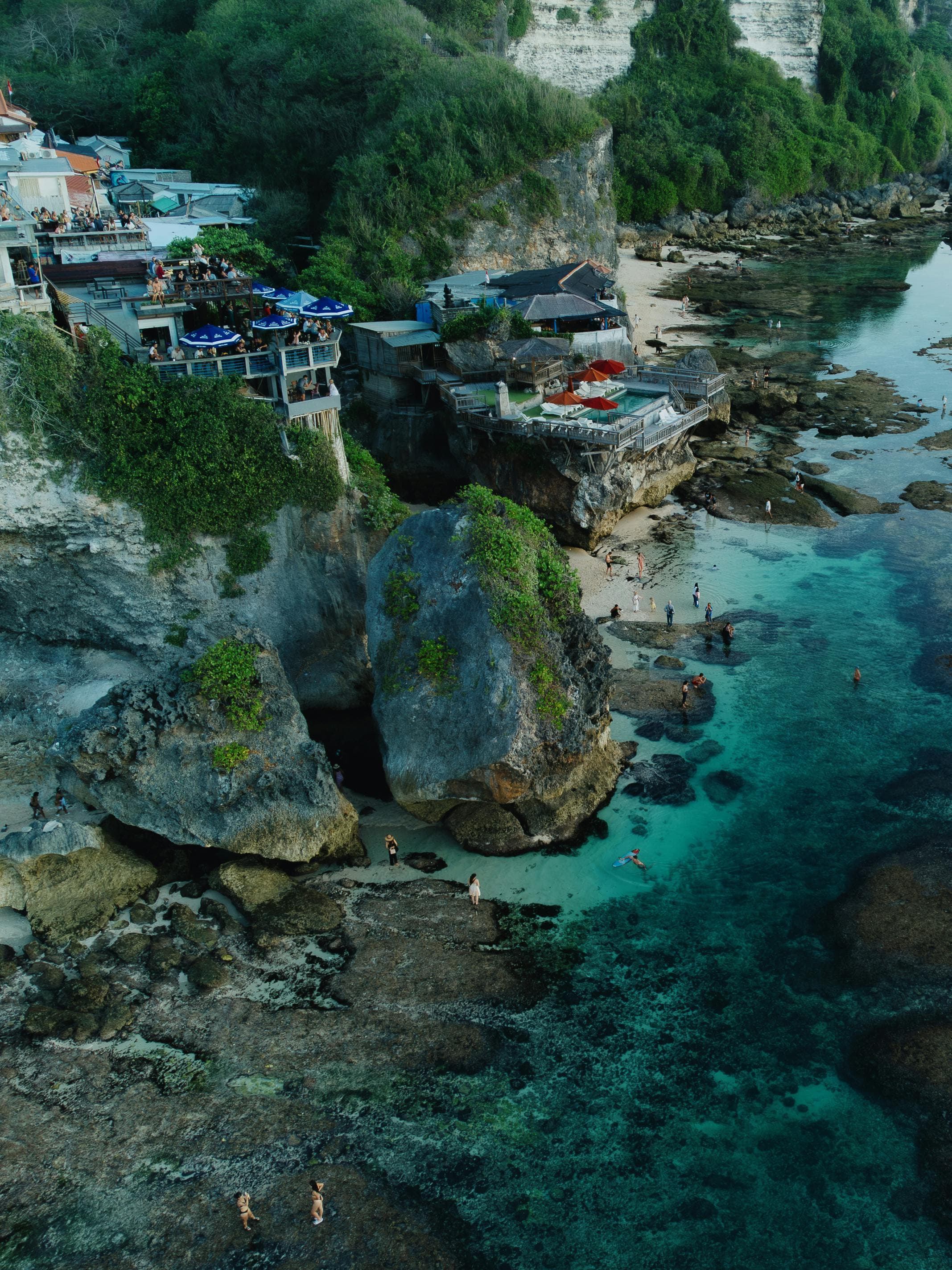
Most dramatic landscapes in Bali. White sand beaches (Padang Padang, Bingin, Nyang Nyang), advanced surf, Uluwatu Temple at sunset, Kecak Fire Dance. Best 5-star resorts (Bulgari, Alila Villas, Six Senses). Less commercial than Canggu. Cons: 45-60 min from airport, less restaurants/nightlife. PERFECT for honeymoons, luxury travelers, advanced surfers, cliff villa seekers.
SEMINYAK / KEROBOKAN
Beach Clubs · Shopping · Mainstream · $80-300/night
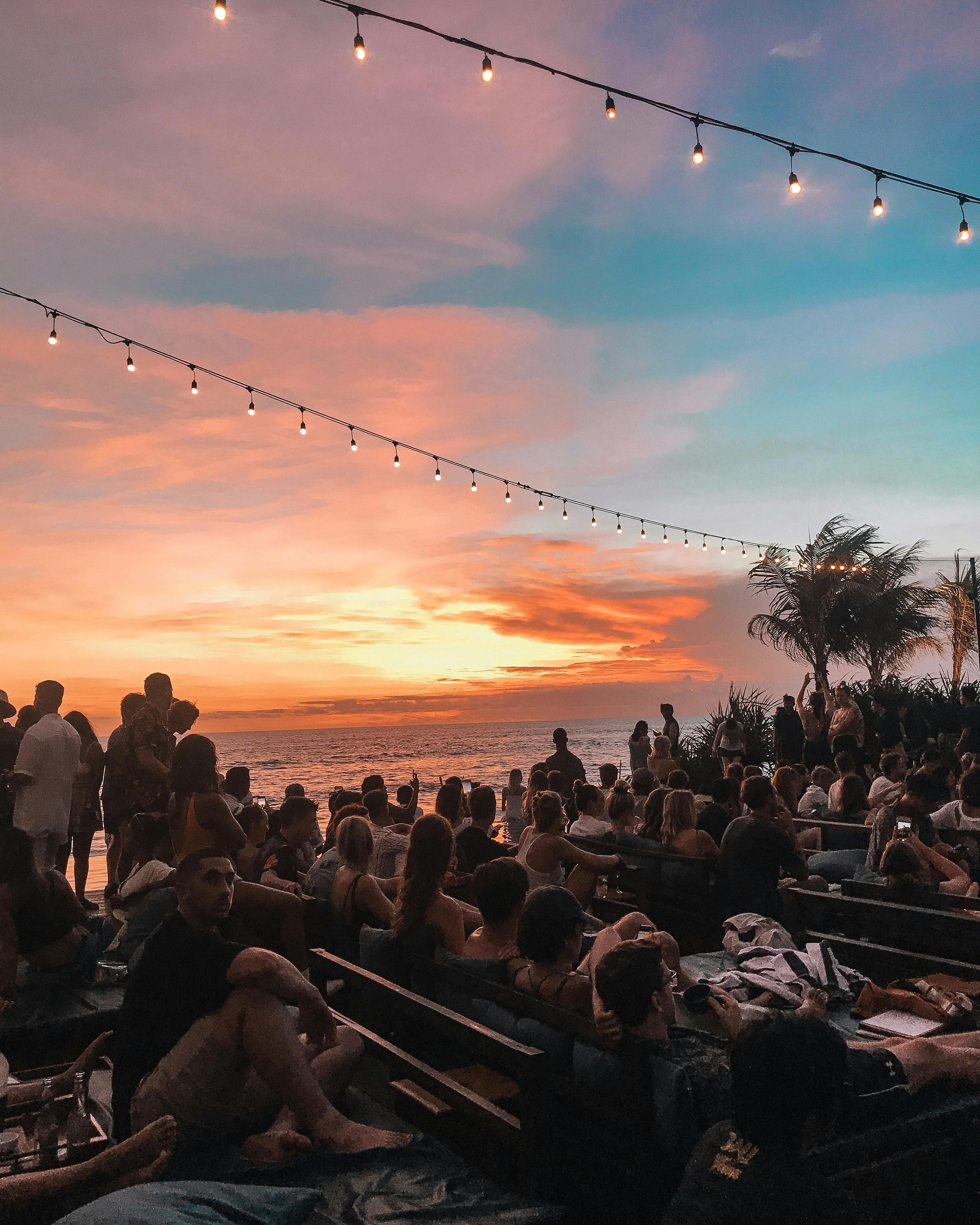
Bali but make it commercial. Best mainstream nightlife (La Favela, Mirror, La Brisa). Mainstream luxury resorts. Designer shopping. Sunset Beach Club scene (Ku De Ta, Potato Head). Cons: feels like Australian suburb, beach below average, tourist saturation. GOOD for first-time visitors wanting comfort + nightlife, families wanting amenities.
SANUR / NUSA DUA / AMED
Family · Calmer · Snorkeling · $60-250/night
Sanur: east coast, calmer, family-friendly. Nusa Dua: ultra-luxury resort enclave, gated, manufactured Bali feel. Amed: north coast, snorkeling/diving paradise (Liberty wreck), authentic local fishing villages, off-grid feel. PERFECT for families with kids, mature travelers, divers, those wanting authentic Bali away from crowds.
Timing Matters
Best Time to Visit Bali in 2026
Month-by-month verdict for 2026
- Chinese New Year: February 17, 2026 (Chinese tourists peak, hotel prices rise)
- Nyepi (Silent Day): March 19, 2026 (entire island closed 24 hours)
- Galungan: April 30 + November 19, 2026 (Hindu festival, decorations)
- Indonesian Independence: August 17, 2026 (local celebrations)
- Christmas/NYE: Dec 22 - Jan 5 (peak season, +50% prices)
Sources: BMKG (Indonesian Meteorological Agency), DISPARDA Bali Tourism, Bali Hotels Association 2026 calendar
🛂 Logistics 2026
Tourist Tax, Visa & Money in Bali 2026
Tourist Tax (MANDATORY)
IDR 150,000 (~$10) since Feb 14, 2024. Per person, one-time.
Pay online: love.bali.gov.id (skip airport queues).
Or pay arrival: Ngurah Rai Airport counters. Credit card or cash.
Visa
Visa-on-Arrival: $35 USD, 30 days, extendable once for additional 30 days ($35).
E-VOA: Apply online at evisa.imigrasi.go.id (faster).
Long stay: B211A Visa 60-180 days for digital nomads ($150).
Money
Exchange: 1 USD = 16,200 IDR (May 2026).
ATMs: Use BANK ATMs only (BCA, Mandiri). NEVER street ATMs (scam risk).
Cards: Accepted at hotels, mid-range restaurants. Cash king at warung.
- Grab — Asia ride-hailing (cars, scooters, food). Much cheaper than street taxis.
- Gojek — Indonesian equivalent of Grab. Better local coverage.
- Bluebird Taxis — only reliable taxi brand. Use BlueBird app to avoid scams.
- WhatsApp — universal in Indonesia. Hotels, drivers, tours all use it.
- Klook — best Asian tour booking platform (Mount Batur, Nusa Penida).
- SIM/eSIM: Buy Telkomsel at airport ($10 for 25GB/30 days). Or Klook eSIM ($15).
- Scooter rental: $5-7/day. Bring International Driving Permit. Helmet MANDATORY.
- Tap water NOT drinkable — use bottled (cheap, IDR 3,000 = $0.20 for 1.5L). Avoid ice at warungs.
- Bargaining: Expected at markets (start at 30% of asking). NOT at restaurants/cafes.
- Travel insurance: ESSENTIAL ($1.50-3/day). Scooter accidents #1 cause of tourist hospital visits.
Decision Helper
Bali vs Asia Alternatives 2026
Quick verified comparison if you are weighing Bali against other Asian destinations for your 2026 trip.
| Factor | 🇮🇩 Bali | 🇹🇭 Thailand | 🇻🇳 Vietnam | 🇯🇵 Japan |
|---|---|---|---|---|
| Daily cost mid-range | $70-130 | $60-110 | $40-65 | $170-270 |
| Days needed minimum | 7-10 | 7-10 | 7-10 | 7+ |
| Beach quality | ★★★★ (cliffs+surf) | ★★★★★ (white sand) | ★★★ | ★★ (limited) |
| Spiritual / Wellness | ★★★★★ (Ubud) | ★★★★ | ★★★ | ★★★★ |
| Surf | ★★★★★ (Uluwatu) | ★★★★ | ★★ | ★ (cold) |
| Cultural depth | ★★★★ (Hindu) | ★★★★★ (Buddhist) | ★★★★★ | ★★★★★ |
| Food scene | ★★★★ | ★★★★★ | ★★★★★ | ★★★★★ |
| Digital nomad scene | ★★★★★ (#1 global) | ★★★★ | ★★★ | ★★★ |
| Infrastructure | ★★★ | ★★★★ | ★★★ | ★★★★★ |
| Villa luxury value | ★★★★★ | ★★★★ | ★★★ | ★★★ |
| Overtourism | ★★★ (Canggu) | ★★ (Phuket worst) | ★★★★ | ★★★ (rising) |
The Bottom Line
The Final Verdict: Is Bali Worth It in 2026?
Travelens Worth-It Score 2026
YES, WORTH IT — WITH CAVEATS
Bali in 2026 remains one of Asias most rewarding destinations IF you choose the right zones (skip Kuta, choose Ubud + Uluwatu + Pererenan), time your trip around Nyepi (March 19), accept the $10 Tourist Tax, manage expectations at iconic sites (visit early), and plan for at least 7-10 days. For spiritual seekers, surfers, digital nomads, and honeymoon couples, Bali is genuinely irreplaceable. For urban-energy travelers or 4-day stopovers, Bali is the wrong choice.
The honest one-liner
"Bali in 2026 is not the Eat Pray Love paradise of 2010 — it is busier, more expensive, with new taxes. But for the right traveler (yoga, surf, honeymoon, digital nomad), Bali still delivers magic no other destination can. Skip if you only have 4 days, hate scooters, or want city excitement. Otherwise, plan 10+ days and embrace it."
Decision Engine
Still uncertain? Get YOUR personalized Bali worth-it score
Our AI Decision Engine factors in your budget, dates, traveler profile, and preferences to give you a personalized worth-it score for Bali vs alternative destinations. 30 seconds. No email required.
Get Your Worth-It Score →Where to Stay
Find Your Bali Accommodation
People Also Ask
Frequently Asked Questions
Is Bali worth visiting in 2026?
For most travelers: yes, but with significant caveats. Bali welcomed approximately 7.1 million international visitors in 2025 (Bali Hotels Association data), making it one of Asias most visited islands. The combination of affordability ($30-50/day budget, $70-130 mid-range), spiritual culture (Ubud yoga and Balinese Hinduism), world-class beaches and surf (Canggu, Uluwatu, Padang Padang), distinctive temple architecture, and warm tropical climate makes Bali rewarding for spiritual seekers, surfers, foodies, and couples on honeymoon. The caveats are real in 2026: IDR 150,000 Tourist Tax is mandatory since 2024 (~$10), Canggu and Seminyak suffer genuine gridlock traffic during peak hours, overtourism affects iconic sites (Tegalalang rice terraces, Tanah Lot, Uluwatu sunset), and the Nyepi Silent Day (March 19, 2026) closes the entire island for 24 hours. Verdict: 8.5/10.
How much does a trip to Bali cost in 2026?
Verified 2026 daily costs cross-referenced from Indie Traveller, Nomadic Matt 2026 Bali update, Pommie Travels, and recent traveler reports: Budget travelers spend $25-50/day (hostels in Canggu/Ubud $8-25, warung meals $2-5, scooter rental $5-7/day, temple entry $1-3), mid-range $70-130/day (4-star hotel or villa $50-120/night, restaurants $15-30/meal, drivers $40-60/day, tours $30-80), luxury $300-500+/day (5-star resorts in Uluwatu/Ubud $300-700/night, fine dining $50-150/meal, private villa with staff $400+/night). For a 10-day mid-range trip: approximately $1,000-1,800 per person on the ground (excluding flights). Bali is roughly 30-50% cheaper than Thailand for same level. Critical 2026 fixed costs: IDR 150,000 Tourist Tax (~$10, one-time on arrival), tourist visa-on-arrival $35 (30 days, extendable). Currency: Indonesian Rupiah (IDR). Exchange rate May 2026: 1 USD = 16,200 IDR.
When is the best time to visit Bali in 2026?
Best time: May to September (Dry Season) — sunny, low humidity, optimal surf, manageable crowds outside July-August peak. Best months for value + weather: May, June, September. Peak months: July-August (Western summer holidays, 30-50% price premium, crowded). AVOID: NYEPI SILENT DAY March 19, 2026 — entire island closed 24 hours, no flights in/out, hotels locked down, beaches forbidden. February-March rainy season tail. November-March is technically wet season but rain mostly afternoon showers (still visitable, fewer crowds). Critical 2026 dates: NYEPI (Hindu New Year, Silent Day) March 19, 2026 — most important Balinese holiday. GALUNGAN (Hindu festival of victory of good) April 30 and November 19, 2026 — beautiful decorations, ceremonies, hotels busy. CHINESE NEW YEAR February 17, 2026 — Chinese tourists peak. RAMADAN (mostly Java not Bali, but flights affected) February 18 - March 19, 2026.
Is the Bali Tourist Tax mandatory in 2026?
YES — the IDR 150,000 Bali Tourist Tax (Pungutan Wisatawan Asing, ~$10 USD) is mandatory for ALL foreign tourists since February 14, 2024. Pay online BEFORE arrival at love.bali.gov.id or in person at Ngurah Rai International Airport upon arrival. The fee covers cultural heritage preservation and environmental protection — funds restoration of temples, beach cleanup, waste management. Payment options: credit card, Indonesian e-wallet (OVO, GoPay, DANA), or cash at airport counters. After payment receive QR code, present at immigration. Note: this is SEPARATE from your visa-on-arrival fee ($35). Total entry cost 2026: $45 for most Western tourists. Children under 18 ARE included in the tourist tax. Indonesian nationals exempt. The tax was controversial when launched but has been successfully implemented.
Is Canggu really overcrowded in 2026?
Yes, Canggu has genuine traffic problems in 2026 — frequently cited by recent visitors and travel bloggers (Indie Traveller, Pommie Travels, Greta Travels). Peak hour traffic on the Berawa-Batu Bolong-Echo Beach road is reportedly worse than Bangkok. Scooter is the only way to navigate efficiently. Cafe culture is incredible (Crate, Milk & Madu, La Brisa) but tourist saturation high. Beach Club scene (Finns, La Brisa, Atlas) is excellent but commercial. Surf at Batu Bolong remains world-class for beginners. For digital nomads: still the best Bali coworking hub (Tropical Nomad, Outpost, Dojo), but consider Pererenan (north of Canggu) for similar amenities with 50% less density. Alternative cool areas: Sanur (calmer, family-friendly), Amed (north coast), Uluwatu (cliff villas). If Canggu vibe matters: visit but stay 15-min north in Pererenan.
What is Nyepi Silent Day and how does it affect tourism?
Nyepi (Balinese Hindu New Year, Silent Day) falls on March 19, 2026 — and is the most unique cultural experience in Asia. For 24 hours (6 AM to 6 AM), the entire island of Bali completely shuts down: airport closed (no flights in or out for 24 hours), all hotels lock guests inside (you cannot leave), all beaches and streets forbidden, lights kept minimal at night, no work or travel allowed. It is a day of meditation, reflection, and spiritual cleansing for Balinese Hindus. Tourists CAN stay in hotels (with food provided) but cannot leave premises. Day BEFORE (Ngrupuk, March 18, 2026) is opposite: massive Ogoh-Ogoh parade with elaborate demon effigies through every village. If you visit during Nyepi: book a hotel with garden/pool, stock up on snacks/drinks, embrace the silence (its profound). If you must travel: arrive March 17 or after March 19. Many travelers consider Nyepi a highlight of their trip if planned correctly.
Is Bali safe in 2026?
Generally yes, but with specific concerns. Violent crime against tourists is rare. Bali is significantly safer than Bangkok or Manila. Main risks: (1) Scooter accidents — the #1 cause of tourist deaths/injuries in Bali. ALWAYS wear helmet, get international driving permit, ride defensively. Tourist hospitals (BIMC, Siloam) excellent but expensive. (2) Beach drowning — Indian Ocean has strong currents. NEVER swim outside red flags at Padang Padang, Echo Beach, Balian. (3) Drugs — Indonesian penalties are extreme (life imprisonment for trafficking). Schapelle Corby case still relevant. Avoid. (4) Money scams at ATMs — use ATMs INSIDE banks only, never standalone street ATMs. (5) Motorbike rental scams — photograph vehicle thoroughly before riding. Tourist visa overstays $70/day penalty. Tap water NOT drinkable — use bottled. Mosquitos — dengue/malaria prevention. Healthcare: BIMC Nusa Dua and Siloam Kuta are international-standard. Travel insurance highly recommended ($1.50-3/day).
Bali vs Thailand vs Vietnam — which is best in 2026?
Different countries for different priorities. CHOOSE BALI IF: you want spiritual/wellness focus (Ubud yoga, healing), world-class surf, dramatic cliff beaches (Uluwatu, Padang Padang), Hindu culture (vs Buddhist), digital nomad community (Canggu), high-end villa luxury at good value. CHOOSE THAILAND IF: you want more variety (Bangkok urban + Chiang Mai mountains + Phuket beaches), exceptional street food, Thai Buddhist culture, better infrastructure overall, beach diversity (Andaman vs Gulf). CHOOSE VIETNAM IF: you want cheapest mainland Asia ($30-50/day), deeper history (Hanoi, Hue, Ho Chi Minh), Halong Bay limestone karsts, less overtourism. Cost comparison 2026: Vietnam $40-65/day, Bali $70-130/day, Thailand $60-110/day. Best combination: 10 days Bali + 7 days Thailand via cheap flights Denpasar-Bangkok ($100-200). Bali alone: 10-14 days minimum for north + south + Nusa islands. Bali is the easiest first Asia trip for spiritual/beach-focused travelers.
When is Bali NOT worth visiting?
Bali is NOT worth visiting in 2026 if: (1) You want urban excitement — Bali has no proper city. Denpasar is administrative not touristic. Go to Bangkok, Tokyo, or Seoul. (2) You travel during Nyepi (March 19, 2026) for a normal trip — entire island closed 24 hours. Plan around or stay in hotel. (3) You only have 4-5 days — Bali rewards 10-14 day trips. Less = rushed Canggu+Ubud only. (4) You hate scooters/dont drive — Bali is geographically spread out, public transport limited, taxis expensive ($25-50 between zones). Scooter is essential for budget travel. (5) You want minimal crowds at iconic sites — Tegalalang rice terraces, Tanah Lot sunset, Uluwatu Kecak dance are dramatically congested year-round. (6) You expect ultra-budget ($20/day) — Bali is 30-50% more expensive than Vietnam. (7) You travel January-February (peak rains) — Daily heavy downpours, beach quality reduced, possible flooding. (8) You want pristine snorkeling/diving — head to Komodo, Raja Ampat, or Maldives instead. Bali waters are OK but not world-class.
How many days should I spend in Bali?
Minimum 7 days for meaningful Bali experience, 10-14 days ideal for full island exploration, 14+ days for digital nomads. Less than 5 days = mistake (Bali is spread out, transport between zones takes 1-3 hours). Optimal 10-day itinerary: 3 nights Ubud (yoga, rice terraces, Mount Batur sunrise, Tegalalang), 3 nights Canggu (surf, cafes, beach clubs, nightlife), 2 nights Uluwatu (cliff villas, Padang Padang surf, Kecak dance sunset), 2 nights Nusa Penida (Kelingking Beach, snorkeling Manta Point). Optimal 14-day: add Amed (north coast snorkeling), Munduk (north mountains, waterfalls), and longer Ubud stay. Digital nomads: 30-90 days Canggu or Ubud is common. Bali is geographically larger than people expect — Ubud to Uluwatu = 2.5 hours by car. Budget extra time for traffic, scooter rentals, beach days. Many Bali fans return year after year.
Continue Exploring Bali
Plan Your Bali Trip
You now have the honest verdict.
Bali in 2026 is busier and pricier than 5 years ago — but still delivers magic if you choose right zones, time it well, and embrace what makes Bali unique.
Get your personalized worth-it score in 30 seconds. The Decision Engine compares Bali against your exact profile and ranks it honestly with verified data.
Try the AI Decision Engine →100% real data · No opinions · No sponsored results · Always free