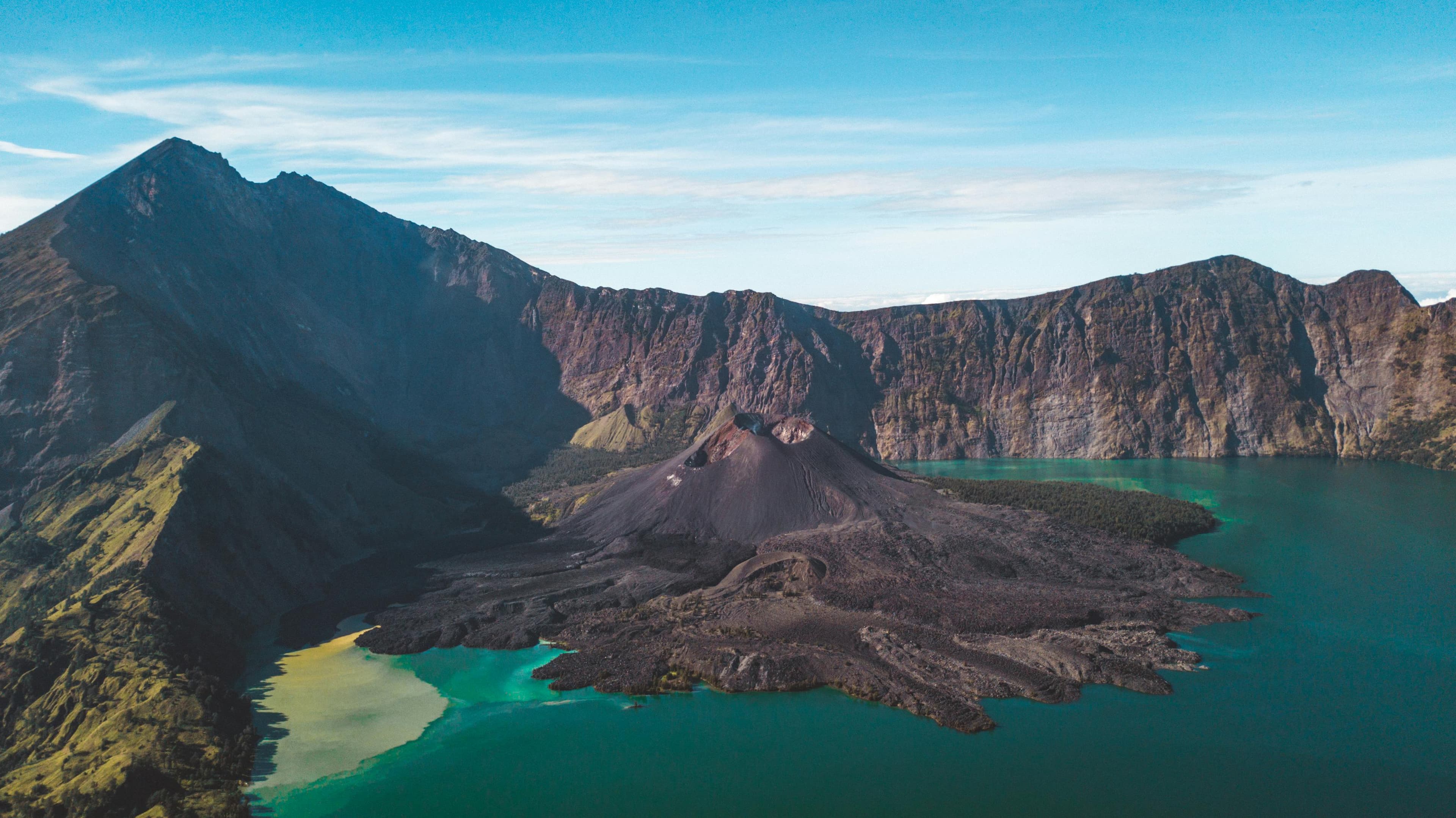
Bali is the world's only surviving Hindu-majority island, preserving 4,000 years of continuous spiritual traditions that infuse every aspect of daily life. From the UNESCO-protected Subak irrigation system blessing rice terraces with holy water, to monkey guardians protecting ancient temples, to daily offerings placed at every business and home—this island operates as a living Hindu sanctuary. Understanding these sacred foundations transforms tourist activities into authentic cultural experiences.
Planning Essentials
Seasonal Timing
Hindu Heritage
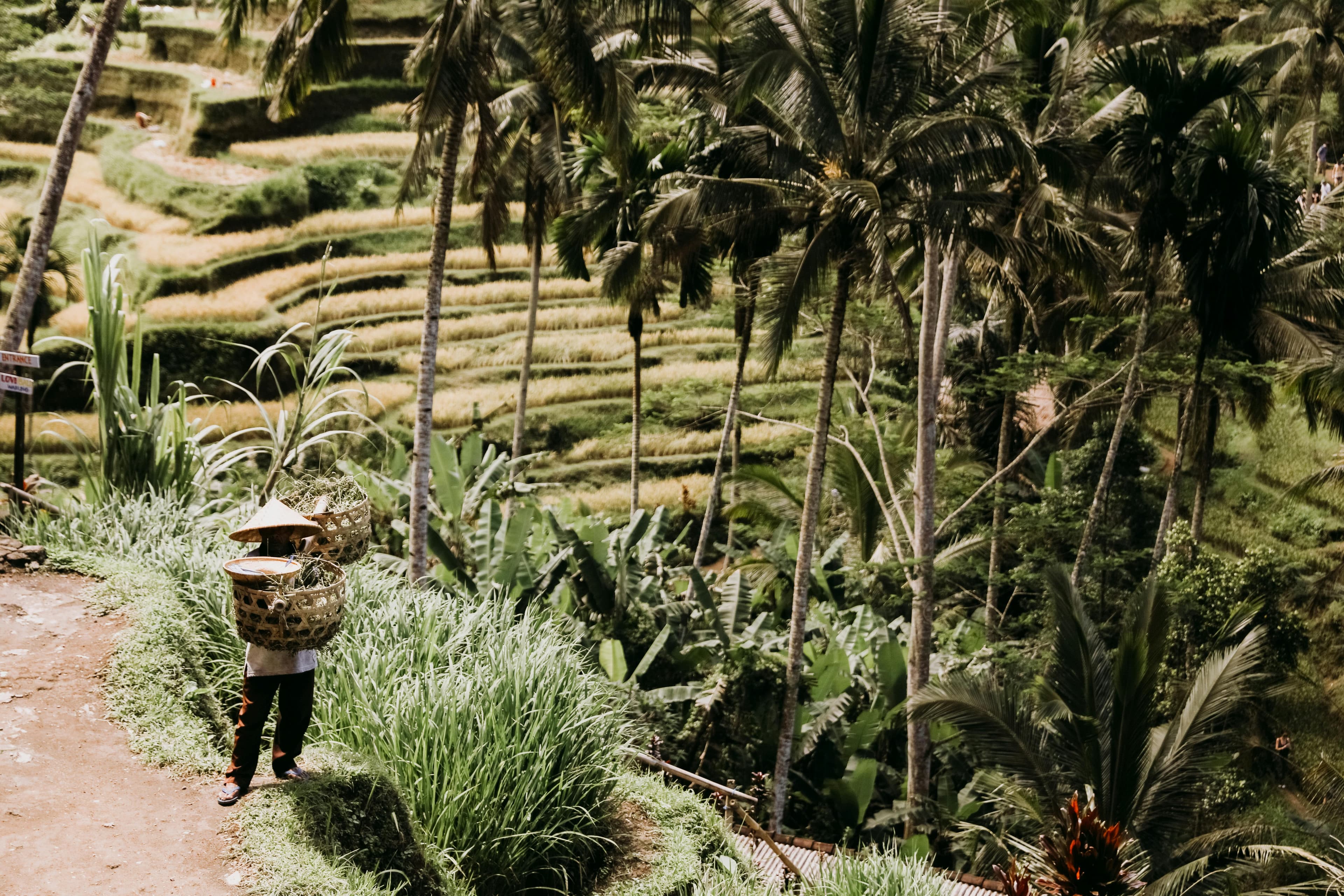
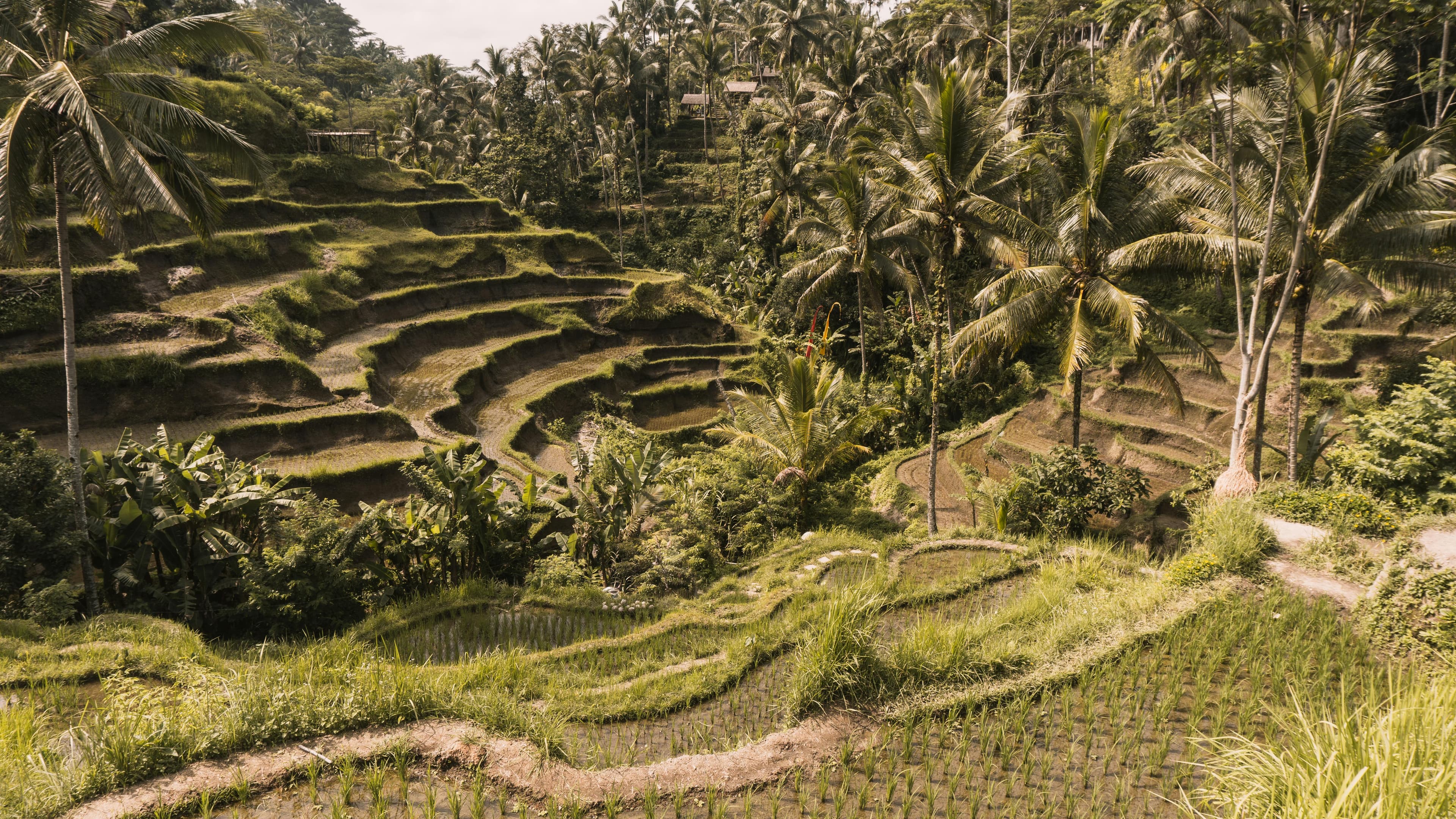
Tegalalang Rice Terraces: UNESCO Subak Irrigation Heritage
Tegalalang represents the UNESCO-protected Subak irrigation system—a 1,000+ year cooperative water management network based on Hindu philosophy. The terraces follow Tri Hita Karana principles, harmonizing humans, nature, and the divine through water temples (pura ulun danu) that bless irrigation flow. Balinese farmers still work these fields following ancient Austronesian rice cultivation methods from 2000 BCE. Each terrace level has shrine offerings to Dewi Sri, the Hindu goddess of rice and fertility. The system requires democratic cooperation—farmers share water, labor, and ceremonial duties across multiple villages. Early morning visits (before 8 AM) reveal farmers beginning daily rituals that have remained unchanged for centuries.
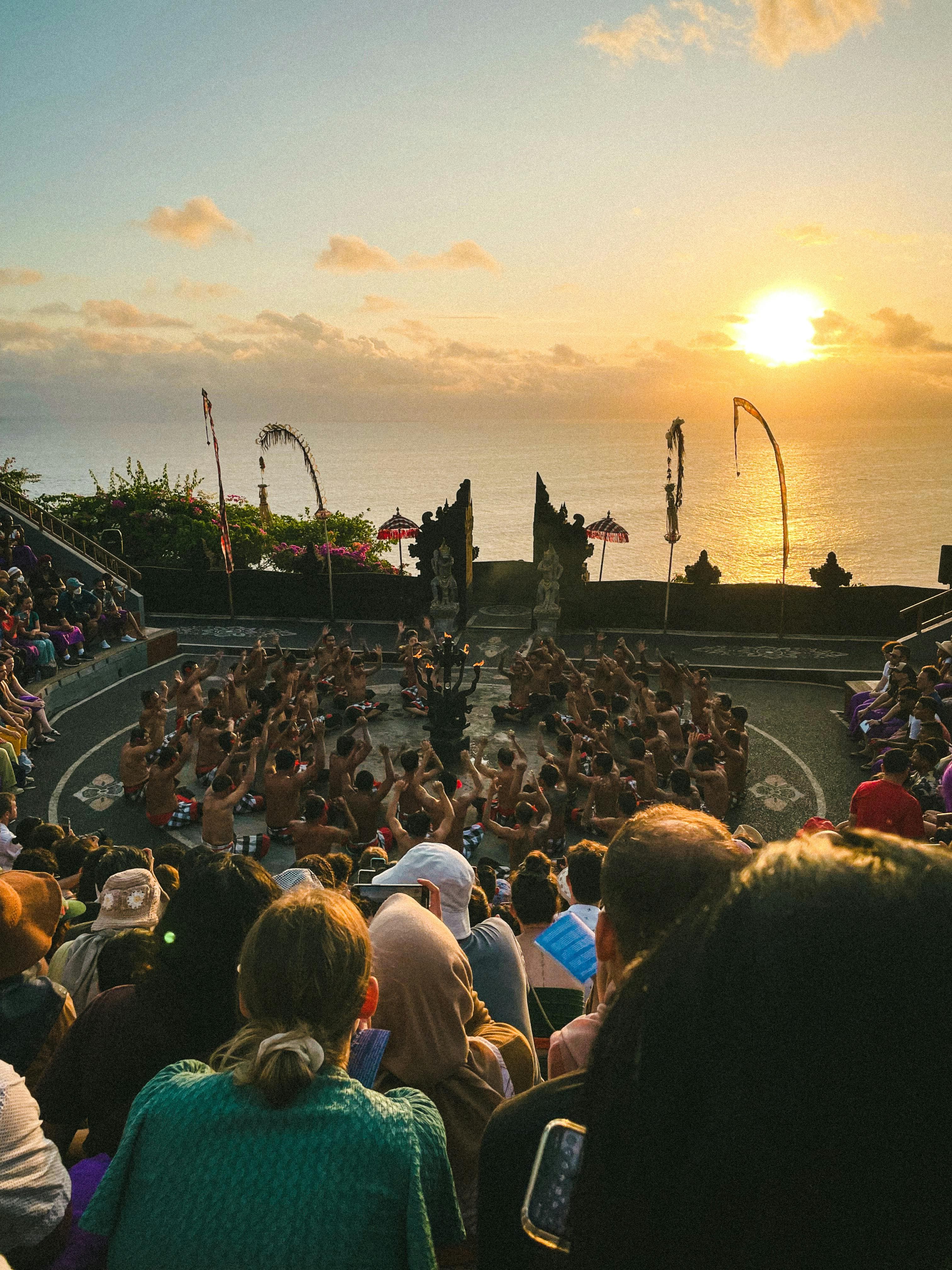
Uluwatu Temple & Kecak Fire Dance: Balinese Hindu Ritual Theater
Uluwatu is one of Bali's six directional temples (sad kahyangan) that protect the island from evil spirits, built on a 70-meter cliff facing the Indian Ocean. The Kecak fire dance performed here at sunset is not tourist entertainment—it's a Hindu religious ritual called "Sanghyang" where performers enter trance states to channel divine protection. The circular formation of 50+ bare-chested men chanting "cak" represents the monkey army from the Ramayana epic helping Rama rescue Sita. Fire walking through burning coconut husks demonstrates spiritual power over physical elements. This 500-year-old ceremony was originally performed to ward off disease and evil spirits from villages.
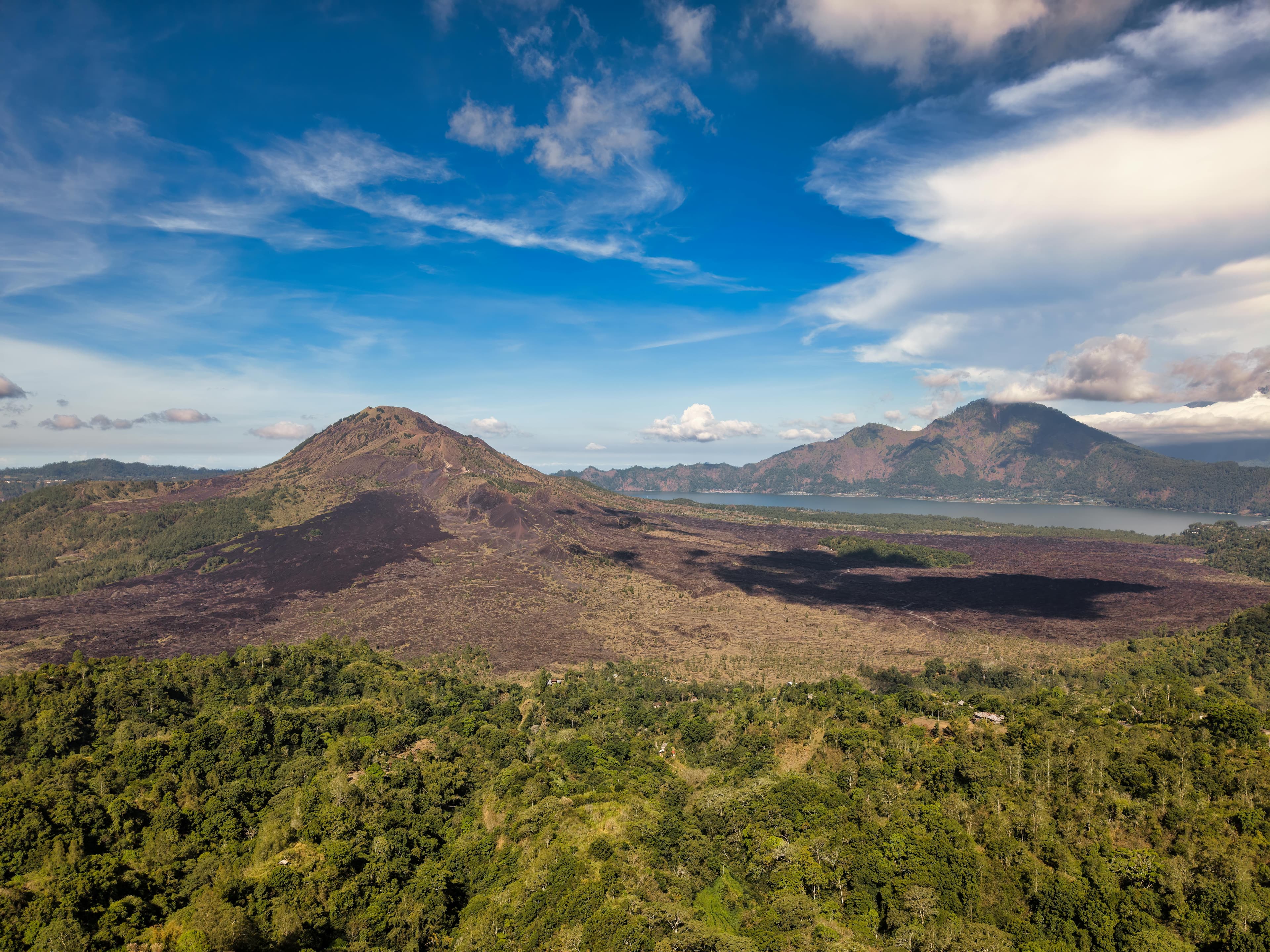
Mount Batur Sacred Volcano: Hindu Creation Mythology
Mount Batur is Bali's most sacred volcano, central to Hindu creation mythology where the god Brahma placed the island's spiritual foundation. The crater lake (Danau Batur) is considered the source of all fresh water in Bali—every river, spring, and Subak irrigation channel traces back to this sacred lake. Pura Ulun Danu Batur temple on the rim is the supreme water temple where all other water temples receive their spiritual authority. The 2-hour pre-dawn hike (starting 2 AM) reaches the active crater for sunrise views that reveal why Balinese consider this the center of their spiritual universe. Natural hot springs fed by volcanic activity provide purification ceremonies.
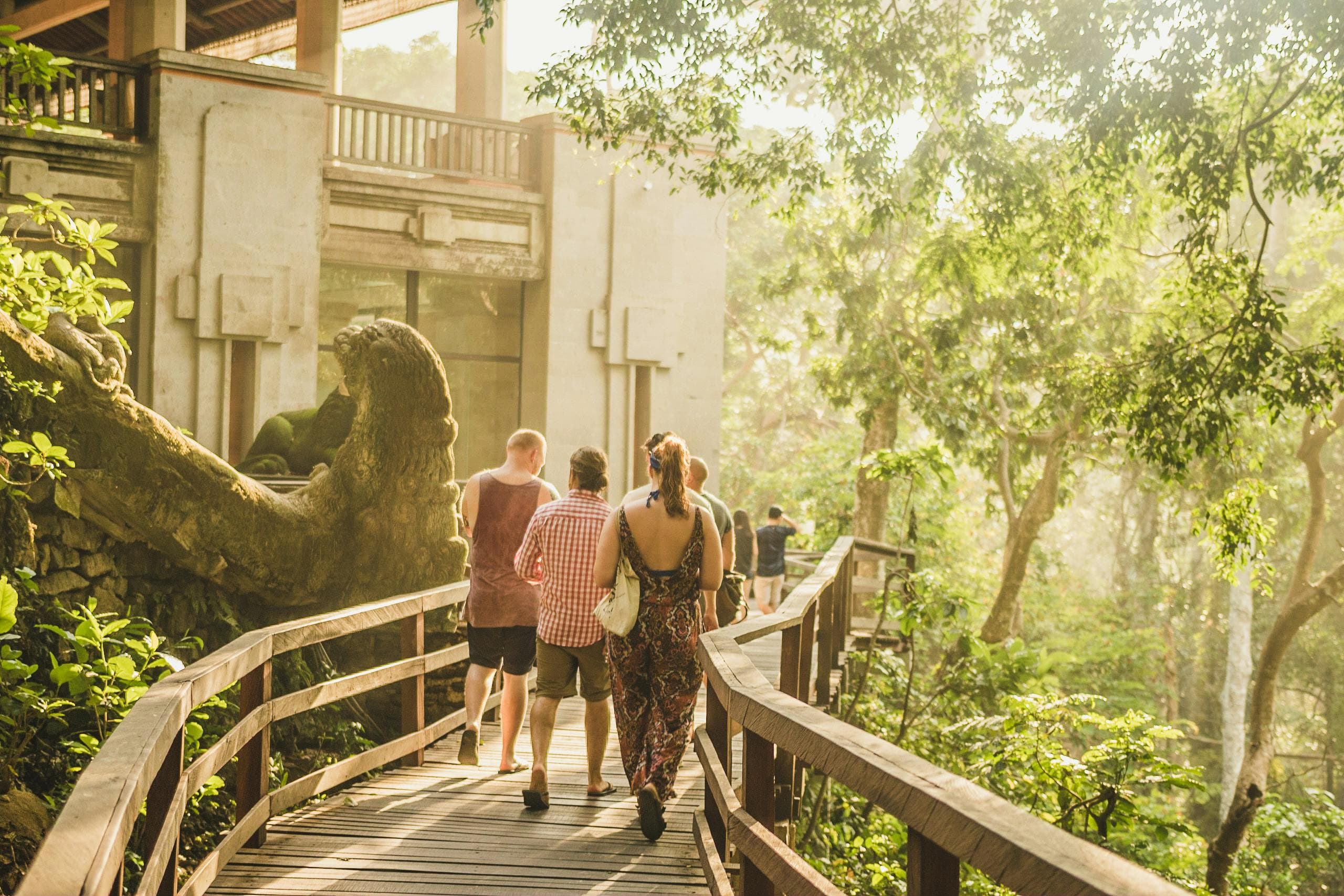
Sacred Monkey Forest: Ancient Hindu Temple Complex
The Sacred Monkey Forest Sanctuary in Ubud contains three Hindu temples dating to the 14th century, where 700+ long-tailed macaques live as temple guardians according to Hindu belief. Monkeys in Balinese Hinduism represent Hanuman, the divine monkey deity who serves Lord Rama. The forest surrounds Pura Dalem Agung Padangtegal temple, built near sacred springs that local Hindu communities depend on for purification ceremonies. Ancient banyan trees (sacred in Hinduism as symbols of eternal life) create natural cathedral spaces for meditation. The monkeys are not just wildlife—they're considered spiritual protectors of the temple complex, fed daily offerings by local Hindu families who maintain the sanctuary through traditional community cooperation.
Nusa Penida: Balinese Hindu Pilgrimage Island
Nusa Penida traditionally served as Bali's spiritual purification island where Hindu communities sent people for cleansing from spiritual impurities. The island contains powerful temples including Pura Goa Giri Putri (cave temple) and Pura Ped, where Balinese Hindus make pilgrimages for major purification ceremonies. The dramatic landscapes—Kelingking Beach's T-Rex cliff, Angel's Billabong natural pools, Crystal Bay's sacred springs—are considered manifestations of Hindu divine power over nature. Traditional Balinese belief holds that the island's isolation and rough seas provide spiritual testing grounds for purification. The 45-minute fast boat crossing from Sanur follows ancient pilgrimage routes where Hindu devotees traveled to undergo spiritual cleansing.
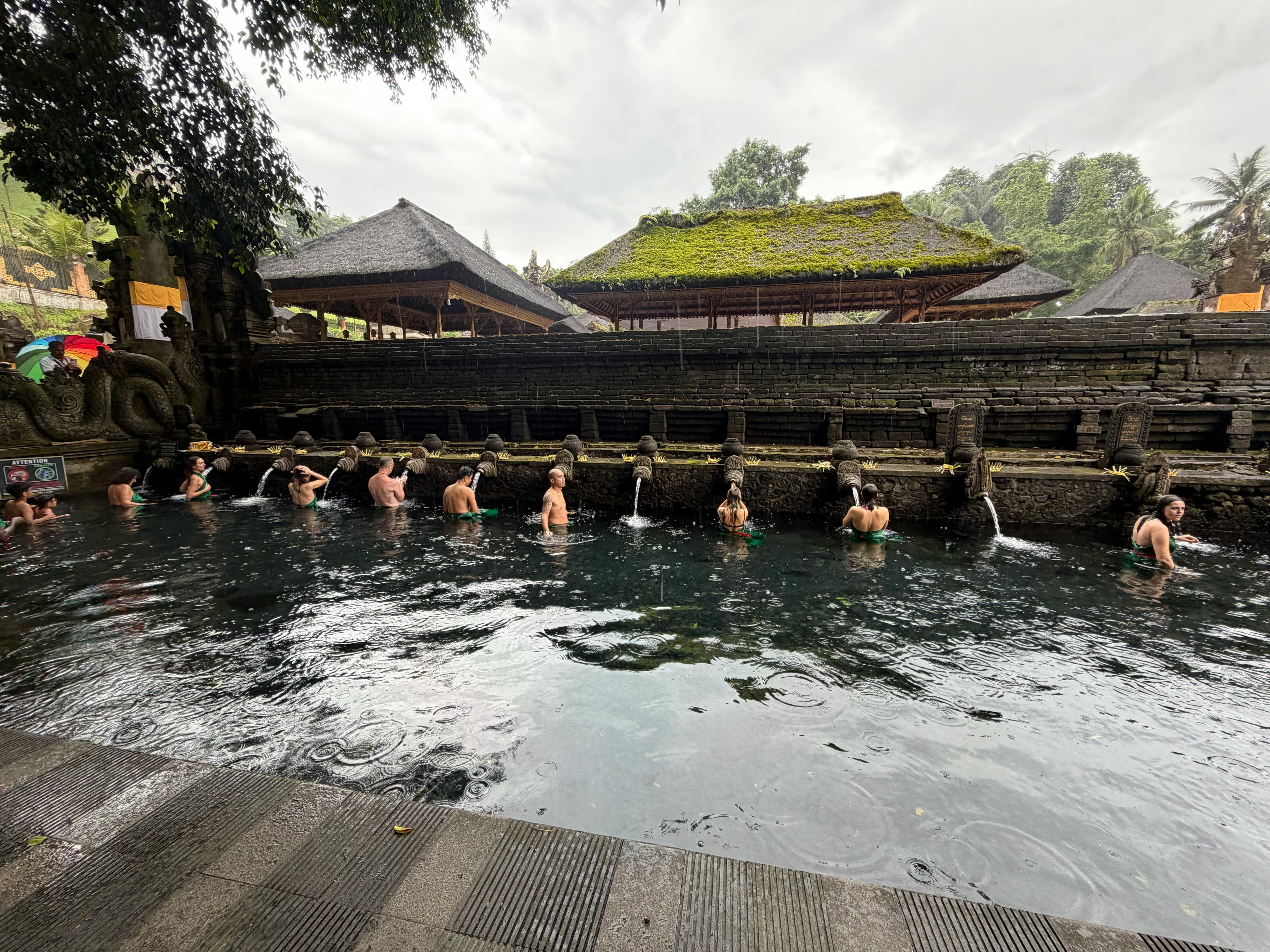
Tirta Empul Holy Spring Temple: Hindu Purification Rituals
Tirta Empul temple contains Bali's most sacred natural spring, where Hindu mythology says the god Indra created holy water to revive his army poisoned by the demon king Mayadanawa. The temple's 30 fountains flow from an underground source that never runs dry, providing purification water (tirta) for Hindu cleansing ceremonies. Balinese Hindus visit here for major life purifications—before marriage, after childbirth, during spiritual crises, or to cleanse negative karma. The cleansing ritual involves specific prayers at each fountain while water flows over the head and body. Indonesian presidents and foreign dignitaries have participated in these ancient Hindu purification ceremonies dating to 960 CE.
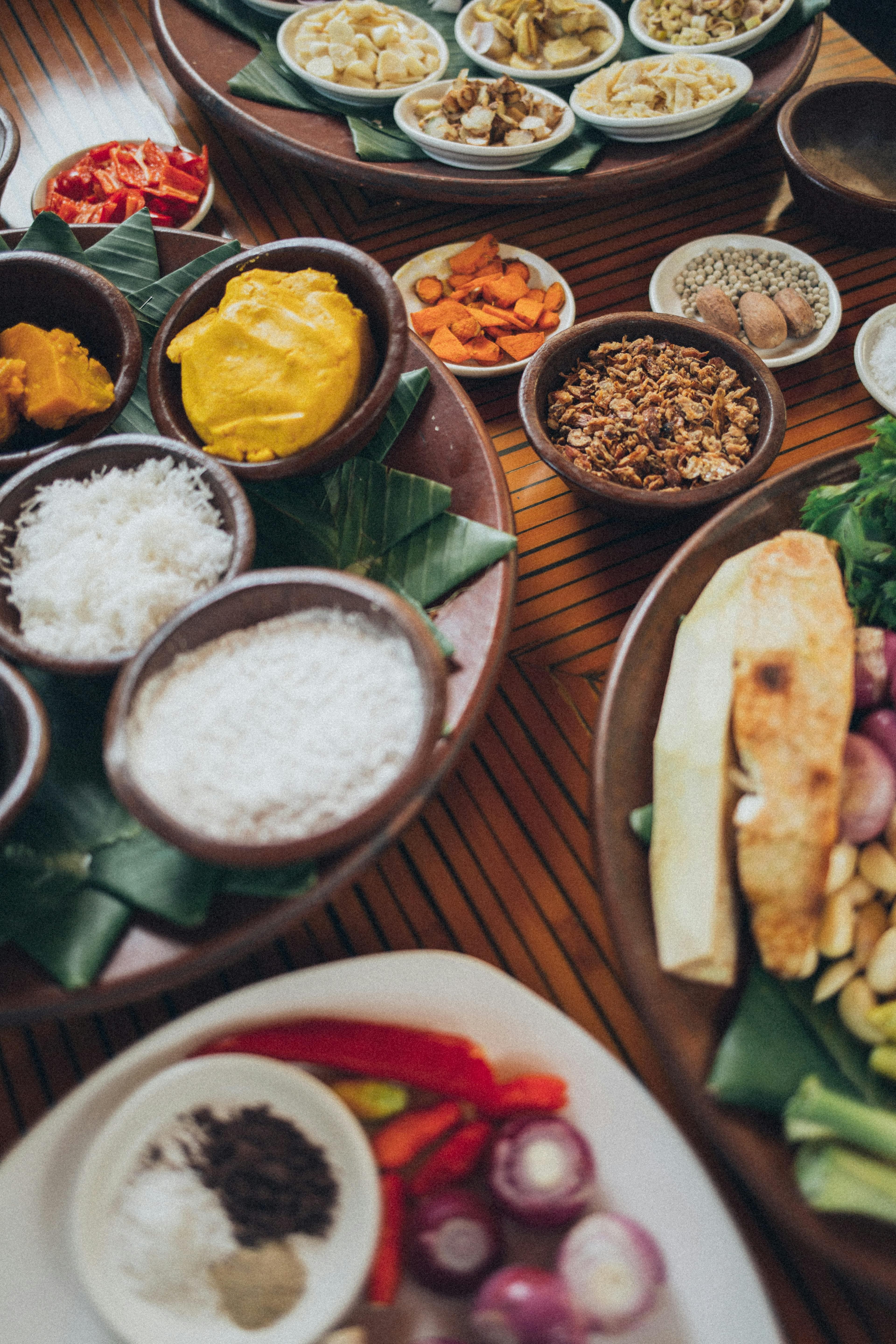
Balinese Cooking Class: Hindu Food Philosophy & Temple Offerings
Balinese cuisine intertwines with Hindu religious practice through daily temple offerings (canang sari) that require specific ceremonial foods prepared according to ancient traditions. Cooking classes begin with morning market visits to source ceremonial ingredients—turmeric (for purification), galangal (spiritual protection), candlenut (offerings to ancestors), and lemongrass (temple blessing). Traditional dishes like nasi gudeg (jackfruit curry), satay (grilled offerings), and black rice pudding serve dual purposes as meals and religious offerings. Cooking techniques follow Hindu principles of balance—sweet, sour, salty, bitter, spicy—representing cosmic harmony. Each spice holds spiritual significance passed down through centuries of temple ritual preparation.
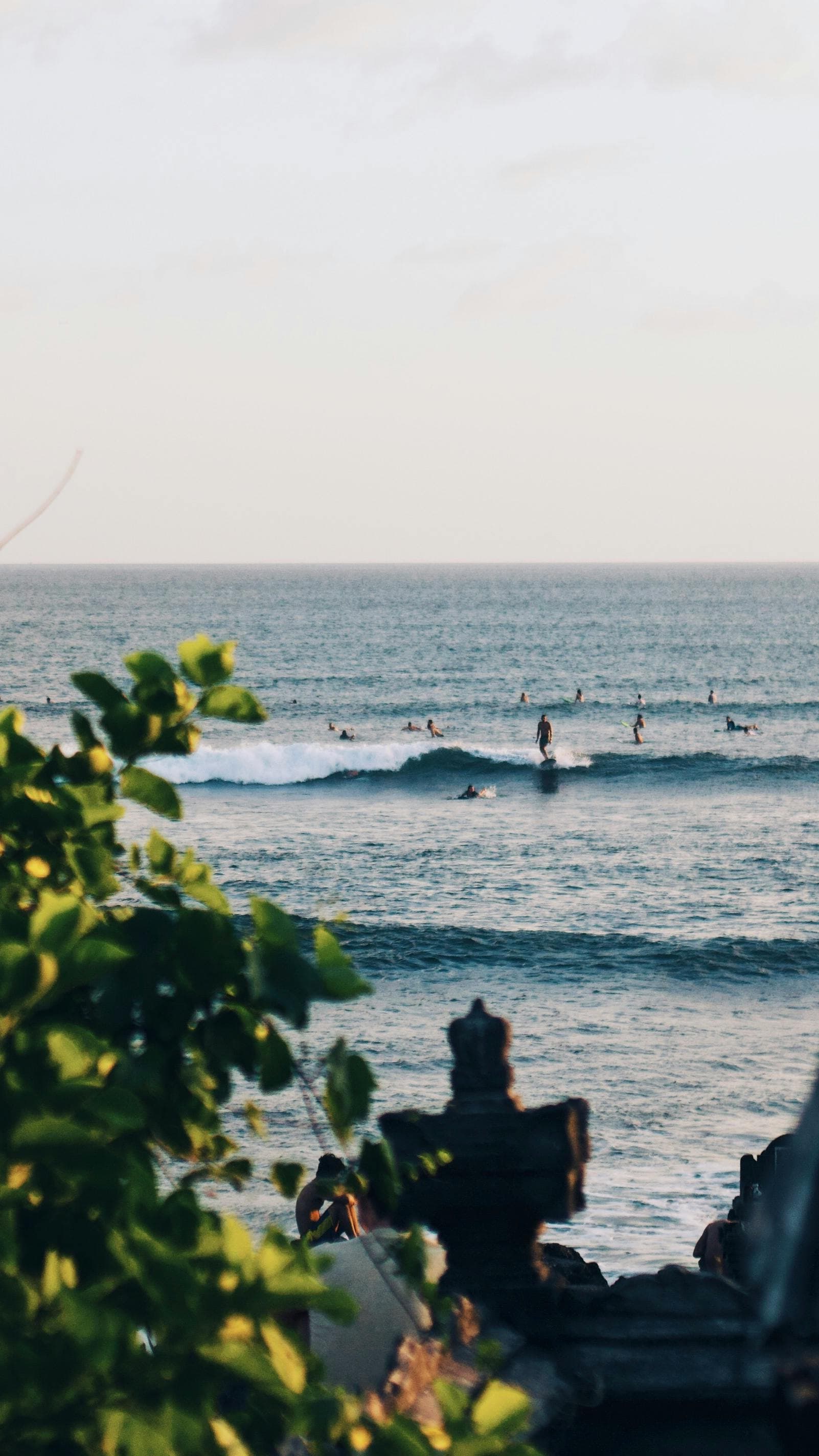
Canggu Surf Culture: Modern Bali Meets Ancient Ocean Worship
Canggu's surf culture sits atop ancient Balinese ocean worship traditions where fishing communities honored Baruna, the Hindu god of the sea, for protection and abundant catches. Local surf instructors often begin lessons with small offerings (canang) placed in the water to honor sea spirits—a tradition that modern surf culture has adopted from Balinese Hindu practice. Batu Bolong Beach takes its name from a temple with a hole (bolong) where ocean waves crash through, considered a sacred meeting point between land and sea spirits. Traditional Balinese belief holds that the ocean contains both beneficial and dangerous spiritual forces requiring proper respect through offerings and prayer.
Local Intelligence
Temple Etiquette
Sarongs required at temples (rent for $1-2). Remove shoes before entering. Don't point feet toward shrines. Women should not enter during menstruation. Modest dress required—cover shoulders and knees.
Monsoon Strategy
May-June-September = perfect shoulder season weather. Avoid July-August peak crowds. January is wettest month (350mm rainfall). Rain usually comes in short afternoon bursts, not all-day downpours.
Cultural Respect
Daily offerings (canang sari) are placed everywhere—step around them, never on them. Nyepi (Silence Day) shuts down entire island annually. Learn basic Bahasa greetings. Photography requires permission at ceremonies.
Where to Stay
Find Your Villa in Bali
Ubud for cultural immersion and rice terraces, Seminyak for beaches and nightlife, Canggu for surf culture, or Uluwatu for clifftop temples and luxury resorts.
Search Bali Hotels on Booking.com →Bali or Thailand? Indonesia or Philippines?
Not sure which tropical destination fits your travel style? Our AI compares them based on your budget, interests, and timing — and gives you a personalized verdict in 30 seconds.
Try the AI Decision Engine →Related Verdicts