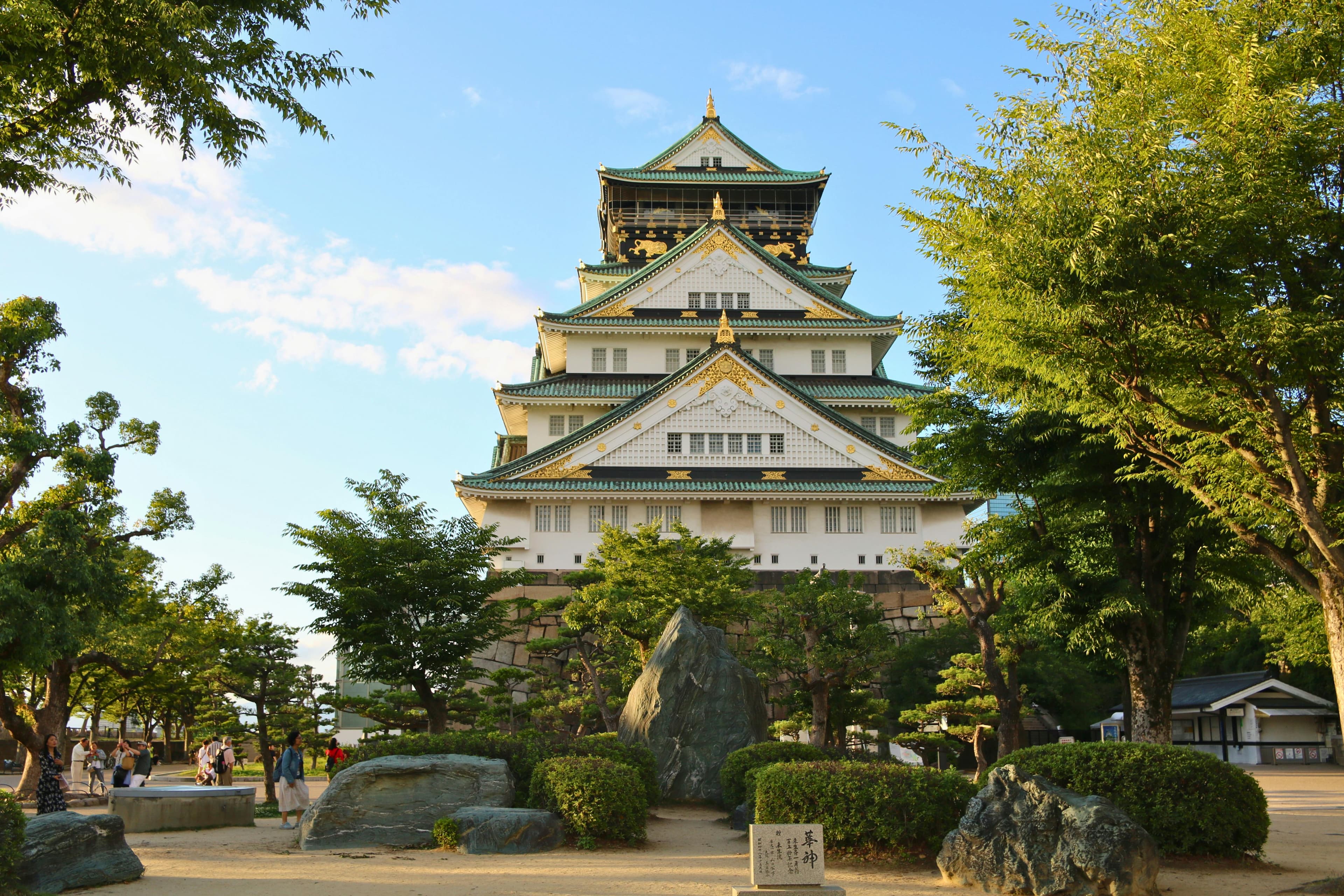
Kyoto whispers 1,000 years. Osaka shouts kuidaore. Both are 15 minutes apart, yet completely different countries.
One was Japans imperial capital from 794 to 1868 AD — over 1,000 years — preserving 1,600 Buddhist temples, 17 UNESCO sites, and the only living geisha culture on Earth. The other earned the nickname Tenka no daidokoro ("the nations kitchen") during the Edo period (1603-1868), invented takoyaki, okonomiyaki and kushikatsu, and today holds 93 Michelin stars (4th worldwide). The Tokaido Shinkansen connects them in 13 minutes for $10. The harder question is not whether to visit both — its which one to base from.
Skip 8 hours of research. Get a Worth-It Score for Kansai in 30 seconds.
Get Your Kansai Verdict →30 seconds · 100% real data · No sponsored opinions
At a Glance
Kyoto vs Osaka: 13 Categories Compared
| Category | ⛩ Kyoto | 🐙 Osaka |
|---|---|---|
| Daily cost (mid-range) | $109/day | $89-127/day — 15-20% cheaper |
| Daily cost (budget) | $60-80/day | $53-80/day |
| Population (city) | 1.42M | 2.7M |
| Population (metro) | 3.78M | 19M (3rd in Japan) |
| Best for | Temples, gardens, traditional | Food, nightlife, modern energy |
| Days needed minimum | 3-4 days | 2-3 days |
| Top neighbourhoods | Gion, Higashiyama, Arashiyama | Dotonbori, Namba, Shinsekai |
| Top free attraction | Fushimi Inari (711 AD) | Dotonbori (Edo-period origin) |
| Day trip options | Nara, Osaka, Hiroshima | Kyoto, Nara, Kobe, Himeji |
| Pace | Slow, reverent, quiet | Fast, loud, energetic |
| Michelin stars | 100+ stars | 93 stars (4th worldwide) |
| Cherry blossom price hike | DOUBLE prices | +30-40% |
| First-time visitors | ★★★★★ Traditional depth | ★★★★★ Modern food culture |
Sources: BudgetYourTrip 2026 verified data, JR West official, Japan Statistics Bureau, Michelin Guide 2026
The Money Question
Real Daily Costs: Osaka Slightly Cheaper
According to BudgetYourTrip 2026 data, Osaka mid-range averages $89-127 per day versus Kyoto at $109 per day. Osaka is 15-20% cheaper than Kyoto for accommodation and street food, while Kyotos prices are inflated by its high density of UNESCO World Heritage sites and tourist demand.
The breakdown: mid-range Osaka hotels run ¥12,000-20,000 ($80-130) per night versus Kyoto ¥14,000-24,000 ($95-160). Street food in Osakas Dotonbori averages ¥300-800 per item ($2-5). Local transport is comparable. Major attractions: Kyoto temples charge ¥400-700 ($3-5), Osaka Castle tower ¥1,200 ($8), Universal Studios Japan ¥8,900-14,200 ($60-95) dynamic pricing.
During cherry blossom season (late March to early April) and autumn foliage peak (mid-November), Kyoto accommodation can DOUBLE — sometimes surpassing Tokyo prices. A $130/night hotel becomes $260+. Osaka only rises 30-40% during the same period. Smart play: stay in Osaka during peak season ($150-180/night) and day-trip to Kyoto via 15-min Shinkansen, saving $30-40 per night for 5-7 nights.
Quick reality check
Kansai averages $90-130/day mid-range. Vietnam delivers similar quality at $75/day. Thailand at $90/day. Is Japan worth the premium for YOUR profile?
Compare Japan vs SE Asia →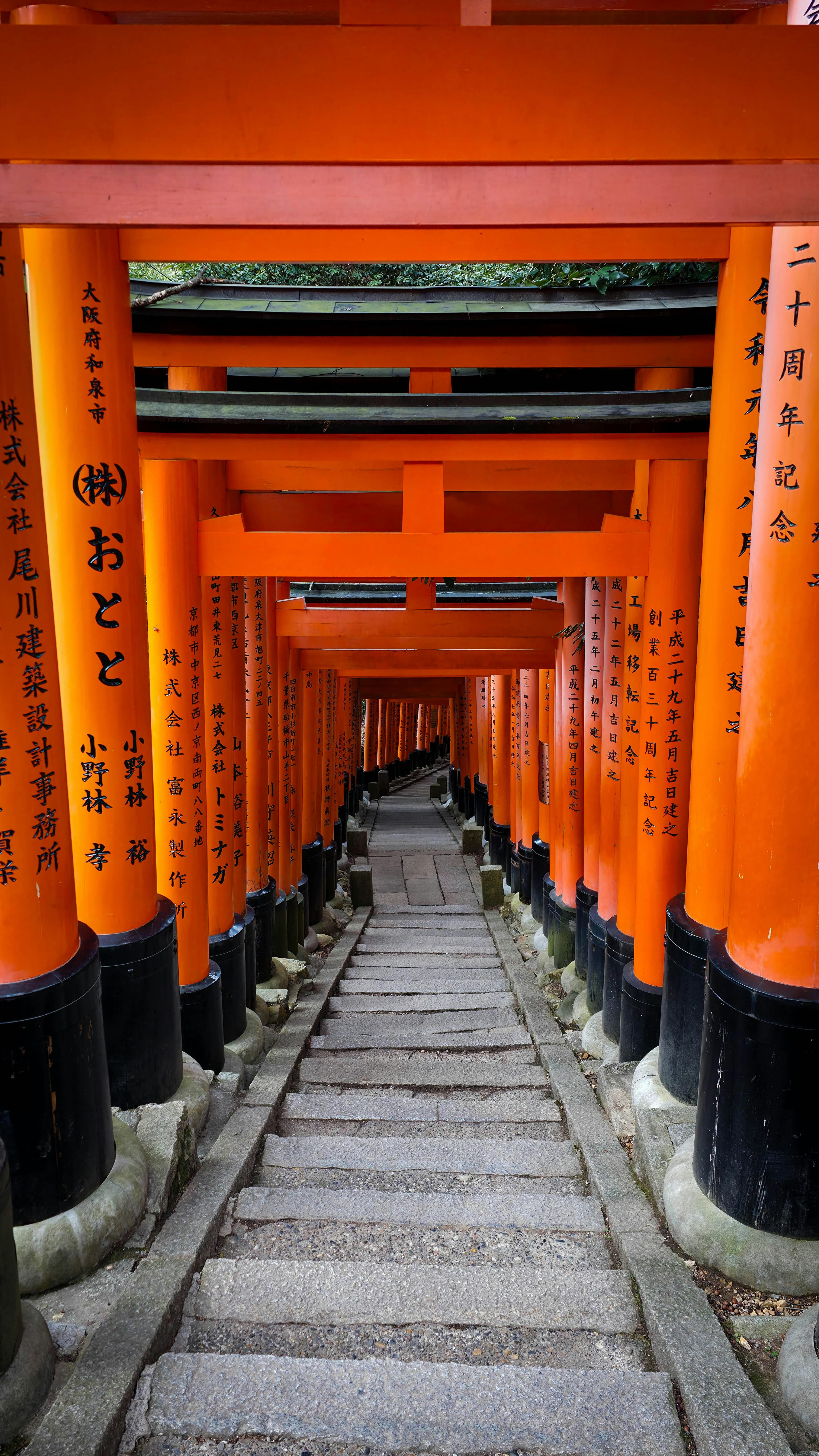
Kyoto: The Whispered Capital
Kyoto was Japans imperial capital for over 1,000 years (794-1868 AD), founded as Heian-kyo by Emperor Kanmu. While most of Tokyo burned in March 1945 firebombing, Kyoto was famously spared by US Secretary of War Henry Stimson, who had honeymooned there decades earlier. The result: 1,600 Buddhist temples, 400 Shinto shrines, 17 UNESCO World Heritage Sites, intact geisha districts (Gion still has working maiko and geiko), and traditional architecture you cannot see anywhere else in Japan. Population 1.42 million — half the size of Osaka. Pace 10x slower.
Osaka: The Loud Food Capital
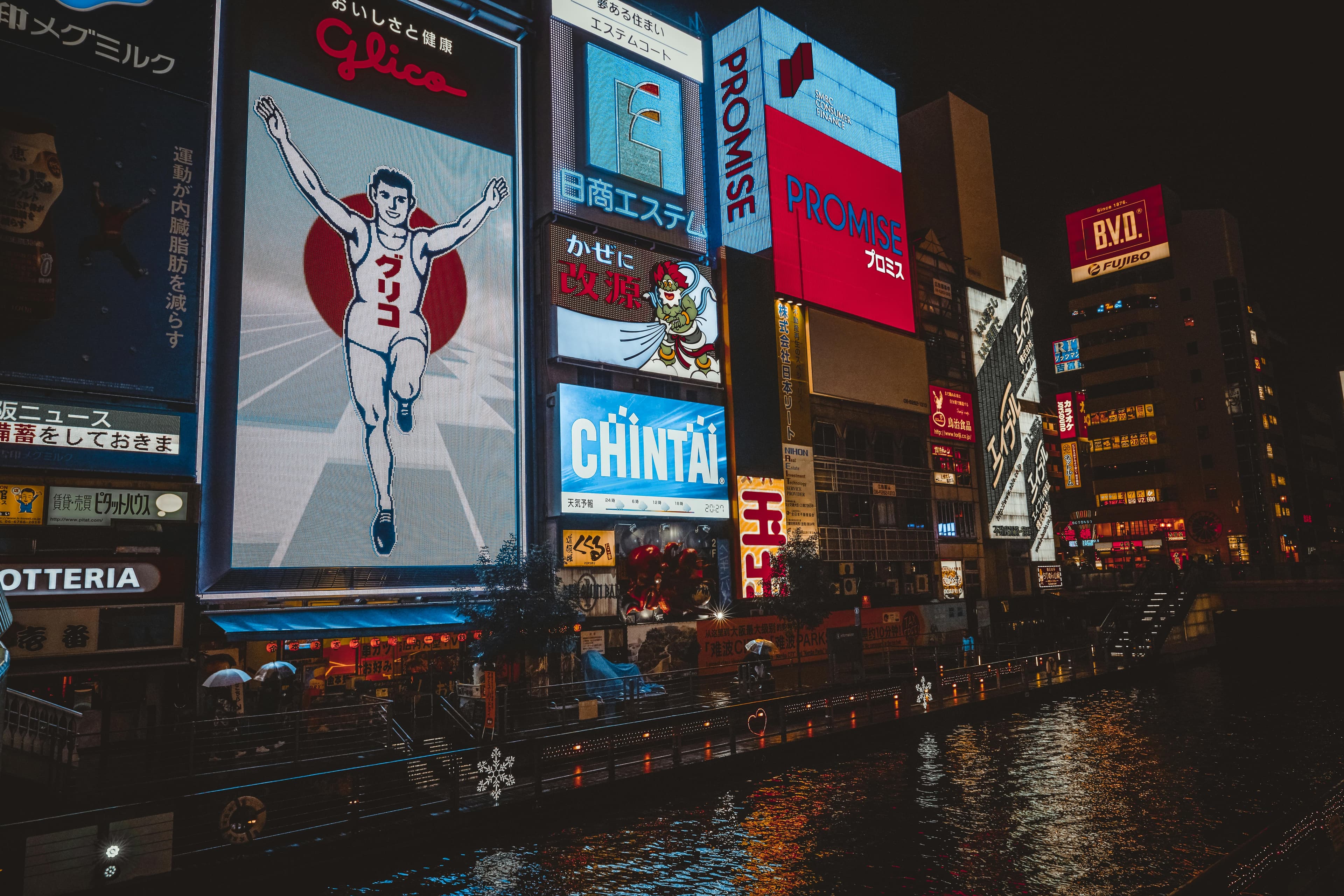
Osaka is energy. 2.7 million people in the city, 19 million in the metro area (3rd largest in Japan), and the friendliest reputation in the country. During the Edo period (1603-1868), Osaka became Japans commercial hub — every ingredient from across the country passed through here, earning the nickname Tenka no daidokoro ("the nations kitchen"). This is where takoyaki was invented in the 1930s by Tomekichi Endo, where okonomiyaki evolved post-WWII rice shortage, and where kushikatsu (deep-fried skewers) became the iconic Shinsekai street food. The local philosophy: kuidaore — "eat until you drop." 93 Michelin stars, 4th worldwide.
Honest Reframe
Kyoto vs Osaka is the easy decision. Japan vs Vietnam is the hard one.
Most travellers spend 8 hours researching Asian destinations and still feel uncertain. Our Decision Engine compares Japan against Vietnam, Thailand, Bali, and Cambodia — daily costs, weather windows, visa specifics, and a worth-it score for YOUR budget and travel style — in 30 seconds.
Compare Asia in 30 Seconds →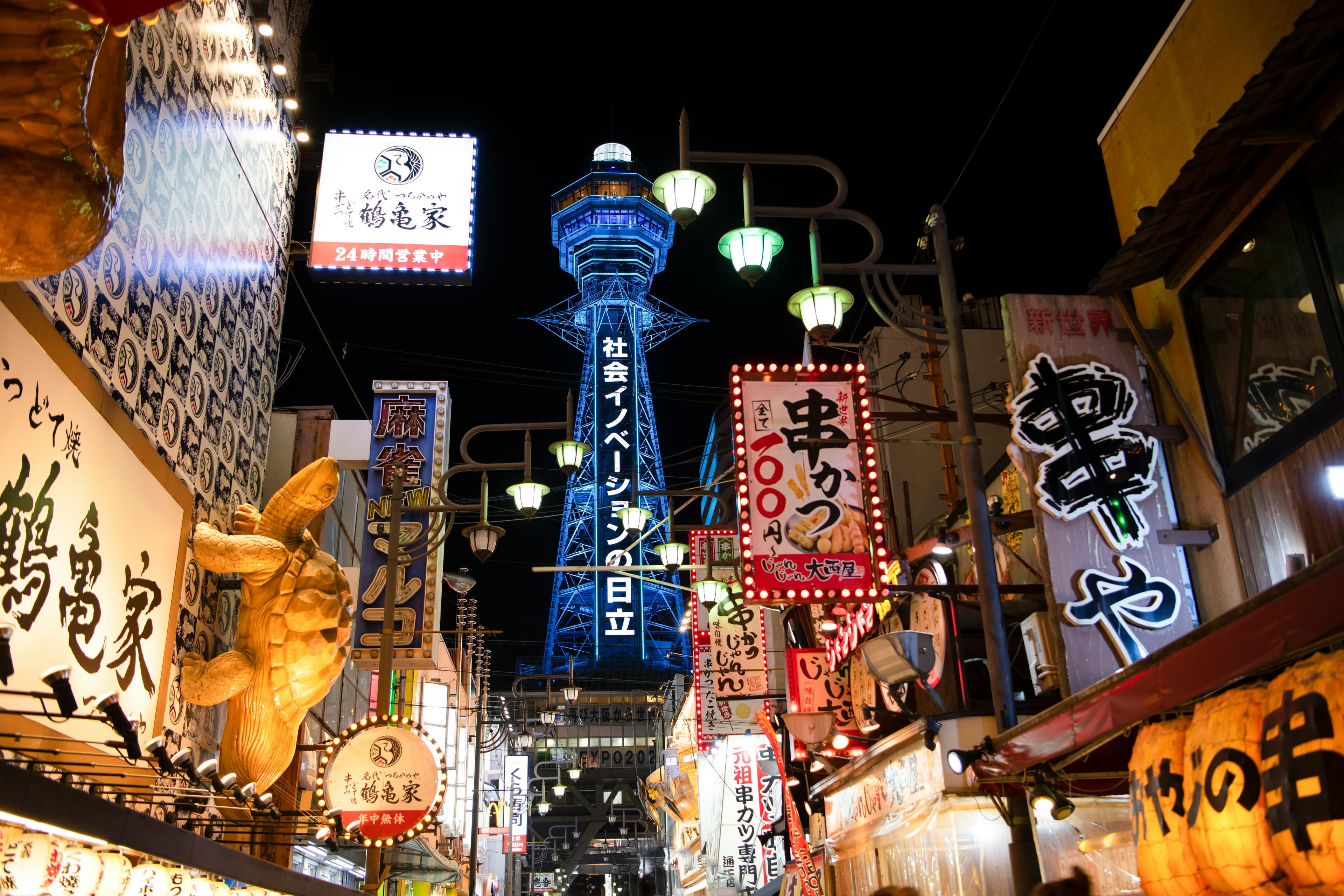
Kyoto vs Osaka: Food Culture
Kyoto is refinement. Kaiseki — the multi-course imperial cuisine — was born here under tea master Sen no Rikyu in the 16th century. Tofu was perfected by Buddhist monks. Yudofu (hot pot tofu), obanzai (home-style Kyoto cooking), and shojin ryori (Buddhist vegetarian) are local specialties. A traditional kaiseki dinner runs $80-200 per person. 100+ Michelin stars across the city. Refined, seasonal, ritualistic.
Osaka is bold. Takoyaki was invented here in 1930 by street vendor Tomekichi Endo. Okonomiyaki evolved post-WWII as locals improvised with limited ingredients. Kushikatsu (deep-fried skewers, never double-dip) became the icon of Shinsekai. Dotonbori at night is sensory overload. Budget meals from $5 (gyudon) to $200+ kaiseki. 93 Michelin stars (4th worldwide). Casual, social, kuidaore.
🚄 Getting Between Them
Kyoto to Osaka: 13-15 min by Shinkansen
Tokaido Shinkansen (fastest)
13-15 min · ¥1,450 ($10 USD) unreserved seat between Shin-Osaka and Kyoto Station. Departures every 9 minutes from 6 AM to 10:30 PM. Distance: 56.4 km. NOT covered by JR Pass on Nozomi (use Hikari/Kodama for pass holders).
JR Special Rapid (best value)
24-29 min · ¥580 ($4 USD) between Osaka Station and Kyoto Station. Free with JR Pass. Departures every 15 minutes. The smart choice for Kansai-only trips — Shinkansen saves 15 min for $6 extra, rarely worth it.
Hankyu Kyoto Line (cheapest)
44 min · ¥410 ($3 USD) from Hankyu Umeda to central Kyoto-Kawaramachi. Private line — NOT covered by JR Pass. Best for budget travellers and convenient access to western Kyoto attractions.
The Honest Verdict
Who Should Go Where
First-time Kansai visitor with 5-7 days
Do BOTH but base in Kyoto. 3-4 nights Kyoto for temples, gardens, and traditional culture, then 2-3 nights Osaka for food and nightlife. Cherry blossom season exception: base in Osaka and day-trip to Kyoto to save $30-40/night on accommodation when Kyoto prices double.
Foodies and street food lovers
Osaka-base trip. The kuidaore food culture is the city's soul. 4-5 nights minimum to properly explore Dotonbori, Kuromon Market, Shinsekai kushikatsu, Hozenji Yokocho izakaya alleys, and the Michelin Bib Gourmand spots. Day-trip to Kyoto twice during the stay for kaiseki contrast.
Cultural depth and slow travellers
Kyoto-base trip. Stay 5-7 nights in Kyoto, add day trips to Nara (1,300 sacred deer + 752 AD Buddha) and Osaka (food day). Skip Osaka as base entirely if your priority is temples, gardens, geisha culture, and meditative experiences. Kyoto delivers slowness Osaka cannot match.
Budget travellers (under $80/day)
Osaka-base. Hostels start at $20-33/night vs Kyoto $28-50. Street food meals $2-5 vs Kyoto sit-down $8-12. Day-trip to Kyoto via Hankyu Line ($3) or Special Rapid ($4) for 8-10 hours of exploring without paying Kyoto premium. Saves $20-40/day.
Family travel with kids 6-14
Osaka-base hands down. Universal Studios Japan, Osaka Aquarium Kaiyukan (one of largest worldwide), Dotonbori sensory experience, Osaka Castle for samurai history. Easier walking distances, more family-friendly food (no fancy etiquette), more accessible attractions. Day trips to Kyoto manageable but tiring with kids under 10.
Decision Engine
Travellers used our Decision Engine to compare Asian destinations this month
See how Japan ranks against Vietnam, Thailand, Bali, and Cambodia for YOUR profile — based on budget, travel dates, and style. 30 seconds, no email required to see results.
Get Your Worth-It Score →People Also Ask
Frequently Asked Questions
Is Osaka cheaper than Kyoto?
Yes, slightly. According to BudgetYourTrip 2026 data, Osaka mid-range averages $89-127/day versus Kyoto at $109/day. Osaka is 15-20% cheaper than Kyoto for accommodation, especially during cherry blossom season (late March to early April) when Kyoto hotel prices DOUBLE while Osaka only rises 30-40%. Many savvy travellers base in Osaka and day-trip to Kyoto via the 15-minute Shinkansen to save $30-40 per night during peak season.
Should I stay in Kyoto or Osaka for Kansai?
For first-time visitors prioritising temples and traditional culture: Kyoto. For foodies, nightlife lovers, and budget travellers: Osaka. The cities are only 15 minutes apart by Shinkansen ($10) or 30 minutes by JR Special Rapid ($4), making either base practical. Most travellers split: 3 nights Kyoto, 2 nights Osaka. Or stay entirely in Osaka (cheaper, livelier nightlife) and day-trip to Kyoto early mornings 5-6 AM to beat crowds at Fushimi Inari and Arashiyama.
How long does it take to get from Kyoto to Osaka?
The Tokaido Shinkansen takes only 13-15 minutes between Shin-Osaka and Kyoto Station, costing ¥1,450 ($10 USD) for unreserved seats. The JR Special Rapid takes 24-29 minutes for ¥580 ($4) covering 56.4 km. The private Hankyu Kyoto Line takes 44 minutes for ¥410 ($3) and is the cheapest option. Trains run every 9-15 minutes from 6 AM to 10:30 PM, making day trips between cities effortless.
How many days do you need in Kyoto and Osaka?
Minimum 2-3 days in Kyoto for the essentials (Fushimi Inari, Kinkaku-ji, Arashiyama, Gion) and 1-2 days in Osaka (Dotonbori, Osaka Castle, Kuromon Market, plus an evening). Combined: 4-5 days minimum, 7 days ideal. Add a day for Nara (45 min from Kyoto, 1,200 sacred deer plus 752 AD Buddha at Todai-ji) or Kobe (30 min from Osaka, world-famous Wagyu beef).
Is Kyoto or Osaka better for food?
Different food cultures, both incredible. Kyoto specialises in refined kaiseki (multi-course imperial cuisine, $80-200/person), tofu-based vegetarian shojin ryori, and seasonal kyo-ryori. Osaka invented takoyaki, okonomiyaki, and kushikatsu — its food culture is "kuidaore" (eat until you drop). Osaka has 93 Michelin stars (4th worldwide), Kyoto has 100+ stars. Kyoto = refined tradition. Osaka = bold street food. Both worth experiencing.
Whats the best time to visit Kyoto and Osaka?
Late March to early April for cherry blossoms (sakura) and mid-November for autumn foliage are peak. Spring temperatures: 13-22°C (55-72°F), perfect for walking. Avoid June-July rainy season and August humidity (32-35°C / 90-95°F). Important: Kyoto hotels DOUBLE during sakura, Osaka rises 30-40%. Book 3-6 months ahead for peak windows. May and October offer 80% of the beauty with 50% fewer crowds.
Is Osaka boring compared to Kyoto?
No, Osaka is the opposite of boring — it is Japans most lively city. Dotonbori at night (neon lights, street food, 100s of restaurants), Universal Studios Japan, Shinsekai retro district, Kuromon Market, Osaka Castle, Umeda Sky Building. The vibe is bold, loud, friendly. What Osaka lacks vs Kyoto is temple density and traditional architecture. If you want zen gardens and geisha, choose Kyoto. If you want energy, food and nightlife, Osaka delivers.
Can you do Kyoto and Osaka as day trips from each other?
Yes, easily. Both cities are major day-trip destinations from each other. From Osaka, Kyoto day trip costs $4-10 round trip and gives you 8-10 hours. From Kyoto, Osaka day trip same cost and time. Most travellers prefer to stay 2-3 nights in each rather than day-tripping, but if your trip is tight (5 days total), basing in one city and day-tripping to the other works perfectly.
What is Dotonbori in Osaka?
Dotonbori is Osakas most famous entertainment district, a 600-meter canal-side street in the Namba area packed with neon signs, street food stalls, restaurants, and the iconic Glico running man billboard since 1935. Its the heart of Osakas "kuidaore" food culture — where takoyaki, okonomiyaki, kushikatsu and ramen all reach their peak forms. Free to walk. Best at night 7-10 PM when the neon comes alive. Equivalent to Tokyos Shibuya but more food-focused.
Is Osaka Castle worth visiting?
Yes, especially during cherry blossom season. Osaka Castle was built by Toyotomi Hideyoshi in 1583, destroyed and rebuilt multiple times — the current main tower dates from 1931 reconstruction with modern museum inside. Tower entry: ¥1,200 ($8 USD). Park grounds: FREE and surround the castle with 4,000+ cherry trees. Best visited in spring (cherry blossoms) or autumn (foliage). 1-2 hours total.
Continue Exploring Japan
Build Your Japan Cluster
Where to Stay
Find Your Hotel — Kyoto or Osaka
⛩ Kyoto
Stay in Gion for geisha district atmosphere, Higashiyama for temple access, or near Kyoto Station for shinkansen convenience.
Kyoto Hotels →🐙 Osaka
Stay in Namba/Dotonbori for nightlife and food, Umeda for shopping and transport, or Tennoji for budget options.
Osaka Hotels →You now know the difference.
The harder question: is Japan worth your $90-130/day budget for two weeks in your travel style — or does Vietnam at $75/day, Thailand at $90/day, or Bali at $60/day deliver more for you?
Get your verdict in 30 seconds. You will see Japan worth-it score, daily cost, weather window, visa specifics — and a second destination ranked against your profile.
Try the AI Decision Engine →100% real data · No opinions · No sponsored results · Always free