Ubud vs Canggu
Bali's two most talked-about areas are worlds apart. Ubud is rice terraces, temples and yoga. Canggu is surf, beach clubs and digital nomads. Here's the honest guide to choosing your base.
The real difference before you choose your base
Ubud is 25km inland. There is no beach, no ocean view, no surf. If your main goal in Bali is beach time, Ubud is the wrong base. But if you want rice terraces, waterfalls, temples, yoga, cooking classes and jungle — Ubud delivers more per square kilometre than anywhere else on the island. Most people who go to Ubud say it's the highlight of their entire Bali trip.
Canggu has exploded in popularity since 2019. The main roads — Batu Bolong, Berawa, Echo Beach — are now heavily congested, especially 5–8pm. A 3km journey can take 45 minutes on a bad day. If you base yourself in Canggu, budget extra time for everything. The scooter is still the best option ($5–8/day) but requires experience and an international driving permit.
The price gap is real and consistent. In Ubud you can find a private room with pool and breakfast for $15–20/night. The equivalent in Canggu costs $35–50. Warung meals in Ubud run $2–4 vs $4–8 in Canggu's café scene. If budget matters, Ubud wins clearly. Canggu's premium is driven by demand from digital nomads and Instagram-driven tourism.
Canggu has the highest concentration of co-working spaces, fast WiFi cafés, and remote workers in Southeast Asia. Dojo, Outpost, and dozens of independent cafés cater specifically to nomads. If you're working remotely, Canggu's infrastructure is unmatched in Bali. Ubud has good WiFi but fewer dedicated co-working options and a quieter, more focused energy.
What you actually spend per day
Based on real traveller expense reports, accommodation data from Booking.com and Agoda, and 2026 price surveys. Both areas use the Indonesian Rupiah — approximately 16,000 IDR per USD.
Bottom line: Ubud is consistently 20–30% cheaper than Canggu across accommodation, food and activities. A week in Ubud costs around $350–500/person. The same week in Canggu runs $450–700. The gap widens significantly if you spend evenings at beach clubs — Canggu's biggest draw and biggest expense. Both areas are extraordinary value compared to Western alternatives. Sources: Booking.com 2026 pricing, real traveller expense reports, BudgetYourTrip.com.
Ubud
Ubud is Bali's cultural and spiritual heart — a town set among rice paddies, jungle rivers and ancient temples 25km inland from the coast. It's where Elizabeth Gilbert came to find herself in Eat Pray Love, and where the Balinese Hindu culture is most intact and most accessible. The Monkey Forest, Tegalalang rice terraces, traditional dance performances and world-class yoga retreats make Ubud the most culturally dense destination on the island. It's also significantly cheaper than the coast.
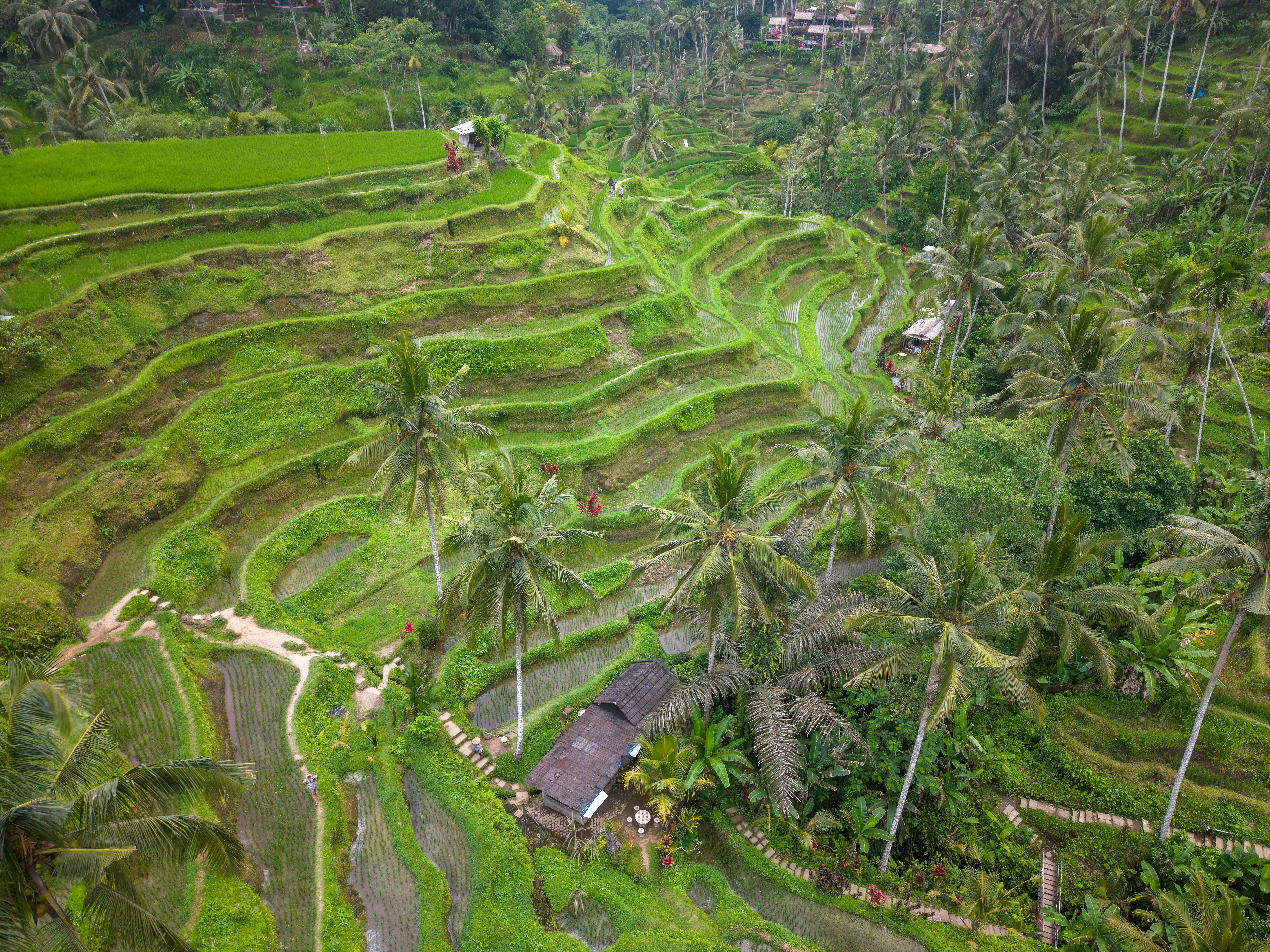
Rice Terraces, Water Temple & Sacred Waterfall
The definitive Ubud day — Tegalalang rice terraces (UNESCO-listed, one of Bali's most photographed landscapes), Tirta Empul water temple where Balinese Hindus come to purify themselves in sacred spring water, and a hidden jungle waterfall. Private guide included, transport door to door. This is the Bali most visitors picture before they arrive — and it's exactly as extraordinary as the photos suggest. Go at 7am before the day-trip crowds arrive.
Book Ubud Private Tour →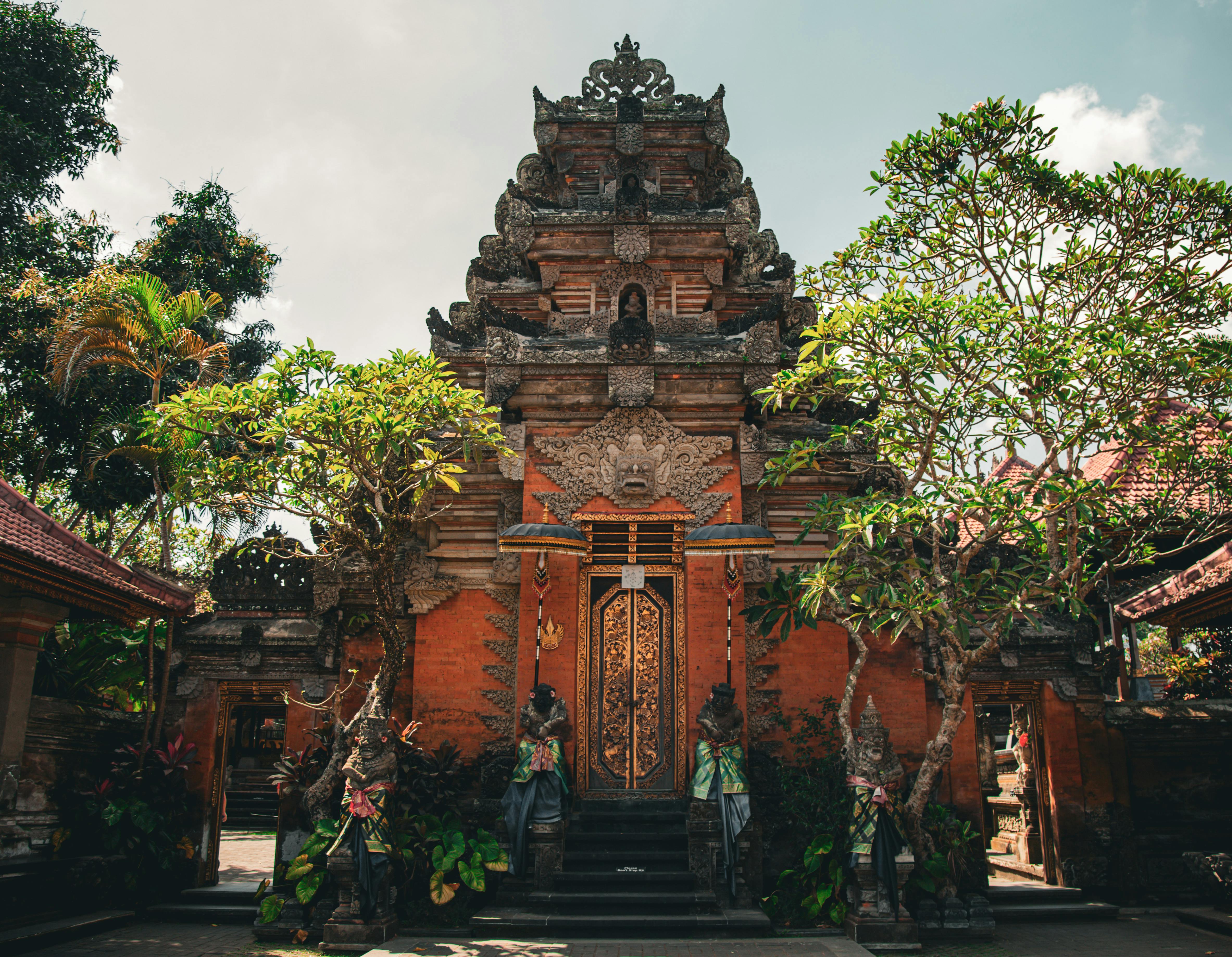
Authentic Balinese Cooking Class in a Village
Start at a traditional Balinese market selecting fresh ingredients with a local guide — lemongrass, galangal, kaffir lime, fresh turmeric. Then move to a family compound in a nearby village to cook 5–6 authentic dishes from scratch: nasi goreng, satay lilit, lawar, pelecing kangkung. Eat what you make. Take the recipes home. The most immersive cultural experience in Ubud — you cook in someone's family kitchen, not a tourist facility. This is the real Bali.
Book Balinese Cooking Class →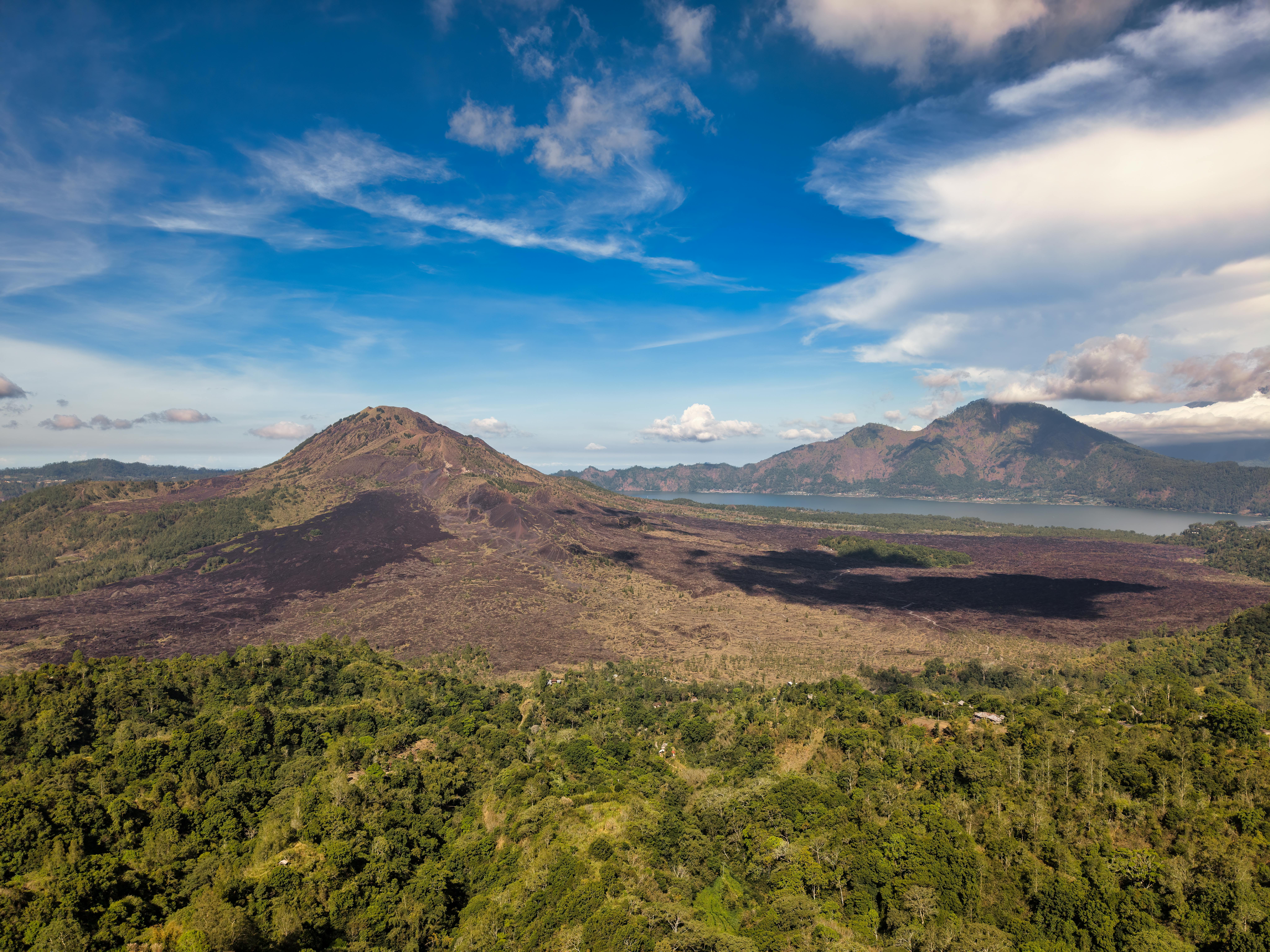
Mount Batur Sunrise Trek + Natural Hot Springs
Mount Batur is an active volcano — its last major eruption was in 1994. The 2-hour summit trek departs at 2am to reach the 1,717m peak for sunrise over the caldera lake and Mount Agung. On a clear day you can see Lombok. The descent takes you to natural hot springs heated by volcanic activity. Physically demanding but one of the most rewarding experiences in Bali — the sunrise from an active volcano caldera is genuinely extraordinary. No experience required, guides provided.
Book Mount Batur Sunrise Trek →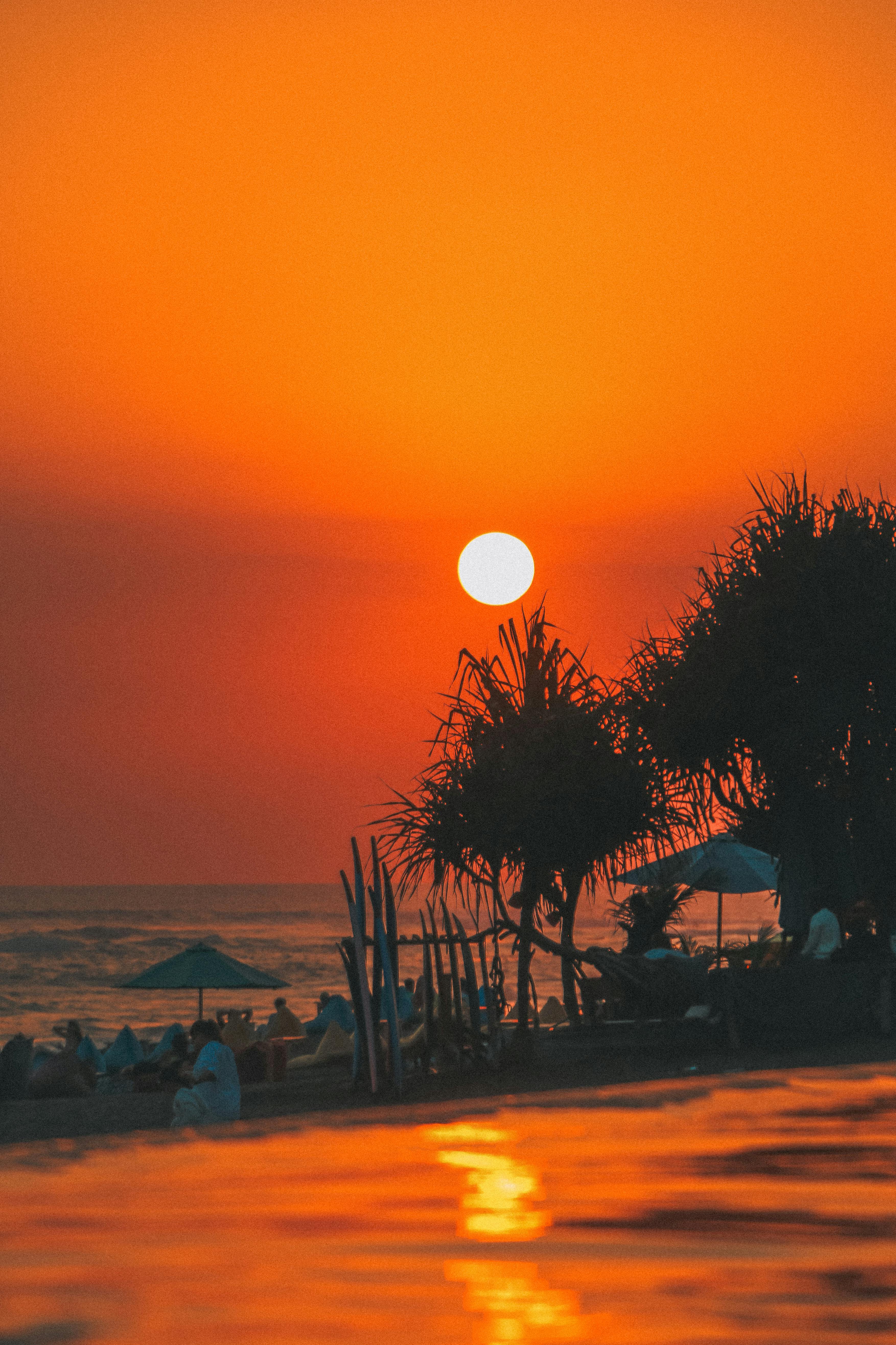
Canggu
Canggu is the most talked-about neighbourhood in Bali — and possibly in all of Southeast Asia. A former rice paddy village that transformed over a decade into the island's digital nomad capital, surf hub and beach club destination. Echo Beach, Batu Bolong and Berawa attract surfers of all levels. FINNS Beach Club is visited by 1 in 4 international tourists who pass through Bali's airport. The café scene is world-class. The community is young, international and ambitious. It's louder, pricier and busier than Ubud — and for its audience, that's exactly the point.
Surf Lesson at Batu Bolong Beach
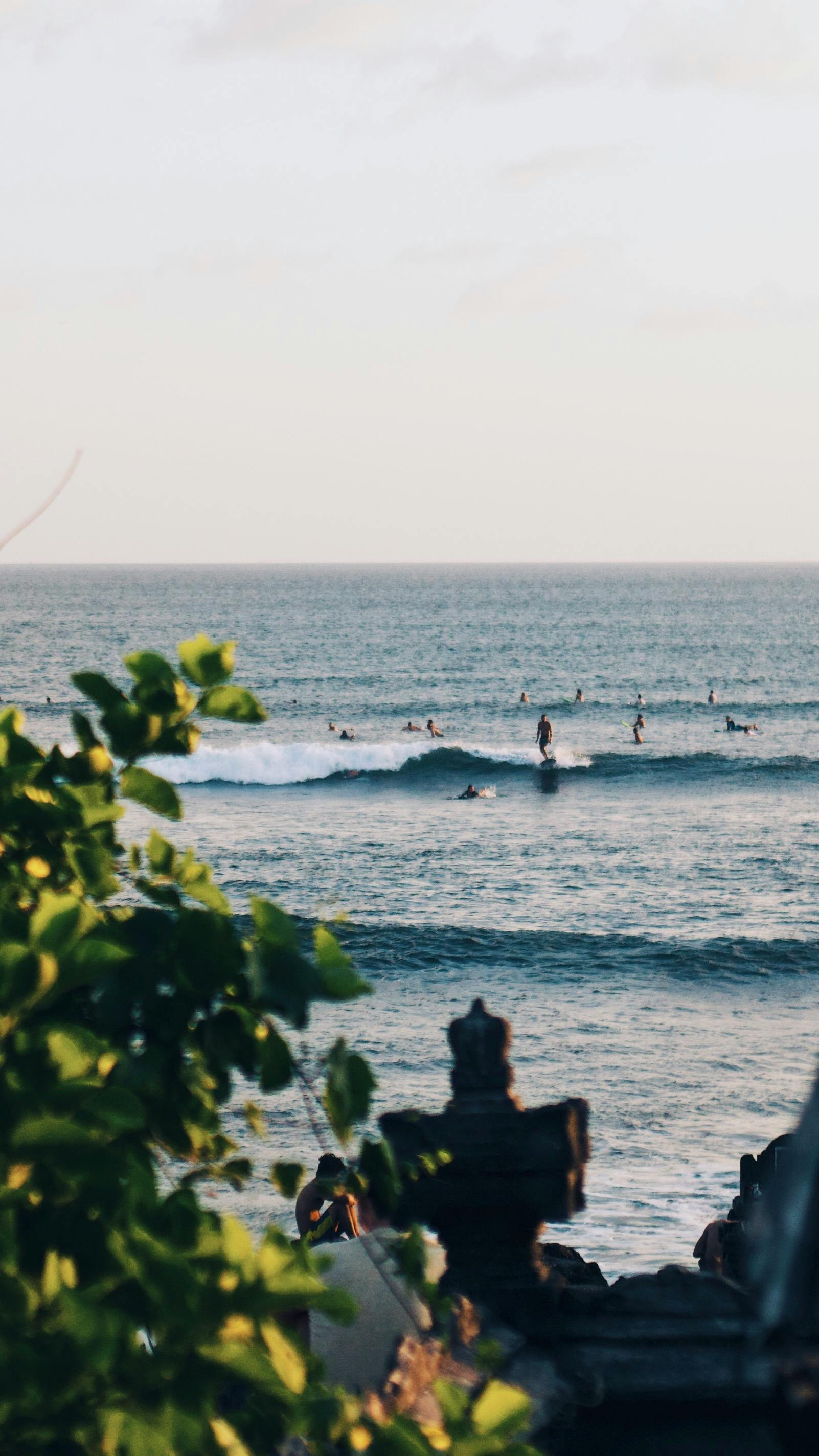
Canggu's Batu Bolong Beach is one of the best beginner surf spots in Asia — consistent waves, warm water, sandy bottom, and a large community of instructors who genuinely know what they're doing. The 2-hour lesson includes board, rash vest, and certified instructor. Canggu's surf culture is the real deal — this isn't a tourist show, it's a functioning surf community that happens to welcome beginners. If you've never surfed before, Bali is the best place on earth to start.
Book Surf Lesson Canggu →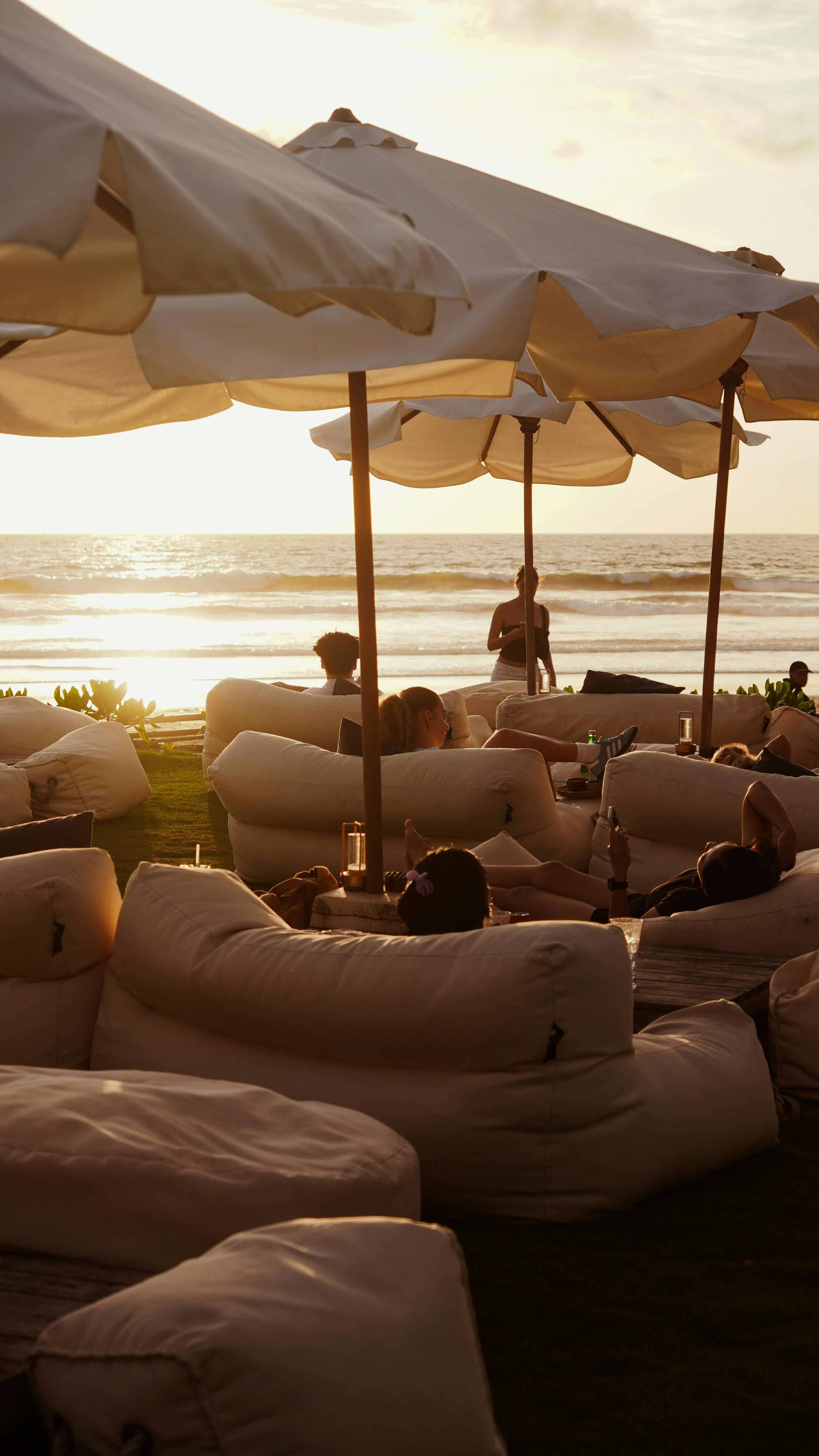
Canggu Beach Clubs — Sunset at FINNS or The Lawn
Canggu's beach clubs are what put it on the map — and FINNS Beach Club is the crown jewel, visited by 1 in 4 international tourists who land at Bali's airport. Multiple pools, restaurants, live music, and DJs at sunset with the Indian Ocean as backdrop. The Lawn is the more relaxed alternative — beanbags on the grass, acoustic sets, and a younger, less commercial crowd. Both deliver the Bali sunset experience at its most social and spectacular. Go at 4:30pm for the best light.
Find Hotels near Canggu Beach Clubs →
Puppy Yoga Canggu + Refreshments
Only in Canggu. A 90-minute yoga class where rescue puppies wander freely around the mats — they climb on you, nap on your mat, and systematically destroy any attempt at a serious pose. It sounds absurd and it is, but the reviews speak for themselves. A genuinely joyful experience that combines wellness with something Ubud would never offer. Refreshments included. Book ahead — sessions sell out, especially on weekends. The most uniquely Canggu activity on the island.
Book Puppy Yoga Canggu →Who Should Choose What
You want genuine cultural immersion — rice terraces, temples, traditional dance. You're on a tighter budget — Ubud is 20–30% cheaper than Canggu. You're doing yoga, meditation, or a wellness retreat. You want cooler temperatures (Ubud is inland and higher altitude). You're 30+ and want a more mature, reflective Bali experience. You don't need beach access every day.
You're there to surf — Batu Bolong and Echo Beach are world-class beginner breaks. You're a digital nomad needing co-working infrastructure and community. You want beach clubs, sunset cocktails and a social scene. You're travelling solo and want to meet people easily. You prioritise café culture and international food over local authenticity. You want Bali's most vibrant neighbourhood energy.
Most people with 10+ days in Bali do both. The standard split: 4–5 nights Ubud first (culture, trekking, cooking), then 4–5 nights Canggu (surf, beach clubs, social). Ubud first is the right order — it grounds you in Balinese culture before Canggu's modernity takes over. The transfer between the two takes 1–1.5 hours by scooter or Grab in normal traffic, longer at peak times. Both areas are equally good bases for day trips to Nusa Penida and Uluwatu.
Ubud: 3–5 days covers the rice terraces, cooking class, Monkey Forest, a traditional dance performance and a day trip to Mount Batur or a waterfall. 7 days if you want to go deeper into the culture and surrounding villages. Canggu: 3–4 days for surf lessons, beach clubs and the café scene. 5–7 days if you're a digital nomad settling in. Neither area gets boring — both reward slower exploration.
Ready to book your Bali trip?
Hotels, tours, and experiences — verified prices, no surprises.